What Is an Elastic Bandage and How Does It Work?
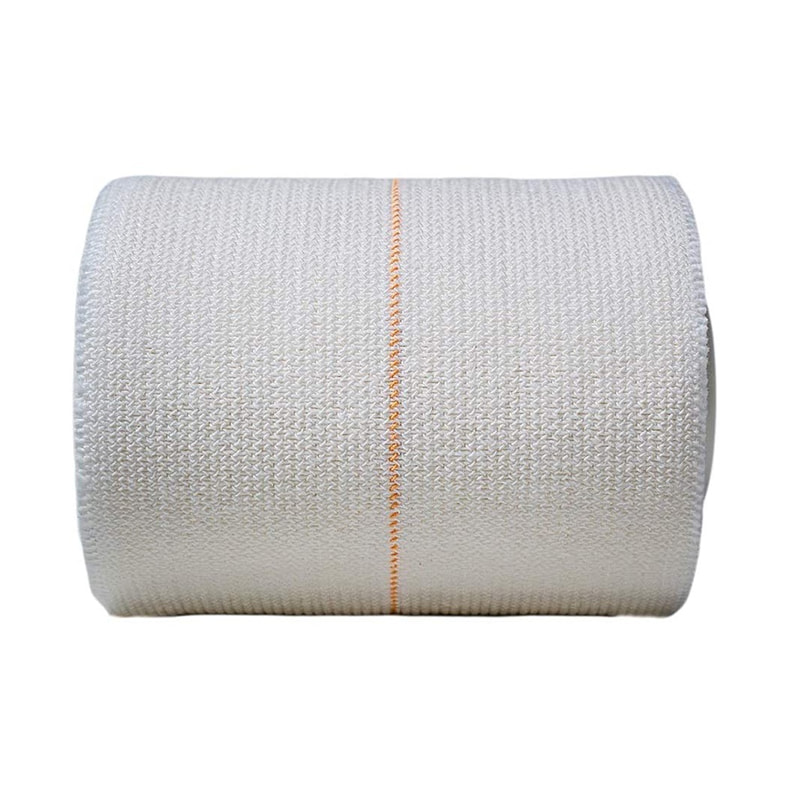
An elastic bandage is a stretchable, woven or knitted fabric strip designed to wrap around a body part to provide compression, support, or immobilization. Unlike rigid bandages or plaster casts, elastic bandages conform to the contours of the body and move with it, making them suitable for joints and limbs that require both support and a degree of functional mobility. The elasticity of the bandage is derived from the incorporation of elastic fibers — typically latex or latex-free synthetic elastomers such as spandex — woven into the fabric structure alongside cotton or polyester yarns.
The working principle of an elastic bandage is based on graduated compression and mechanical support. When applied correctly — with greater tension at the distal end of a limb and progressively less tension as the wrap moves proximally — the bandage creates a pressure gradient that encourages venous blood and lymphatic fluid to flow back toward the heart rather than pooling in the extremity. This mechanism is what makes elastic bandages effective for managing swelling, reducing edema, and supporting injured soft tissue structures such as ligaments, tendons, and muscles during the early stages of recovery.
Types of Elastic Bandages and Their Differences
Elastic bandages are available in several distinct types, each designed with specific clinical applications in mind. Choosing the correct type is essential for achieving the intended therapeutic outcome while avoiding complications such as excessive pressure, skin irritation, or inadequate support.
| Type |
Material |
Key Feature |
Primary Application |
| Crepe Bandage |
Cotton + elastic yarn |
Moderate stretch, breathable |
Sprains, strains, post-surgical support |
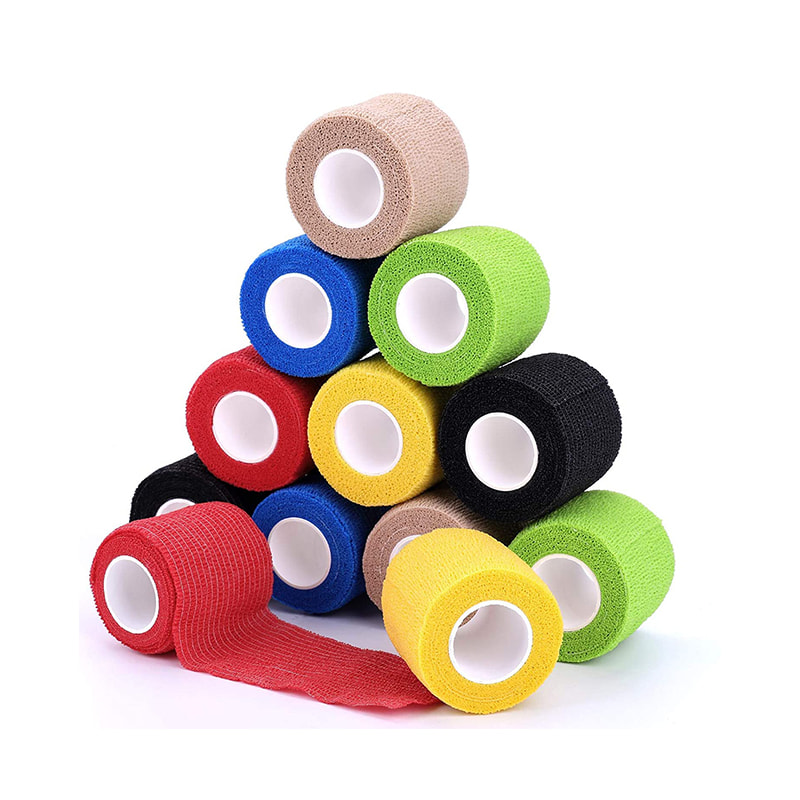
| Cohesive Bandage |
Nonwoven + self-adhesive coating |
Sticks to itself, not skin |
Athletic taping, veterinary use, securing dressings |
| Compression Bandage |
Cotton/polyester + high elastic content |
High, sustained compression |
Venous leg ulcers, lymphedema, DVT prevention |
| Latex-Free Elastic Bandage |
Polyester + spandex |
Hypoallergenic, safe for latex-sensitive patients |
All general applications in allergy-prone individuals |
| Zinc Paste Bandage |
Cotton bandage impregnated with zinc paste |
Medicated, semi-rigid when dry |
Chronic leg ulcers, eczema, dermatological conditions |
Understanding these distinctions allows clinicians, athletes, and first aid providers to match the bandage type to the clinical need rather than defaulting to whichever product is immediately available. Using a high-compression bandage on a minor sprain, for example, can restrict circulation and cause more harm than benefit, while using a light crepe bandage on a venous leg ulcer will not deliver the sustained therapeutic compression the condition requires.
Clinical and Sports Applications of Elastic Bandages
Elastic bandages serve a wide spectrum of purposes across clinical medicine, sports medicine, emergency care, and home first aid. Their adaptability to different body parts, wound types, and therapeutic goals makes them one of the most frequently used products in any medical supply inventory.
Sprains and Strains
The most common application of an elastic bandage in everyday settings is the management of sprains and strains — injuries to ligaments and muscles respectively. In ankle sprains, wrist injuries, and knee strains, elastic bandages provide external mechanical support to the injured joint, limit excessive movement that could aggravate the injury, and apply gentle compression that reduces swelling during the acute inflammatory phase. Applied as part of the R.I.C.E. protocol (Rest, Ice, Compression, Elevation), an elastic bandage is the compression component that actively contributes to swelling reduction and pain management.
Post-Surgical and Post-Procedural Support
Following orthopedic surgeries, joint procedures, or soft tissue operations, elastic bandages are applied to manage post-operative swelling, support the surgical site, and secure primary wound dressings in place. They allow the patient to move the limb within therapeutic limits while protecting the healing tissue from external trauma. In procedures such as knee arthroscopy, ankle repair, or varicose vein surgery, elastic bandages are a standard component of post-operative care protocols.
Venous and Lymphatic Conditions
For patients with chronic venous insufficiency, varicose veins, venous leg ulcers, or lymphedema, compression bandaging using high-elastic bandages is a primary treatment modality. Sustained, graduated compression over weeks or months can significantly reduce limb edema, promote ulcer healing, and improve quality of life. This application requires precise technique and often involves layered bandaging systems applied by trained nurses or therapists.
Athletic Performance and Injury Prevention
In sports medicine, elastic bandages and cohesive variants are used prophylactically to support vulnerable joints during athletic activity. Ankle taping and knee wrapping before competition or training sessions helps stabilize joints that have previously been injured or are at high risk. Cohesive elastic bandages are particularly popular in this context because they stay in place during vigorous activity without slipping or unwinding, and they can be removed cleanly without adhesive residue.
Securing Dressings and IV Lines
Elastic bandages also play a supporting role in wound dressing management and intravenous line security. When a primary dressing needs to be held firmly against an irregular body surface — such as around the elbow, shoulder, or heel — an elastic bandage provides conforming, consistent pressure that keeps the dressing in position even during patient movement. In emergency and hospital settings, elastic bandages are used to secure cannulas, splints, and temporary wound closures efficiently.
How to Apply an Elastic Bandage Correctly
Proper application technique is essential. An incorrectly applied elastic bandage can restrict blood flow, cause pressure injuries, or fail to deliver the intended support. The following guidelines cover the key principles of correct elastic bandage application.
- Position the limb correctly: Place the injured limb in a neutral or slightly elevated position before starting to wrap. For ankle bandaging, the foot should be at a 90-degree angle to the leg to prevent the bandage from becoming too tight when the patient stands.
- Begin distally and work proximally: Always start wrapping at the point farthest from the heart (e.g., the foot or hand) and progress upward. This creates a pressure gradient that supports venous return and prevents fluid from being trapped distally.
- Use consistent, overlapping turns: Each layer of bandage should overlap the previous one by approximately 50%. This ensures even coverage and prevents gaps or pressure points caused by uneven layering.
- Apply with consistent tension: Maintain steady, moderate tension throughout the wrap — firm enough to provide support but not so tight that it blanches the skin or causes numbness. Tension should decrease slightly as you move toward the proximal end of the limb.
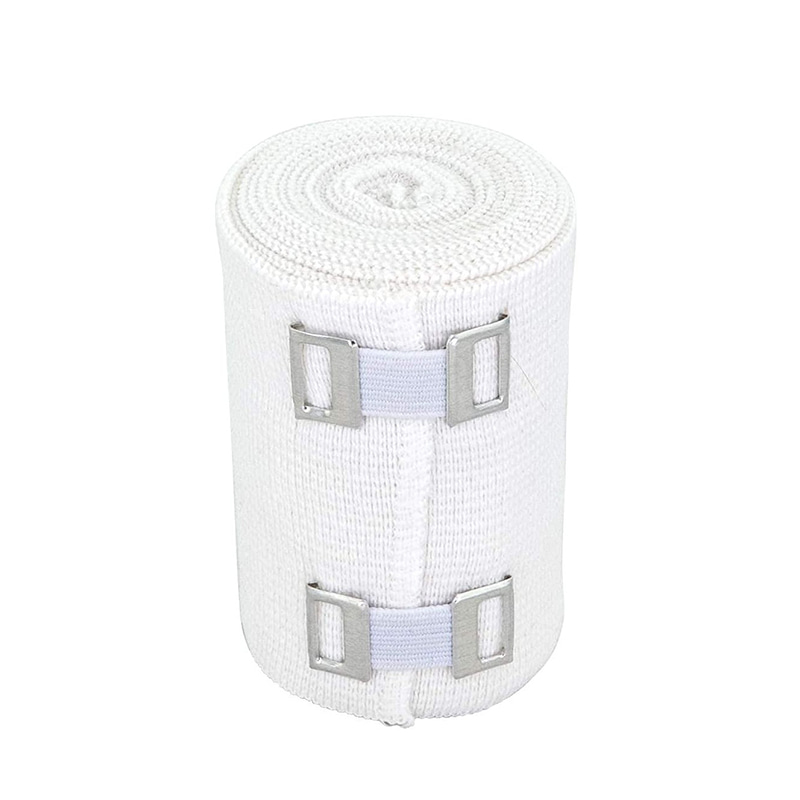
- Secure the end without metal clips near the skin: Fasten the bandage using the self-fastening clips provided, medical tape, or a cohesive layer. Avoid placing metal clips directly over bony prominences where they could cause pressure sores.
- Check circulation after application: After wrapping, assess the distal fingers or toes for warmth, color, capillary refill, and sensation. Any sign of coldness, pallor, tingling, or numbness indicates the bandage is too tight and must be immediately loosened.
Selecting the Right Width and Size
Elastic bandages are manufactured in a range of widths to suit different body parts. Using the appropriate width ensures adequate coverage, proper compression distribution, and practical ease of application. The following general guide helps match bandage width to anatomical location.
- 2.5 cm (1 inch): Fingers and toes — narrow width allows precise wrapping around small digits without excessive bulk.
- 5 cm (2 inches): Wrist, hand, and foot — suitable for smaller joints where a narrower wrap provides better conformability.
- 7.5 cm (3 inches): Elbow and ankle — the most commonly used size for standard joint bandaging in clinical and sports contexts.
- 10 cm (4 inches): Knee and lower leg — wider coverage for larger joints and thicker limb segments.
- 15 cm (6 inches): Thigh, shoulder, and trunk — used for large body areas requiring broad, even compression coverage.
Suzhou Sunmed Elastic Bandage: Manufacturing Standards and Product Range
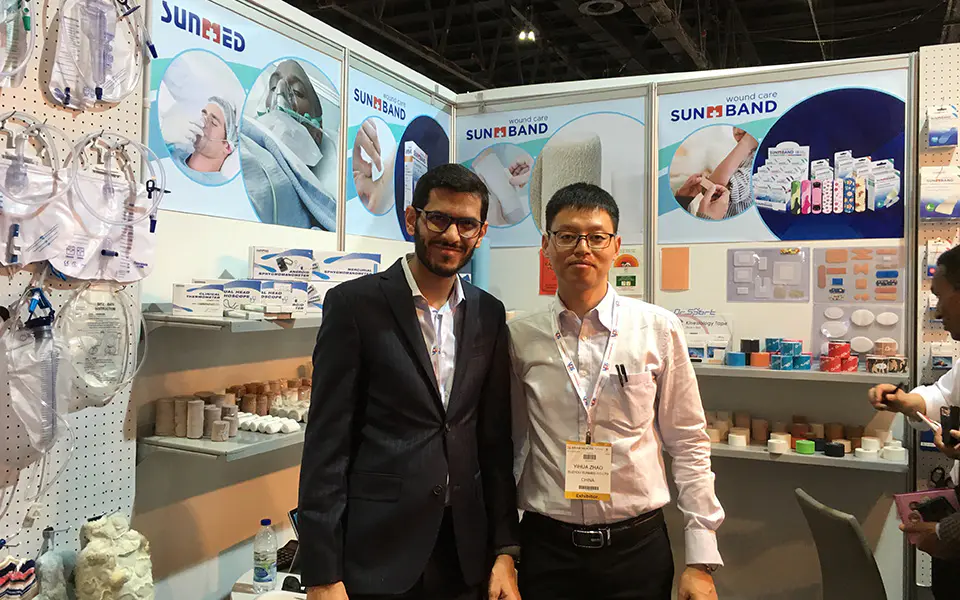
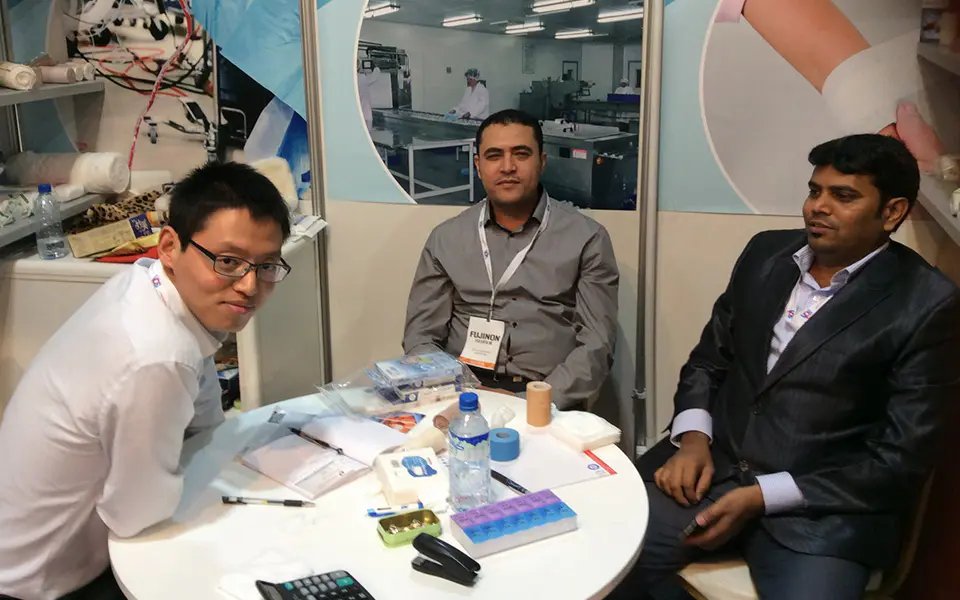
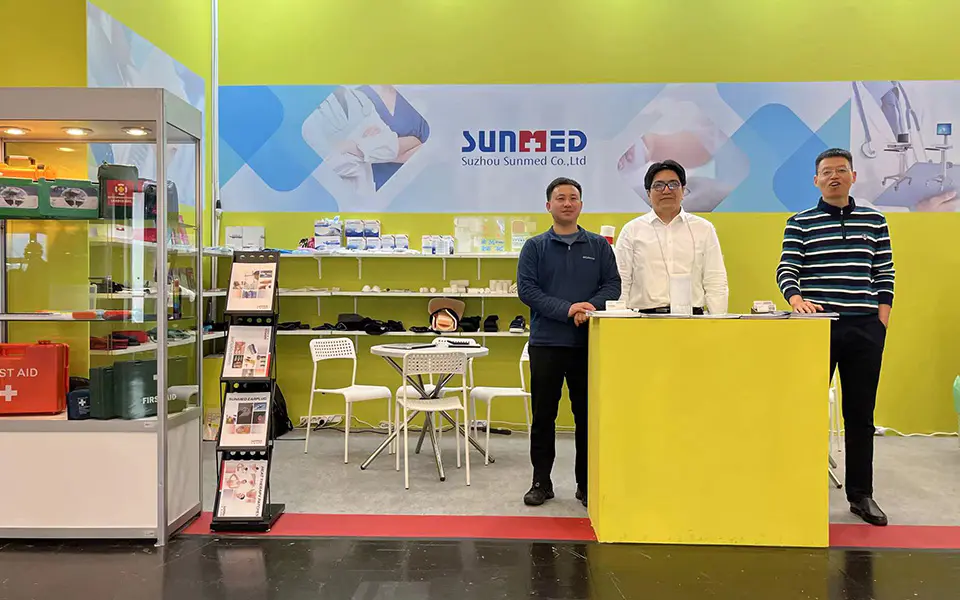
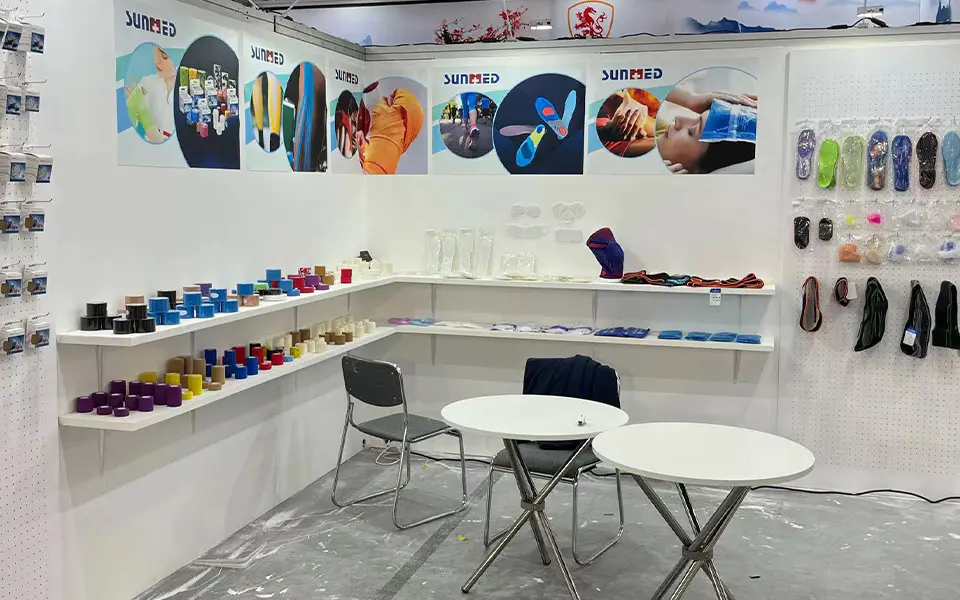
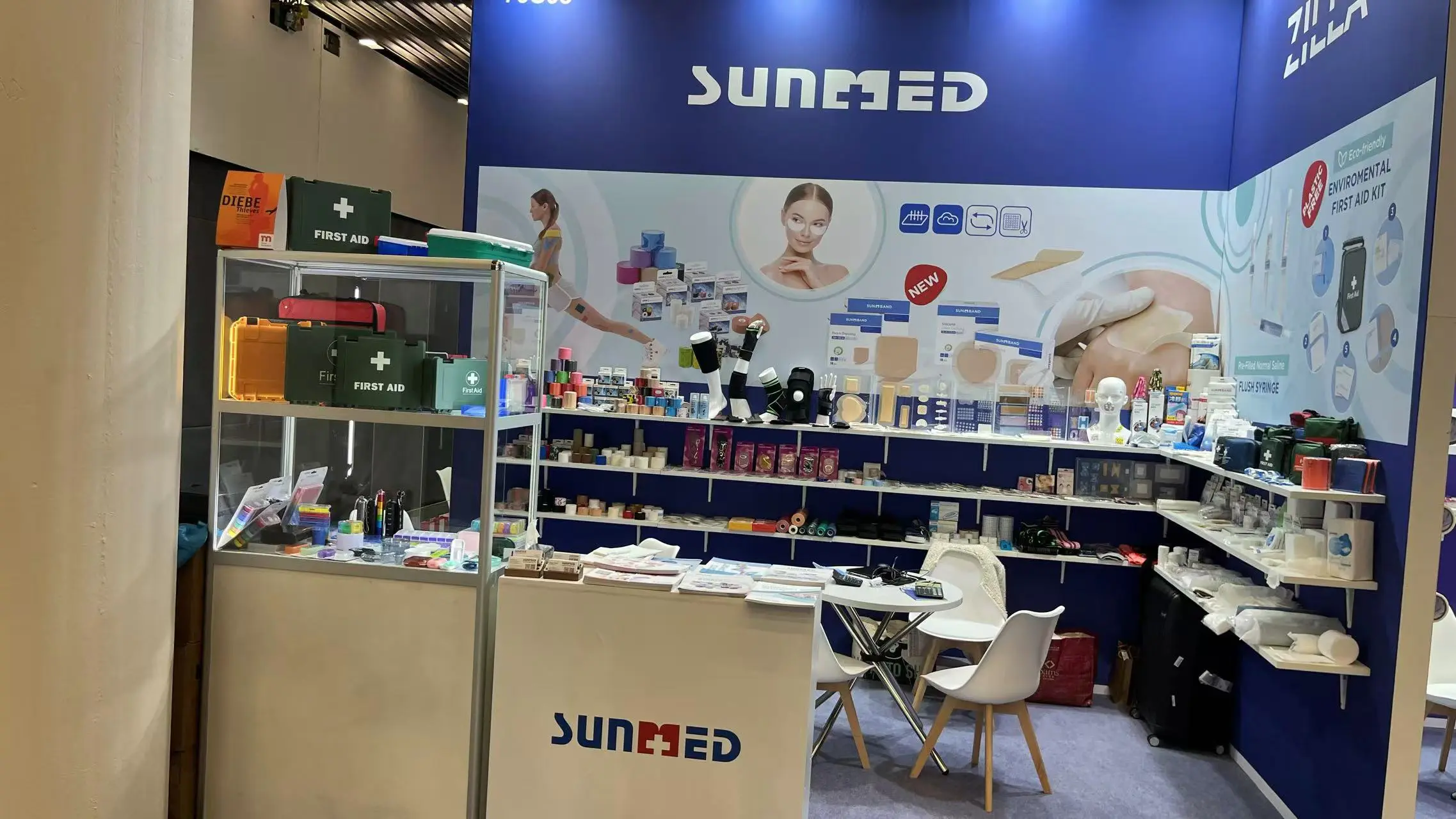
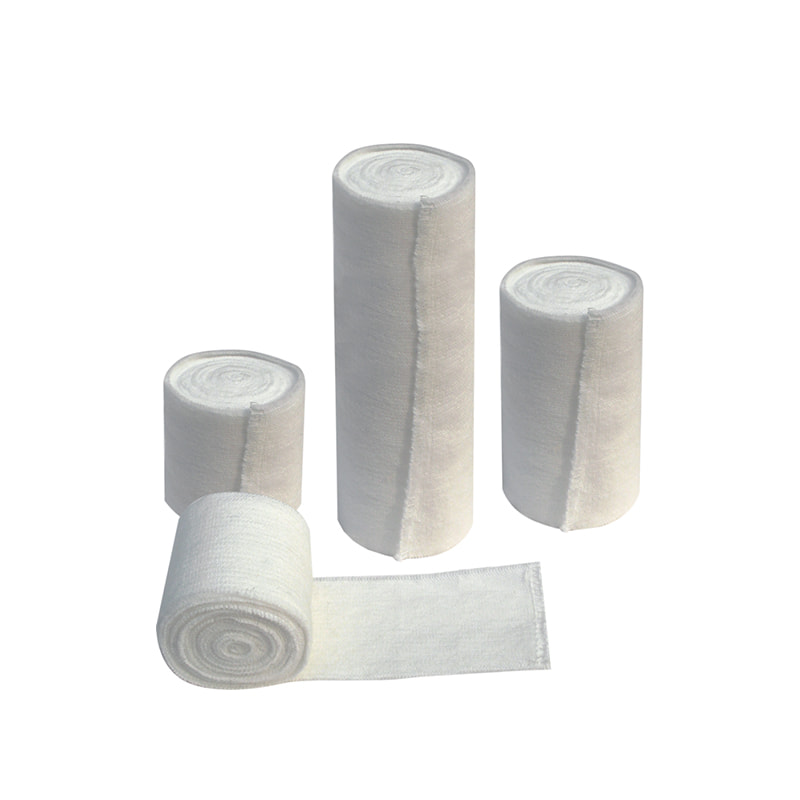
Suzhou Sunmed Co., Ltd. is a professional manufacturer of medical consumables based in Suzhou, China, with elastic bandages forming a core part of its product portfolio. As a manufacturer with direct control over production processes, Sunmed ensures that every elastic bandage leaving its facility meets the material quality, dimensional accuracy, and performance standards required for medical use.
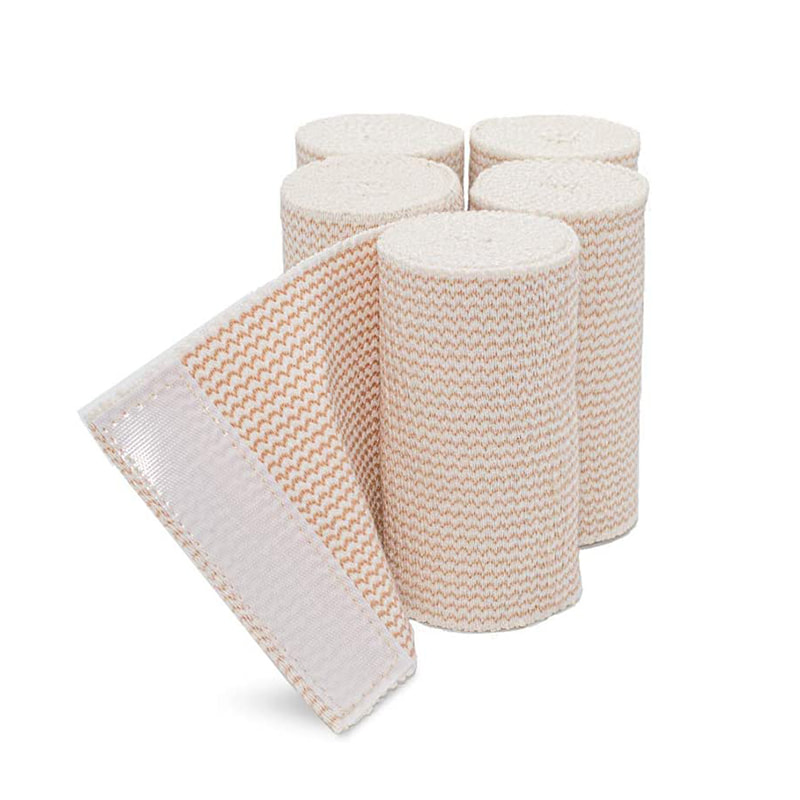
Suzhou Sunmed elastic bandages are produced using high-quality cotton and elastic yarn combinations that deliver reliable stretch, recovery, and durability. The fabric construction is designed to maintain consistent tension throughout the bandage's length — a key requirement for effective compression therapy. Products are available in both latex and latex-free formulations, accommodating the growing clinical demand for hypoallergenic options in patient populations with latex sensitivities.
Key Advantages of Suzhou Sunmed Elastic Bandages
- Consistent elasticity and recovery: Sunmed bandages maintain their stretch and return properties through repeated use, ensuring reliable performance in clinical and sports applications throughout the product's intended lifespan.
- Breathable fabric construction: The open weave design promotes air circulation to the skin beneath the bandage, reducing the risk of skin maceration and discomfort during extended wear.
- Wide size range: Available across the full spectrum of clinical widths and lengths, enabling procurement teams to source a complete elastic bandage range from a single reliable supplier.
- Reusable and washable options: Select Sunmed elastic bandage products are designed for multiple uses, with fabric integrity maintained through repeated washing cycles — providing cost efficiency for facilities with high bandage consumption.
- Export-ready documentation: Sunmed supports international distribution with product certifications and regulatory documentation aligned to the requirements of major export markets, simplifying procurement for global healthcare distributors.
For healthcare procurement managers, hospital supply teams, and international distributors seeking a dependable elastic bandage manufacturer, Suzhou Sunmed combines manufacturing expertise, product breadth, and a commitment to long-term supply partnerships. Their focus on quality consistency across production batches makes them a practical choice for organizations where bandage performance directly impacts patient outcomes and clinical efficiency.
Care, Reuse, and When to Replace an Elastic Bandage
Unlike single-use sterile dressings, many elastic bandages are designed for repeated use when properly maintained. Understanding how to care for and assess elastic bandages helps extend their functional life and ensures they continue to deliver appropriate compression and support.
- Hand washing is preferred: Wash elastic bandages in lukewarm water with mild detergent. Avoid hot water, bleach, or harsh chemicals that degrade elastic fibers and reduce stretch recovery over time.
- Air dry naturally: Do not wring or tumble dry elastic bandages. Lay flat or hang to air dry, as heat from dryers accelerates elastic fiber breakdown and shortens the product's usable life.
- Roll after drying: Always roll the bandage neatly after washing and drying so it is ready for immediate application next time. Storing it unrolled increases the risk of tangling or uneven stretch distribution.
- Replace when elasticity is lost: A bandage that no longer returns to its original length after stretching, or that feels thin and worn, should be discarded. An elastic bandage that has lost its recovery properties cannot deliver consistent compression and provides inadequate therapeutic benefit.
- Never reuse on infected wounds: If an elastic bandage has been used to secure dressings over an infected or exuding wound, it must be disposed of rather than laundered and reused, regardless of its physical condition.

 English
 Español
 русский
 Français
 Deutsch
 italiano
 By Admin