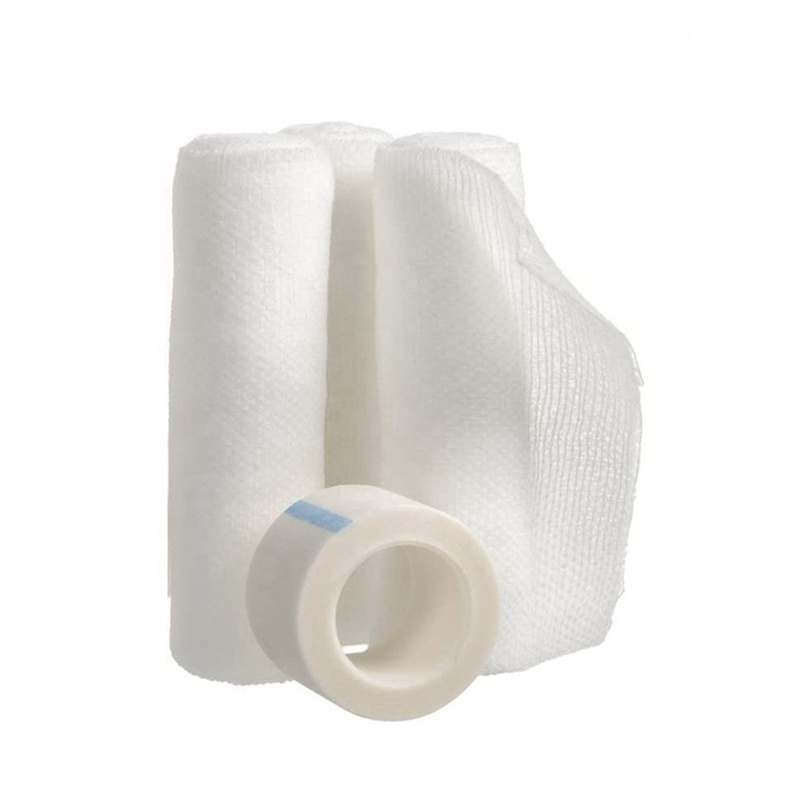
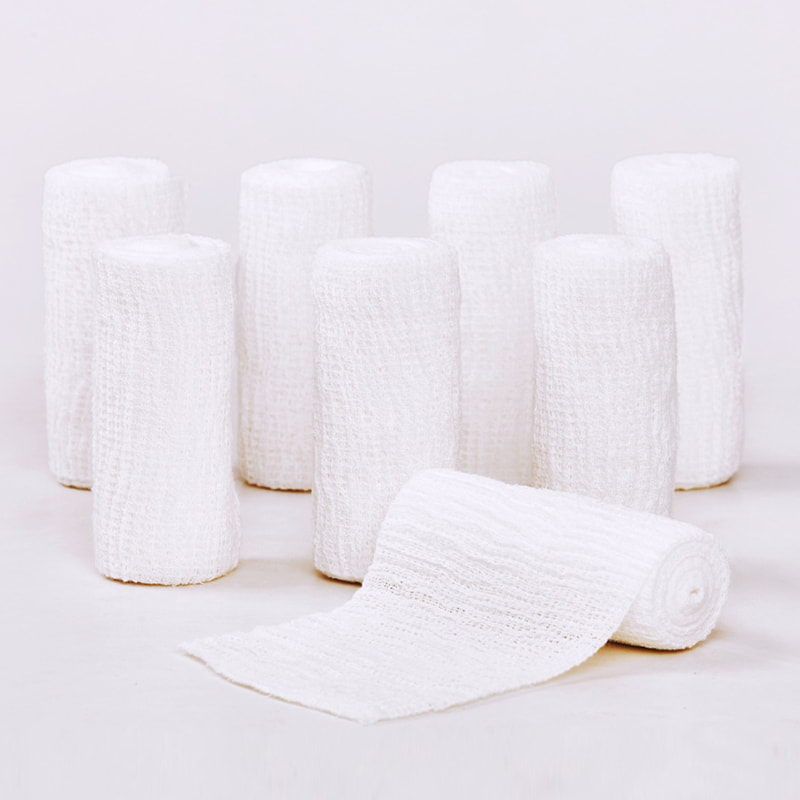
PBT bandages, made from polybutylene terephthalate elastic fabric, have become a preferred choice for orthopedic support, sports strapping, and general wound fixation because of their high elasticity, breathability, and durability under repeated stretching. For distributors, hospital procurement teams, and private-label healthcare brands, sourcing PBT bandages requires more than comparing unit prices — it involves evaluating elasticity retention, edge finishing, sterilization compatibility, and manufacturing consistency.
Understanding PBT Bandages and Their Role in Medical Supply Chains
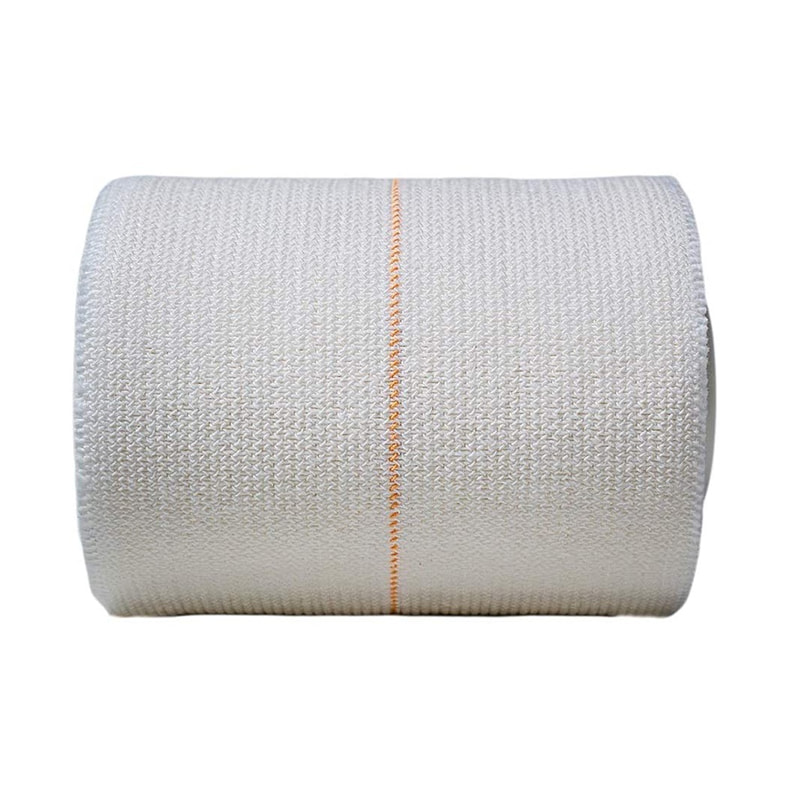
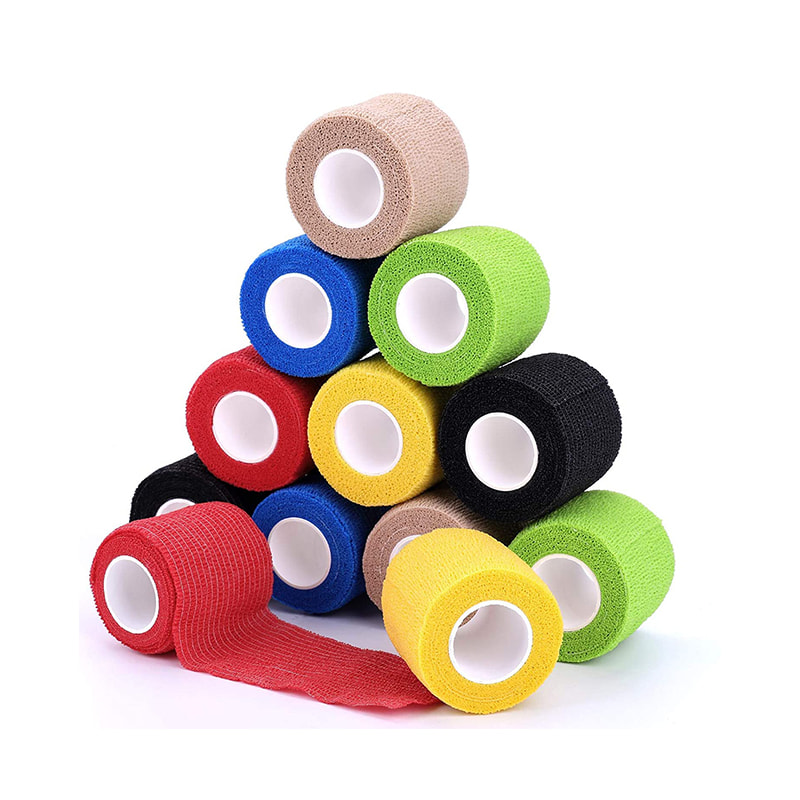
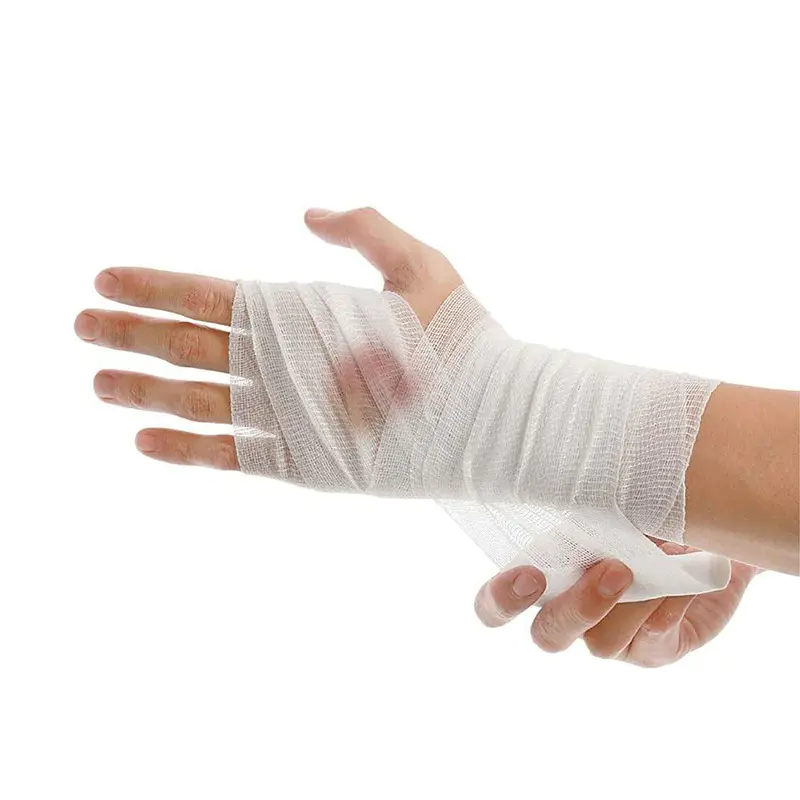
PBT elastic bandages differ from standard cotton crepe bandages in that they retain their stretch and shape over extended use, resist fraying at the edges, and maintain consistent compression even after repeated washing or stretching cycles. These properties make them especially popular for orthopedic bracing, sports medicine applications, and post-surgical compression wraps, where consistent pressure and durability matter more than single-use disposability.
Because PBT bandages are often reused by patients or athletic trainers over multiple applications, manufacturing quality has a direct impact on product lifespan and customer satisfaction. A bandage that loses elasticity after a few uses creates returns and complaints, which is why B2B buyers should treat elasticity retention testing as a core evaluation criterion rather than an assumed given.
What Sets Suzhou Sunmed PBT Bandage Apart for B2B Buyers
Suzhou Sunmed PBT Bandage manufactures elastic bandages specifically for distributors, medical device companies, and healthcare brands that require dependable performance at scale. For procurement teams, the key differentiators typically fall into three areas: material consistency, regulatory documentation, and order flexibility.
Elasticity and Fabric Consistency
Consistent knitting tension during fabric production determines whether a PBT bandage maintains uniform stretch across its entire length. Manufacturers with tightly controlled knitting and finishing processes reduce the risk of weak spots or uneven compression, which is critical for orthopedic and sports medicine applications where uneven pressure can affect treatment outcomes.
Regulatory and Export Documentation
Buyers importing PBT bandages into regulated markets need manufacturers that can supply ISO 13485 certification, CE marking documentation, and material safety data sheets. This documentation is essential not only for customs clearance but also for the buyer's own regulatory filings when reselling to hospitals, pharmacies, or medical device distributors.
Common PBT Bandage Specifications for Bulk Orders
Distributors typically request PBT bandages in a range of widths and roll lengths depending on the end application. The table below summarizes common specifications and their typical use cases in B2B distribution.
| Width |
Roll Length |
Typical Application |
| 5cm |
4.5m stretched |
Finger and wrist support |
| 7.5cm |
4.5m stretched |
Ankle and elbow bracing |
| 10cm |
4.5m stretched |
Knee and general limb support |
| 15cm |
4.5m stretched |
Post-surgical compression, large muscle groups |
Confirming exact width and length specifications with a manufacturer before ordering helps distributors avoid mismatched inventory that does not align with customer demand in their target market.
Evaluating a Manufacturer's Production Reliability
Recurring bulk orders require a manufacturer with sufficient knitting, dyeing, and packaging capacity to maintain consistent lead times. Buyers should assess the following factors before finalizing a supply agreement:
- In-house knitting and finishing capacity versus reliance on subcontracted production
- Documented elasticity and tensile strength testing for each production batch
- Availability of ISO 13485 and CE certification for regulated market entry
- Flexibility to support private-label packaging and custom roll specifications
- Realistic lead times for both trial orders and recurring bulk shipments
- Clear procedures for handling quality disputes or non-conforming shipments
Manufacturers that can provide test reports and batch records upon request generally offer greater transparency and reduce the buyer's risk when scaling order volumes over time.
Private Label and OEM Opportunities for Distributors
Healthcare brands and sports medicine distributors often prefer PBT bandages under their own packaging rather than generic labeling. A manufacturer offering OEM and ODM services can customize color, packaging design, width options, and even fabric tension to match specific brand requirements or regional market preferences. This is particularly valuable for buyers expanding into sports retail or physical therapy clinic channels, where branded packaging influences purchasing decisions at the point of sale.
Starting with a smaller custom order allows buyers to validate both the product's performance and the manufacturer's ability to execute custom specifications accurately before committing to larger production runs.
Building a Dependable Long-Term Sourcing Relationship
Because PBT bandages are a recurring-purchase product across orthopedic, sports medicine, and hospital supply channels, the most successful sourcing relationships are built on consistency rather than isolated transactions. Working with a manufacturer such as Suzhou Sunmed PBT Bandage that maintains stable production quality and transparent communication allows distributors to plan inventory with confidence and respond to demand fluctuations without supply disruptions.
Before committing to full-scale orders, buyers should request product samples, independently verify certification documents, and place a smaller trial shipment to confirm both quality and delivery reliability. This approach reduces sourcing risk while laying the groundwork for a long-term, scalable manufacturing partnership.

 English
 Español
 русский
 Français
 Deutsch
 italiano
 By Admin