Adhesive bandages are among the most frequently reordered products in the medical consumables supply chain, sold across hospitals, pharmacies, retail stores, and industrial first aid programs. For distributors and private-label brands, sourcing adhesive bandages profitably and reliably requires evaluating far more than sticker price. Adhesive quality, pad absorbency, packaging efficiency, and manufacturing consistency all directly affect resale performance and customer retention.
Why Adhesive Bandage Sourcing Requires More Than Price Comparison
Adhesive bandages appear simple, but their performance depends on a combination of factors that are not always visible from a product photo or spec sheet. Adhesive tack must be strong enough to stay in place during daily activity, yet gentle enough to remove without damaging skin. The absorbent pad must wick moisture effectively without adhering to the wound. The backing material must be breathable to reduce the risk of skin maceration during extended wear.
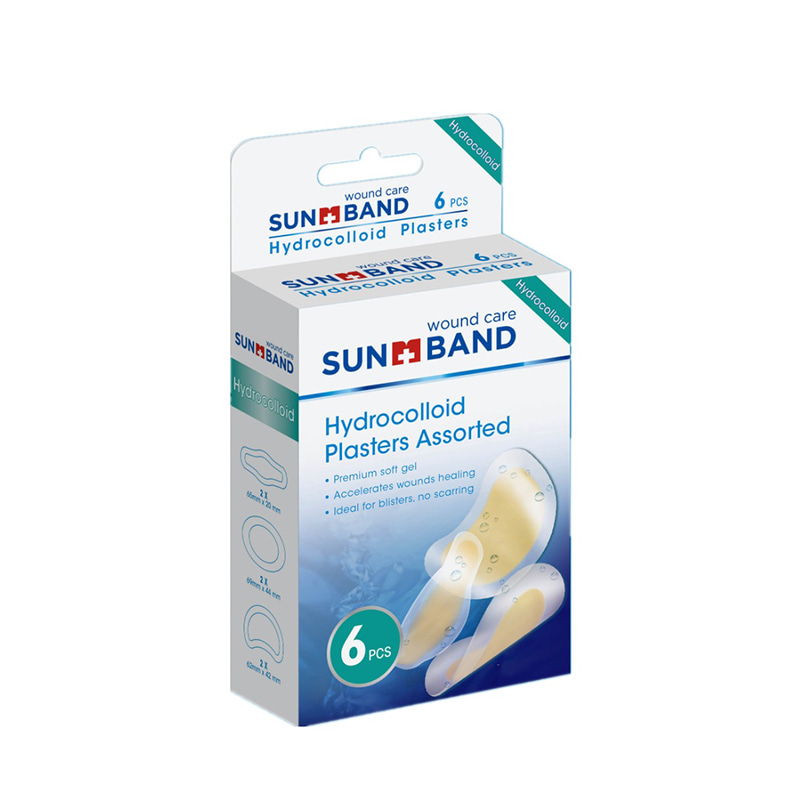
Because adhesive bandages are typically purchased in high volumes and reordered frequently, even small quality inconsistencies compound quickly across large shipments. A batch with slightly reduced adhesive strength can generate customer complaints across thousands of units, making manufacturing consistency one of the most important criteria for B2B buyers to evaluate before committing to a supplier.
How Suzhou Sunmed Adhesive Bandages Supports B2B Buyers
Suzhou Sunmed Adhesive Bandages manufactures adhesive bandages for distributors, pharmacy chains, and private-label healthcare brands that require dependable quality at production scale. For procurement teams, the practical value of working with a specialized manufacturer generally comes down to three areas: production control, documentation readiness, and customization support.
Controlled Production for Batch Consistency
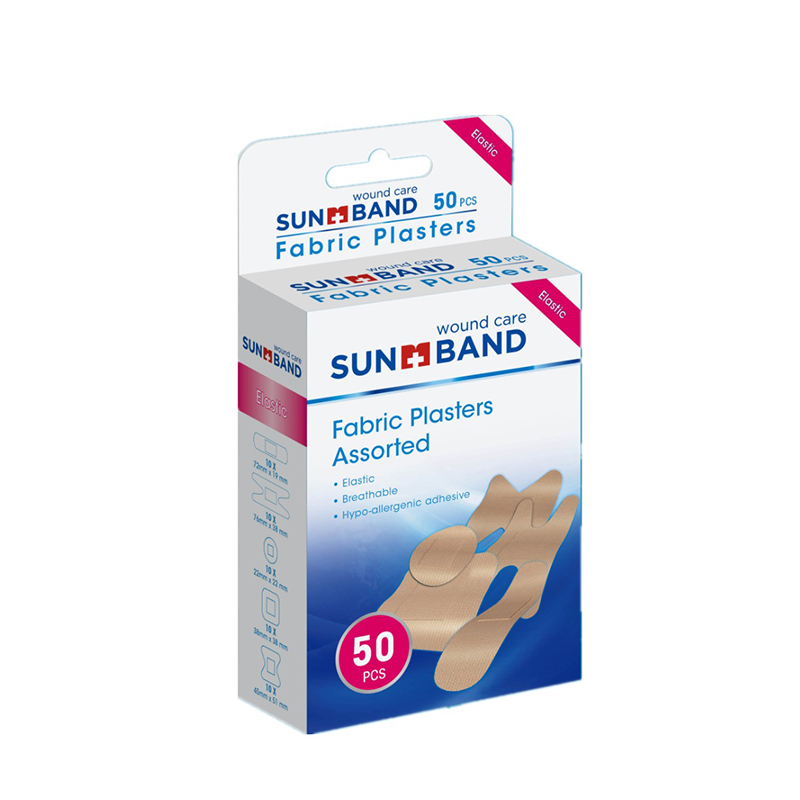
Manufacturers with in-house coating, die-cutting, and packaging lines are better positioned to maintain consistency across large production runs. Automated pad placement and adhesive coating reduce the variability that often occurs when production is split across multiple subcontracted facilities, which is a common risk when sourcing from trading companies rather than direct manufacturers.
Documentation for Regulated Market Entry
Distributors importing adhesive bandages into regulated markets need access to ISO 13485 certification, CE marking documentation, and material composition data. Having this documentation available before order placement reduces the risk of customs delays and supports the buyer's own compliance filings when reselling to hospitals, pharmacies, or retail chains.
Common Adhesive Bandage Types for B2B Distribution
Distributors typically stock multiple adhesive bandage formats to serve different customer segments. The table below outlines common types and their typical distribution channels.
| Bandage Type |
Material |
Typical Channel |
| Fabric Strips |
Elastic woven cloth |
Pharmacy retail, first aid kits |
| Plastic Strips |
PE film |
Waterproof retail, outdoor brands |
| Spot Bandages |
Round non-woven pad |
Pediatric retail, clinic supply |
| Knuckle and Fingertip |
Shaped fabric backing |
Industrial first aid, workplace safety kits |
| Bulk Institutional Boxes |
Mixed sizes |
Hospitals, clinics, occupational health |
Matching bandage type to end market helps distributors avoid overstocking formats that do not align with their customers' actual purchasing patterns.
Key Evaluation Criteria Before Placing a Bulk Order
Before finalizing a supply agreement, procurement teams should confirm several operational details with prospective manufacturers to reduce the risk of delivery or quality issues later.
- Availability of ISO 13485 and CE certification documents for independent verification
- Minimum order quantities for trial shipments versus standing production contracts
- Support for private-label packaging, including custom box design and multilingual labeling
- Average production lead time from order confirmation to shipment readiness
- Batch testing records for adhesive strength and pad absorbency
- Clear policy for resolving non-conforming shipments or quality disputes
Manufacturers willing to share this information transparently, backed by documentation rather than verbal assurance, are generally a lower-risk choice for long-term supply agreements.
Private Label and Custom Packaging for Healthcare Brands
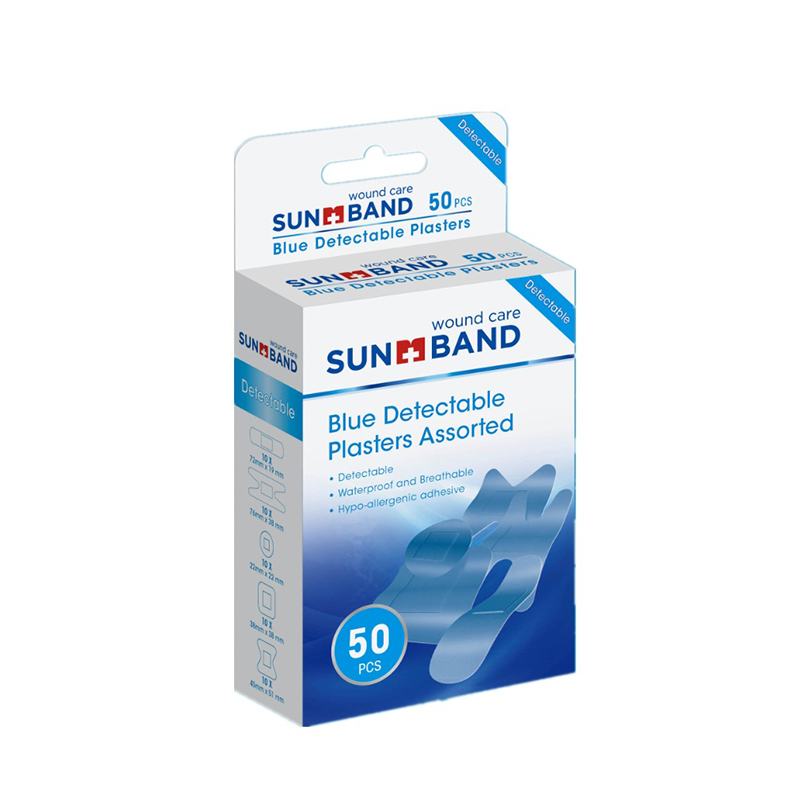
Many pharmacy chains and healthcare brands prefer to sell adhesive bandages under their own label rather than distributing generic product. A manufacturer offering OEM and ODM services can accommodate custom pad sizes, packaging artwork, box counts, and even adhesive formulations tailored for sensitive skin. This flexibility is especially useful for brands entering new retail markets where packaging design and labeling requirements differ from their home region.
Requesting a smaller custom trial run before scaling to full production volume allows buyers to confirm both product quality and the manufacturer's ability to execute custom specifications accurately.
Maintaining a Reliable Long-Term Supply Chain
Because adhesive bandages are a high-frequency reorder product, the strongest supply relationships are built on consistency rather than isolated purchases. Working with a manufacturer such as Suzhou Sunmed Adhesive Bandages that maintains stable pricing, transparent communication, and dependable production scheduling allows distributors to plan inventory confidently and respond to demand shifts without disruption to their own customer commitments.
Before committing to large-volume orders, buyers should request samples, independently verify certification documents, and place a smaller trial shipment to confirm quality and delivery performance. This measured approach reduces sourcing risk while establishing the foundation for a dependable, scalable manufacturing partnership.

 English
 Español
 русский
 Français
 Deutsch
 italiano
 By Admin