Wound plasters are one of the highest-volume products in the medical consumables supply chain, moving through hospitals, pharmacies, and retail channels in massive quantities every year. For distributors, private-label brands, and healthcare procurement teams, selecting the right wound plaster manufacturer is not just a matter of price — it involves evaluating adhesive performance, absorbency, regulatory compliance, and production scalability.
What Defines a Quality Wound Plaster in B2B Sourcing
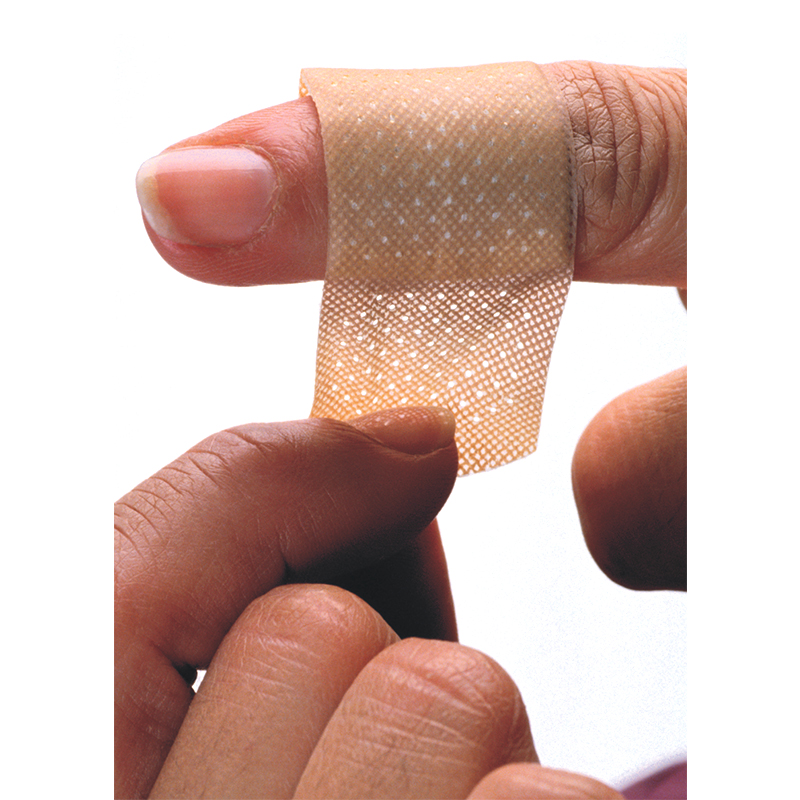
A wound plaster combines an adhesive backing with an absorbent pad, designed to protect minor wounds while allowing the skin to breathe. From a sourcing perspective, the quality of a wound plaster is determined by several measurable factors: adhesive tack and wear time, pad absorbency, breathability of the backing material, and consistency across production batches. Buyers purchasing at scale need assurance that every roll or box meets the same specification, since variability between lots can lead to customer complaints and product returns.
Beyond physical performance, regulatory documentation is equally important. Distributors importing into regulated markets require CE certification, ISO 13485 quality system compliance, and in some cases FDA registration. A manufacturer that cannot provide this documentation upfront often signals higher risk for customs delays or compliance rejections later in the supply chain.
Why B2B Buyers Consider Suzhou Sunmed Wound Plaster
Suzhou Sunmed Wound Plaster operates as a dedicated manufacturer within the medical consumables sector, producing wound plasters for distributors, hospital supply chains, and private-label healthcare brands. For B2B buyers, the appeal typically centers on production consistency, customization flexibility, and export readiness.
Consistent Manufacturing Standards
Large-volume buyers depend on manufacturers with standardized production lines that minimize batch-to-batch variation. This includes controlled coating processes for the adhesive layer, automated die-cutting for uniform pad placement, and in-line quality checks before packaging. These controls reduce the risk of defective units reaching end customers, which is especially important for hospital and pharmacy distribution channels where product recalls carry significant reputational cost.
Scalable Production for Recurring Orders
Wound plasters are a repeat-purchase category, meaning distributors need suppliers capable of fulfilling recurring orders on a predictable schedule. Manufacturers with sufficient coating, cutting, and packaging capacity can support both steady baseline demand and seasonal spikes, such as increased demand during summer months when minor injuries are more common.
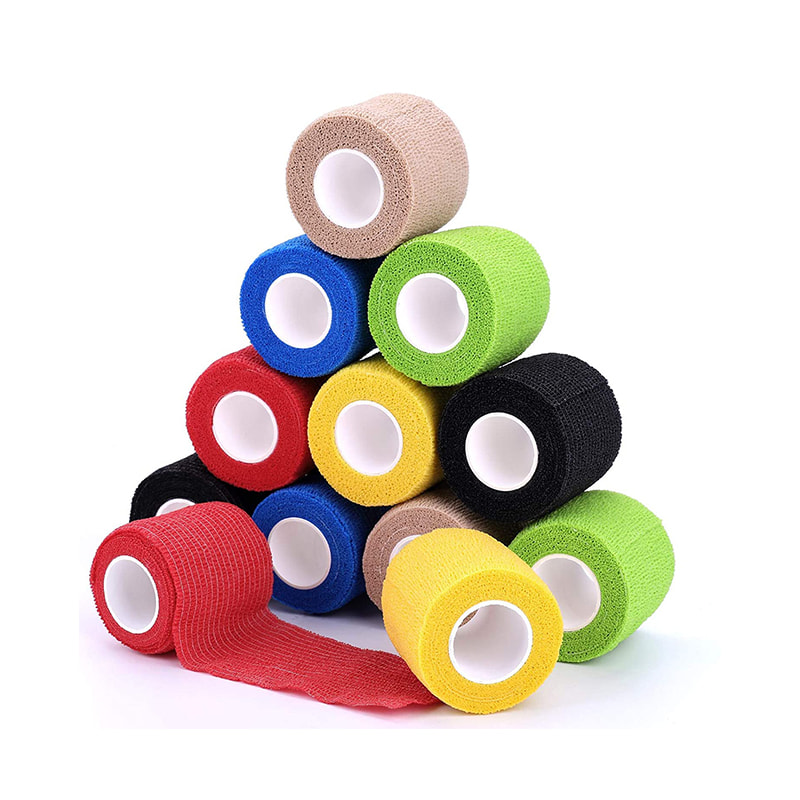
Common Wound Plaster Formats for Distribution
Distributors typically source multiple plaster formats to serve different customer segments, from hospital wards to retail pharmacy shelves. The table below outlines common formats and their typical B2B end markets.
| Format |
Pad Type |
Typical Buyer |
| Strip Plasters |
Non-woven absorbent |
Pharmacy retail, first aid kits |
| Waterproof Plasters |
PE film-backed pad |
Sports brands, outdoor retail |
| Fabric Plasters |
Elastic woven backing |
Flexible-use retail, occupational supply |
| Hospital Bulk Rolls |
Continuous absorbent strip |
Hospitals, clinics, institutional buyers |
Knowing which format aligns with a target market allows distributors to request accurate quotations and avoid ordering products that do not fit their intended sales channel.
Key Questions to Ask Before Placing a Bulk Order
Before committing to a large purchase order, procurement teams should raise specific questions with any prospective wound plaster manufacturer. These questions help surface potential risks before they affect delivery timelines or product quality.
- Can the manufacturer provide current ISO 13485 and CE certification documents for review?
- What is the minimum order quantity for a first trial shipment versus a standing contract?
- Does the factory support private-label packaging and custom branding on plaster wrappers?
- What is the average lead time from purchase order confirmation to shipment readiness?
- How does the manufacturer handle quality disputes or non-conforming batches?
- Is there experience shipping to the buyer's target region, including customs and labeling requirements?
A manufacturer able to answer these questions clearly and with supporting documentation is generally better positioned as a long-term supply partner than one offering vague reassurances.
Private Label and Custom Development Opportunities
Many distributors and healthcare brands prefer to sell wound plasters under their own label rather than as generic product. A manufacturer offering OEM and ODM services allows buyers to customize pad size, backing material, packaging design, and even adhesive formulation for sensitive skin applications. This capability is particularly useful for brands entering new regional markets where consumer packaging expectations or regulatory labeling requirements differ from their home market.
Starting with a smaller custom trial run before scaling to full production volume is a practical way for buyers to validate both product performance and manufacturing reliability without overcommitting resources upfront.
Establishing a Dependable Long-Term Supply Chain
Because wound plasters are a recurring-demand product, the most successful B2B sourcing relationships are built on consistency rather than one-off transactions. Buyers benefit from working with a manufacturer such as Suzhou Sunmed Wound Plaster that can maintain stable pricing, absorb demand fluctuations, and communicate proactively about production schedules or material sourcing changes that could affect delivery.
For teams evaluating a new supplier, the most reliable path forward is to request product samples, verify certification documents independently, and place a smaller trial order before scaling to full-container volumes. This protects the buyer's supply chain continuity while establishing the groundwork for a dependable, long-term manufacturing partnership.

 English
 Español
 русский
 Français
 Deutsch
 italiano
 By Admin