Modern sports support products must do more than simply hold a joint in place. Athletes, therapists, retailers, medical distributors, and private-label brands increasingly expect tapes and wraps to combine comfort, durability, reliable adhesion, skin-friendly materials, professional performance, and attractive customization. Pre-cut sports kinesiology tape answers these market expectations by offering elastic support that moves with the body instead of restricting it. Designed for knees, elbows, shoulders, backs, calves, wrists, and other muscle groups, this tape is suitable for sports training, physical therapy, muscle recovery, pain management support, and injury prevention programs.
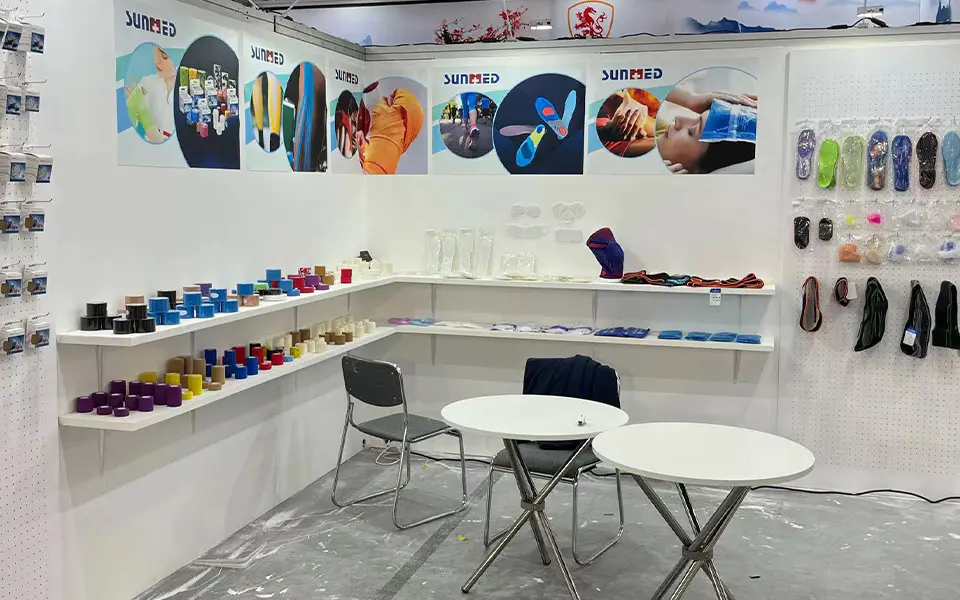
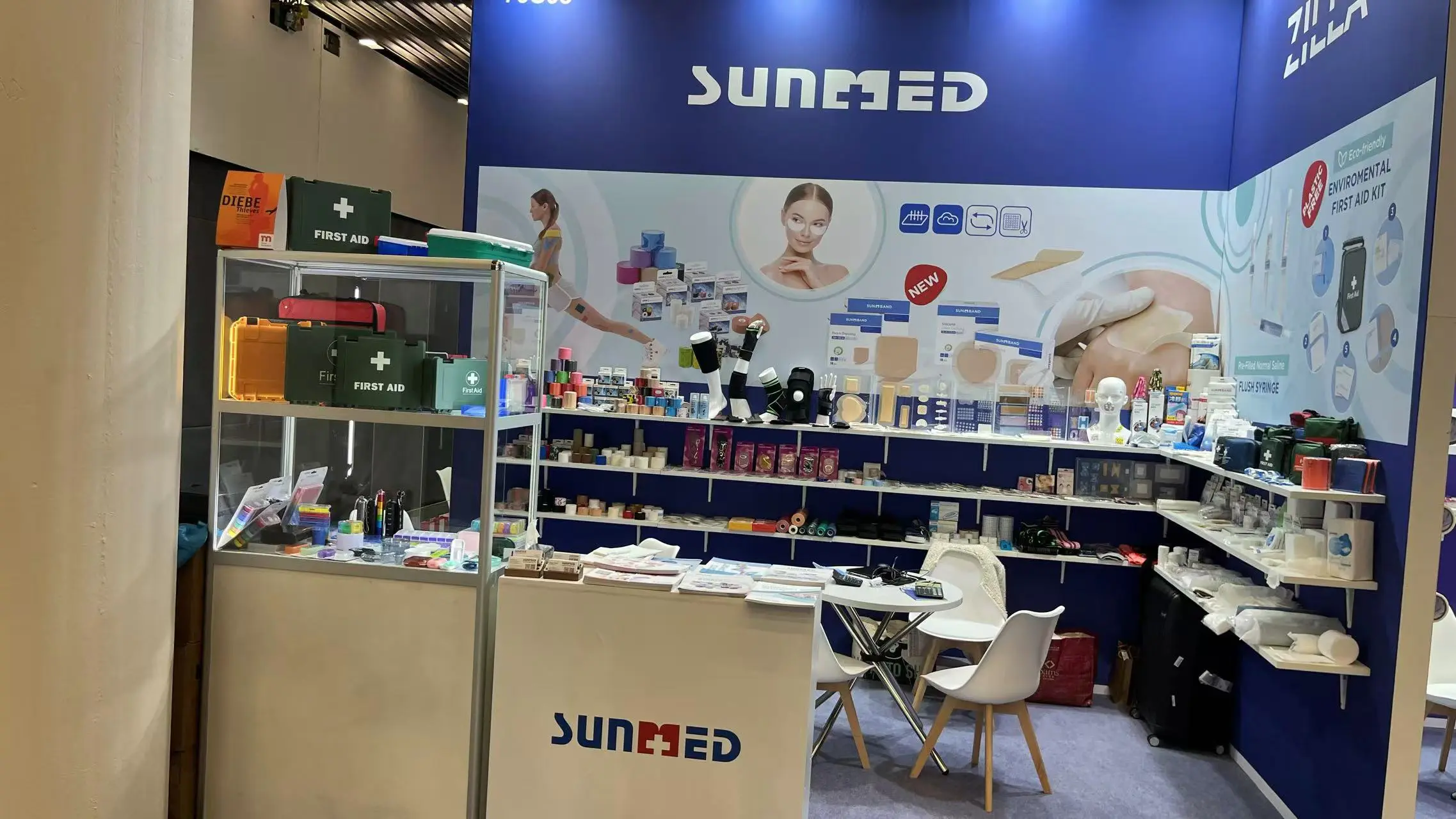
The product discussed in this article is a latex-free, elastic kinesiology tape made from 95% cotton and 5% spandex. It is engineered with a waterproof imported acrylic adhesive, a stretch range of approximately 170% to 180%, and breathable construction for long wear. Available in multiple widths, a standard 5-meter length, 18 color options, and camo designs, it meets the needs of professional healthcare buyers, sports teams, wholesalers, retailers, e-commerce sellers, and private-label brands. The product is manufactured by Suzhou Sunmed Co., Ltd., a medical consumables and healthcare product manufacturer with extensive export experience, quality control capabilities, and international certification support.
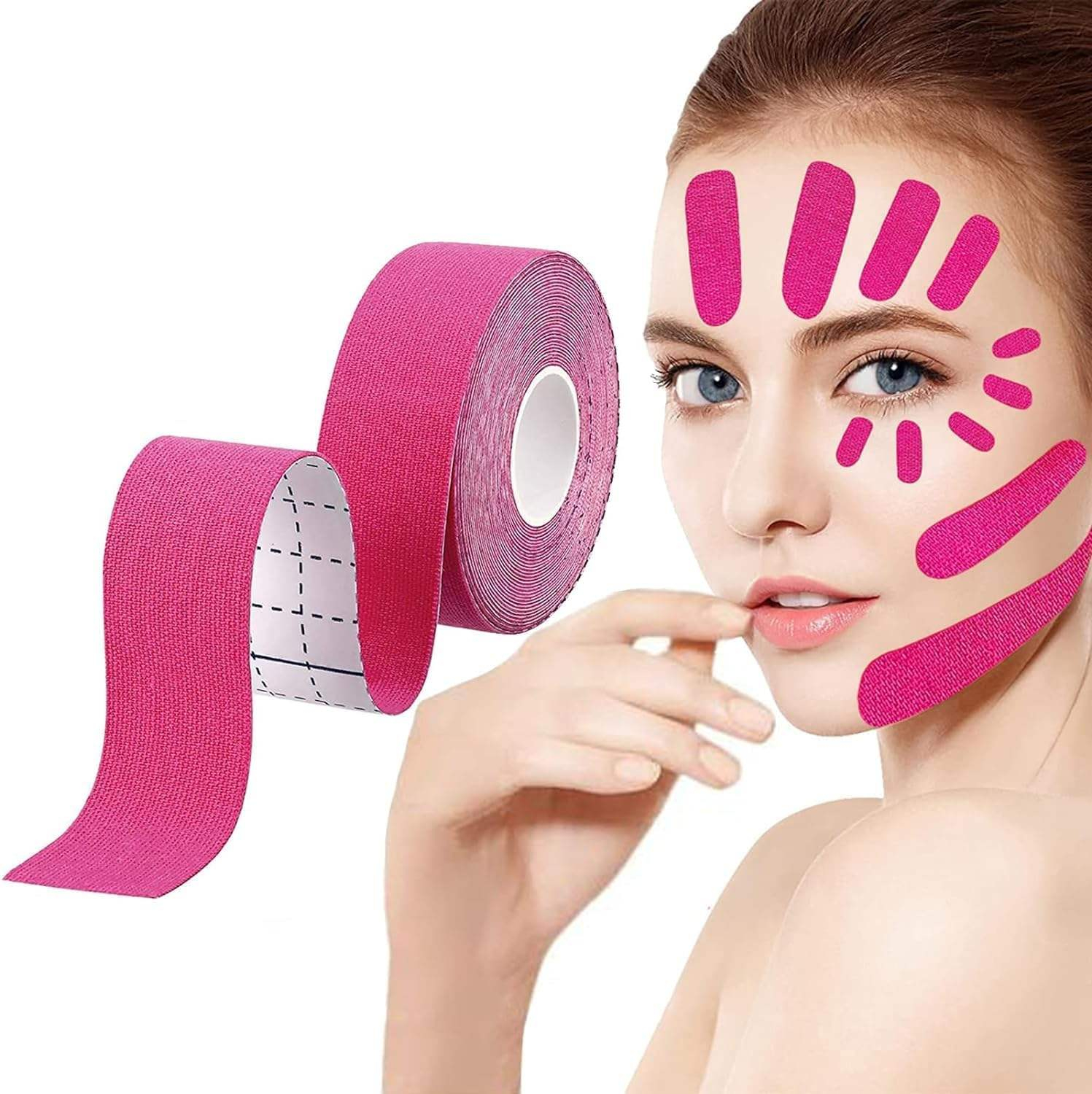
Unlike rigid athletic tape, kinesiology tape is designed to follow the natural movement of the skin and muscles. It can provide gentle lifting, support, and proprioceptive feedback without completely limiting movement. This makes it especially useful for athletes and active users who want support while continuing to train, compete, work, or perform daily activities. Pre-cut designs further improve user convenience because customers can apply the tape faster and more consistently without needing scissors or special cutting skills.
Understanding the Role of Kinesiology Tape in Sports and Rehabilitation
Kinesiology tape has become a widely used support product in sports medicine, rehabilitation therapy, personal care, and athletic training. Its popularity comes from its ability to combine elasticity with adhesion. Traditional medical tapes are often designed for fixation, wound dressing retention, or immobilization. In contrast, kinesiology tape is commonly used to support muscles and joints while preserving functional movement.
When applied correctly, kinesiology tape may help provide sensory feedback to the skin and underlying tissues. This feedback can remind users to maintain better posture, reduce excessive movement patterns, or protect areas that are recovering from strain. It may also assist therapists in supporting targeted muscle groups during rehabilitation exercises. The tape does not replace professional diagnosis or treatment, but it is a practical support tool in many sports and recovery routines.
For knees, the tape can be applied around the patella, along the quadriceps, or around supporting structures to assist stability during running, jumping, or squatting. For elbows, it is commonly used by tennis players, golfers, weightlifters, and workers who experience repetitive arm motions. For shoulders, it can provide support around the deltoid, rotator cuff region, or upper back to encourage more controlled movement. For calves, ankles, wrists, and lower back areas, the tape can also support movement during training and recovery.
The value of a high-quality kinesiology tape depends on several performance factors: elasticity, fabric softness, adhesive reliability, breathability, water resistance, skin compatibility, and ease of application. Poor-quality tapes may peel quickly, irritate the skin, restrict motion, fray at the edges, or lose adhesion after sweating. A premium product must address these problems through careful material selection and controlled manufacturing.
Product Overview: Pre-Cut Elastic Kinesiology Tape
This pre-cut sports kinesiology tape is designed for users who need elastic support without sacrificing comfort. Made from 95% cotton and 5% spandex, it offers a balanced combination of natural softness and engineered stretch. The cotton component helps make the tape breathable and comfortable, while the spandex component gives it flexibility and resilience. This material composition is one of the product’s strongest advantages because it closely matches the movement demands of sports and therapy applications.
The tape uses imported acrylic glue that is latex-free, waterproof, lightweight, and suitable for different skin types. Latex-free construction is especially important for modern medical and retail markets because many buyers want products that reduce the risk of latex-related sensitivity. The adhesive is designed to remain reliable during sweat, activity, and light water exposure, making the tape suitable for athletic use, rehabilitation exercises, and extended daily wear.
The elasticity range of 170% to 180% allows the tape to imitate the natural stretch of skin. This is essential because kinesiology tape should not feel like a rigid bandage. It should stretch, recover, and remain stable as the user bends, runs, lifts, reaches, or performs therapy movements. This elasticity helps maintain support while reducing pulling discomfort.
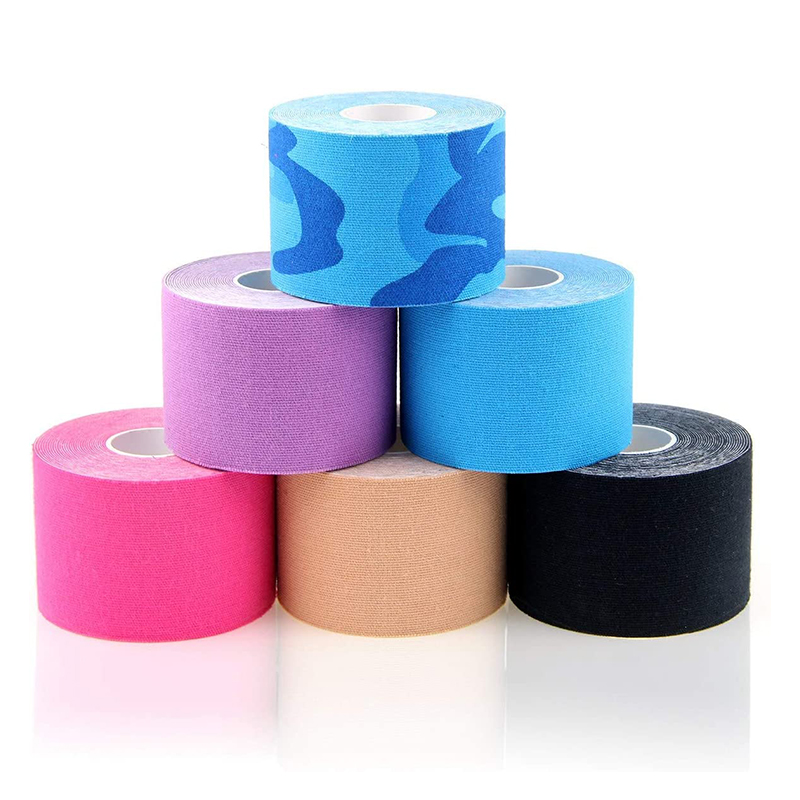
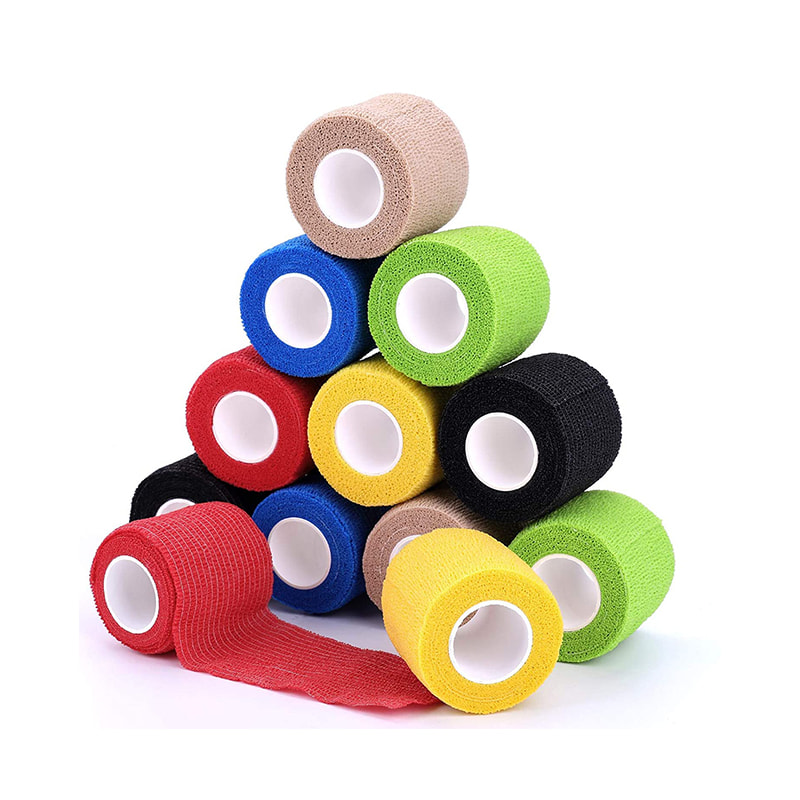
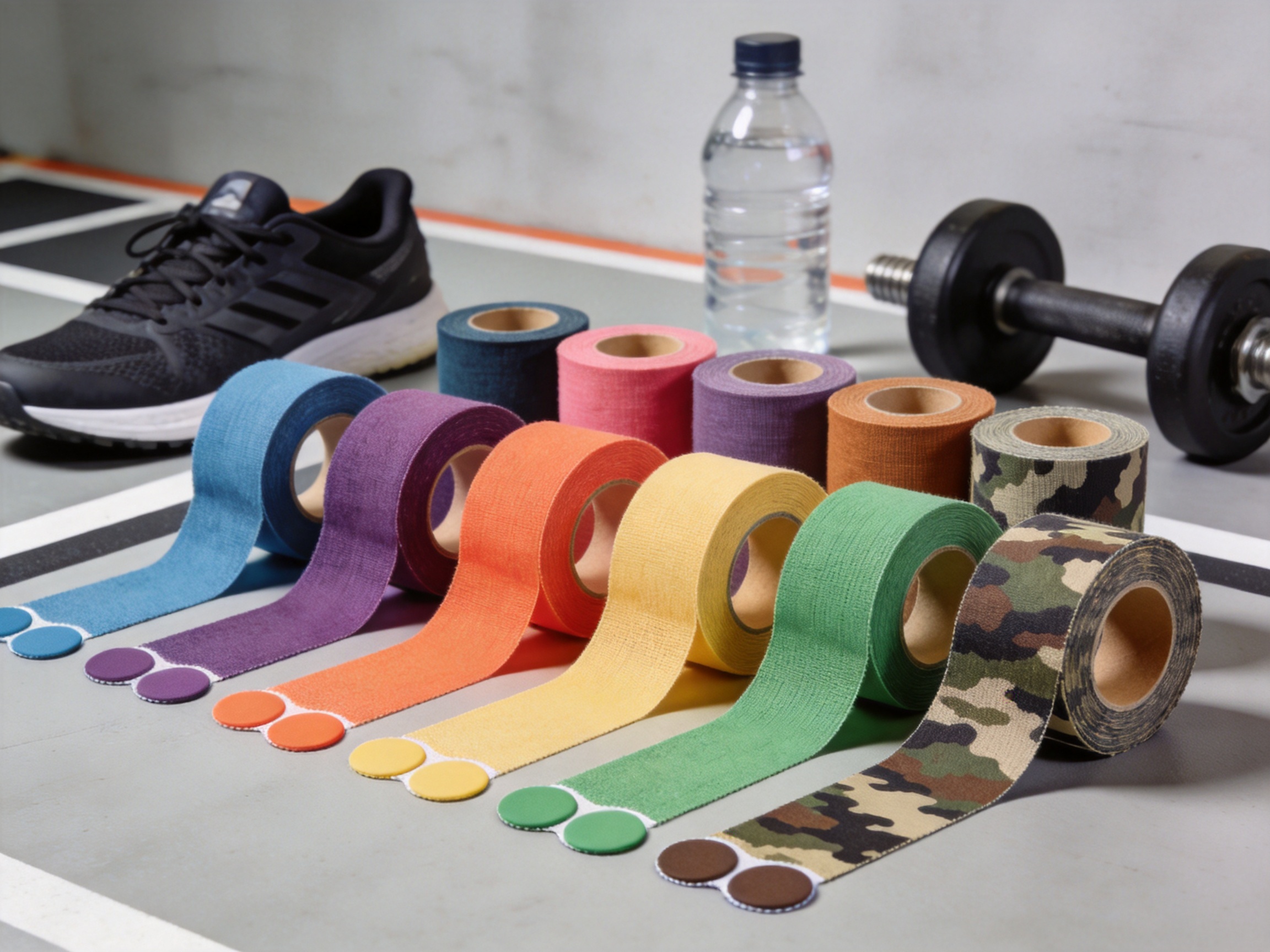
The product is available in widths of 2.5 cm, 3.8 cm, 5 cm, 7.5 cm, and 10 cm, with a standard length of 5 meters. These size options allow buyers to select versions for small joints, general sports use, large muscle groups, or specialized therapy applications. The wide color range, including 18 colors and 6 camo options, supports both functional and lifestyle markets. Sports teams may select matching colors, retailers may develop visually appealing shelf displays, and private-label brands may design unique product lines.
Key Technical Specifications
| Feature |
Specification |
Buyer Benefit |
| Product Type |
Pre-cut sports kinesiology tape |
Convenient application for athletes, therapists, and consumers |
| Material |
95% cotton and 5% spandex |
Soft, breathable, elastic, and comfortable for prolonged wear |
| Adhesive |
Imported acrylic glue |
Strong adhesion, waterproof performance, and latex-free safety |
| Elasticity |
Approximately 170% to 180% |
Supports natural movement without rigid restriction |
| Available Widths |
2.5 cm, 3.8 cm, 5 cm, 7.5 cm, 10 cm |
Suitable for different body areas and application methods |
| Standard Length |
5 meters |
Flexible for retail, clinical, and sports use |
| Color Options |
18 colors, including 6 camo options |
Supports consumer preference, team use, and private-label branding |
| Latex Status |
Latex-free |
Suitable for markets requiring reduced latex sensitivity risk |
| Certifications |
ISO13485, FDA, CE MDR |
Supports international quality and regulatory expectations |
| Customization |
Logo, packaging, size, color, and OEM options |
Ideal for wholesalers, retailers, and private-label brands |
Material Advantage: 95% Cotton and 5% Spandex
The fabric base is central to the tape’s comfort and performance. Cotton is widely valued in healthcare and personal care products because it is soft, breathable, and familiar to users. In kinesiology tape, cotton helps reduce the heavy, plastic-like feeling that can occur with lower-grade synthetic tapes. Breathability is especially important for athletes because sweat and heat can accumulate during exercise. A breathable cotton-rich tape helps improve comfort during long training sessions or extended wear.
Spandex adds controlled stretch and recovery. Without spandex, the tape would not provide the same dynamic support. The 5% spandex content gives the tape the ability to stretch with the user’s body and return toward its original shape. This balance helps create the desired lifting and support effect while preventing the tape from feeling overly tight or restrictive.
Compared with cheaper tapes that may use inconsistent fabric construction, a well-balanced cotton-spandex blend provides a more stable user experience. It supports repeatable application, predictable stretch, and dependable comfort. For healthcare buyers, this consistency is important because therapists need products that perform reliably from roll to roll. For retail customers, consistency reduces complaints and improves repeat purchases.
The fabric also contributes to edge stability. Kinesiology tape must resist fraying or curling during movement. If the fabric quality is poor, edges may lift quickly, especially around joints. A high-quality cotton-spandex base helps maintain the tape’s shape and appearance during use, increasing customer satisfaction and perceived value.
Adhesive Advantage: Waterproof, Latex-Free Acrylic Glue
Adhesion is one of the most important performance differences between premium kinesiology tape and low-cost alternatives. A tape may have good elasticity, attractive colors, and soft fabric, but if it peels after a short time, it fails its purpose. This product uses imported acrylic glue designed to provide reliable adhesion during sports, therapy, and daily activities.
Acrylic adhesive is commonly selected for medical and sports tapes because it can offer a balance of skin compatibility and holding power. The latex-free formulation is a major advantage for markets where safety and user comfort are priorities. Latex sensitivity is a recognized concern, and many hospitals, clinics, sports organizations, retailers, and online sellers prefer latex-free products to serve a broader consumer base.
Waterproof performance further improves practicality. Athletes sweat, users shower, and rehabilitation patients may need support during regular daily routines. A waterproof adhesive helps the tape remain in place under moisture exposure. While users should still follow application instructions and allow the adhesive to bond properly, waterproof performance can significantly enhance user confidence.
The adhesive is also designed to be lightweight. Heavy adhesive layers can reduce breathability, increase skin discomfort, and make removal unpleasant. A controlled acrylic adhesive layer helps the tape stay secure without making it feel thick or stiff. This is particularly important for applications on sensitive or high-motion areas such as shoulders, elbows, and knees.
Elasticity Advantage: Designed to Move Like Skin
The tape’s stretch range of approximately 170% to 180% is a key technical feature. Kinesiology tape is not intended to immobilize the body like rigid strapping tape. Instead, it is meant to support movement. A stretch profile that resembles the natural elasticity of skin helps the tape feel more comfortable and functional.
When applied with appropriate tension, the tape can move with muscles and joints. This reduces the pulling sensation that may occur with tapes that are too stiff. It also helps the tape remain attached during bending, twisting, lifting, or running. For athletes, this movement compatibility is essential. A tape that limits range of motion may interfere with performance, while a tape that moves naturally can provide support without distracting the user.
For physical therapy and rehabilitation, controlled elasticity can help therapists create different application effects. Lower tension may be used for gentle support, while moderate tension may be used for targeted muscle or joint guidance. Because the tape is elastic, it can be adapted to various techniques and body areas. This flexibility makes it a useful product for clinics, sports teams, and personal care customers.
Compared with competitor products that stretch inconsistently or lose elasticity quickly, a well-manufactured tape with stable stretch properties offers more professional results. The user can apply the tape with greater confidence, and buyers can promote the product as a dependable support solution.
Pre-Cut Convenience: Faster, Cleaner, and More Consumer-Friendly
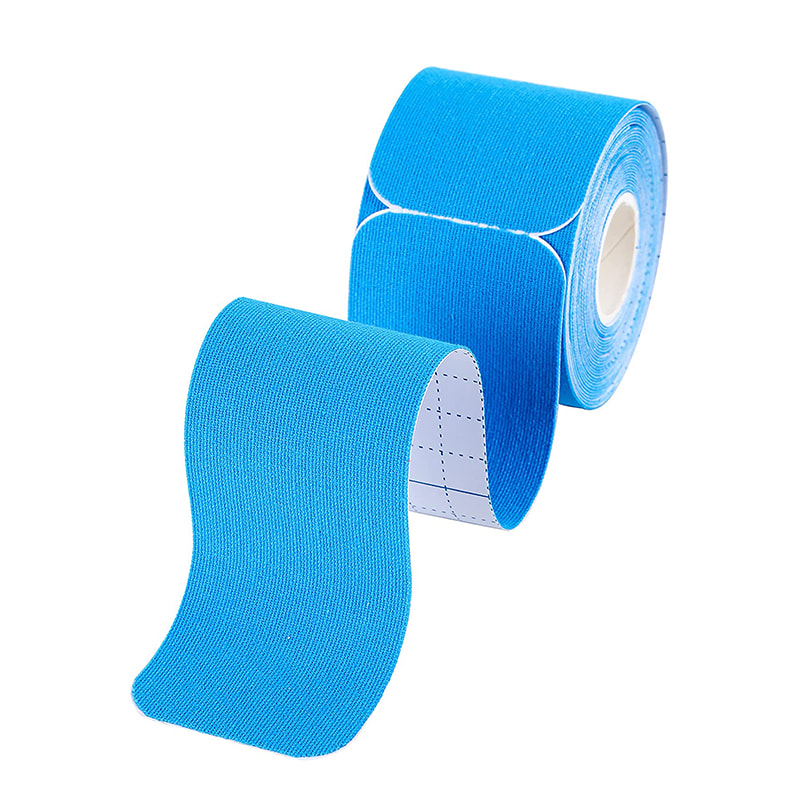
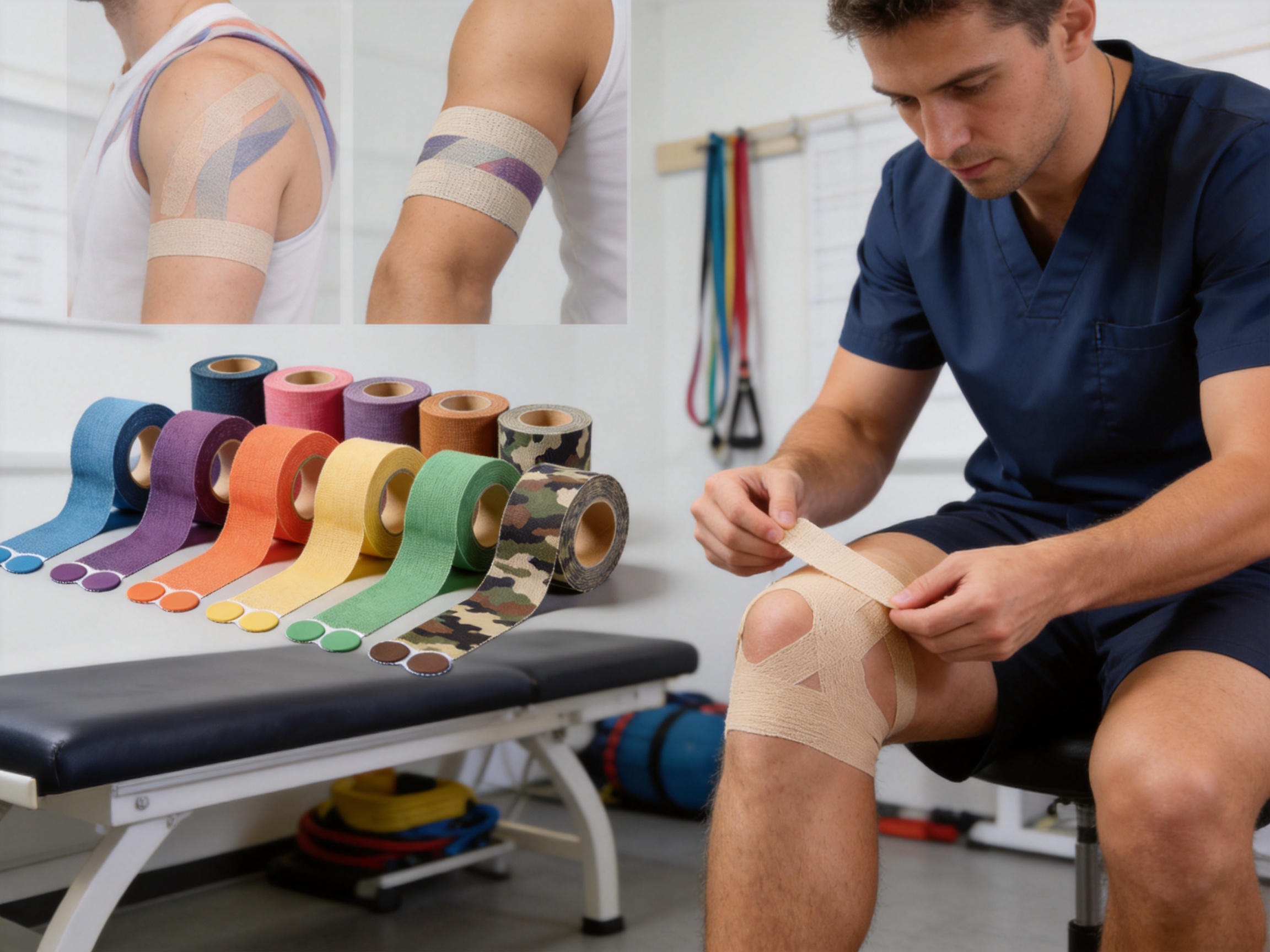
Pre-cut kinesiology tape offers important advantages over traditional rolls that require users to measure and cut each strip. For professional therapists, pre-cut strips save preparation time during busy treatment sessions. For athletes, they simplify use before training or competition. For consumers, they reduce errors and improve the overall application experience.
Cutting tape manually can create uneven ends, sharp corners, or inconsistent strip lengths. Rounded edges and consistent shapes are important because they help reduce peeling. Pre-cut formats can be designed to improve edge stability and appearance. This makes the tape more user-friendly, especially for people who are new to kinesiology tape.
Convenience also improves retail appeal. Consumers often prefer products that are easy to understand and ready to use. A pre-cut design can be packaged with clear instructions and application diagrams, making it suitable for sports stores, pharmacies, supermarkets, online platforms, and first aid kits. For e-commerce sellers, convenience is a strong selling point because it can reduce negative reviews from customers who struggle with manual cutting.
Pre-cut products also support consistent branding. Private-label brands can develop standardized retail packs for specific body areas, such as knee support packs, shoulder support packs, elbow support packs, or general sports recovery packs. This creates opportunities for product line expansion and better shelf segmentation.
Applications for Knee, Elbow, Shoulder, and Muscle Support
The tape is suitable for a wide variety of body areas and use cases. For knee support, it may be applied around the patella or along the quadriceps and supporting muscles. Runners, basketball players, volleyball players, hikers, and gym users often need knee support because the joint absorbs significant force during movement. Elastic kinesiology tape can help provide support without the bulk of a brace.
For elbow support, the tape is commonly used in sports and occupational settings. Tennis, golf, climbing, weight training, and repetitive work tasks can place stress on the elbow and forearm muscles. Kinesiology tape can provide a flexible support option that does not interfere with hand function.
For shoulder support, the tape can assist with posture awareness and muscle support around the deltoid, upper back, and rotator cuff area. The shoulder has a large range of motion, so rigid support can be uncomfortable. Elastic tape is useful because it can follow shoulder movement during reaching, throwing, swimming, lifting, and rehabilitation exercises.
For general muscle recovery, the tape may be used on the calves, thighs, lower back, neck, wrists, ankles, or other areas where flexible support is desired. It is commonly used by runners, cyclists, football players, dancers, martial artists, gym members, and everyday users who need temporary support during movement.
In clinical settings, therapists may use kinesiology tape as part of a broader recovery program that includes evaluation, stretching, strengthening, manual therapy, and activity modification. In consumer markets, users may apply it for comfort and support during daily tasks. The product’s broad application range makes it valuable for distributors and retailers because one product can serve multiple customer groups.
Advantages Over Competitor Products
One of the strongest competitive advantages of this kinesiology tape is its balanced combination of material quality, adhesive performance, elasticity, customization, certification, and manufacturing capacity. Many competitor products may offer one or two of these strengths, but not all in one package. For bulk buyers, the ability to source a reliable, customizable, certified, and scalable product from a direct manufacturer is a major advantage.
Compared with low-cost tapes that use inferior fabric, this product provides a cotton-rich base with spandex elasticity. This helps improve comfort and long-term wearability. Users are less likely to complain about stiffness, poor breathability, or uncomfortable texture. In competitive retail categories, user comfort directly affects repeat sales.
Compared with tapes that use weak or inconsistent adhesive, this product uses imported acrylic glue with waterproof and latex-free properties. Adhesive consistency is especially important because peeling is one of the most common complaints in kinesiology tape reviews. A strong adhesive helps the product remain effective during sweat and movement.
Compared with rigid athletic tapes, this kinesiology tape provides flexible support rather than immobilization. That makes it suitable for performance-oriented users who need to move freely. It is also more suitable for long-term wear than many rigid tapes, which can feel restrictive or uncomfortable.
Compared with brands that offer limited color or packaging options, this product offers a wide color range and OEM customization. Retail and private-label buyers can differentiate their products through design, packaging, size selection, and branding. This is important because many markets are crowded, and visual identity helps products stand out.
Compared with suppliers that cannot handle large-volume orders, the manufacturer offers a minimum order quantity suitable for professional procurement and a large daily supply capacity. This gives importers, wholesalers, and retail chains greater confidence in continuity of supply. In medical and sports product distribution, stable supply can be just as important as product quality.
Manufacturing Strength: Direct Factory Control
Direct manufacturing is a major advantage for buyers who need cost control, consistent quality, and flexible customization. Suzhou Sunmed Co., Ltd. operates with deep experience in medical consumables, first aid products, sports bandages, and healthcare supplies. The company has production bases in Jiangsu, Zhejiang, and Anhui Province, allowing it to support different product lines and supply requirements.
Direct factory control helps reduce unnecessary trading layers. This can lead to more competitive pricing, clearer communication, and better production coordination. For buyers placing bulk orders, these factors can significantly improve procurement efficiency. Instead of relying on uncertain supply chains, customers can work with a manufacturing partner that understands product engineering, quality management, packaging requirements, and export documentation.
The company’s background in medical consumables is especially relevant. Kinesiology tape is often sold in sports and consumer markets, but it still requires quality standards similar to medical and healthcare products. Experience with gauze, bandages, medical tape, cotton products, first aid supplies, syringes, catheters, and surgical consumables helps build a manufacturing culture focused on hygiene, consistency, material control, and compliance.
In 2021, the company established its own factory for kinesiology tape, cohesive bandages, and elastic adhesive bandages. This development demonstrates investment in sports support and family healthcare product categories. Having dedicated production capability for kinesiology tape allows better control over fabric selection, adhesive coating, slitting, cutting, packaging, and inspection.
Advanced Manufacturing Process
The manufacturing process for high-quality kinesiology tape requires more than simple cutting and packaging. It involves controlled material sourcing, fabric inspection, adhesive preparation, coating, drying or curing, slitting, pre-cutting, rolling, packaging, and quality inspection. Each stage affects the final performance of the tape.
The process begins with material selection. Cotton and spandex must meet required standards for softness, elasticity, and durability. Fabric quality affects stretch, breathability, comfort, and adhesive bonding. The supplier must ensure that the fabric is uniform and free from defects that could cause tearing or inconsistent stretch.
Adhesive preparation is another key stage. The imported acrylic glue must be applied in a controlled pattern and thickness. Too little adhesive can lead to peeling; too much adhesive can reduce breathability and make removal uncomfortable. A professional coating process ensures the right balance between adhesion and comfort.
After coating, the tape material must be dried or cured under controlled conditions. Temperature, time, and environmental conditions can influence adhesive performance. Proper curing helps the adhesive achieve stable bonding properties and improves shelf life.
Slitting and cutting must be accurate. Width options such as 2.5 cm, 3.8 cm, 5 cm, 7.5 cm, and 10 cm require precise cutting equipment. For pre-cut products, shape consistency is even more important. Rounded corners, uniform lengths, and clean edges help reduce peeling and improve appearance.
Packaging is also part of manufacturing quality. Retail packaging must protect the tape, present the product attractively, and provide useful information. Bulk packaging must be efficient, protective, and cost-effective. Eco-friendly packaging options can be developed for markets that prioritize sustainability.
Quality inspection occurs throughout production. Professional inspection may include checking fabric stretch, adhesive strength, roll dimensions, color consistency, edge quality, packaging accuracy, labeling, and overall appearance. These controls help ensure that customers receive consistent products across large orders.

Quality Assurance and Certifications
Quality assurance is essential for products used on the skin and body. This kinesiology tape is supported by ISO13485, FDA, and CE MDR certifications. These certifications help demonstrate that the product and manufacturing systems are aligned with international quality and safety expectations.
ISO13485 is particularly important because it relates to quality management systems for medical devices. A company operating under ISO13485 must demonstrate structured processes for documentation, production control, corrective actions, risk management, and traceability. For medical distributors and healthcare buyers, this certification provides confidence that products are manufactured under a disciplined quality framework.
FDA compliance is important for markets connected to the United States, while CE MDR certification supports entry into European markets. Although regulatory requirements may vary by country and product classification, having these certifications can make procurement easier for global buyers.
The company maintains a professional quality control team that follows inspection procedures to ensure products meet established standards. This is a significant advantage over suppliers that rely on occasional or superficial checks. Consistent inspection helps prevent defects, reduce returns, and protect brand reputation.
For private-label customers, quality assurance is especially important because the final product may carry their own brand name. If the tape peels, irritates users, or varies from batch to batch, the private-label brand will suffer. Working with a certified and experienced manufacturer reduces this risk.
Customization for Private Label and OEM Buyers
Customization is one of the most valuable features for modern buyers. Many wholesalers and retailers do not want generic products that look identical to every competitor’s offering. They want products that match their brand identity, customer preferences, price positioning, and market regulations. This kinesiology tape can be customized in size, color, logo, elasticity, packaging, and branding.
Logo customization allows buyers to build brand recognition. OEM services can include packaging design, label development, product instructions, color selection, and assortment planning. A private-label sports brand may choose bold colors and athletic packaging, while a pharmacy chain may prefer clean medical-style packaging. A rehabilitation supplier may want professional instructions for therapists, while an e-commerce seller may prioritize compact, shipping-friendly packaging.
Color customization is also important. With 18 available colors and 6 camo options, buyers can create product ranges for different customer groups. Black, beige, blue, and pink are common consumer colors, while camo patterns may appeal to sports, outdoor, military, or lifestyle markets. Team colors can be used for sports clubs and athletic organizations.
Size customization allows the product to fit different applications. Narrower widths are suitable for fingers, wrists, ankles, or small muscle areas. Wider tapes are suitable for backs, thighs, shoulders, and large muscle groups. Different lengths and pre-cut formats can create specialized retail packs.
Packaging customization can include retail boxes, blister packs, individual pouches, bulk cartons, display packs, and eco-friendly materials. Retail chains need attractive shelf-ready packaging, while wholesalers may prioritize cost-effective bulk packaging. E-commerce sellers may need packaging that protects the product during shipment and supports clear product photography.
Market Opportunities for Distributors and Retailers
Kinesiology tape has strong market potential because it serves multiple overlapping customer groups. It is not limited to elite athletes. Recreational runners, gym members, office workers, physiotherapy patients, elderly users, dancers, hikers, and manual workers may all purchase kinesiology tape for flexible support.
Sports and fitness markets are major users. Gyms, sports teams, trainers, and athletic stores need tape that can withstand sweat and movement. The product’s waterproof acrylic adhesive and high elasticity make it suitable for this environment. Retailers can position it as an essential support product for training bags, team medical kits, and recovery routines.
Medical and rehabilitation markets also represent strong demand. Hospitals, clinics, rehabilitation centers, physiotherapy practices, and medical device distributors may use or resell kinesiology tape as part of therapy support. Certifications and quality management are particularly important in these channels.
Retail and e-commerce markets benefit from the product’s visual appeal and customization options. Color variety, pre-cut convenience, and consumer-friendly packaging make it suitable for online stores, supermarkets, pharmacies, and sports shops. Private-label sellers can build differentiated product listings by offering value packs, body-area-specific packs, or premium packaging.
Government and institutional buyers may require bulk quantities for public health programs, emergency preparedness, military training, or sports programs. The manufacturer’s production capacity and bulk order experience support these large-scale procurement needs.
Supply Capacity and Bulk Procurement Advantages
Bulk buyers need more than a good sample. They need a supplier that can maintain quality and delivery performance at scale. This product is available with a minimum order quantity of 2,000 rolls and a daily supply capacity designed for large orders. Such capacity is valuable for importers, wholesalers, distributors, and retail chains that must maintain stock across multiple regions.
Large supply capacity helps reduce stockout risk. In fast-moving consumer and medical supply categories, stockouts can damage customer relationships and reduce market share. A manufacturer with strong production capability can support repeat orders, seasonal demand increases, promotional campaigns, and multi-country distribution.
Bulk procurement also supports cost efficiency. When buyers order large volumes, customized packaging and branding become more economical. Direct manufacturer pricing can help improve margins while maintaining product quality. This is especially important for private-label businesses competing with established retail brands.
Free samples are available for quality evaluation. This allows buyers to test fabric comfort, stretch, adhesion, packaging quality, and user feedback before committing to large orders. Sample testing is a practical step in responsible procurement, especially for products applied to the skin.
Comfort and Wearability for End Users
End users judge kinesiology tape by how it feels during real activities. A tape may look good in packaging, but it must perform during movement, sweat, stretching, and daily wear. The 95% cotton and 5% spandex structure helps create a soft and breathable feel. The acrylic adhesive is designed to hold securely while remaining comfortable.
Comfort is influenced by several factors: fabric texture, stretch, adhesive pattern, edge finish, thickness, and moisture management. This product is engineered to balance these factors. Breathability helps reduce heat buildup. Elasticity helps prevent pulling. Latex-free adhesive supports skin-friendly positioning. Waterproof adhesion supports active use.
For prolonged wear, users should apply the tape to clean, dry skin and avoid lotions or oils before application. Rubbing the tape after application can help activate the adhesive. Users should avoid excessive stretch at the ends because this may increase peeling or skin tension. Proper removal is also important; removing slowly in the direction of hair growth can reduce discomfort.
Although kinesiology tape is generally used for support, users with sensitive skin, open wounds, skin conditions, or circulation problems should consult a healthcare professional before use. The tape should not be applied directly over open wounds unless specifically designed and instructed for that purpose. Responsible use improves user safety and satisfaction.
Design and Color Options for Brand Differentiation
In many product categories, performance is the first requirement, but appearance also matters. Kinesiology tape is visible when worn on arms, legs, shoulders, or neck areas. Many users treat it as both a support product and a style accessory. This is why color variety can improve consumer appeal.
The product’s 18 colors allow brands to serve different preferences. Neutral colors may appeal to users who want discreet support at work or school. Bright colors may appeal to athletes and fitness enthusiasts. Camo options can appeal to outdoor sports users, military-style markets, and youth consumers. Retailers can offer multi-color packs to increase perceived value.
Color consistency is also important for professional branding. Sports teams may require specific colors for uniforms, while private-label brands need consistent shelf presentation. A direct manufacturer with controlled production can better support repeatable color standards than suppliers relying on inconsistent stock.
Packaging design can further strengthen differentiation. A premium sports line may use bold graphics and performance language. A medical rehabilitation line may use clean typography and professional diagrams. A family care product may focus on simple instructions and everyday comfort. The manufacturer’s OEM capabilities help buyers convert market strategy into finished products.

Why This Product Is Suitable for Global Markets
Global buyers need products that can adapt to different regulatory, cultural, and commercial requirements. This kinesiology tape is suitable for global markets because it combines international certifications, broad customization, reliable materials, and export-oriented manufacturing experience.
The company has exported products to more than 60 countries, including markets in Europe, Southeast Asia, Africa, and Oceania. This experience helps the manufacturer understand documentation, packaging expectations, labeling requirements, shipping practices, and buyer communication. Export experience is a practical strength because international buyers often need clear timelines, stable specifications, and responsive service.
Different markets have different preferences. European buyers may emphasize CE MDR compliance, sustainable packaging, and skin-friendly materials. North American buyers may focus on FDA-related requirements, retail packaging, and sports performance. Southeast Asian markets may value affordability, moisture resistance, and color variety. African and Oceania markets may require durable products and reliable supply. The product’s flexible customization helps meet these diverse needs.
Because kinesiology tape serves both medical and sports channels, it can be marketed through multiple distribution routes. This reduces dependence on a single market segment. Buyers can sell to hospitals, clinics, sports shops, pharmacies, online platforms, supermarkets, first aid suppliers, and institutional customers.
Comparison with Other Support Products
Kinesiology tape is not the same as cohesive bandage, elastic adhesive bandage, rigid athletic tape, or compression wrap. Each product has its own role. Understanding these differences helps buyers position the tape correctly.
Rigid athletic tape is often used for immobilization or strong joint restriction. It is common in sports taping for ankles or wrists when movement must be limited. However, rigid tape can feel restrictive and may not be comfortable for long wear. Kinesiology tape provides a more flexible alternative when the goal is support with movement.
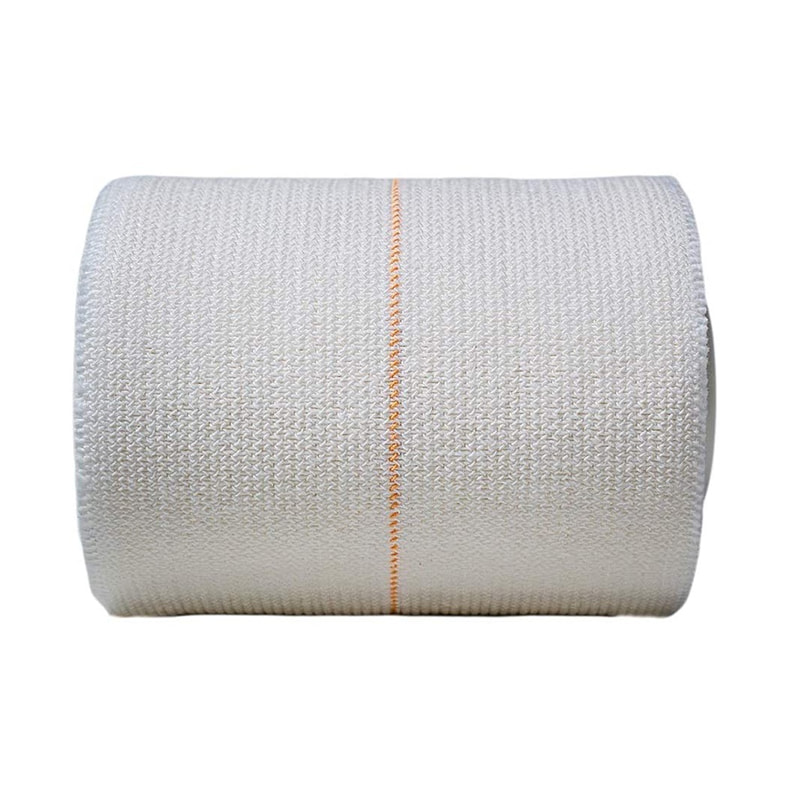
Cohesive bandage sticks to itself rather than the skin. It is useful for compression, fixation, and wrapping, but it does not provide the same direct skin feedback as kinesiology tape. Elastic adhesive bandage offers stronger support and compression but may be bulkier. Kinesiology tape is thinner, more flexible, and often more suitable for muscle support and movement guidance.
Braces provide mechanical support but can be bulky, hot, or limiting. Kinesiology tape is lightweight and can be worn under clothing. It does not replace braces for serious instability, but it is a convenient option for mild support and activity feedback.
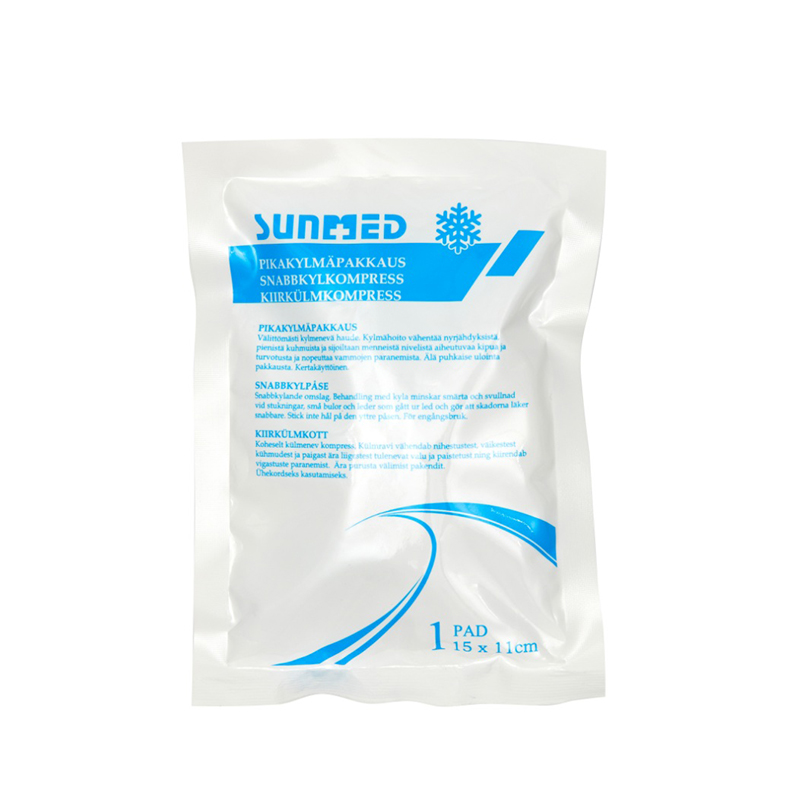
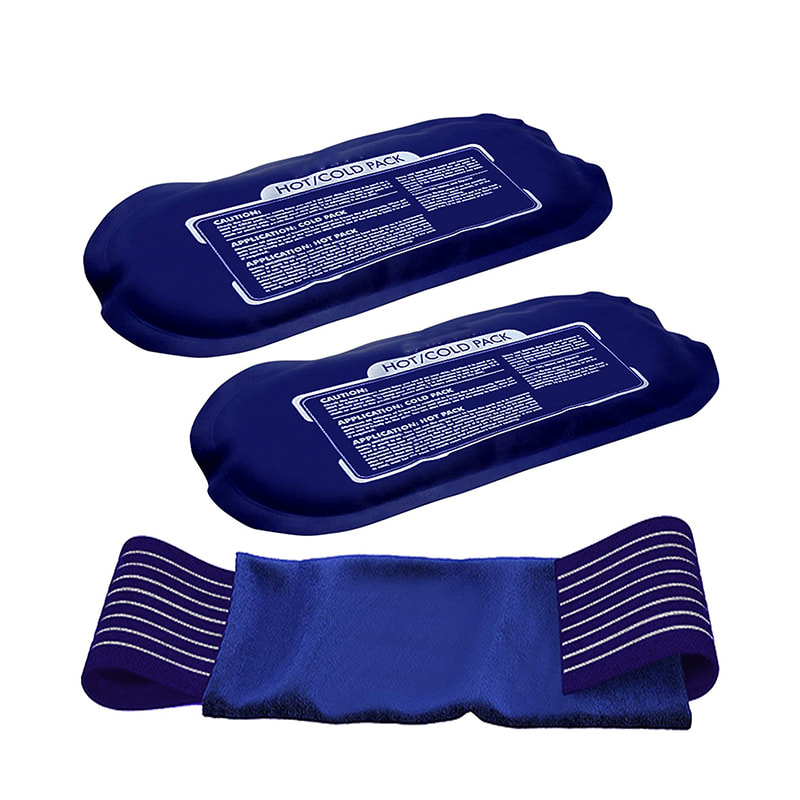
For product portfolios, kinesiology tape complements other sports support and first aid products. Distributors can sell it alongside cohesive wraps, elastic bandages, cold packs, first aid kits, and rehabilitation products. This creates cross-selling opportunities and improves category coverage.
Responsible Claims and Professional Use
It is important to market kinesiology tape responsibly. The tape can support muscles and joints, assist movement awareness, and be used as part of recovery and injury prevention routines. However, it should not be presented as a guaranteed cure for medical conditions. Claims should be accurate, evidence-aware, and compliant with local regulations.
Professional users such as physiotherapists, athletic trainers, and sports medicine practitioners can apply the tape using specific techniques. Consumer users should follow instructions carefully. The effectiveness of kinesiology tape often depends on correct placement, tension, body area, and user condition. Good packaging instructions can improve outcomes and reduce misuse.
Buyers developing private-label packaging should include appropriate warnings, application guidance, removal instructions, storage conditions, and skin safety information. This improves customer experience and supports responsible market entry.
Storage, Handling, and Shelf Presentation
Proper storage helps maintain adhesive performance. Kinesiology tape should generally be stored in a cool, dry place away from direct sunlight, excessive heat, and moisture. Packaging should protect the tape from dust and contamination. For distributors, warehouse conditions can influence product quality during long-term storage.
Retail presentation should make the product easy to understand. Packaging can highlight key benefits such as latex-free adhesive, waterproof performance, cotton-spandex comfort, high elasticity, pre-cut convenience, and available colors. Clear visuals can show common application areas such as knee, shoulder, elbow, and calf. However, packaging should avoid exaggerated medical claims.
For e-commerce, product listings should include size, material, color, stretch, adhesive type, usage suggestions, and safety notes. High-quality images and clear instructions can reduce customer confusion. Multi-pack options may increase average order value.
Sustainability and Packaging Considerations
Many buyers now consider environmental impact when choosing healthcare and sports support products. While kinesiology tape itself must meet performance and hygiene requirements, packaging can often be optimized. Eco-friendly packaging options may include recyclable paper boxes, reduced plastic use, compact packaging formats, and efficient carton design.
Bulk packaging can reduce waste for clinical and wholesale channels. Retail packaging can balance visual appeal with material efficiency. E-commerce packaging should protect the product without excessive volume. The manufacturer’s customization capability allows buyers to choose packaging solutions that align with market expectations and sustainability goals.
Company Strength Behind the Product
Suzhou Sunmed Co., Ltd. brings approximately 30 years of experience in medical device, medical consumables, first aid, wound dressing, sports bandage, and family healthcare products. This background is important because kinesiology tape requires both consumer appeal and healthcare-grade discipline. The company’s experience across multiple product categories helps it understand the needs of hospitals, first aid suppliers, supermarkets, sports shops, distributors, and private-label customers.
The company operates multiple production bases and has exported to more than 60 countries. Its markets include Europe, Southeast Asia, Africa, and Oceania. This international business foundation supports reliable communication, export documentation, and product adaptation for different regions.
The company’s quality control team follows inspection procedures aligned with ISO13485:2016 standards. Many products are CE certified, and factories comply with FDA requirements. These strengths help global buyers reduce procurement risk and build long-term cooperation.
Another strength is the company’s broad product ecosystem. Buyers sourcing kinesiology tape may also need cohesive bandages, elastic adhesive bandages, medical gauze, medical tape, cotton products, first aid supplies, hot and cold packs, pill boxes, syringes, catheters, and other medical consumables. Working with a supplier that offers multiple categories can simplify procurement and support bundled sales programs.
Purchasing Guidance for Bulk Buyers
Before placing a bulk order, buyers should define the target market, preferred tape format, size range, color selection, packaging style, regulatory requirements, and branding needs. A sports retail customer may need different packaging than a hospital distributor. An e-commerce seller may prioritize compact packs and clear instructions, while a government buyer may prioritize bulk supply and documentation.
Sample testing should include adhesion, stretch, comfort, skin response, edge lifting, waterproof performance, color appearance, packaging quality, and user feedback. Buyers should test the tape during real activities, not only in office conditions. For example, athletes can wear it during training, therapists can apply it in trial sessions, and retail teams can evaluate packaging presentation.
When planning private-label orders, buyers should prepare logo files, packaging text, color preferences, carton requirements, barcodes, and regulatory labeling needs. Early communication helps reduce delays. The manufacturer can then advise on feasible production options and packaging solutions.
Bulk buyers should also consider reorder planning. Kinesiology tape can be seasonal, with demand increasing during sports seasons, fitness campaigns, rehabilitation programs, and promotional events. A supplier with strong capacity can help support these demand cycles.
Q&A Section
What is pre-cut kinesiology tape used for?
Pre-cut kinesiology tape is used for flexible support of muscles and joints during sports, physical therapy, recovery routines, and daily movement. It is commonly applied to knees, elbows, shoulders, calves, wrists, ankles, backs, and other body areas. It supports movement rather than completely immobilizing the body.
What material is this kinesiology tape made from?
The tape is made from 95% cotton and 5% spandex. Cotton provides softness and breathability, while spandex provides elasticity and movement support.
Is the adhesive latex-free?
Yes. The tape uses a latex-free imported acrylic adhesive. This makes it suitable for buyers and users who prefer products that reduce latex sensitivity concerns.
Is the tape waterproof?
The adhesive is designed to be waterproof and suitable for active use. It can help the tape remain in place during sweating and light water exposure, although correct application and skin preparation are important for best performance.
How elastic is the tape?
The tape has approximately 170% to 180% stretchability. This allows it to move similarly to natural skin and provide support without rigid restriction.
What sizes are available?
Available widths include 2.5 cm, 3.8 cm, 5 cm, 7.5 cm, and 10 cm, with a standard length of 5 meters. Custom sizes may also be developed for specific buyer requirements.
Can the tape be customized for private-label brands?
Yes. Customization options include logo printing, colors, sizes, packaging styles, retail boxes, bulk packaging, eco-friendly packaging, and OEM private-label services.
What certifications support the product?
The product is supported by ISO13485, FDA, and CE MDR certifications, helping meet international quality and safety expectations for medical and healthcare-related markets.
Who are the main buyers for this product?
Main buyers include hospitals, clinics, rehabilitation centers, sports teams, gyms, wholesalers, distributors, large retail chains, e-commerce sellers, government institutions, and private-label brands.
Why choose this tape over lower-cost competitor products?
This tape offers a strong balance of cotton-spandex comfort, waterproof latex-free acrylic adhesive, high elasticity, multiple colors, customization, international certifications, and direct manufacturer supply capacity. These advantages help improve user satisfaction and reduce procurement risk.
Conclusion
Pre-cut sports kinesiology tape is a versatile and market-ready product for sports support, rehabilitation, personal care, and private-label development. Its 95% cotton and 5% spandex material provides comfort and elasticity, while the imported acrylic adhesive delivers waterproof, latex-free, and reliable performance. With 170% to 180% stretchability, the tape moves naturally with the body and supports active users without unnecessary restriction.
The product’s pre-cut convenience makes it easier for athletes, therapists, and consumers to apply. Its multiple size options, wide color range, camo designs, and OEM customization make it attractive for retailers, e-commerce sellers, wholesalers, sports organizations, healthcare buyers, and private-label brands. Certifications such as ISO13485, FDA, and CE MDR further support international market confidence.
Behind the product is an experienced manufacturer with decades of medical consumables expertise, multiple production bases, strong quality control, export experience, and large-scale supply capability. For buyers seeking a dependable kinesiology tape solution that combines performance, customization, compliance, and competitive manufacturing strength, this product offers a compelling choice for both established and emerging markets.
References
1. Kase, K., Wallis, J., and Kase, T. Clinical Therapeutic Applications of the Kinesio Taping Method.
2. Williams, S., Whatman, C., Hume, P. A., and Sheerin, K. Kinesio Taping in Treatment and Prevention of Sports Injuries: A Meta-Analysis of the Evidence for Its Effectiveness.
3. International Organization for Standardization. ISO 13485: Medical Devices Quality Management Systems Requirements for Regulatory Purposes.
4. European Commission. Medical Device Regulation Guidance and Compliance Framework.
5. U.S. Food and Drug Administration. Medical Device Quality System and General Controls Guidance.
6. Brukner, P., and Khan, K. Clinical Sports Medicine: Injuries.
7. Prentice, W. E. Principles of Athletic Training: A Guide to Evidence-Based Clinical Practice.

 English
 Español
 русский
 Français
 Deutsch
 italiano
 By Admin