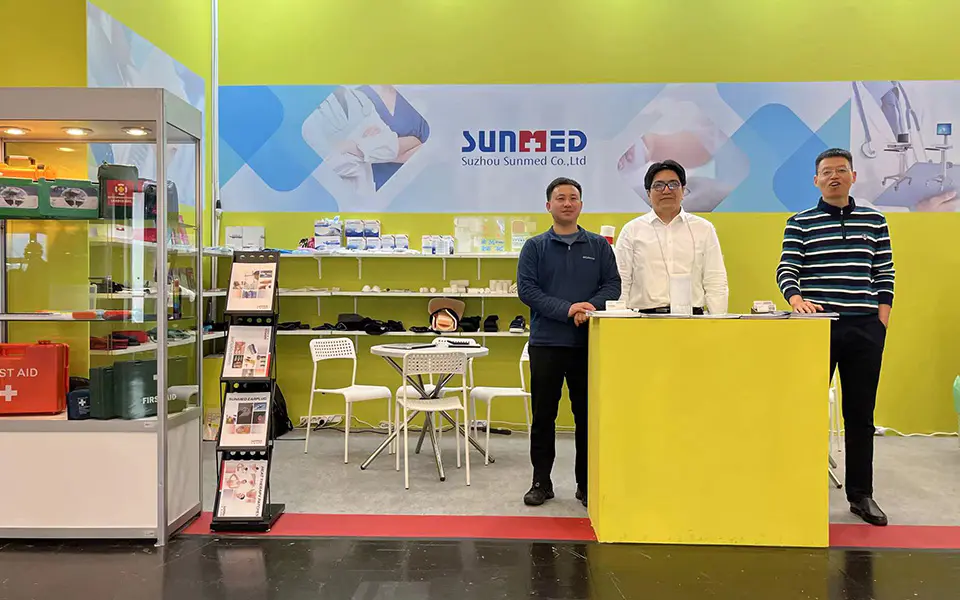
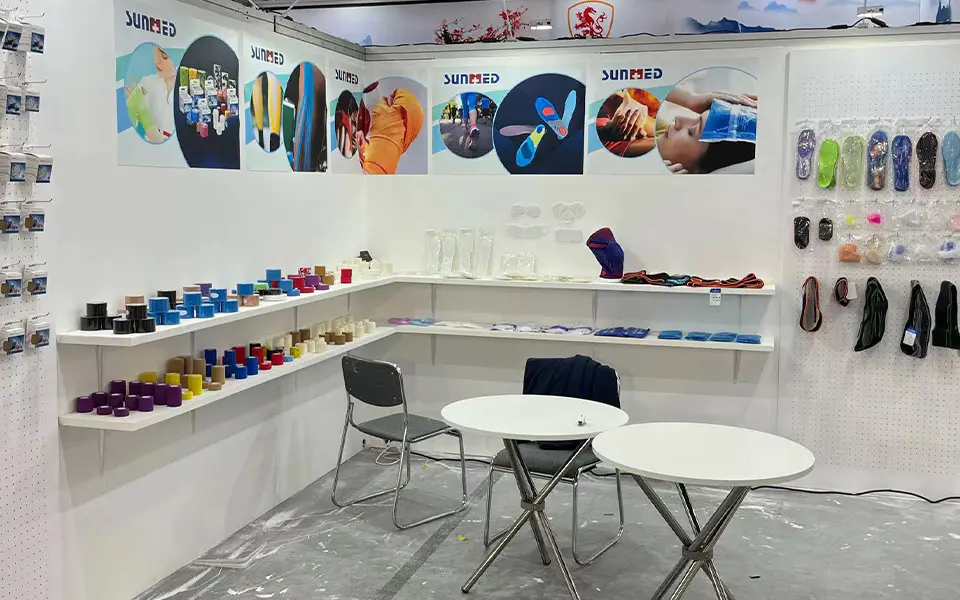
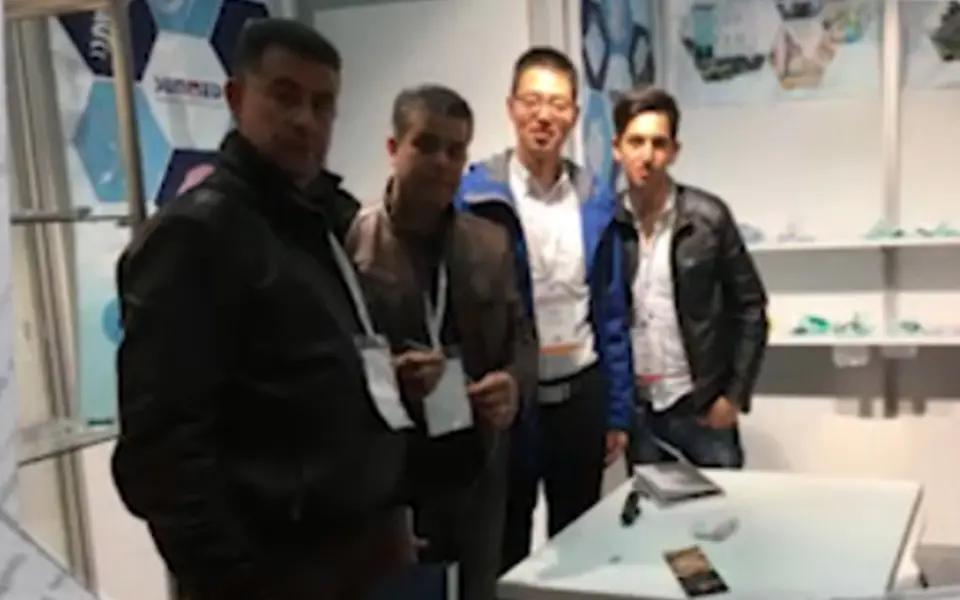
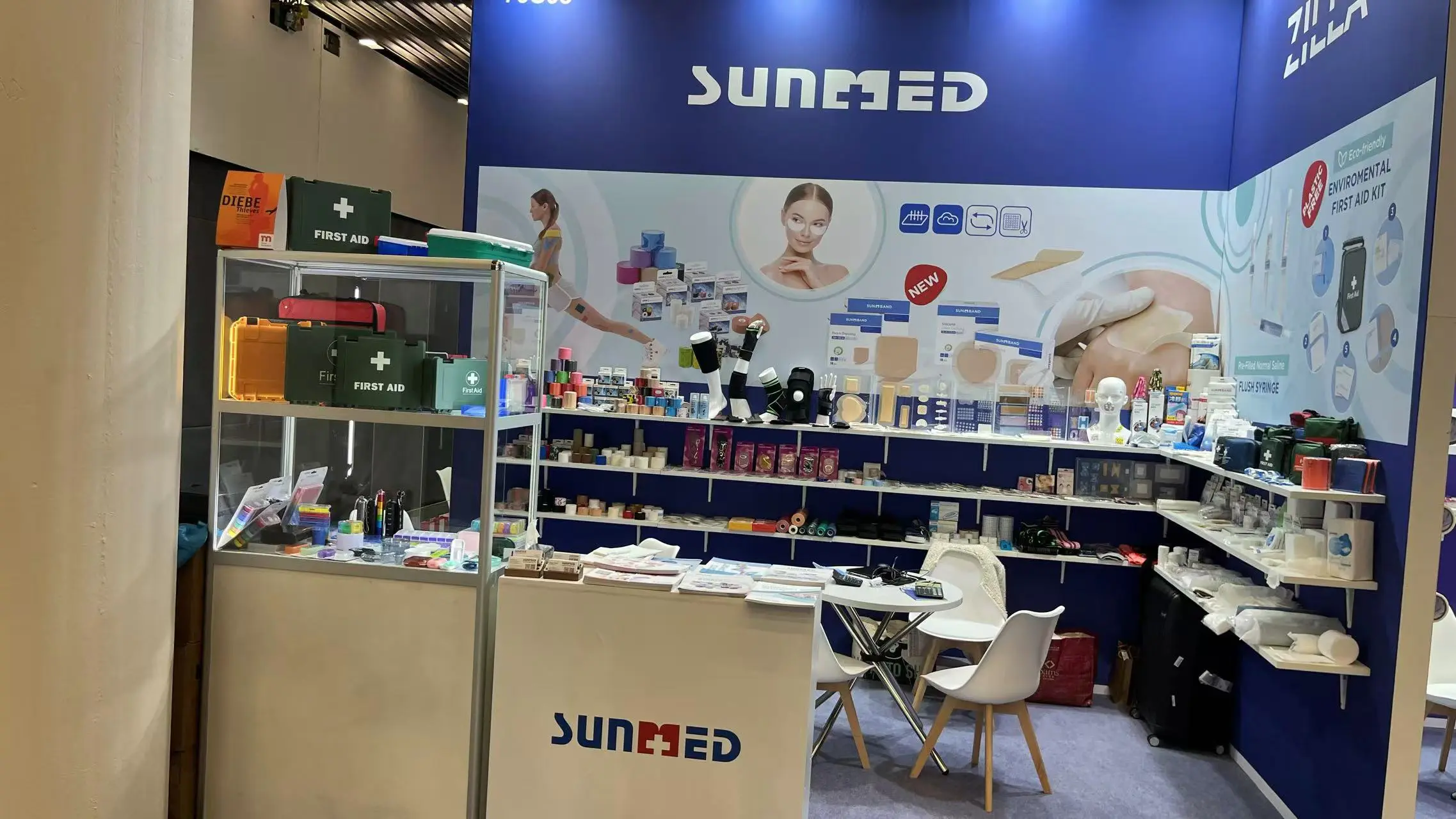
For hospitals, distributors, and healthcare brands sourcing wound care and surgical supplies, choosing the right medical adhesive tape manufacturer directly affects product safety, delivery reliability, and long-term profitability. Buyers evaluating suppliers in China's Jiangsu region increasingly look to Suzhou Sunmed Medical Tape as a reference point for what a mature, export-ready factory should offer. This article breaks down the practical considerations that procurement teams, private-label brands, and medical device distributors should weigh when qualifying a medical adhesive tape supplier.
Understanding the Medical Adhesive Tape Manufacturing Landscape
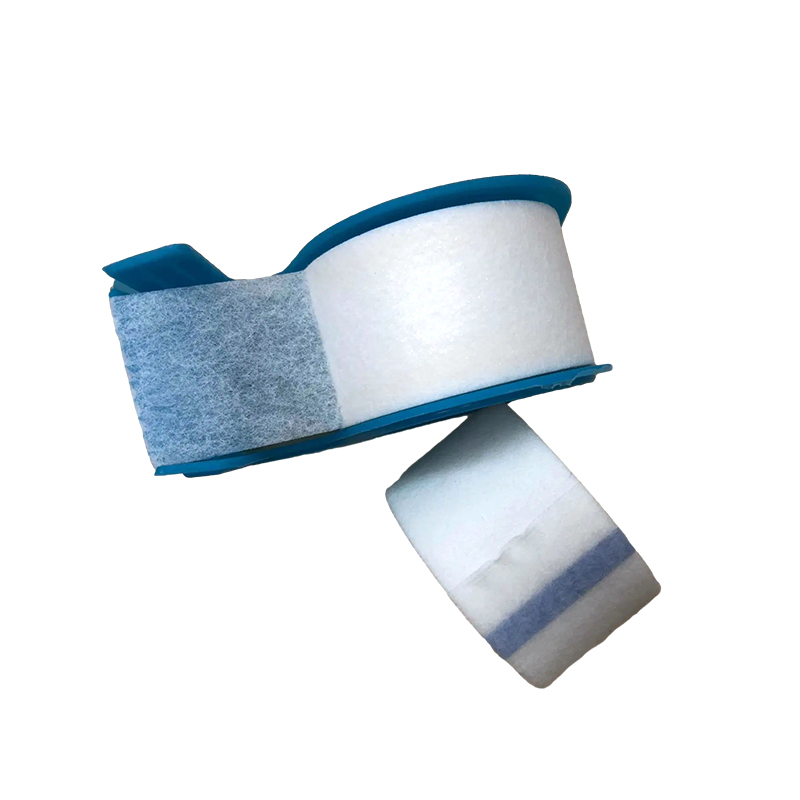
Medical adhesive tape is a deceptively complex product category. Unlike general packaging tape, it must meet biocompatibility standards, maintain adhesion under moisture and movement, and avoid causing skin irritation during extended wear. Manufacturers serving the healthcare industry need coating lines, cleanroom or controlled environments, and quality management systems that go well beyond typical industrial tape production.
Buyers sourcing at scale should understand that not every tape factory is equipped to produce medical-grade product. Many general adhesive manufacturers lack ISO 13485 certification, FDA registration, or the raw material traceability that regulated markets require. This is why B2B buyers benefit from working with a manufacturer that specializes specifically in medical-grade substrates and adhesives, rather than a generalist tape producer that occasionally fulfills healthcare orders.
Why Sourcing Partners Choose Suzhou Sunmed Medical Tape
Suzhou Sunmed Medical Tape has positioned itself as a dedicated manufacturer for the medical adhesive tape category, serving distributors, private-label brands, and medical device companies that require consistent, compliant, and scalable production. For B2B buyers, the value proposition centers on three pillars: regulatory compliance, manufacturing flexibility, and supply chain dependability.
Quality Control and Compliance
A manufacturer supplying international markets must demonstrate documented quality systems. This typically includes raw material inspection, in-process testing for adhesion strength and elongation, and finished goods verification before packaging. Suppliers that maintain ISO 13485 quality management and CE or FDA registration documentation give importers and distributors the paperwork needed to clear customs and satisfy their own regulatory obligations downstream.
Production Capacity and Lead Times
B2B buyers rarely purchase single pallets. Recurring purchase orders, seasonal demand spikes, and private-label contracts require a factory with sufficient coating and slitting capacity to hit delivery windows without compromising quality. Manufacturers with in-house jumbo roll production, slitting, and packaging lines can typically offer shorter lead times than trading companies that subcontract each stage of production.
Key Product Categories for B2B Buyers
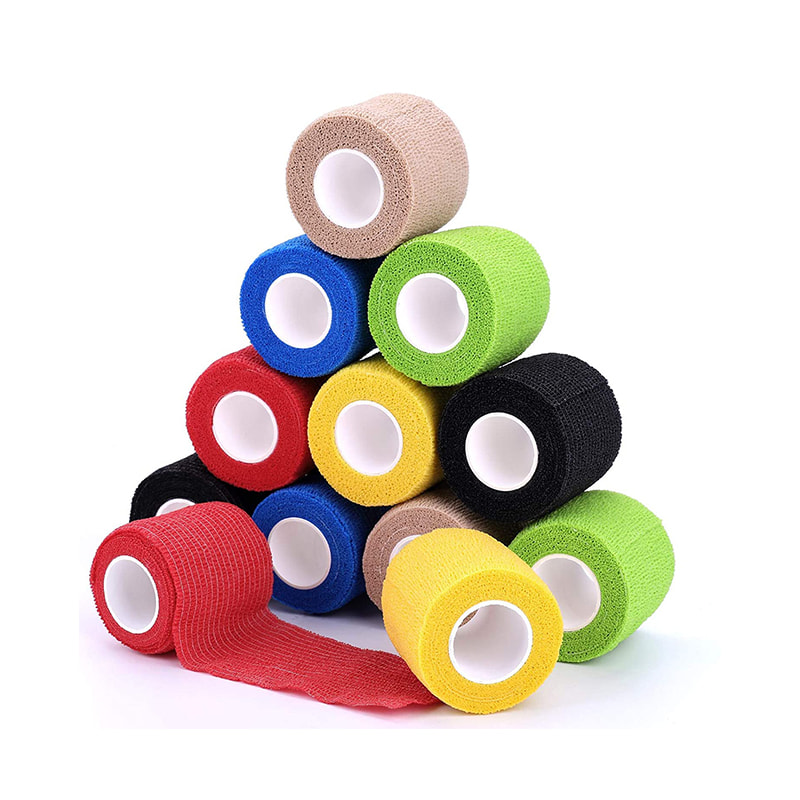
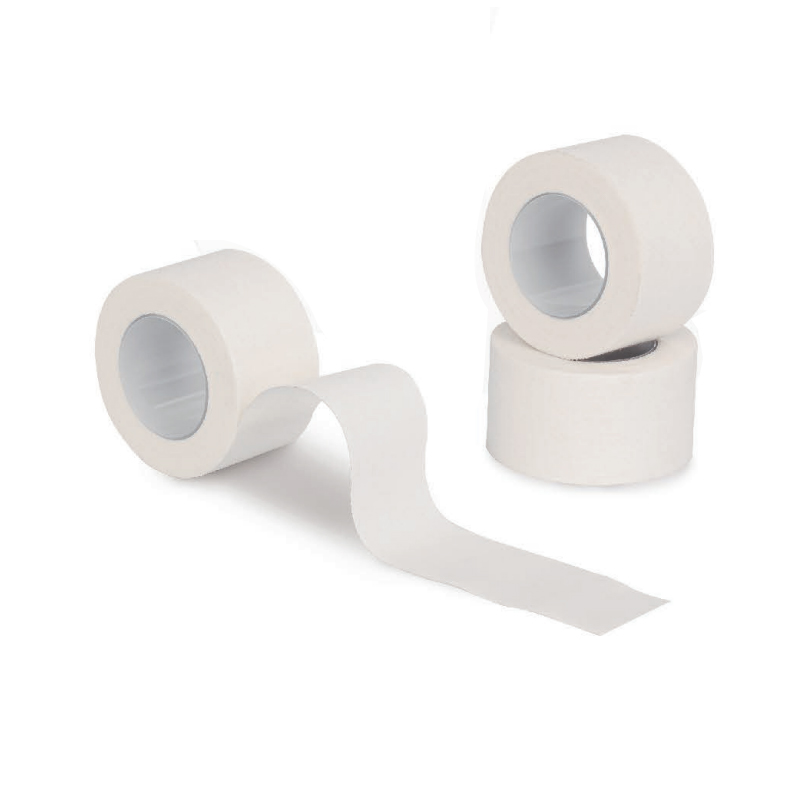
Medical adhesive tape covers a wide range of substrates and applications. Distributors sourcing for hospital supply chains, wound care lines, or surgical kits typically request the following categories:
| Tape Type |
Substrate |
Common Application |
| Zinc Oxide Tape |
Cotton fabric |
Sports strapping, general fixation |
| Silk Surgical Tape |
Acetate/rayon |
Dressing fixation, catheter securement |
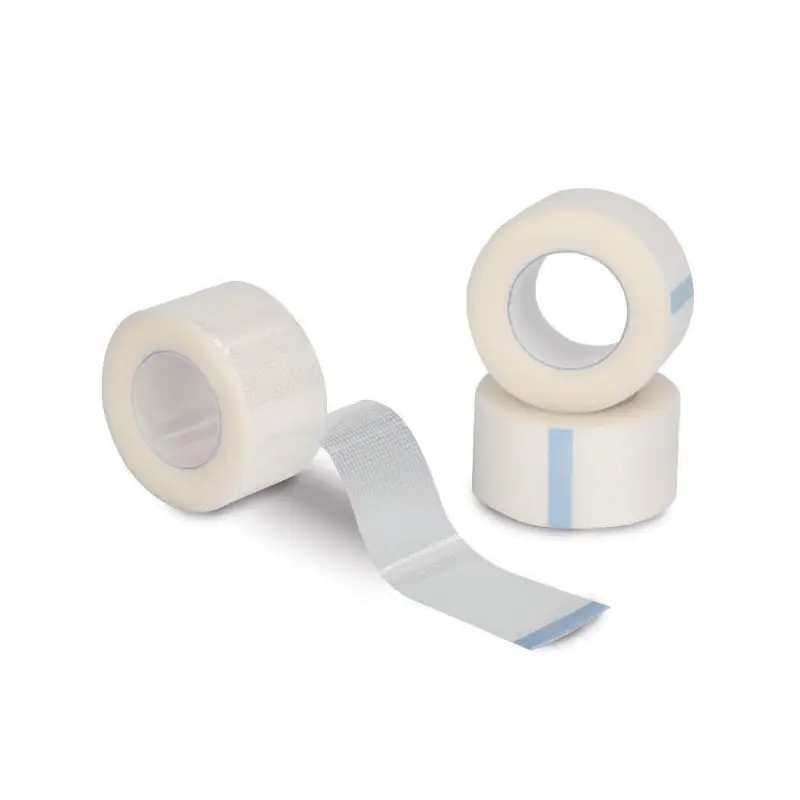
| Micropore Paper Tape |
Non-woven paper |
Sensitive skin, gentle removal |
| PE Transparent Tape |
Polyethylene film |
Waterproof dressing, wound protection |
| Non-woven Tape |
Spunlace fabric |
IV fixation, general medical use |
Understanding which substrate matches a target application helps buyers request accurate specifications during the quotation process, reducing the risk of receiving samples that fail end-use testing.
Evaluating a Manufacturer's B2B Capabilities
Before signing a supply agreement, procurement teams should assess a manufacturer against a checklist that goes beyond price per roll. The following factors tend to separate reliable long-term partners from short-term suppliers:
- Verified certifications, including ISO 13485, CE marking, and FDA 510(k) or registration status where applicable
- Minimum order quantity flexibility for trial orders versus bulk production runs
- Private label and custom packaging capability for brand-specific distribution
- Consistent lot-to-lot adhesion and tensile strength testing records
- Export documentation experience, including customs clearance and shipping logistics support
- Responsive communication and dedicated account management for recurring orders
Manufacturers that can speak to each of these points with documentation, rather than general assurances, typically indicate a more mature and export-ready operation.
Custom OEM and ODM Solutions for Distributors and Brands
Many healthcare brands and distributors do not want to sell generic tape; they want a product that reflects their own packaging, branding, and specification requirements. A manufacturer offering OEM and ODM services allows buyers to customize roll width, core size, packaging design, and even adhesive formulation to suit specific climate conditions or skin sensitivity requirements in their target market.
This is particularly valuable for distributors expanding into new regions where regulatory labeling requirements differ, or for private-label healthcare brands building a differentiated product line without investing in their own coating equipment. Working with a manufacturer capable of small-batch customization before scaling to full production also reduces financial risk during market entry.
Building a Long-Term Supply Partnership
Medical adhesive tape sourcing is rarely a one-time transaction. Hospitals and distributors need predictable reordering cycles, stable pricing, and a supplier that can absorb demand fluctuations without compromising quality. Establishing a long-term relationship with a manufacturer such as Suzhou Sunmed Medical Tape allows buyers to negotiate better terms over time, gain priority production scheduling during peak demand periods, and collaborate on product development as clinical needs evolve.
For buyers evaluating new suppliers, requesting samples, reviewing certification documents, and placing a smaller trial order before committing to full-container volumes remains the most practical way to validate a manufacturer's claims. This approach protects the buyer's supply chain while building the foundation for a dependable, scalable partnership.

 English
 Español
 русский
 Français
 Deutsch
 italiano
 By Admin