Capsicum plaster is a practical topical heat therapy product designed to provide localized warming comfort on undamaged skin. Made from cotton fabric or a cotton-rayon blended cloth evenly coated with a self-adhesive mass containing capsicum oleoresin, it is used as a counter-irritant to help relieve discomfort associated with backaches, stiff muscles, swollen joints, nerve-related swelling, rheumatic conditions, and similar daily aches. Its structure is simple, but its performance depends on precise formulation, stable coating, reliable adhesion, and clean protective packaging.
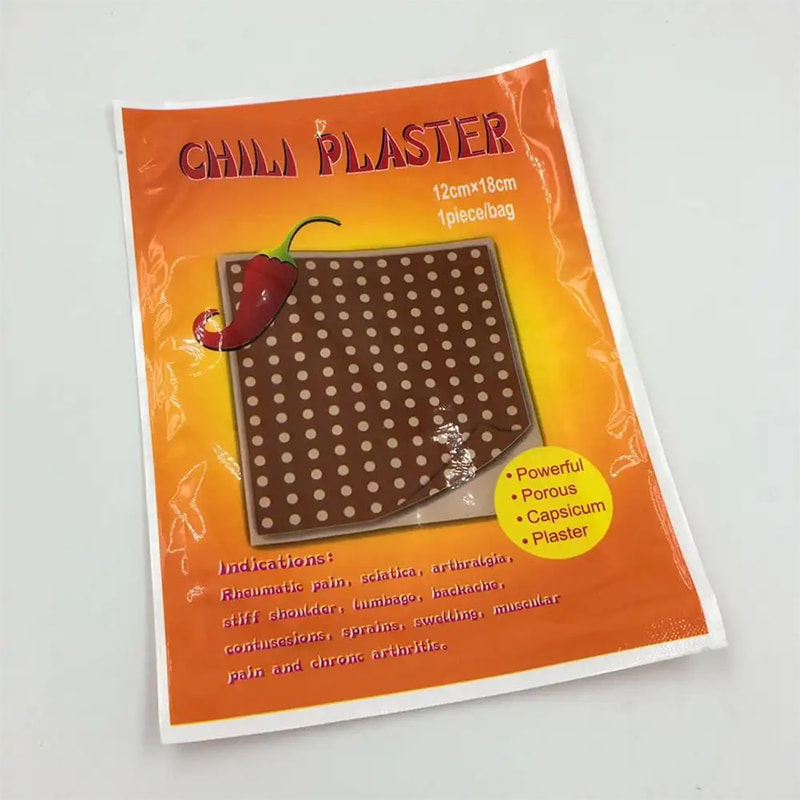
The product described here, model SMD-868, is a non-sterile Class I medical adhesive and suture material product. It is available in practical sizes such as 12 x 18 cm and 12 x 15 cm, with individual packaging of one piece per pack and common bulk packaging of 50 pieces per box. The plaster uses cotton fabric as the base material, capsicum oleoresin as the warming active component, and silicone paper to protect the adhesive surface before use. With a shelf life of three years, CE certification, MSDS safety documentation, and OEM customization support, it is suitable for distributors, pharmacies, first aid suppliers, healthcare product brands, sports support channels, and retail markets.
In a competitive market filled with ordinary warming patches, low-grade adhesive plasters, and inconsistent topical heat products, a well-manufactured capsicum plaster offers meaningful advantages. These include steady heat sensation, dependable adhesive contact, comfortable cloth backing, convenient sizing, clean release paper, controlled manufacturing, and scalable supply capacity. Behind the product is a mature medical consumables manufacturer with decades of experience, multiple production bases, professional quality control, international export experience, and a strong understanding of first aid, wound care, sports support, family healthcare, and medical consumable supply chains.
Capsicum Plaster
Product Overview: What a Capsicum Plaster Is
A capsicum plaster is a topical adhesive plaster containing capsicum oleoresin, a natural extract derived from chili pepper. Capsicum oleoresin is widely used in heat-generating external applications because it can create a warming sensation when applied to intact skin. In a plaster format, the active ingredient is evenly incorporated into an adhesive mass, which is then spread across a flexible backing material. The adhesive side is covered by silicone release paper to protect it until use.
The product is intended for external use only. It should be applied to clean, dry, undamaged skin in the area where localized warmth is desired. The warming effect works as a counter-irritant mechanism. In practical terms, counter-irritation means that a mild, controlled surface sensation can help distract from deeper discomfort and provide a feeling of relief. This is why capsicum plasters are commonly used for backaches, muscle stiffness, joint discomfort, rheumatic conditions, and certain everyday aches related to exertion or cold exposure.
The main structural components of this plaster include the cloth backing, the adhesive mass, capsicum oleoresin, and silicone release paper. Each component has an important function. The cloth backing supports flexibility and wear comfort. The adhesive mass holds the plaster in place and carries the capsicum ingredient. The capsicum oleoresin provides the warming effect. The silicone paper preserves the adhesive surface and makes the plaster easy to handle before application.
Unlike liquid rubs or creams, a capsicum plaster offers a clean, pre-measured, and localized application. The user does not need to massage ointment into the skin, wash residue from the hands, or estimate dosage by squeezing a tube. The plaster is ready to use, covers a defined area, and can be removed after the intended application period according to instructions. This format is particularly convenient for users who want localized heat therapy without spreading product onto clothing, bedding, or surrounding skin.
Key Specifications
| Item |
Specification |
Practical Value |
| Product Type |
Capsicum plaster |
Topical warming plaster for external use on undamaged skin |
| Model Number |
SMD-868 |
Consistent product identification for sourcing and documentation |
| Material |
Cotton fabric or cotton-rayon cloth |
Flexible, comfortable backing suitable for body movement |
| Active Warming Component |
Capsicum oleoresin |
Produces localized heat sensation as a counter-irritant |
| Common Sizes |
12 x 18 cm and 12 x 15 cm |
Suitable coverage for back, shoulder, joint, and muscle areas |
| Packaging |
1 piece per pack, 50 pieces per box |
Convenient for retail, pharmacy, first aid, and wholesale channels |
| Disinfecting Type |
Unsterile |
Appropriate for intact-skin topical application |
| Classification |
Class I |
Medical consumable category for adhesive plaster products |
| Quality Certification |
CE |
Supports international market compliance needs |
| Safety Documentation |
MSDS |
Provides product safety handling information |
| Shelf Life |
3 years |
Supports stable inventory planning |
| Supply Ability |
100,000 pieces per month |
Reliable volume support for distributors and brand owners |
How the Product Works
The working principle of a capsicum plaster is based on localized warming and counter-irritation. After the release paper is removed and the plaster is applied to intact skin, the adhesive mass maintains close contact with the target area. The capsicum oleoresin contained in the adhesive layer gradually produces a warming sensation. This surface warmth can help the user feel more comfortable in areas affected by stiffness, fatigue, or rheumatic discomfort.
For many users, heat is associated with relaxation. Warmth may help loosen tight muscles, improve the feeling of flexibility, and reduce the discomfort of cold-related stiffness. A capsicum plaster provides that warming sensation in a convenient wearable form. Because the product is adhesive, it remains positioned over the desired area while the user continues light daily activity.
The product is not designed for open wounds, broken skin, burns, rashes, or highly sensitive skin. It is also not a substitute for professional medical diagnosis or treatment. If pain is severe, persistent, unexplained, or accompanied by swelling, fever, numbness, or reduced mobility, medical advice should be sought. However, for routine external warming support, a carefully produced capsicum plaster is a valuable and widely recognized healthcare consumable.
Advantages Over Ordinary Heat Patches and Low-Grade Plasters
One of the strongest advantages of this capsicum plaster is the even distribution of the adhesive mass containing capsicum oleoresin. In lower-quality products, coating can be inconsistent, causing some areas to feel too strong and other areas to feel weak. Uneven coating may also create adhesion problems, curling edges, or poor user comfort. A precisely coated plaster provides a more uniform warming experience and better contact with the skin.
The cotton fabric base is another important advantage. Cotton offers softness, breathability, and flexibility. When applied to areas such as the back, shoulder, knee, or neck, the plaster must adapt to body movement without excessive stiffness. A comfortable cloth backing helps reduce pulling and improves user acceptance. Compared with rigid or low-grade synthetic backings, cotton fabric feels more natural and suitable for extended topical use.
The self-adhesive design eliminates the need for extra fixation tape. Users can apply the plaster directly after removing the silicone paper. This saves time and makes the product more convenient for home use, travel, sports recovery kits, and workplace first aid cabinets. For retail channels, the ready-to-use format is easy to explain and easy for customers to understand.
The protective silicone paper also adds value. It keeps the adhesive surface clean, prevents premature sticking, and allows smooth release before use. A poor release liner can tear, leave residue, or make application frustrating. A quality silicone paper system supports clean handling and consistent product appearance.
Compared with topical creams, capsicum plaster offers controlled placement. Creams can spread beyond the intended area, stain clothing, or transfer to the hands and eyes if not washed carefully. A plaster confines the warming ingredient to the adhesive surface and target area. This format is especially useful for users who prefer a neat, low-mess product.
Compared with electric heating devices, a capsicum plaster is lightweight, portable, and does not require batteries, power cables, charging, or preheating. It is suitable for people who need a compact solution for daily discomfort, outdoor activity, travel, or emergency first aid kits. It can be stored easily, transported efficiently, and used whenever appropriate.
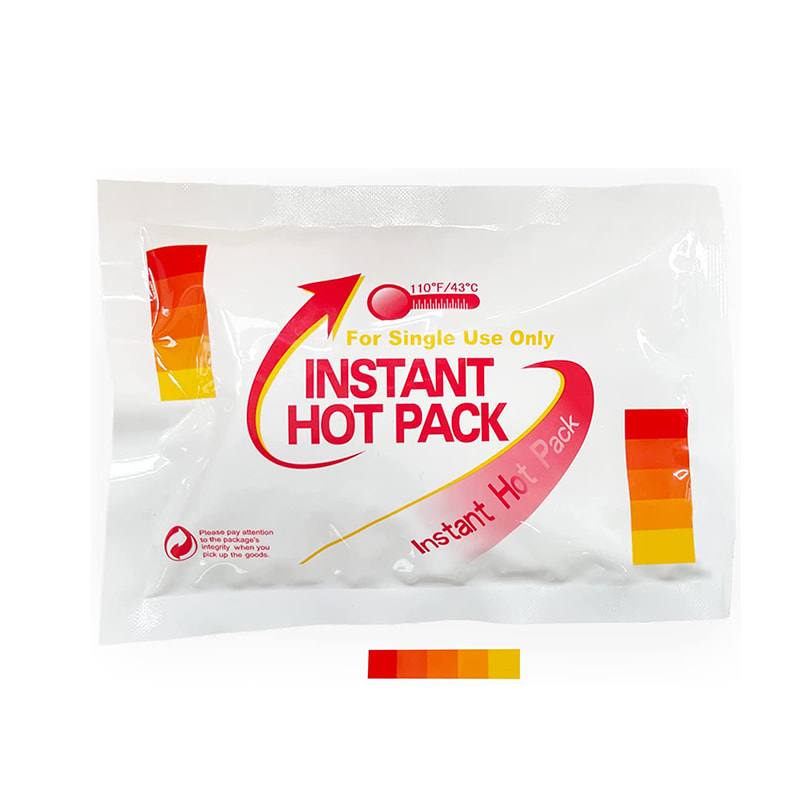
Compared with single-use air-activated heat packs, capsicum plaster is thinner and more directly attached to the skin. Air-activated packs may be bulky and are often placed over clothing or held by straps. A plaster offers close adhesive contact and can be worn discreetly under clothing, depending on the area of application and user sensitivity.
The three-year shelf life gives distributors and retailers better inventory flexibility. Products with short shelf lives can create pressure to sell quickly or risk expired stock. A longer shelf life supports wholesale procurement, seasonal demand planning, and international shipping schedules.
Applications in Daily Health, Sports, and First Aid Channels
Capsicum plaster is widely used for backaches, stiffness of muscles, swollen joints, nerve-related swelling, rheumatic discomfort, and boils, provided the skin is intact and suitable for external application. Its value lies in targeted warming support. The user can apply the plaster to a specific area rather than warming the whole body or using a large device.
In family healthcare, the product can be kept in medicine cabinets for occasional muscle stiffness, cold-weather discomfort, and minor aches related to daily work. Office workers, drivers, manual laborers, and older adults may appreciate the convenience of a topical warming plaster. For families, the individual pack format is hygienic and easy to store.
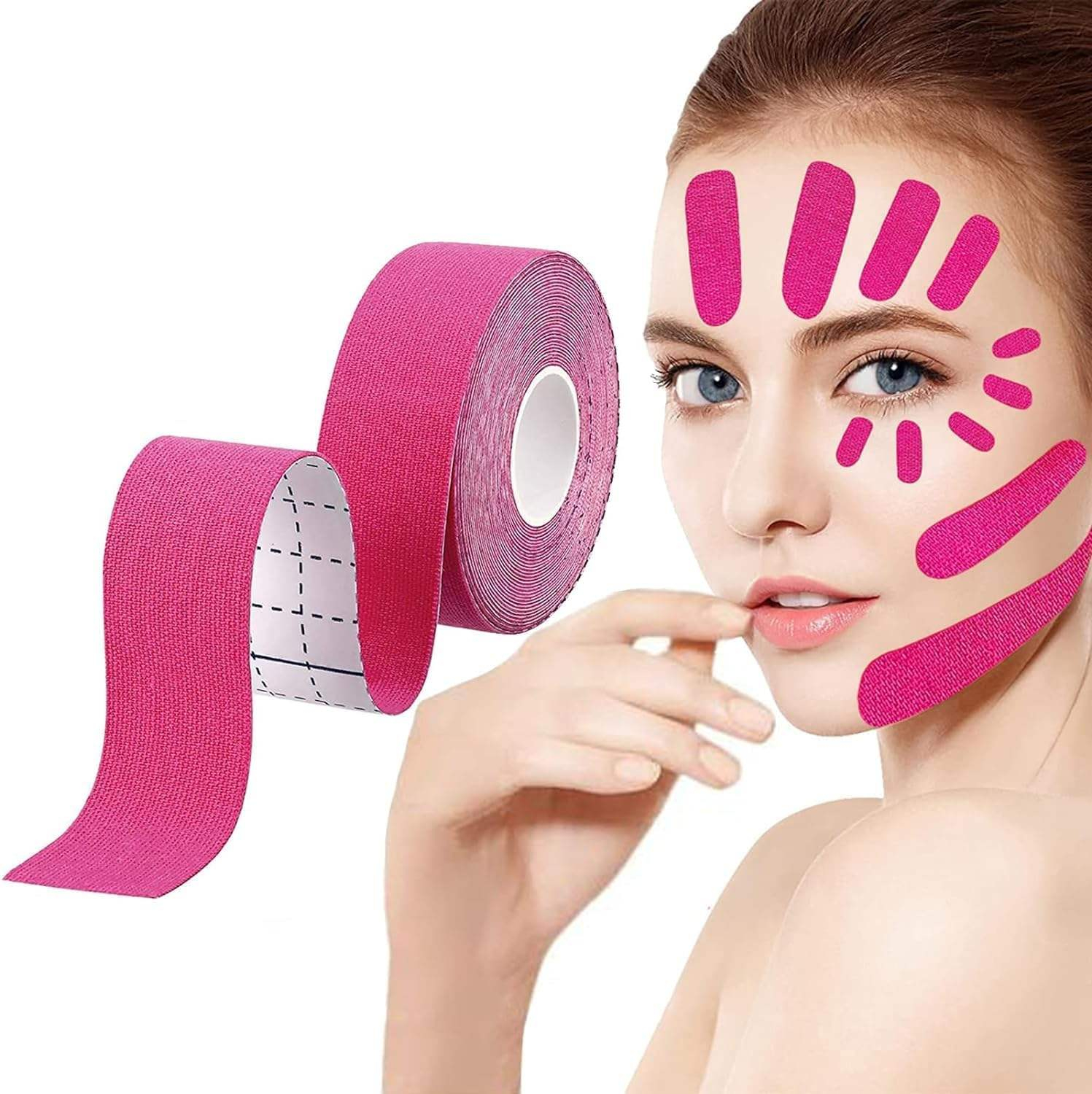
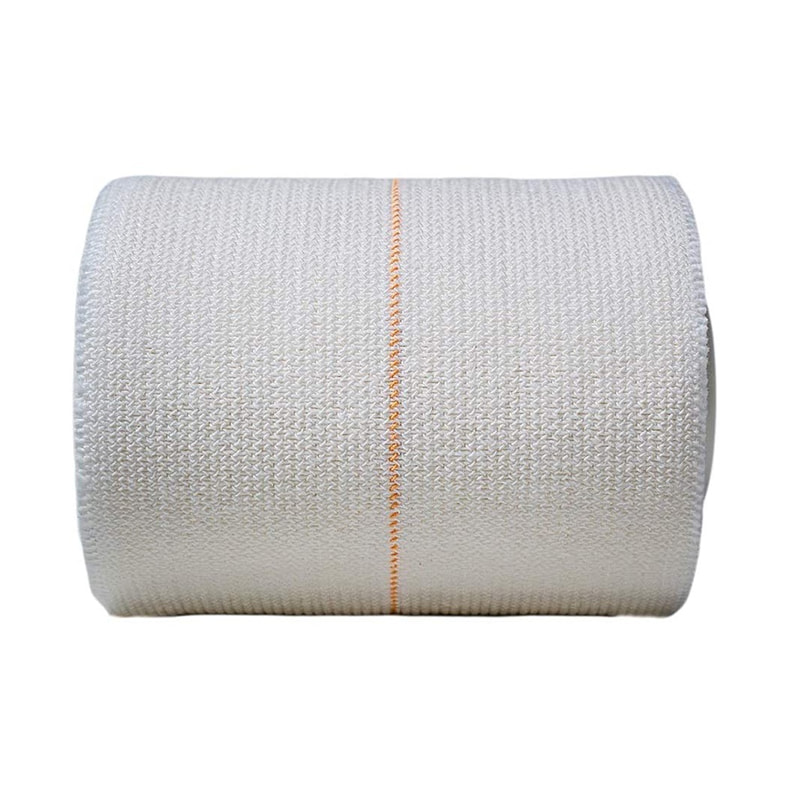
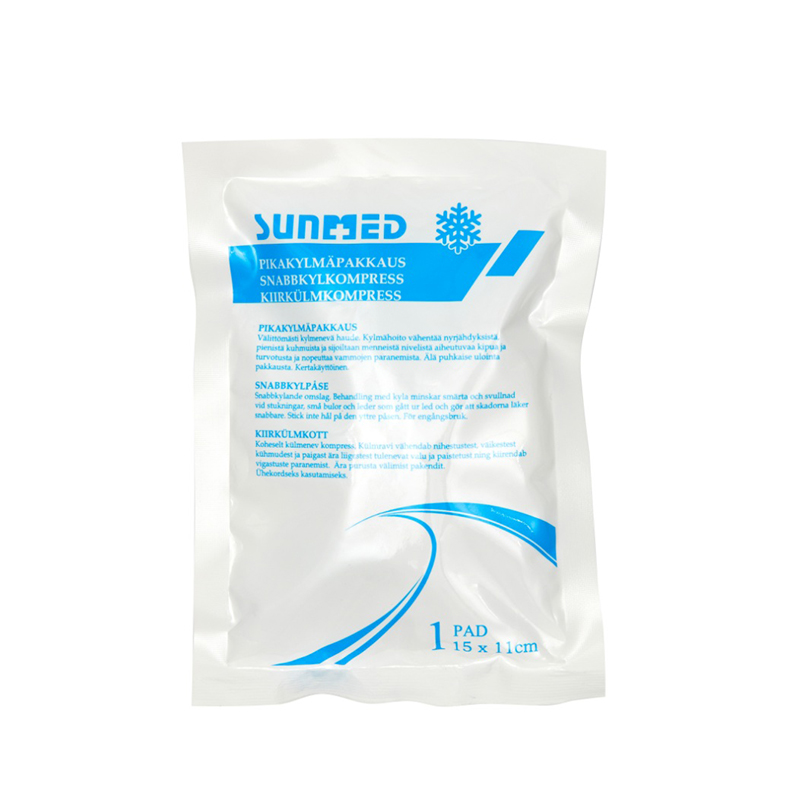
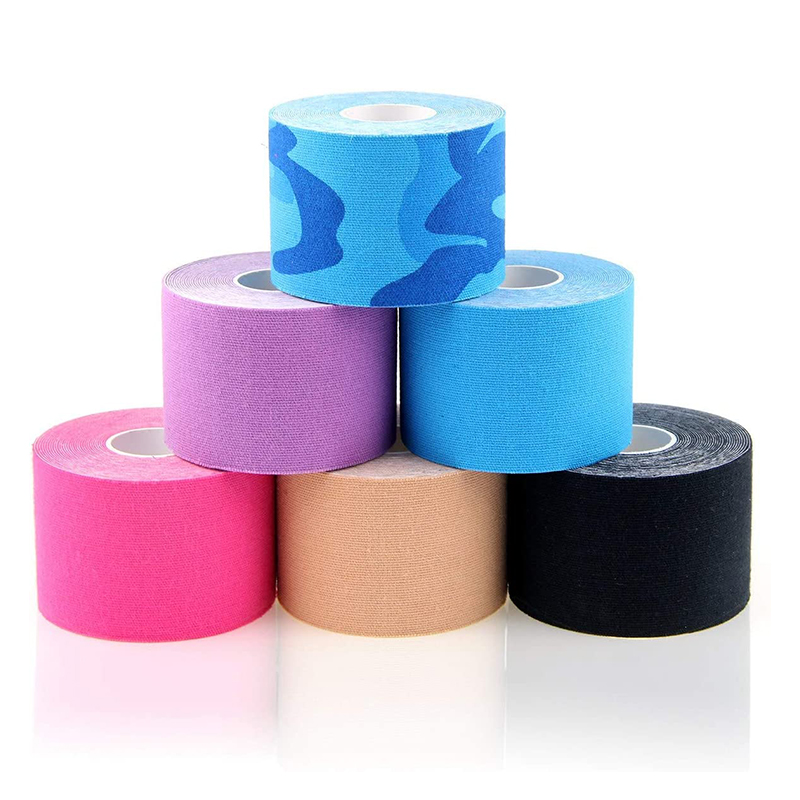
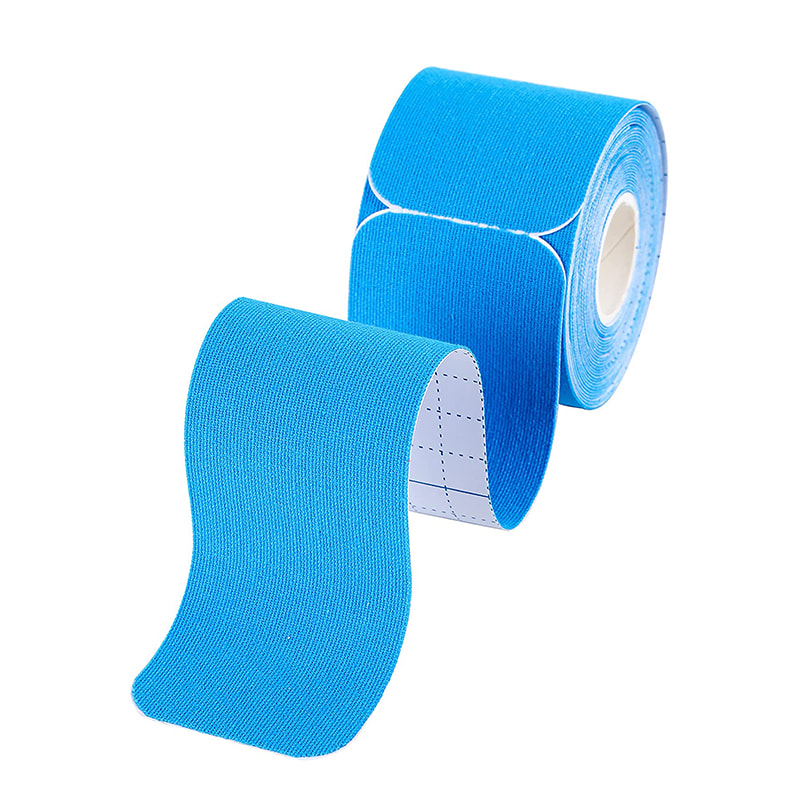
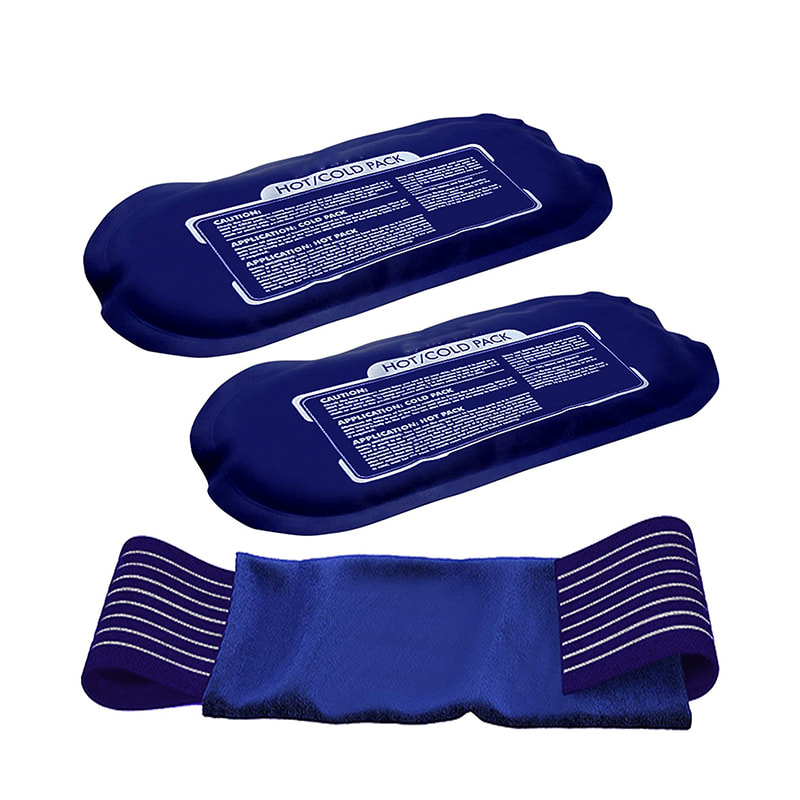
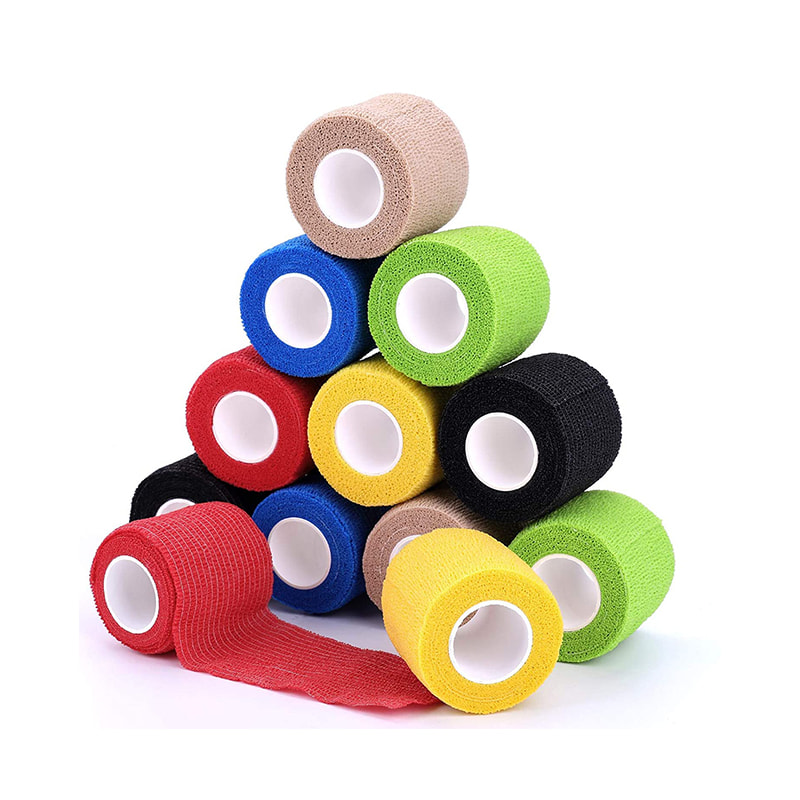
In sports support channels, capsicum plaster can be positioned as part of a recovery and comfort product range. Athletes and active users often experience muscle tightness after exercise. While it should not be used on injured, swollen, broken, or inflamed skin without professional advice, it can provide warming comfort for appropriate areas after exertion. Retail sports shops can pair it with elastic bandages, kinesiology tape, cohesive bandages, cold packs, hot packs, and other supportive products.
In first aid and pharmacy channels, capsicum plaster complements adhesive bandages, medical tape, gauze, wound care products, and hot and cold therapy items. It is not a wound dressing and should not be applied to broken skin, but it belongs naturally in the broader category of external healthcare consumables. Its clear purpose and simple application make it suitable for over-the-counter presentation where permitted by local regulations.
In institutional supply, the plaster can serve rehabilitation centers, community clinics, aged-care product suppliers, physiotherapy product distributors, and healthcare retailers. Its OEM availability allows brand owners to integrate the product into established product lines with customized packaging, labeling, and market positioning.
Material Design and User Comfort
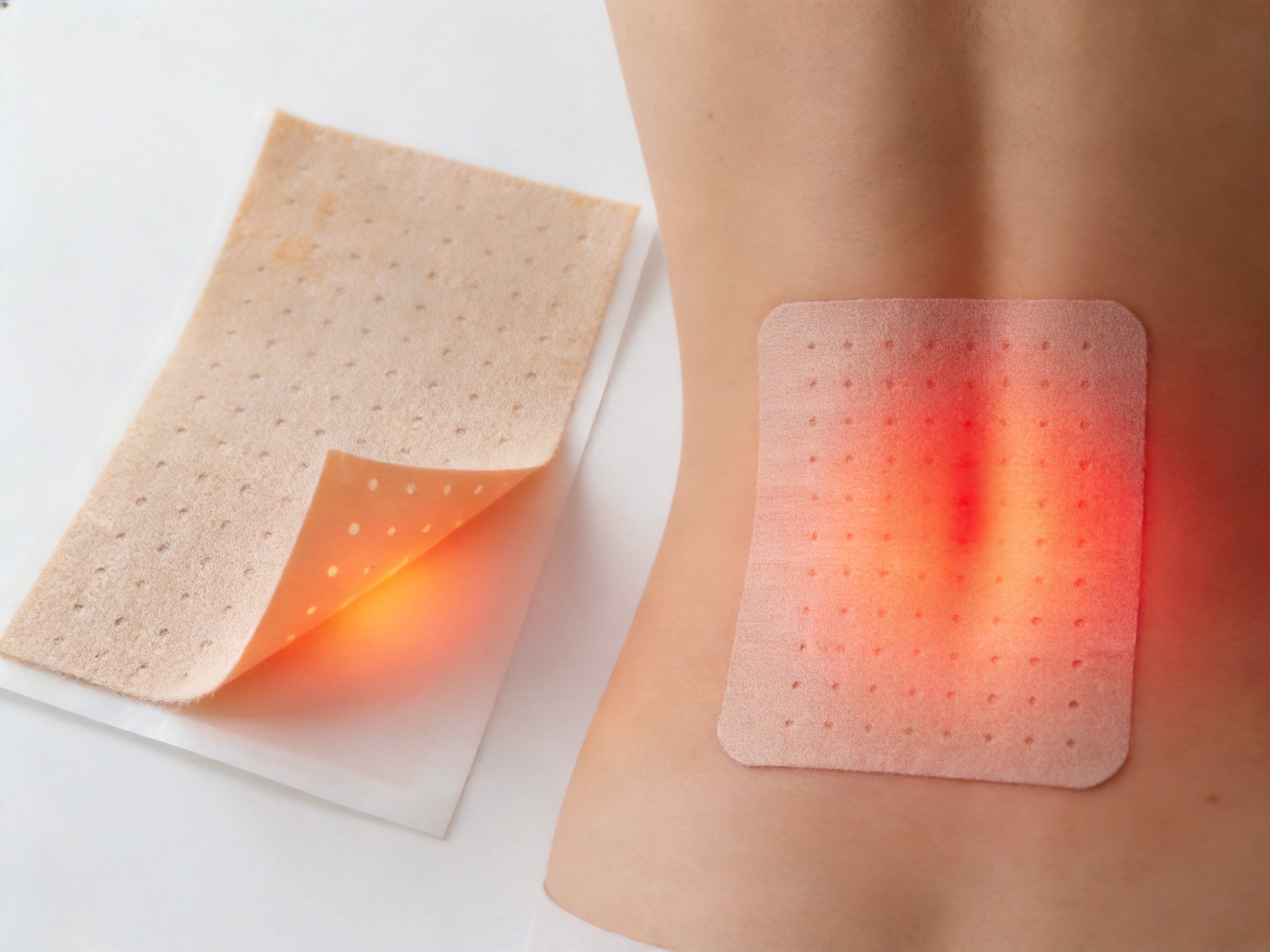
The comfort of a capsicum plaster depends heavily on its base material. A cotton fabric backing provides a soft hand feel and sufficient strength. Cotton is familiar to users and widely accepted in medical consumables. It can conform to the body better than hard film materials and provides a textile-like experience that is suitable for larger application areas.
The adhesive mass must balance three requirements: adhesion, comfort, and removability. If adhesion is too weak, the plaster may peel during use. If adhesion is too aggressive, removal may be uncomfortable. If the adhesive mass is unstable, it may transfer residue or lose performance during storage. A well-designed capsicum plaster maintains practical skin contact while still being manageable for the user.
The product size of 12 x 18 cm is especially useful for larger muscle areas such as the lower back or shoulder. The 12 x 15 cm option offers slightly smaller coverage while still providing meaningful topical contact. These sizes are convenient for both individual consumers and professional supply channels because they cover common pain points without requiring complicated cutting or layering.
The warming effect should be noticeable yet controlled. Users differ in skin sensitivity, so careful formulation is important. A professional manufacturer must control the amount and distribution of capsicum oleoresin to avoid excessive variability. Stable raw material selection, controlled mixing, and even coating are essential to making the product reliable from batch to batch.
Manufacturing Process and Quality Control Strengths
The performance of a capsicum plaster is determined not only by its ingredients but also by its manufacturing process. Advanced production begins with raw material inspection. Cotton fabric, capsicum oleoresin, adhesive components, silicone paper, and packaging materials must be checked according to defined specifications. This helps ensure that each batch starts with qualified materials.
Next, the adhesive mass is prepared under controlled conditions. Capsicum oleoresin must be incorporated evenly into the adhesive system. Mixing consistency is critical because poor dispersion can lead to hot spots or weak areas. Professional process control helps create a stable adhesive mass with predictable warming properties.
The coating stage is one of the most important steps. The adhesive mass is spread evenly onto the cloth backing. Thickness, coating weight, and surface uniformity must be controlled. If coating is too thin, the plaster may not adhere or warm effectively. If coating is too thick, it may feel heavy, create residue, or become uncomfortable. A stable coating process gives the product its consistent performance.
After coating, the adhesive surface is protected with silicone paper. Lamination must be smooth and precise. Wrinkles, bubbles, misalignment, or poor release performance can reduce product quality. A professional manufacturing line controls tension, alignment, and cutting to produce a clean finished plaster.
The plaster is then cut to size, commonly 12 x 18 cm or 12 x 15 cm. Accurate cutting ensures the product matches customer specifications and packaging design. Consistent size also supports neat retail presentation and predictable user coverage.
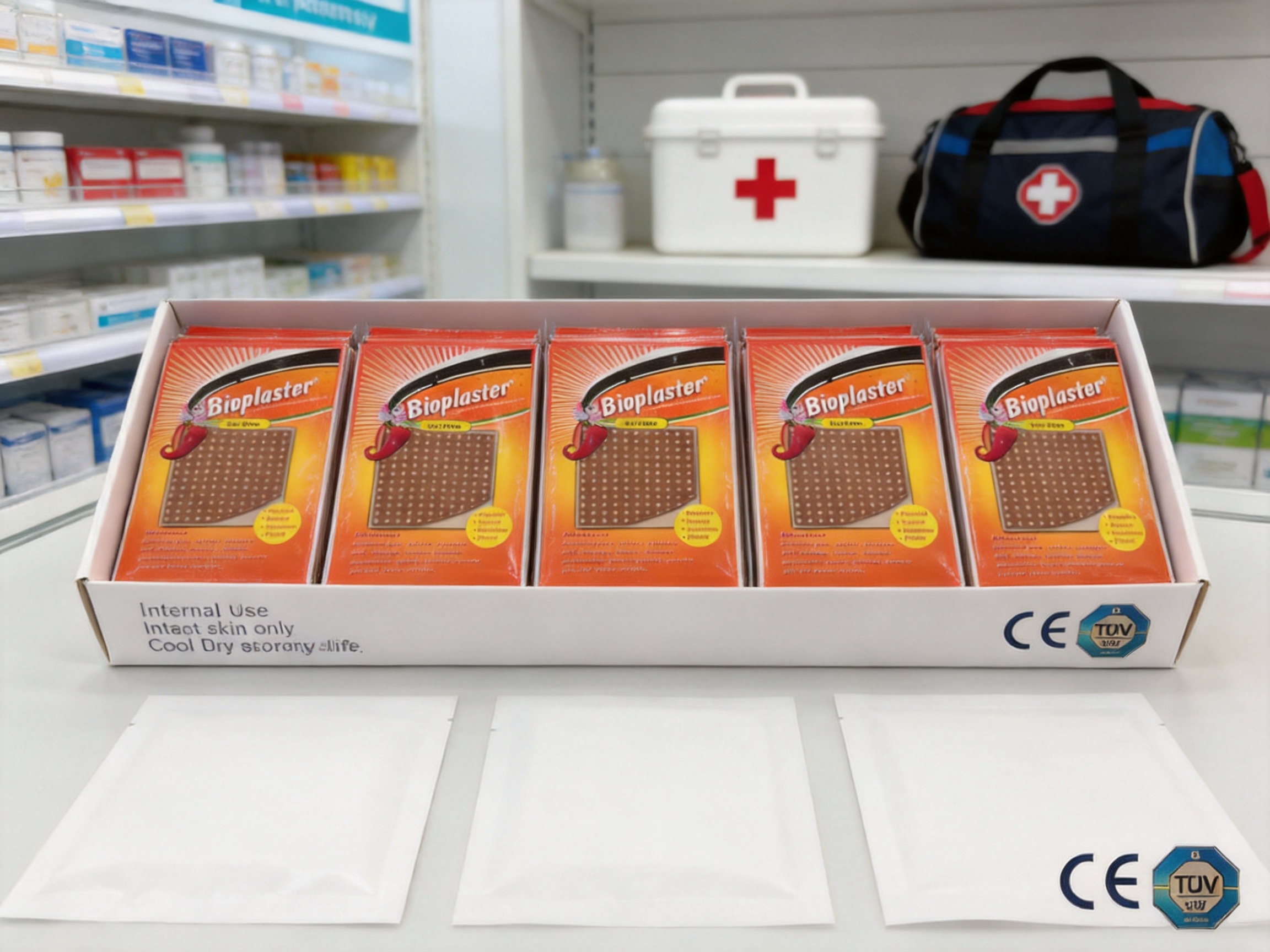
Packaging follows. Each piece is packed individually, helping protect the plaster during storage and distribution. Bulk packaging of 50 pieces per box supports efficient logistics for wholesalers and healthcare product distributors. Packaging must protect the product from contamination, deformation, and excessive environmental exposure.
Quality inspection is conducted throughout production. Checks may include appearance, size, coating uniformity, adhesion, release paper performance, packaging integrity, labeling, and documentation. For international buyers, documentation such as CE certification, MSDS, product specifications, and shelf-life information supports regulatory and procurement review.
The manufacturer behind this product has extensive experience in medical consumables and healthcare products. With multiple production bases in Jiangsu, Zhejiang, and Anhui Province, the company supports broad product capacity and flexible sourcing. Its quality control team follows structured inspection procedures aligned with ISO13485:2016 quality management principles. Many products are CE certified, and the Suzhou factories comply with FDA-related requirements, helping international customers reduce sourcing risk.
Such manufacturing strength matters because capsicum plaster is often purchased in volume. A distributor cannot rely on a product that changes noticeably from batch to batch. Retail customers expect consistent adhesion, appearance, packaging, and warming sensation. Professional manufacturing systems help ensure that the product delivered today matches the product ordered again months later.
Why Professional OEM Production Matters
OEM capability is valuable for brand owners, distributors, pharmacy chains, and healthcare product companies. A capsicum plaster may look simple, but successful market launch requires more than production. Buyers need packaging options, labeling support, documentation, stable lead times, and the ability to match local market requirements. A manufacturer with OEM experience can help customers transform a standard product into a market-ready item.
Private label packaging can be adapted for pharmacies, supermarkets, sports retailers, e-commerce platforms, and first aid product suppliers. The same core product can be positioned differently depending on market needs. For example, one customer may emphasize backache relief, another may target muscle stiffness, while another may include the plaster in a family healthcare range.
OEM support can include size selection, packaging design, carton configuration, language labeling, and product documentation. For international sales, accurate labeling is essential. Usage instructions, precautions, storage conditions, batch information, expiry date, and manufacturer details must be clear and compliant with local expectations.
The company’s export history to more than 60 countries gives it a practical understanding of international procurement. Markets in Europe, Southeast Asia, Africa, and Oceania each have different expectations. A supplier with global experience is better prepared to support customs documents, quality requests, packaging standards, and communication needs.
Competitive Manufacturing Scale and Supply Reliability
Supply reliability is a major advantage for this product. With a stated supply ability of 100,000 pieces per month, buyers can plan stable procurement programs. This is important for distributors who supply retail chains or medical product networks. A supplier that cannot maintain production volume may cause stockouts, delayed launches, or inconsistent customer service.
The company’s broader medical consumables background further strengthens reliability. Its product categories include first aid, bandages, wound care, gauze, medical tape, cotton products, personal protective equipment, sports support, adhesive bandages, hot and cold therapy, surgical and nursing products, diagnostic devices, foot care products, syringes, infusion products, blood collection and transfusion products, and patient transfer items. This wide product base demonstrates supply chain familiarity and production management across many healthcare consumables.
For buyers, sourcing capsicum plaster from a manufacturer with broad category experience can reduce vendor complexity. A distributor may purchase capsicum plaster together with cohesive bandages, elastic adhesive bandages, kinesiology tape, hot and cold packs, gauze, medical tape, and first aid items. Consolidated sourcing can reduce communication time, shipping complexity, and supplier qualification effort.
The company also has decades of industry experience. Long-term participation in medical device and consumable markets builds technical knowledge, supplier relationships, regulatory awareness, and problem-solving ability. For a product such as capsicum plaster, this experience helps in material selection, adhesive stability, packaging, inspection, and market customization.
Safety, Precautions, and Responsible Use
Capsicum plaster should be used responsibly. The product is intended for external application on undamaged skin only. It should not be used on broken skin, open wounds, cuts, burns, rashes, infected areas, or irritated skin. Because capsicum produces heat sensation, users with sensitive skin should test carefully or consult a healthcare professional before use.
Users should avoid contact with eyes, mucous membranes, and sensitive body areas. Hands should be washed after handling unless the plaster is applied by using the protective liner without touching the adhesive surface. If excessive burning, severe redness, itching, swelling, blistering, or allergic reaction occurs, the plaster should be removed immediately and medical advice should be sought.
The plaster should not be combined with external heat sources such as heating pads, hot water bottles, electric blankets, or infrared lamps unless approved by a healthcare professional. Combining capsicum with additional heat may increase the risk of skin irritation or burns. It should also not be applied immediately before or after hot bathing, sauna use, or vigorous exercise if the skin is already warm and sensitive.
Children, pregnant women, nursing mothers, elderly users with fragile skin, and people with diabetes, poor circulation, neuropathy, or skin sensitivity should seek professional guidance before use. Local regulations and product labeling should always be followed.
Storage is also important. The product should be kept in a cool, dry place, away from direct sunlight, excessive heat, moisture, and children. Proper storage helps maintain adhesive performance and product stability throughout the three-year shelf life.

Packaging and Distribution Benefits
The standard packaging of one piece per pack is convenient for hygiene, retail presentation, and end-user handling. Individual packaging helps protect the plaster until use and makes it easy to carry in a bag, travel kit, first aid box, or pharmacy display. It also supports single-use convenience, which is important for consumer confidence.
The secondary packaging of 50 pieces per box provides efficient handling for wholesalers and retailers. Boxes can be counted, stored, shipped, and displayed more easily than loose products. For importers, consistent carton packing helps with inventory management and warehouse operations.
Shanghai port availability supports international logistics. For overseas buyers, convenient port access can improve shipping options and reduce complexity. When combined with export documentation experience, this contributes to smoother order fulfillment.
Because the product is compact and lightweight, it is efficient to ship compared with bulky therapy devices. This helps reduce storage space and freight burden. For e-commerce sellers, small pack size can also support direct-to-consumer fulfillment models.
Market Positioning Opportunities
Capsicum plaster can be marketed in several ways depending on the target audience. In pharmacy channels, it can be positioned as a topical warming plaster for backache and muscle stiffness. In sports channels, it can be presented as part of a recovery support range. In family healthcare, it can be described as a convenient home-use heat therapy plaster. In wholesale medical supply, it can be offered as a Class I medical adhesive product with CE certification and OEM options.
The product is especially attractive for buyers seeking a balance of traditional warming therapy and modern manufacturing consistency. Capsicum-based plasters have long been recognized in many markets, but customers increasingly expect better packaging, stable adhesion, clean appearance, and reliable documentation. This product meets those expectations by combining a familiar active warming ingredient with controlled medical consumable production.
Private label customers can create different packaging styles. A premium retail pack may emphasize comfort, cotton backing, and targeted warmth. A pharmacy economy pack may highlight value and practical use. A sports pack may focus on muscle stiffness after activity. A first aid pack may present the plaster as part of a broader pain-relief and support category.
The availability of multiple sizes also supports market segmentation. Larger plasters are suitable for broad areas such as the back, while smaller sizes may be preferred for shoulder, elbow, knee, or localized muscle zones. Customization can help match consumer habits in different regions.
Comparison With Alternative Products
Consumers often choose between capsicum plaster, pain relief cream, hot pack, kinesiology tape, cohesive bandage, or oral pain relief products. Each has a different function. Capsicum plaster is most suitable when the user wants localized external warmth in an adhesive format.
Pain relief creams are flexible and can be applied to irregular areas, but they may be messy and require hand washing. Hot packs can provide strong heat but may require heating, freezing, or activation, and they may not stay in place without wraps. Kinesiology tape supports movement and muscle function but does not provide capsicum-based heat. Cohesive bandage offers compression and fixation but is not a warming product. Oral products affect the whole body and may not be suitable for every user.
The capsicum plaster fills a distinct niche: clean, localized, wearable, warming comfort. It is simple enough for home users, yet professional enough for medical consumable distribution. This makes it a practical addition to many healthcare product portfolios.
Quality Indicators Buyers Should Evaluate
When selecting a capsicum plaster supplier, buyers should look beyond the lowest price. Important quality indicators include backing material, coating uniformity, adhesive performance, capsicum distribution, release paper quality, packaging integrity, shelf life, certification, batch consistency, and supplier communication.
Backing material should be comfortable and strong. Coating should appear even and clean. Adhesion should be sufficient for ordinary use without excessive residue. Release paper should peel smoothly. Packaging should protect the product and present information clearly. Documentation should be available for regulatory and procurement needs.
Supplier capability is equally important. A professional manufacturer should have quality control procedures, production experience, export experience, and stable capacity. For OEM orders, design communication and labeling accuracy are critical. A small error in packaging text, size, or carton information can create downstream problems. Experienced suppliers reduce this risk.
Company Strength Behind the Product
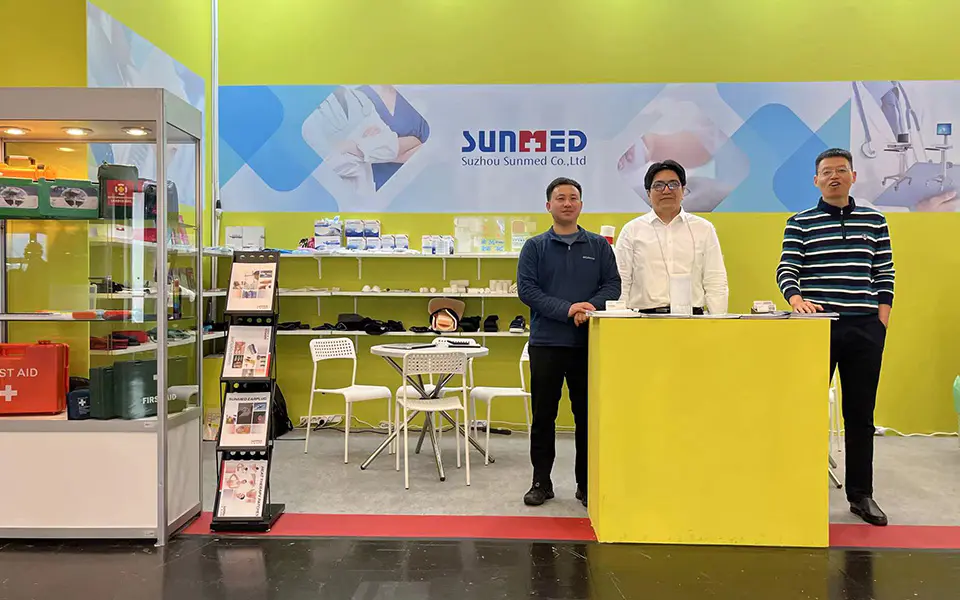
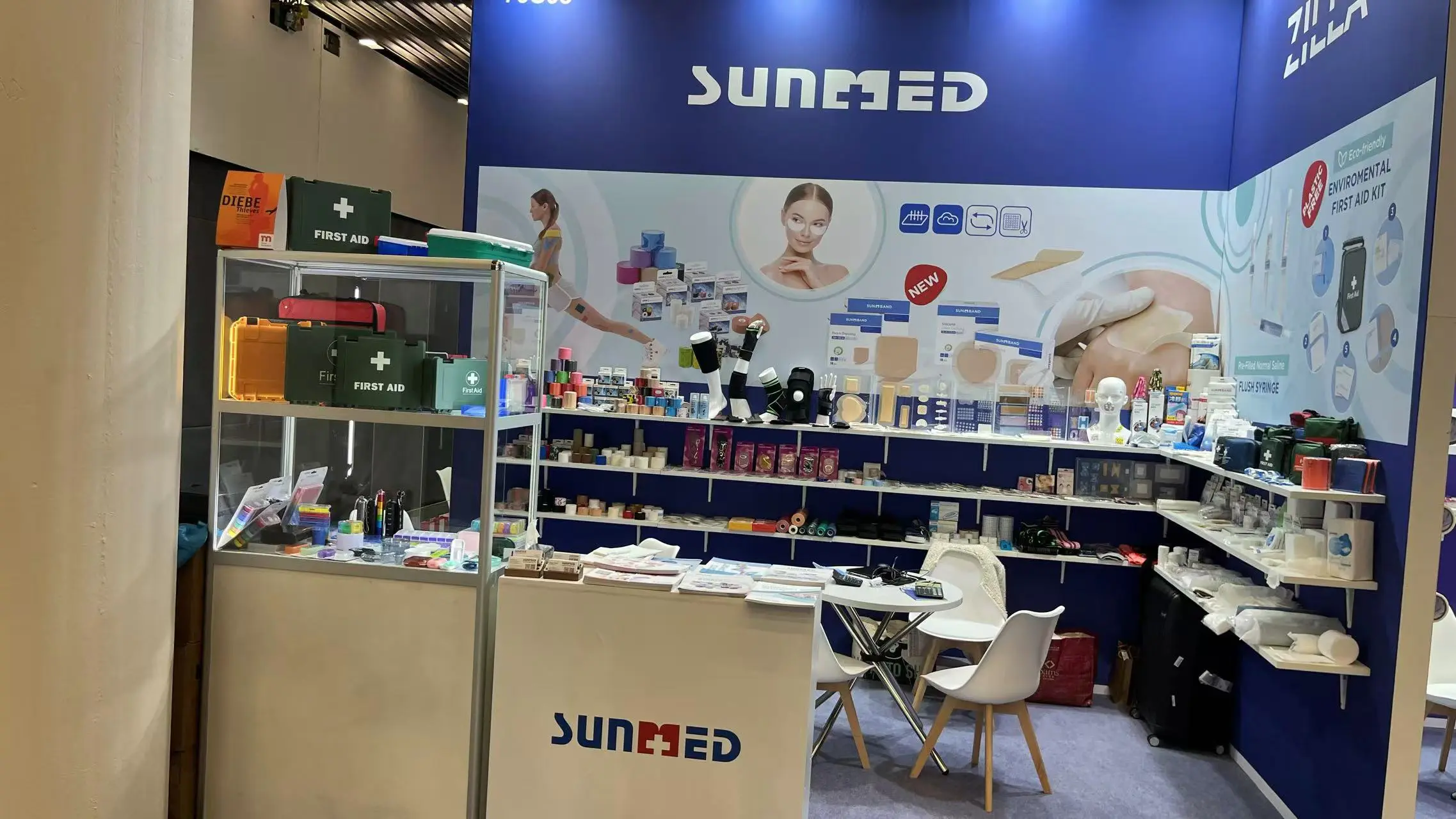
Suzhou Sunmed Co., Ltd. is a professional manufacturer and exporter of first aid, medical, and healthcare products in China. With 30 years of experience in the medical device and medical consumables industry, the company has built a strong product portfolio and a broad international customer base. Its experience covers first aid products, wound dressing, medical gauze, bandages, medical tape, medical cotton, non-woven products, sports bandages, family healthcare products, disposable syringes, catheters, surgical consumables, and other medical consumables.
The company operates multiple production bases in Jiangsu, Zhejiang, and Anhui Province. This multi-base structure supports production flexibility, capacity planning, and supply chain resilience. In 2008, the company established its first aid factory to meet customer demand. In 2021, it established its own factory for kinesiology tape, cohesive bandages, and elastic adhesive bandages. These developments show continuous investment in manufacturing capability and category expansion.
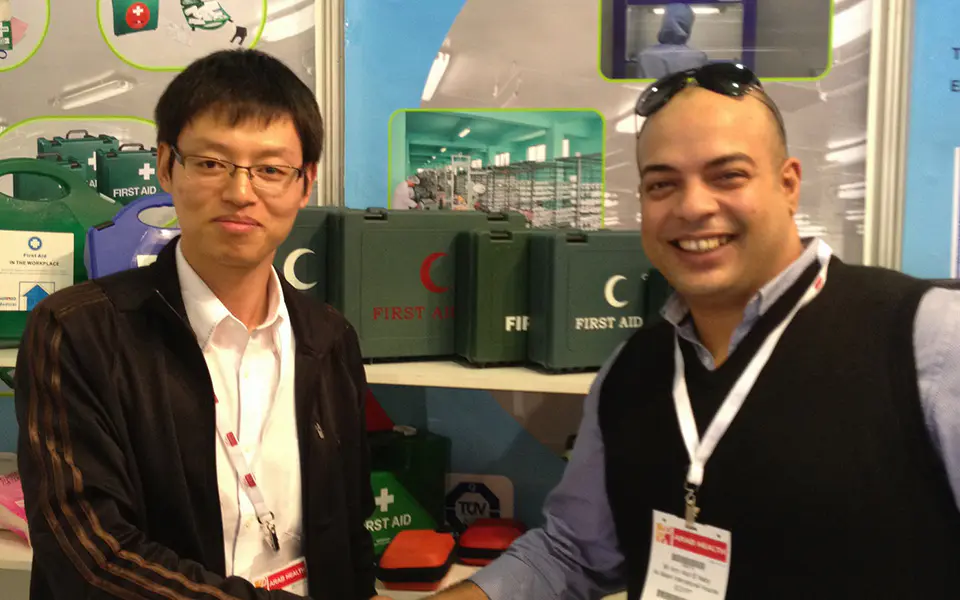
The company has exported products to more than 60 countries, including markets in Europe, Southeast Asia, Africa, and Oceania. Customers include hospitals, first aid suppliers, supermarkets, and retail sports shops. This broad customer base demonstrates the company’s ability to serve both professional healthcare channels and consumer retail channels.
Quality control is one of the company’s major strengths. A professional quality control team follows rigorous inspection procedures to help products meet ISO13485:2016 standards. Most products are CE certified, and the Suzhou factories comply with FDA requirements. For international buyers, these systems provide confidence that the supplier understands quality expectations and documentation needs.
For capsicum plaster buyers, this background is important. The product benefits from the manufacturer’s knowledge of adhesive materials, medical textiles, packaging, regulatory documentation, and global logistics. Buyers are not simply purchasing a plaster; they are partnering with a supplier that understands medical consumable manufacturing and international distribution.
Recommended Use Procedure
Before use, clean and dry the intended application area. The skin should be intact, free from wounds, irritation, creams, oils, or sweat. Open the individual pack and remove the plaster. Peel away the silicone release paper carefully. Apply the adhesive side to the target area and press gently to ensure contact. Avoid stretching the skin excessively during application.
The user should monitor the warming sensation. Mild to moderate warmth is expected, but severe burning or discomfort is not. If irritation occurs, remove the plaster. After removal, avoid scratching the area. If residue remains, it may be cleaned gently according to suitable skin-care practice. The product should be discarded after single use.
Instructions on the final product label should always take priority. Application duration may vary according to local product registration, formulation, and market requirements. Buyers ordering OEM products should ensure that instructions, warnings, and usage claims are reviewed for compliance in the destination market.
Environmental and Storage Considerations
Like many medical consumables, capsicum plaster should be stored properly to maintain performance. Excessive heat may affect adhesive stability. High humidity may influence packaging and material condition. Direct sunlight may reduce product quality over time. A cool, dry storage environment is recommended.
Retailers should manage stock by batch number and expiry date. First-in, first-out inventory rotation helps prevent expired products. Cartons should be kept sealed until needed and protected from crushing. Clean storage practices are especially important for products intended for healthcare and pharmacy channels.
While the product is disposable, efficient packaging and responsible inventory planning can help reduce waste. OEM customers may request packaging formats that balance protection, branding, and material efficiency.
Q&A Section
What is a capsicum plaster used for?
A capsicum plaster is used as a topical counter-irritant to produce localized heat on undamaged skin. It is commonly used for backaches, muscle stiffness, swollen joints, rheumatic discomfort, and similar external aches where warming comfort is desired.
What material is used for this capsicum plaster?
The plaster uses cotton fabric or cotton-rayon cloth as the backing material. The adhesive mass contains capsicum oleoresin, and the adhesive surface is protected with silicone release paper before use.
Is the product sterile?
No. The product is listed as unsterile and is intended for external use on intact skin. It should not be used on broken skin, open wounds, burns, or irritated areas.
What sizes are available?
Common sizes include 12 x 18 cm and 12 x 15 cm. These sizes provide practical coverage for areas such as the back, shoulder, knee, and other localized muscle or joint areas.
How is the product packaged?
The standard packaging is one piece per pack, with 50 pieces per box. This format supports retail, pharmacy, wholesale, and first aid distribution channels.
What is the shelf life?
The product has a shelf life of three years when stored properly in a cool, dry place away from excessive heat, moisture, and direct sunlight.
What makes this capsicum plaster different from ordinary heat patches?
It combines cotton fabric comfort, evenly spread adhesive mass, capsicum oleoresin warming action, silicone paper protection, CE certification, MSDS documentation, OEM support, and stable manufacturing capacity. These factors help provide consistent quality and better sourcing reliability.
Can it be used with a heating pad?
It should not be combined with external heat sources such as heating pads, electric blankets, or hot water bottles unless advised by a healthcare professional. Additional heat may increase the risk of irritation or burns.
Can private label packaging be provided?
Yes. OEM support is available, making the product suitable for private label brands, pharmacy chains, distributors, sports support suppliers, and healthcare product companies.
Who should be careful before using capsicum plaster?
People with sensitive skin, diabetes, poor circulation, neuropathy, skin disease, pregnancy, nursing status, or fragile elderly skin should seek professional advice before use. Children should use the product only under appropriate adult guidance and according to local labeling requirements.
Conclusion
Capsicum plaster is a valuable topical heat therapy product for users seeking localized warming comfort. Its cotton fabric backing, self-adhesive mass containing capsicum oleoresin, silicone release paper, practical sizes, individual packaging, and three-year shelf life make it convenient for consumers and efficient for distributors. It is suitable for home healthcare, pharmacy, first aid, sports support, and OEM private label markets.
Its advantages over competing products come from both product design and manufacturing strength. The plaster offers clean application compared with creams, direct adhesive contact compared with bulky heat packs, and convenient portability compared with electric heating devices. When produced under controlled conditions, it provides consistent coating, stable adhesion, comfortable wear, and reliable packaging.
Behind the product is a manufacturer with decades of medical consumables experience, multiple production bases, strong quality control, CE-certified product capability, ISO13485:2016-oriented systems, broad export experience, and a monthly supply ability of 100,000 pieces. For buyers seeking a dependable capsicum plaster with OEM flexibility and international supply support, this product represents a strong combination of traditional warming therapy and modern medical consumable manufacturing.
References
1. International Organization for Standardization. ISO 13485:2016 Medical Devices Quality Management Systems Requirements for Regulatory Purposes.
2. European Commission. Guidance Principles for CE Marking of Medical Devices.
3. United States Food and Drug Administration. General Principles of Medical Device Quality System Regulation.
4. World Health Organization. Medical Device Technical Series: Quality and Safety Considerations for Medical Products.
5. Martindale: The Complete Drug Reference. External Counter-Irritants and Topical Analgesic Preparations.
6. Remington: The Science and Practice of Pharmacy. Topical Drug Delivery and Adhesive Plaster Formulation Principles.

 English
 Español
 русский
 Français
 Deutsch
 italiano
 By Admin