Disposable protective clothing has become an essential part of modern hygiene management, workplace safety, and medical consumable supply. Among the many protective garments used in healthcare, first aid supply, laboratory support, cleaning operations, industrial visiting, and general contamination control, the PP coverall remains one of the most practical and widely applicable options. The product discussed in this article is a PP coverall identified by code SMD-280701. It is made from non-toxic polypropylene material and is available in different colors, offering a practical balance of protection, comfort, cost efficiency, and customization potential.
Unlike complex reusable garments that require laundering, tracking, storage, and repeated inspection, a disposable PP coverall is designed for convenient single-use or limited-use protection. It helps reduce contact with dust, light dirt, splashes of non-hazardous substances, and general workplace contaminants. Its value comes from simplicity: lightweight non-woven fabric, full-body coverage, easy wearing, practical packaging, and consistent manufacturing. For distributors, hospitals, first aid suppliers, clinics, laboratories, industrial buyers, supermarkets, and healthcare procurement teams, the coverall offers a flexible product that can be stocked and deployed across many scenarios.
This article examines the product features, material advantages, typical applications, manufacturing considerations, quality control practices, competitive strengths, customization options, and procurement value of the PP coverall. It also highlights how a professional medical consumables manufacturer with long-term export experience, production bases in multiple Chinese provinces, ISO 13485:2016 quality management, CE-certified product experience, and FDA-compliant factory standards can support buyers seeking stable supply and dependable product performance.
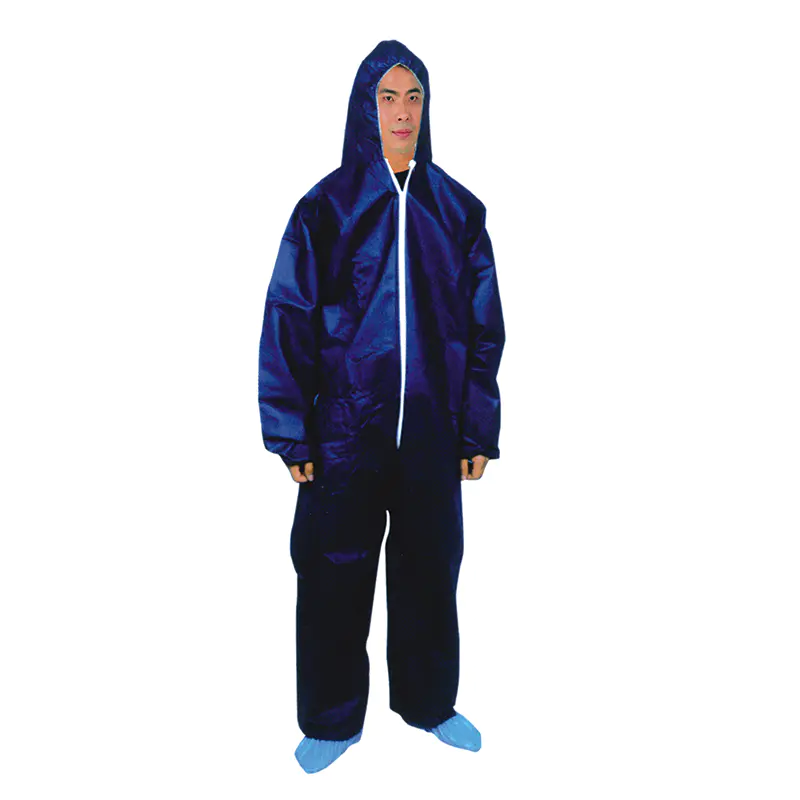
Coverall
Product Overview: PP Coverall SMD-280701
The PP coverall is a disposable protective garment made from polypropylene non-woven fabric. The supplied product information identifies it as code SMD-280701 with the description “PP Coverall.” The core product features include non-toxic PP material and the availability of different colors. Although these two points appear simple, they are highly important for a disposable garment used in protective, medical, and hygiene-related environments.
Polypropylene is widely used in disposable medical and hygiene products because it is lightweight, stable, economical, and suitable for non-woven production. In coverall form, PP fabric creates a breathable protective layer that covers the wearer’s torso, arms, and legs. Depending on the style and buyer requirements, common coverall structures may include a front opening, elastic cuffs, elastic ankles, elastic waist, and hood or collar options. Because the exact configuration may vary by order, purchasers should confirm size, closure, hood design, cuff style, packaging, and fabric weight before placing a bulk order.
The coverall is positioned within a broad range of medical consumables and healthcare support products. It is relevant to PPE products, first aid supply chains, surgery and nursing support, general medical facility maintenance, outpatient and inpatient hygiene management, and visitor protection. It can also be useful outside strictly medical environments, including food processing support, cleaning, light industrial work, warehouse operations, inspection visits, beauty and daily care service environments, and emergency preparedness kits.
Because the product is based on PP non-woven material, it is best understood as a practical barrier garment for general protection and contamination reduction. It should not be confused with specialized chemical-resistant suits, flame-resistant protective clothing, sterile surgical gowns, or high-level biohazard garments unless specifically manufactured, tested, and certified for those functions. This distinction is important for responsible procurement. A well-made PP coverall offers excellent everyday utility, but its performance should always match the intended risk level.
Why Polypropylene Is a Practical Material for Disposable Coveralls
Polypropylene, commonly abbreviated as PP, is one of the most important materials in disposable healthcare and protective clothing. Its popularity is not accidental. PP has a favorable combination of low weight, strength, chemical stability, cost effectiveness, and compatibility with large-scale non-woven manufacturing. For a coverall, these material properties translate into practical advantages for both users and purchasing teams.
First, PP is lightweight. A lightweight coverall reduces user fatigue, especially when staff need to wear protective clothing for extended periods during cleaning, inspection, patient support, or general facility work. Heavy garments can restrict movement and increase discomfort. A PP coverall supports easier mobility, helping users bend, walk, turn, and perform routine tasks with less strain.
Second, non-woven PP fabric can provide a useful physical barrier against dust, lint, light dirt, and general environmental contaminants. In controlled or semi-controlled environments, this barrier function helps reduce direct contact between the wearer’s clothing or skin and the surrounding workplace. It can also help reduce the release of fibers or particles from ordinary clothing into sensitive areas, depending on the application.
Third, PP is suitable for disposable use because it is economical and can be produced at scale. In many workplaces, reusable protective garments are not always practical. They require washing, drying, quality inspection, storage, and distribution. If laundering is inconsistent or storage is poor, reusable garments may create hygiene risks. Disposable PP coveralls simplify the process: users take a clean garment, wear it for the required task, and dispose of it according to facility rules.
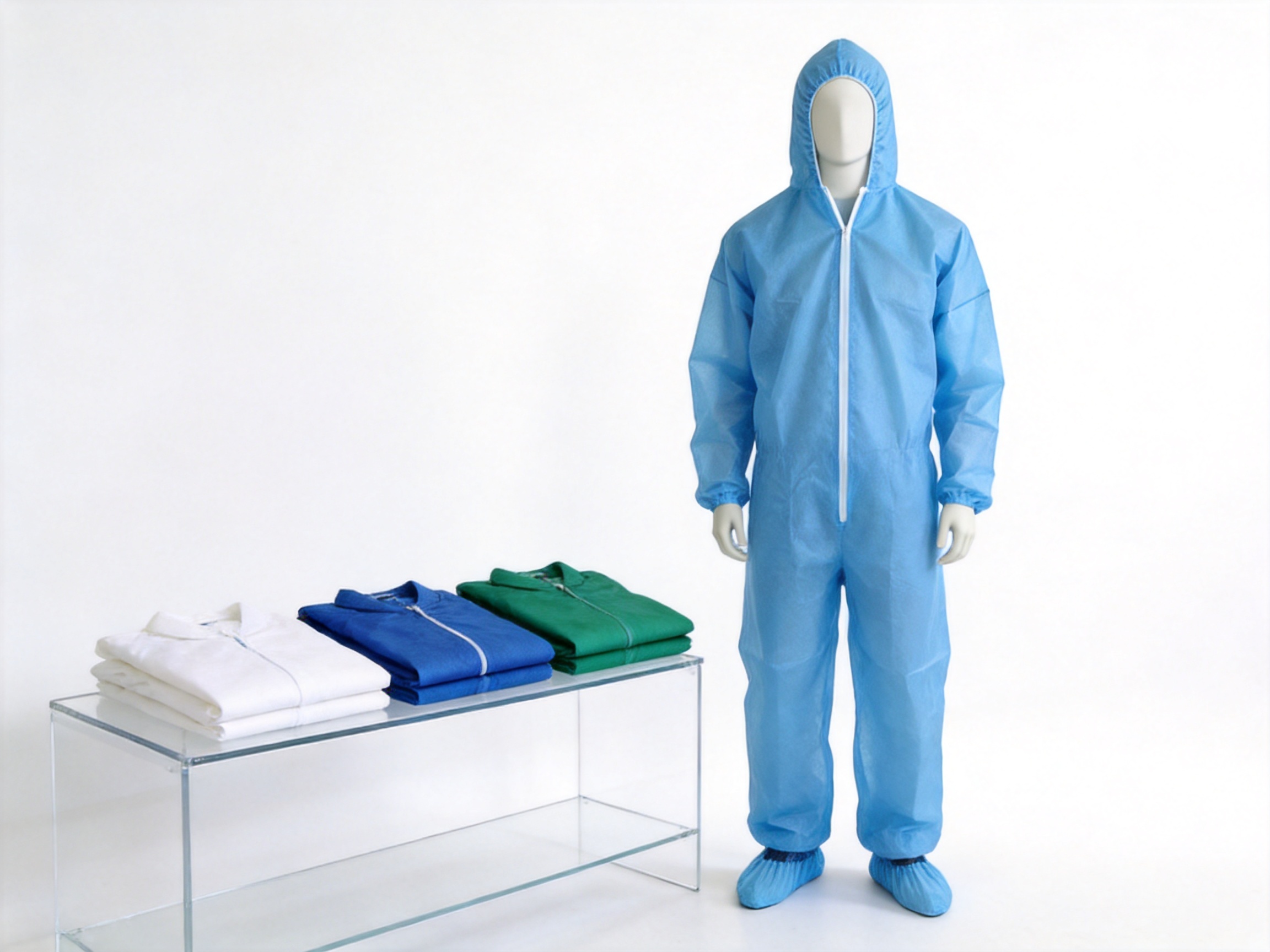
Fourth, PP is compatible with color customization. Different colors available for the coverall allow organizations to classify departments, work zones, visitor groups, risk areas, or product batches. For example, a facility may use one color for cleaning staff, another for maintenance visitors, and another for warehouse personnel. Color differentiation improves visual management and can reduce mistakes in busy workplaces.
Fifth, non-toxic PP material supports user confidence. In healthcare and hygiene-related procurement, material safety is a basic expectation. Buyers need products made from materials suitable for human contact within the intended use. Non-toxic PP supports the product’s role as a disposable protective garment for general PPE and medical consumable supply chains.
Key Advantages Over Competing Coverall Options
The market for disposable protective clothing includes many product types: PP coveralls, SMS coveralls, microporous film coveralls, PE-coated garments, laminated gowns, reusable textile garments, and specialized chemical suits. Each has its place. The advantage of the PP coverall lies in its balanced performance for general protective use. It is not designed to replace high-risk chemical or infectious disease protection suits, but it is highly competitive for everyday protection, visitor management, inspection, light-duty work, and cost-sensitive procurement.
Compared with heavier laminated garments, a PP coverall is usually more breathable and comfortable for routine use. Some high-barrier suits can trap heat and moisture, causing discomfort during long work periods. A PP non-woven coverall provides basic coverage while remaining light and wearable. This makes it especially useful in environments where users need protection from general contaminants rather than extreme hazards.
Compared with reusable garments, a disposable PP coverall reduces the logistical burden of laundering and garment tracking. Reusable garments may appear economical at first, but they require washing infrastructure, labor, quality inspection, repair, replacement, and inventory control. Disposable coveralls reduce these hidden costs. For emergency use, temporary workforces, short-term projects, first aid preparation, and visitor protection, disposable PP coveralls are often much easier to manage.
Compared with low-grade disposable garments from inconsistent suppliers, a coverall produced under a disciplined medical consumables manufacturing system offers stronger confidence in material selection, workmanship, packaging, and supply continuity. Buyers often face problems with irregular sizing, weak seams, poor fabric uniformity, inconsistent color, unclear labeling, and unstable delivery schedules. A professional manufacturer with medical consumables experience can reduce these risks through standardized procurement, incoming material inspection, controlled production, and final quality checks.
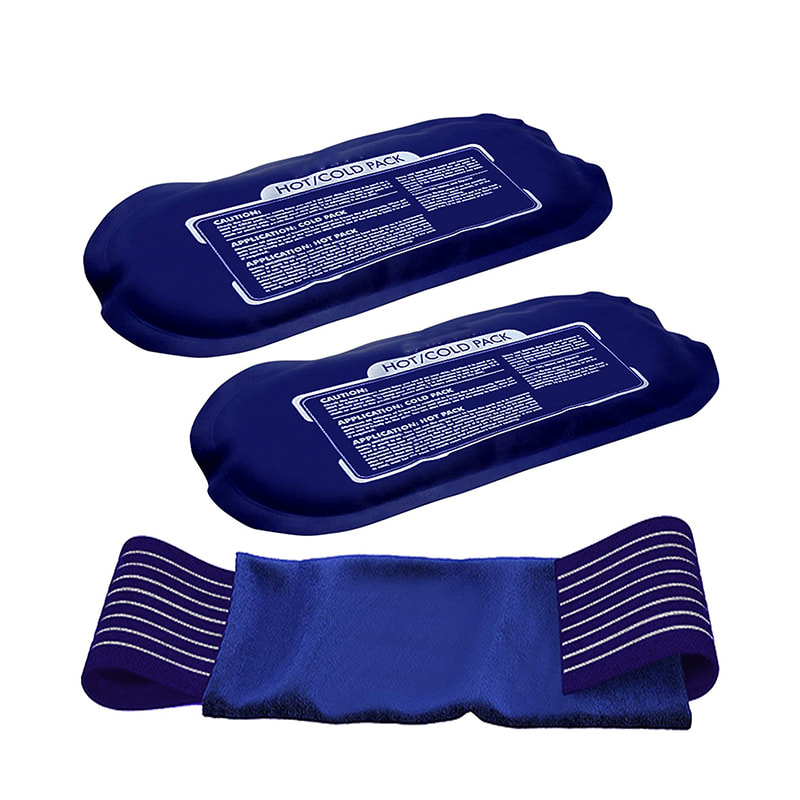
Compared with suppliers that focus only on one narrow product category, an integrated medical consumables manufacturer can support broader procurement needs. The company associated with this product supplies categories such as first aid products, wound dressing, gauze, bandages, medical tape, medical cotton, non-woven products, sports support items, pill boxes, hot and cold therapy products, syringes, catheters, surgical consumables, and other healthcare products. This broader portfolio allows buyers to consolidate sourcing, reduce supplier management time, and coordinate shipments across multiple product lines.
Another competitive advantage is export experience. A supplier that has served more than 60 countries is more familiar with documentation requirements, packaging preferences, language requirements, market differences, logistics coordination, and quality expectations. This matters greatly for distributors and importers. A good product is not enough if export support is weak. Stable communication, product files, consistent labeling, inspection documentation, and professional follow-up all contribute to the buyer’s final satisfaction.
Core Product Information
| Item |
Details |
| Product Name |
PP Coverall |
| Product Code |
SMD-280701 |
| Main Material |
Non-toxic polypropylene non-woven fabric |
| Primary Function |
General disposable body coverage for hygiene and light protection |
| Color Options |
Different colors available according to buyer requirements |
| Typical Users |
Healthcare workers, visitors, cleaning staff, inspectors, laboratory support staff, warehouse teams, and general PPE users |
| Procurement Value |
Lightweight, economical, easy to stock, disposable, and suitable for large-volume supply |
| Important Note |
Use should be matched to the risk level and confirmed specifications of the ordered product |
Design Value: Full-Body Coverage With Simple Practicality
A coverall is valued because it provides integrated body coverage. Unlike separate aprons, sleeves, or gowns, a coverall covers the upper and lower body in one garment. This helps reduce exposed areas and simplifies wearing procedures. When workers or visitors need to enter controlled areas, a coverall can be distributed quickly and worn over ordinary clothing. In high-turnover environments, this convenience is a significant operational benefit.
The PP coverall’s full-body structure is especially useful where clothing needs protection from dust, light dirt, or general contamination. It is also helpful where facilities want to reduce the transfer of particles from personal garments into the work area. By covering street clothes, uniforms, or personal clothing, the coverall supports cleaner workflow and more consistent hygiene control.
The simplicity of the PP coverall also lowers training requirements. Workers do not need complex instructions to use it. Basic guidance on selecting the correct size, putting it on, avoiding unnecessary tearing, removing it carefully, and disposing of it properly is usually sufficient. For large teams, temporary staff, visitors, and emergency situations, simple usability is a major advantage.
Comfort is another important design factor. A protective garment that users dislike wearing may lead to poor compliance. If a garment is too hot, too tight, too fragile, or too restrictive, users may avoid it or wear it incorrectly. Lightweight PP fabric helps improve acceptance for general-use applications. In procurement, user compliance should be considered a performance factor, not merely a comfort preference.
Color availability adds another layer of design value. In hospitals, clinics, laboratories, factories, or visitor areas, color-coded coveralls can make management easier. Supervisors can instantly identify whether someone is in the correct zone or belongs to the correct team. Color options may also support branding or customer-specific programs, provided that the buyer confirms color feasibility, minimum order quantities, and packaging requirements.
Application Areas in Healthcare and General Protection
The PP coverall is a versatile product that supports many use scenarios. In healthcare settings, it can be used for general facility work, visitor protection, cleaning support, maintenance activities, and non-sterile protective coverage. It may be stocked by hospitals, outpatient clinics, nursing departments, first aid suppliers, and emergency preparedness teams. Because it is disposable and easy to distribute, it is useful when temporary protective clothing is required quickly.
In first aid and emergency supply, disposable coveralls help create prepared response kits. Emergency events may involve dust, debris, bodily fluid concerns, environmental dirt, or unknown contamination. While specialized hazards require specialized PPE, a PP coverall provides a basic protective clothing layer for lower-risk tasks and support functions. It can be included alongside gloves, masks, gauze, bandages, medical tape, cotton products, and other consumables.
In laboratories or inspection areas, PP coveralls can help protect everyday clothing from light contamination and reduce particle transfer. They may be used by support staff, visitors, observers, or workers performing non-hazardous tasks. Laboratory managers should choose garment type according to risk assessment, but for general use, PP coveralls often provide a cost-effective solution.
In industrial and warehouse environments, coveralls are useful for dust control, inspection visits, product handling, packaging work, and general maintenance. They are especially relevant where workers need temporary protection but do not require heavy-duty reusable uniforms. Disposable PP coveralls can be stored at entry points and issued when needed.
In beauty, daily care, cleaning, and service industries, disposable coveralls can help protect clothing during treatments, sanitation work, cosmetic production support, or environmental cleaning. Their lightweight nature makes them practical for tasks where staff need a simple protective layer without wearing heavy industrial clothing.
In food-related support environments, disposable protective clothing may help maintain hygiene by covering personal garments. However, buyers in food production should verify whether the product specifications meet their internal food safety procedures and any applicable regulatory requirements. The key point is that PP coveralls are adaptable, but proper specification matching is always necessary.
Manufacturing Strength Behind the Product
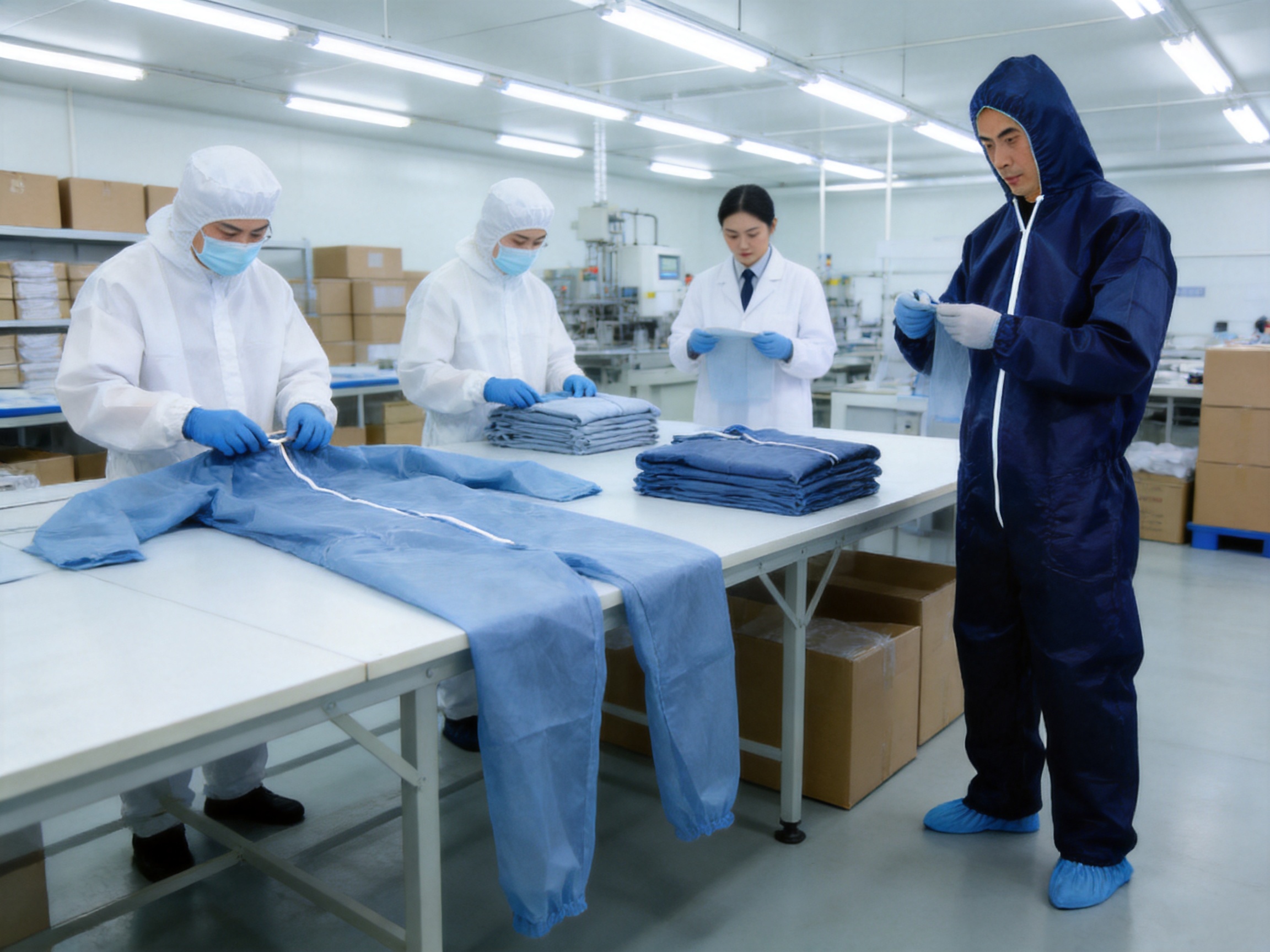
Protective clothing quality depends not only on material but also on manufacturing discipline. A PP coverall may appear simple, yet consistent production requires control over fabric selection, cutting accuracy, sewing or bonding workmanship, size grading, color consistency, packaging hygiene, labeling, and final inspection. A supplier with long experience in medical consumables is better positioned to manage these details than a general trading-only supplier.
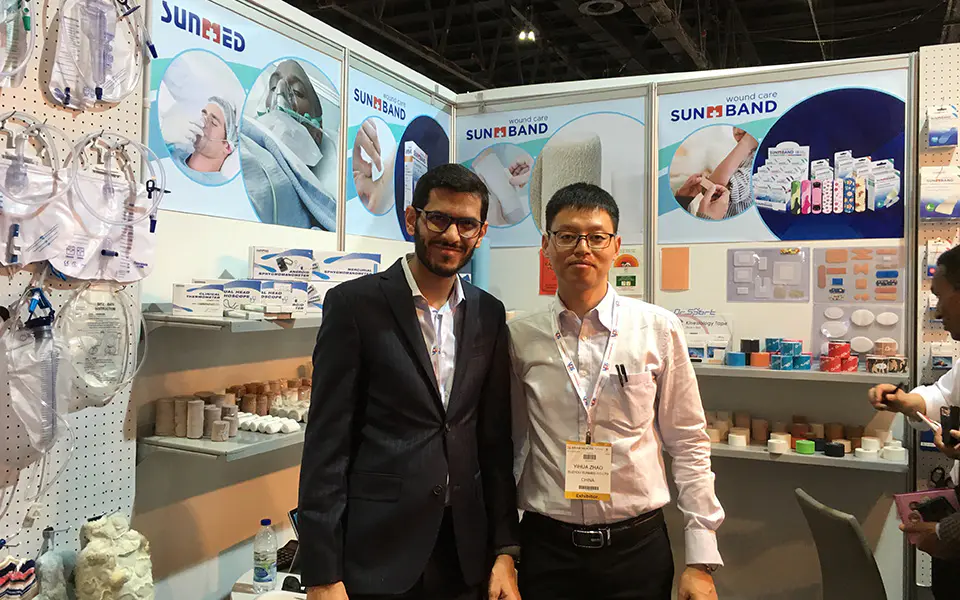
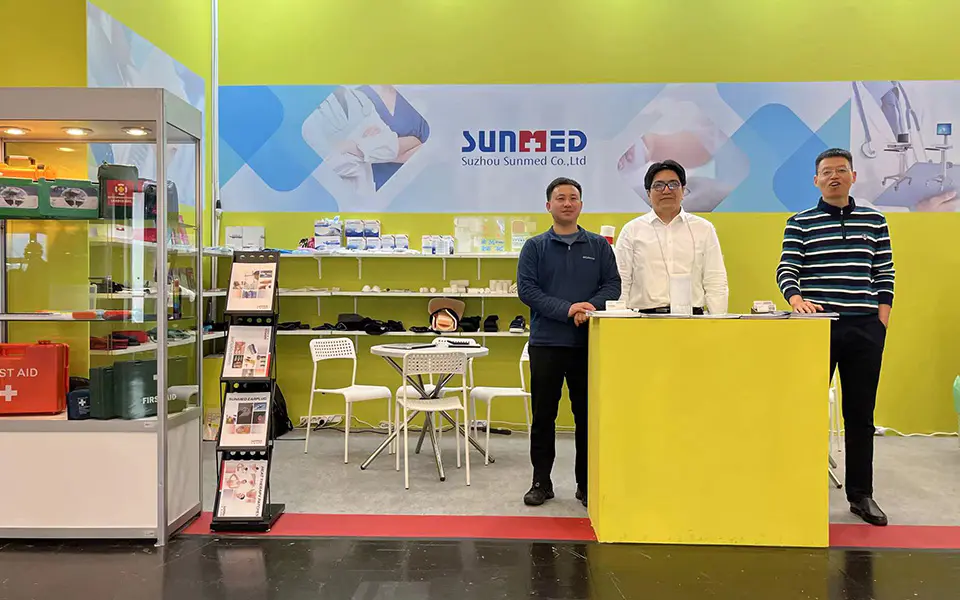
The company behind this product, Suzhou Sunmed Co., Ltd., is a professional manufacturer and exporter of first aid, medical, and healthcare products in China. It operates multiple production bases in Jiangsu, Zhejiang, and Anhui Province. This manufacturing network supports flexible capacity, product category specialization, and supply stability. For international buyers, multiple production bases can reduce dependence on a single site and improve the supplier’s ability to respond to large-volume or mixed-product orders.
With 30 years of experience in the medical device and medical consumables industry, the company has developed knowledge across first aid, wound dressing, gauze, bandages, medical tape, medical cotton, non-woven products, sports support, family healthcare products, and medical instruments. This cross-category experience is important because disposable coveralls belong to the broader ecosystem of medical supply and PPE procurement. A manufacturer familiar with healthcare consumable standards generally understands the importance of documentation, batch consistency, packaging, traceability, and customer communication.
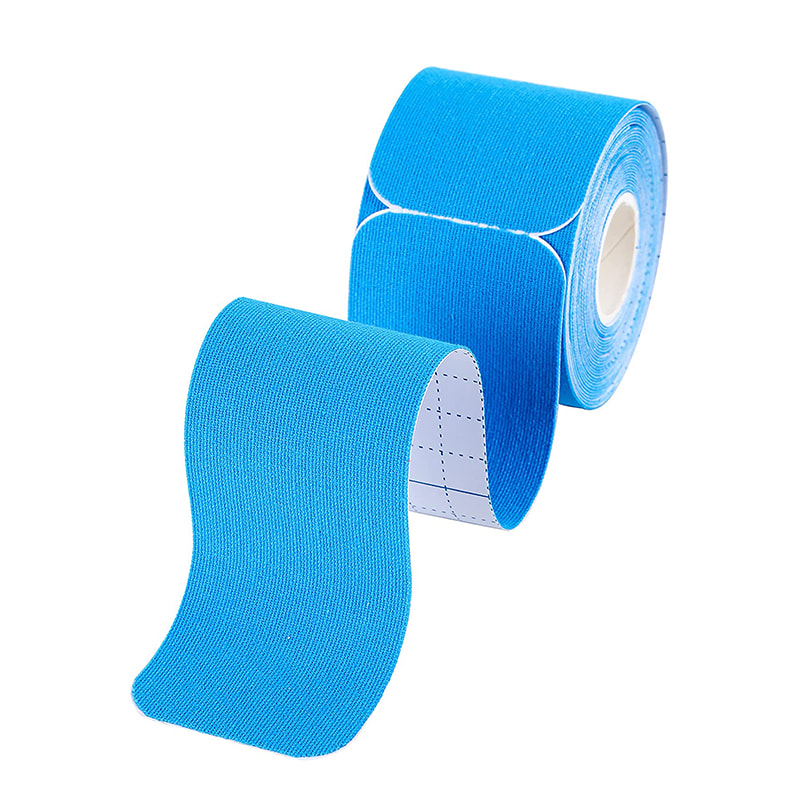
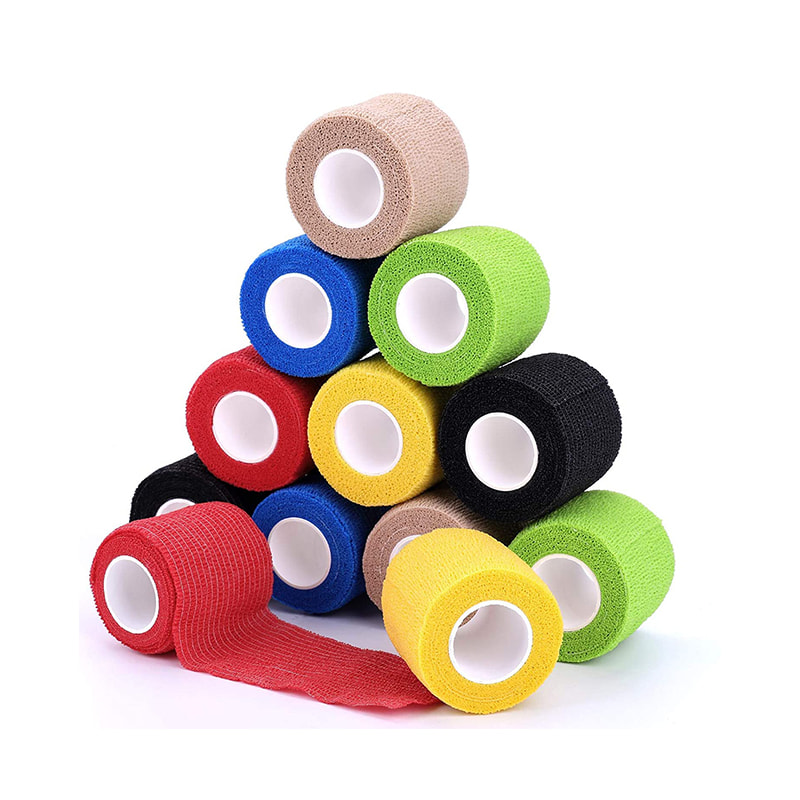
The company established a first aid factory in 2008 to meet first aid customer demand and later established its own factory for kinesiology tape, cohesive bandages, and elastic adhesive bandages in 2021 to accommodate growing customer needs. These expansions reflect a manufacturing strategy based on customer demand and product specialization. While the PP coverall is a non-woven protective product, it benefits from the same culture of production control and medical consumables experience.
A professional quality control team comprising hundreds of personnel follows inspection procedures to help ensure products meet ISO 13485:2016 standards. ISO 13485 is a quality management standard for medical devices and related organizations. For buyers, this provides assurance that the supplier understands structured quality management, document control, corrective action, supplier evaluation, product inspection, and continuous improvement. Even when a specific product is simple, quality management systems help reduce avoidable defects and support repeatable production.
Advanced Production Process Considerations
Although the precise production workflow depends on confirmed specifications, a professional PP coverall manufacturing process generally includes several important stages: raw material selection, incoming inspection, fabric storage, pattern design, cutting, garment assembly, seam checking, size verification, folding, packaging, labeling, final inspection, carton packing, and shipment preparation. Each stage affects final quality.
Raw material selection is the starting point. Non-toxic PP fabric must be sourced from approved suppliers and checked for appearance, weight, uniformity, softness, color, and physical condition. Inconsistent fabric can lead to weak garments, uncomfortable fit, irregular color, or poor customer acceptance. A disciplined manufacturer controls raw material purchasing and checks incoming batches before production.
Cutting accuracy is also essential. Coveralls require multiple panels that must align properly during assembly. Poor cutting can cause twisted seams, uneven legs, tight shoulders, short sleeves, or inconsistent sizing. Standardized patterns and controlled cutting processes help maintain garment consistency across large orders. For distributors, size consistency reduces customer complaints and returns.
Garment assembly is where many quality differences become visible. Seams should be neat and secure for the intended use. Elastic components, if included, should be properly attached and comfortable. Front closures should function smoothly. If the coverall includes a hood, the hood should fit naturally without excessive restriction. If it includes cuffs or ankles, they should provide practical coverage without tearing easily. Even when the garment is disposable, workmanship matters.
In-process inspection helps identify defects before large quantities are completed. Inspectors may check fabric defects, seam strength, skipped stitches, incorrect sizing, contamination, color mix-ups, and packaging errors. Early detection reduces waste and helps maintain schedule reliability. For international orders, preventing defects at the factory is far more efficient than resolving complaints after shipment.
Final inspection confirms that the finished PP coveralls meet order requirements. Inspectors may verify product code, description, color, size assortment, packaging method, carton marks, quantity, and visual quality. For OEM or private label orders, label accuracy is especially important. Incorrect labels, wrong language, or missing customer codes can disrupt import and distribution.
Packaging is not merely cosmetic. Proper packaging protects the garments during storage and transport. It also supports efficient warehouse handling and retail or institutional distribution. Buyers should confirm whether coveralls are individually packed, bulk packed, or arranged according to customized packaging requirements. For emergency kits or healthcare distribution, individually packed garments may be preferred. For industrial bulk use, larger inner bags may be more economical.
Quality Control and Compliance-Oriented Culture
Quality control is one of the most important differentiators in disposable PPE supply. The coverall market includes many low-cost options, but not all suppliers maintain stable quality from order to order. A buyer may receive acceptable goods once and poor goods later if the supplier frequently changes material sources, production partners, or inspection standards. This is why a compliance-oriented manufacturer is valuable.
ISO 13485:2016 quality management emphasizes controlled processes, risk-based thinking, documented procedures, supplier management, traceability, and corrective actions. For medical consumables and protective products, these principles reduce uncertainty. The buyer does not have to rely only on a sample; they can rely more confidently on the supplier’s system. A strong quality system supports repeat orders, long-term cooperation, and consistent market reputation.
The company states that most of its products are CE certified and that its Suzhou factories comply with FDA requirements. While buyers should always request product-specific certificates and technical files where required, this background indicates familiarity with regulated markets. European, American, and other international customers often require detailed documentation, labeling control, and quality assurance. Experience with these expectations helps the supplier communicate effectively and prepare orders correctly.
For the PP coverall, quality checks may include appearance inspection, material verification, size measurement, seam inspection, elastic performance observation, closure function check, color consistency review, packaging integrity, and carton quantity verification. Depending on buyer requirements, additional testing or third-party inspection may be arranged. The correct testing plan should be based on intended use, destination market, and contractual specifications.
Another important quality factor is communication. A manufacturer with professional export experience can help buyers define specifications clearly before production. Many PPE disputes occur because specifications are vague. For example, buyers may assume a certain fabric weight, packaging method, or size chart, while the supplier produces according to a different standard. Clear confirmation of product details protects both sides.
Comfort, Fit, and User Acceptance
A disposable coverall must be practical for real users. Material quality and barrier performance are important, but the garment must also be wearable. If users feel restricted, overheated, or uncomfortable, compliance may decline. Comfort affects safety behavior. A garment that people wear properly provides more consistent protection than a garment that users avoid or modify.
PP non-woven fabric is popular because it is light and reasonably breathable for general use. It supports movement and can be worn over ordinary clothing. For tasks requiring frequent walking, bending, cleaning, or inspection, lightweight coveralls can improve work efficiency. Users can focus on their tasks rather than constantly adjusting heavy or stiff garments.
Fit should be confirmed through size charts and samples. Coveralls must allow enough room for clothing underneath and movement during work. If too small, they may tear at stress points such as shoulders, crotch, elbows, or knees. If too large, they may create trip hazards or interfere with work. Professional buyers often order multiple sizes to suit different users.
Elastic features, when included, contribute to comfort and coverage. Elastic cuffs help keep sleeves in place. Elastic ankles help reduce dragging and improve fit over footwear. An elastic waist can improve shape and reduce loose fabric. However, elastic tension should not be too tight. The best design balances secure coverage with easy movement.
Color also affects user acceptance and facility management. White is often associated with cleanliness, blue with medical or industrial use, and other colors may support department classification. A supplier offering different colors can help buyers align products with internal procedures or market preferences. For distributors, color options create additional selling points.
Supply Chain Value for Global Buyers
For importers, wholesalers, and institutional procurement teams, product quality is only one part of the purchasing decision. Supply chain reliability is equally important. A PP coverall may be ordered in large quantities, included in mixed medical consumable shipments, or required for urgent customer demand. A supplier must be able to coordinate production, inspection, packing, documentation, and shipping efficiently.
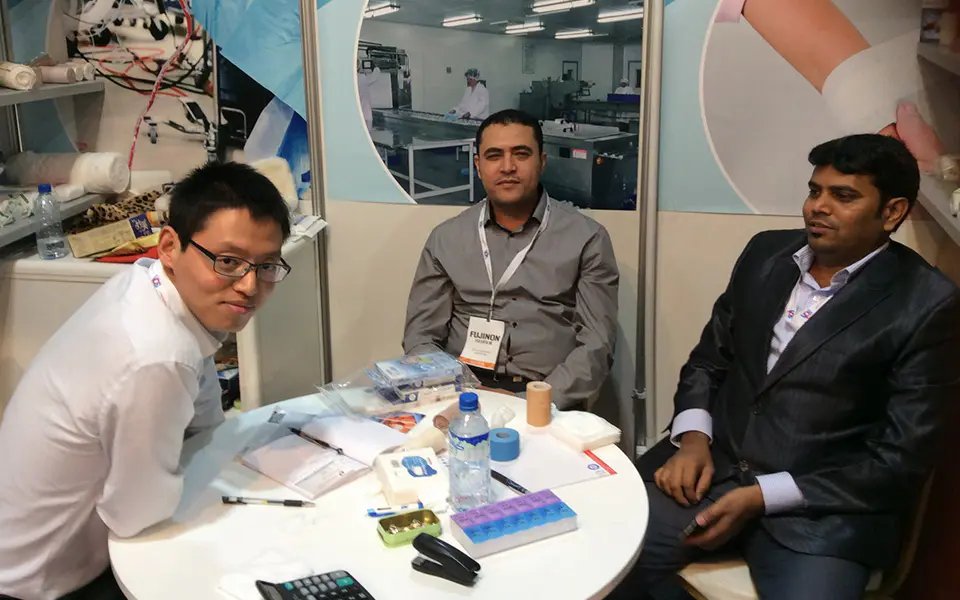
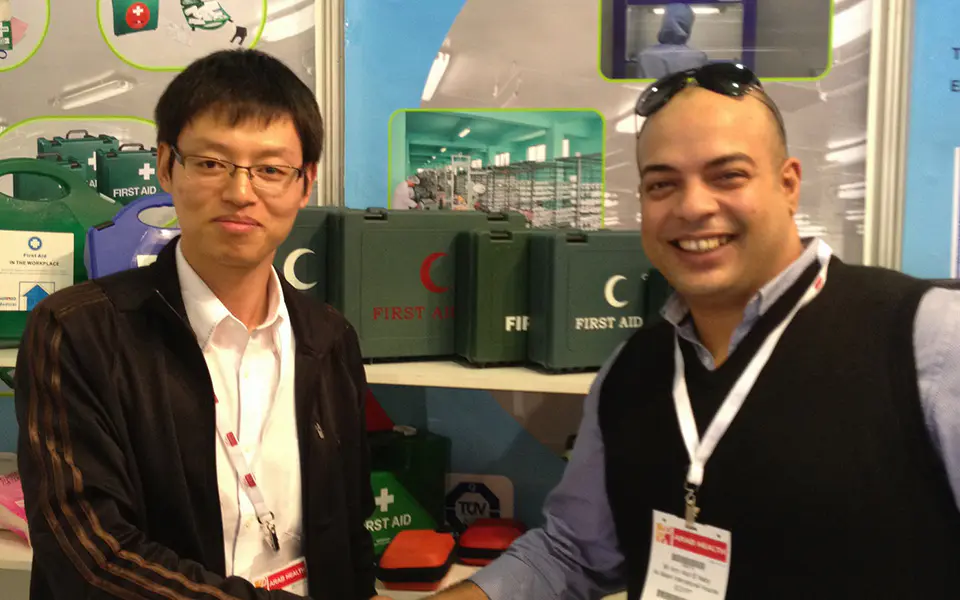
Suzhou Sunmed Co., Ltd. has exported products to more than 60 countries worldwide, including markets in Europe, Southeast Asia, Africa, and Oceania. Export destinations include countries such as the United Kingdom, Germany, Spain, Denmark, the Netherlands, Japan, Malaysia, the Philippines, Thailand, Tanzania, Mauritius, South Africa, Australia, and New Zealand. This broad international experience is valuable because each market has different buyer expectations, packaging norms, documentation needs, and logistics challenges.
The company’s market channels include hospitals, first aid suppliers, supermarkets, and retail sports shops. This diversity demonstrates the ability to serve both institutional and retail supply chains. Hospitals may require stable quality and documentation. First aid suppliers may need broad product ranges and kit assembly compatibility. Supermarkets may emphasize packaging appearance and retail readiness. Sports shops may focus on user-friendly products and market differentiation. A manufacturer that understands multiple channels can adapt the PP coverall offering to different business models.
For customers purchasing multiple categories, supplier consolidation can reduce cost and complexity. A distributor may source PP coveralls together with gauze, bandages, medical tape, cotton products, adhesive bandages, hot and cold therapy products, sports support products, pill boxes, syringes, infusion products, or other consumables. Combining orders may improve container utilization, simplify payment, reduce supplier audits, and streamline communication.
Another supply chain advantage is OEM support. The company’s experience as a medical consumables manufacturer and exporter suggests capability in customer-specific packaging, product selection, and wholesale supply. For private label buyers, the ability to customize color, packaging, carton marks, and documentation can make the product more market-ready. Buyers should provide artwork, labeling requirements, language requirements, and destination compliance expectations early in the process.

Responsible Use and Product Selection
A PP coverall is highly useful, but responsible product selection is essential. Protective clothing must always match the hazard. A standard PP coverall is suitable for general protection, hygiene control, light-duty contamination reduction, and disposable coverage. It should not be selected for high-risk chemical exposure, fire hazards, intense liquid splash, sterile surgical procedures, or confirmed high-level infectious disease environments unless the specific garment has been designed and certified for those risks.
Procurement teams should conduct a risk assessment before purchasing. Important questions include: What contaminants are present? Is the work dry or wet? Is liquid exposure possible? Are chemicals involved? Is the garment needed for visitors or workers? How long will it be worn? Is breathability more important than high barrier performance? Is color coding needed? What sizes are required? What packaging format will be most efficient?
Buyers should also confirm disposal procedures. Disposable coveralls should be removed carefully to reduce contamination transfer and discarded according to facility rules. In medical or laboratory environments, disposal may depend on the type of exposure. In general industrial environments, disposal may follow ordinary workplace waste procedures unless contaminated by hazardous materials. Local regulations and internal procedures should guide final disposal methods.
Storage conditions matter as well. Coveralls should be stored in clean, dry areas away from direct sunlight, excessive heat, moisture, and sharp objects. Cartons should be handled carefully to avoid crushing or tearing packages. Proper storage helps preserve product appearance and usability until distribution.
Customization and Procurement Flexibility
Different buyers have different requirements. Some need basic white PP coveralls for hospital visitor use. Others need blue or green coveralls for warehouse inspection, cleaning teams, or industrial visitors. Some buyers require individual packaging for hygiene and convenience, while others prefer bulk packaging to reduce cost. A flexible supplier can adapt the product to the buyer’s market and usage scenario.
Color customization is one of the most visible options. Because the product information notes that different colors are available, buyers can plan color-coded programs. For example, a hospital may use one color for visitors and another for facility maintenance. A distributor may offer multiple colors to expand catalog appeal. An industrial customer may choose colors that contrast with the work environment for easier visibility.
Size customization or size range planning is another important factor. Coveralls are worn over clothing, so sizing must accommodate different body types and movement. Buyers should review size charts carefully and may request samples before confirming bulk orders. A well-planned size assortment reduces waste and improves user satisfaction.
Packaging customization can support retail, institutional, or emergency kit markets. Retail-ready packaging may need attractive labeling, barcodes, and multilingual instructions. Institutional packaging may prioritize easy counting and fast distribution. Emergency kits may require compact individual packs. The supplier’s export and OEM experience can help buyers select practical options.
Documentation customization may also be required. Importers may need invoices, packing lists, certificates, declarations, product specifications, technical data, or inspection reports. Professional exporters understand these needs and can coordinate documents before shipment. This reduces customs delays and improves supply chain efficiency.
How the PP Coverall Supports Modern Hygiene Programs
Modern hygiene programs depend on layers of control. No single product solves every problem. Gloves protect hands, masks protect respiratory pathways depending on type and use, medical tape and dressings support wound care, gauze and bandages support first aid, and protective garments support body coverage. The PP coverall is one of these layers. It helps reduce direct contact between ordinary clothing and the work environment.
In medical facilities, hygiene programs often require visitor control, maintenance control, cleaning procedures, and protective clothing for specific tasks. A disposable coverall can be distributed when ordinary uniforms are not enough or when visitors need temporary coverage. Because it is disposable, it reduces the risk of garments moving between areas without cleaning.
In first aid and emergency preparedness, coveralls help create readiness. Emergencies are unpredictable, and protective clothing may be needed quickly. Stocking PP coveralls with other consumables improves response capability. The garments are easy to store, simple to use, and practical for a wide range of low-to-moderate concern situations.
In industrial hygiene, coveralls can help manage dust, dirt, and product contamination. For example, maintenance workers entering a clean production area may wear disposable coveralls over their regular clothing. Inspectors visiting a warehouse may use coveralls to avoid carrying dust into another facility. Cleaning teams may wear coveralls to protect their clothing during sanitation tasks.
In distribution and retail, PP coveralls are easy to explain to customers. Their function is intuitive: full-body disposable protective coverage. This makes them a strong catalog item for medical supply distributors, PPE wholesalers, first aid suppliers, and general healthcare product sellers.
Comparison With Other Protective Garment Types
Understanding the PP coverall’s role becomes easier when compared with other garment options. SMS coveralls, for example, are made from spunbond-meltblown-spunbond layers and may provide improved barrier properties compared with basic PP, depending on specifications. Microporous film coveralls may offer better liquid resistance while maintaining some breathability. PE-coated garments may provide more liquid resistance but can feel hotter and less breathable. Reusable textile garments may be durable but require laundering and tracking. Chemical suits are specialized for defined chemical hazards and must meet specific standards.
The PP coverall sits in the practical general-use category. It is ideal when buyers need economical, lightweight, disposable coverage and do not require high-level liquid or chemical protection. This positioning is important because many customers do not need the most expensive garment. Over-specification increases cost and can reduce comfort. Under-specification increases risk. The best procurement decision is based on matching product type to task.
For distributors, offering PP coveralls alongside other PPE categories creates a tiered product range. Entry-level PP coveralls can serve general protection needs, while higher-barrier coveralls can serve more demanding applications. This allows customers to choose based on risk and budget. The PP coverall therefore plays an important role as a high-volume, cost-efficient protective clothing option.
Buyer Checklist for Ordering PP Coveralls
Before ordering PP coveralls, buyers should prepare a clear specification sheet. This prevents misunderstandings and improves production accuracy. The checklist should include product code, material type, fabric weight if required, color, size range, style details, hood or collar requirement, cuff and ankle design, closure type, packaging method, carton quantity, labeling content, required documents, inspection requirements, and destination market.
Buyers should request samples when placing new orders or changing specifications. Samples allow evaluation of fabric feel, size, workmanship, color, packaging, and user comfort. For large-volume purchases, sample approval should be documented before mass production.
Buyers should also clarify acceptable quality limits and inspection procedures. This can include visual defect criteria, measurement tolerances, packaging checks, and carton marking requirements. A professional manufacturer will welcome clear standards because they reduce disputes and support efficient production.
Lead time should be confirmed based on order quantity, customization level, material availability, and shipping method. During periods of high PPE demand, early planning is especially important. Buyers who forecast demand and place scheduled orders can reduce emergency purchasing costs.
Finally, buyers should maintain open communication with the supplier. The best results come from long-term cooperation, not one-time transactional purchasing. A manufacturer with 30 years of industry experience and global export coverage can provide valuable guidance when buyers share their market needs clearly.
Company Strengths That Enhance Product Reliability
The PP coverall benefits from being part of a mature medical consumables supply system. Suzhou Sunmed Co., Ltd. has developed a broad product portfolio and manufacturing base over decades. Its experience includes first aid products, wound dressing, medical gauze, bandages, medical tape, medical cotton, medical non-woven products, sports bandages, family healthcare products, kinesiology tape, cohesive bandages, elastic adhesive bandages, disposable syringes, catheters, surgical consumables, and other medical consumables.
This background matters because PPE buyers often need more than one product. A hospital supplier may purchase coveralls, gauze, bandages, adhesive bandages, medical tape, and cotton products together. A first aid distributor may need coveralls for emergency kits along with wound care supplies. A healthcare wholesaler may require multiple categories for different customer groups. Working with a broad manufacturer improves purchasing efficiency.
The company’s quality control team is another strength. Hundreds of quality personnel following inspection procedures create a stronger quality culture than informal inspection alone. In disposable product manufacturing, small defects can become large problems when orders involve thousands or millions of units. Systematic inspection reduces risk.
Compliance with ISO 13485:2016 standards indicates attention to quality management in the medical device and consumables field. Most products being CE certified and Suzhou factories complying with FDA requirements further support the company’s ability to work with international markets. Buyers should still verify product-specific compliance, but the company’s overall experience is a strong advantage.
The company also emphasizes easy and fruitful cooperation and communication. This is not a minor point. International procurement involves time zones, documentation, packaging details, regulatory questions, freight coordination, payment terms, and after-sales support. A cooperative supplier saves time and reduces stress. Long-term relationships are built on clear communication as much as product quality.
Market Positioning and Value Proposition
The PP coverall SMD-280701 is positioned as a practical disposable protective garment for general PPE and hygiene control. Its value proposition can be summarized in four points: lightweight non-toxic PP material, different color availability, reliable manufacturing support, and strong export-oriented supply capability.
For end users, the product provides convenient full-body coverage. It is easy to wear, lightweight, and suitable for many routine protective tasks. For facility managers, it supports hygiene programs, visitor control, and task-based protection. For distributors, it is a high-demand product that fits into medical consumables, PPE, first aid, and industrial supply catalogs. For importers, it can be sourced from a manufacturer with broad healthcare product experience and international market knowledge.
Compared with competitors that offer only price-based products, this PP coverall is supported by a company with long-term industry experience, multiple production bases, a wide product portfolio, quality control systems, and global export experience. These factors reduce procurement risk. In many markets, the lowest unit price is not the lowest total cost if quality issues, delays, inconsistent packaging, or poor communication occur. A stable supplier creates better long-term value.
The product’s simplicity is also a strength. It does not require complex explanation or specialized training for general use. It can be stocked in bulk, distributed quickly, and applied across departments. When paired with clear risk assessment and proper disposal procedures, the PP coverall becomes a reliable component of everyday protective clothing programs.
Frequently Asked Questions
What is the PP coverall made from?
The PP coverall is made from non-toxic polypropylene non-woven material. Polypropylene is lightweight, practical, and widely used in disposable medical and hygiene products.
What is the product code?
The product code is SMD-280701, and the description is PP Coverall.
Is the coverall available in different colors?
Yes. Different colors are available, allowing buyers to support department identification, visitor control, market preference, or customized procurement programs.
What are the main advantages of this PP coverall?
The main advantages include lightweight comfort, disposable convenience, non-toxic PP material, full-body coverage, color flexibility, easy storage, and suitability for large-volume supply.
Can this coverall be used in hospitals?
It can be used for suitable general protective and hygiene-related tasks in healthcare environments, such as visitor protection, cleaning support, and non-sterile general coverage. Buyers should confirm specifications and ensure the garment matches the intended risk level.
Is this coverall suitable for chemical protection?
A standard PP coverall should not be assumed to provide specialized chemical protection. Chemical hazards require garments specifically designed and certified for those risks. Buyers should perform a risk assessment before selection.
How does it compare with reusable coveralls?
Disposable PP coveralls reduce laundering, tracking, repair, and storage burdens. They are especially practical for visitors, temporary staff, emergency preparedness, and situations where clean single-use garments are preferred.
Why is supplier experience important for a simple product like a coverall?
Even simple disposable garments require consistent material, accurate cutting, secure assembly, correct sizing, clean packaging, and reliable documentation. An experienced medical consumables manufacturer can better control these factors and support repeat orders.
Can the product be customized for private label orders?
Customization may be available depending on order requirements, including color, packaging, labeling, and carton marks. Buyers should confirm specifications, minimum quantities, artwork, and destination requirements before production.
What should buyers confirm before ordering?
Buyers should confirm material, fabric weight if required, color, size chart, garment style, packaging method, labeling, documentation, inspection standards, order quantity, lead time, and destination market requirements.
Conclusion
The PP coverall SMD-280701 is a practical disposable protective garment made from non-toxic polypropylene material and available in different colors. Its greatest strength is its balance: it offers full-body coverage, lightweight comfort, disposable convenience, and economical procurement value for general protective and hygiene-related applications. It is suitable for buyers who need reliable, easy-to-stock protective clothing for healthcare support, first aid supply, cleaning, inspection, visitor management, warehouse operations, and other light-duty environments.
Its competitive value is strengthened by the manufacturing background behind it. A supplier with 30 years of experience in medical devices and medical consumables, multiple production bases, a broad product range, ISO 13485:2016 quality management, CE-certified product experience, FDA-compliant factory standards, and exports to more than 60 countries can offer more than a garment. It can offer supply stability, communication efficiency, quality control, documentation support, and long-term cooperation.
For buyers comparing protective clothing options, the PP coverall should be selected when the task calls for lightweight disposable coverage rather than specialized high-barrier protection. When properly specified and responsibly used, it becomes a dependable part of a modern PPE and hygiene control program. Its simplicity, flexibility, and manufacturability make it a strong choice for distributors, healthcare suppliers, institutional purchasers, and global importers seeking practical protective workwear with consistent supply support.
References
International Organization for Standardization. ISO 13485:2016, Medical Devices: Quality Management Systems: Requirements for Regulatory Purposes.
International Organization for Standardization. ISO 13688, Protective Clothing: General Requirements.
European Committee for Standardization. EN 14126, Protective Clothing: Performance Requirements and Test Methods for Protective Clothing Against Infective Agents.
U.S. Food and Drug Administration. Quality System Regulation and Medical Device Quality Management Guidance Materials.
Association for the Advancement of Medical Instrumentation. ANSI/AAMI PB70, Liquid Barrier Performance and Classification of Protective Apparel and Drapes Intended for Use in Health Care Facilities.
World Health Organization. Practical Guidance on Infection Prevention, Personal Protective Equipment, and Healthcare Hygiene Practices.

 English
 Español
 русский
 Français
 Deutsch
 italiano
 By Admin