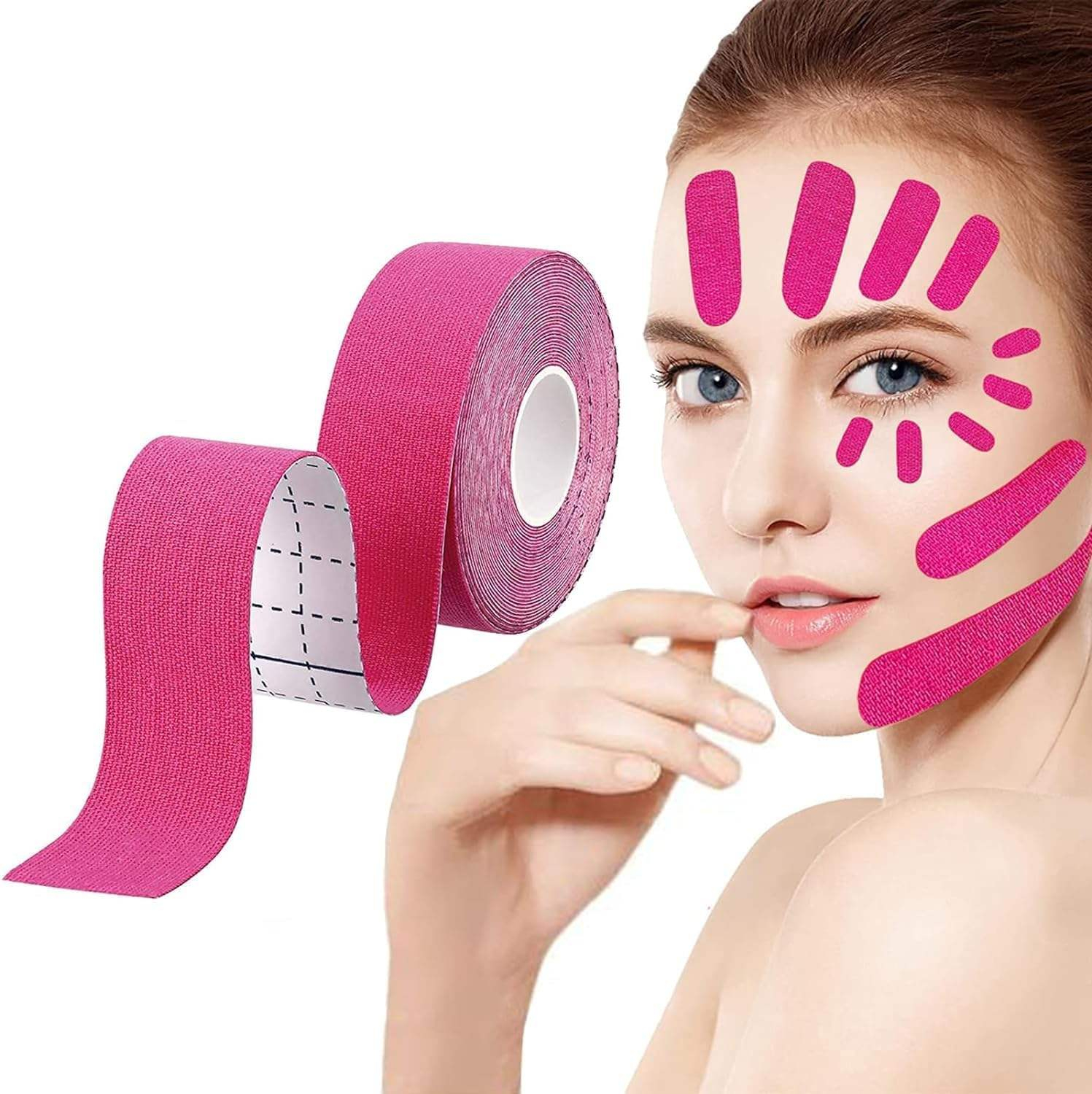
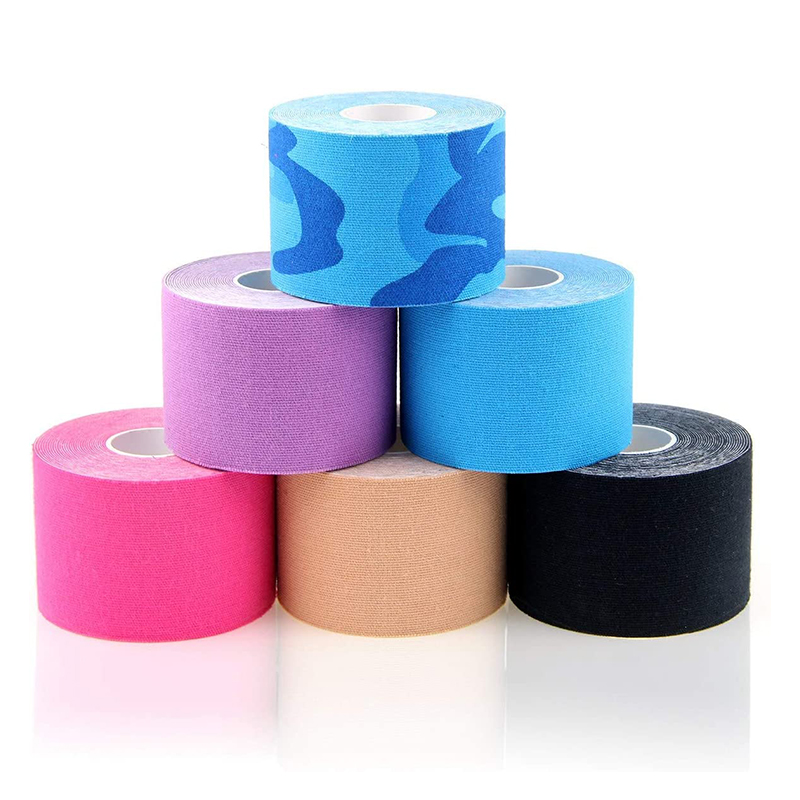
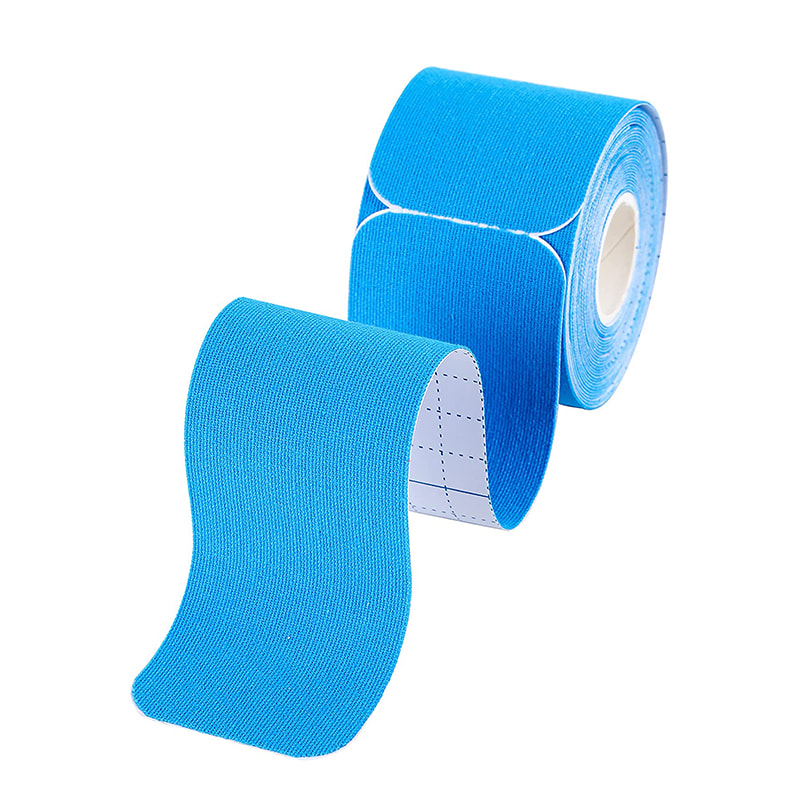
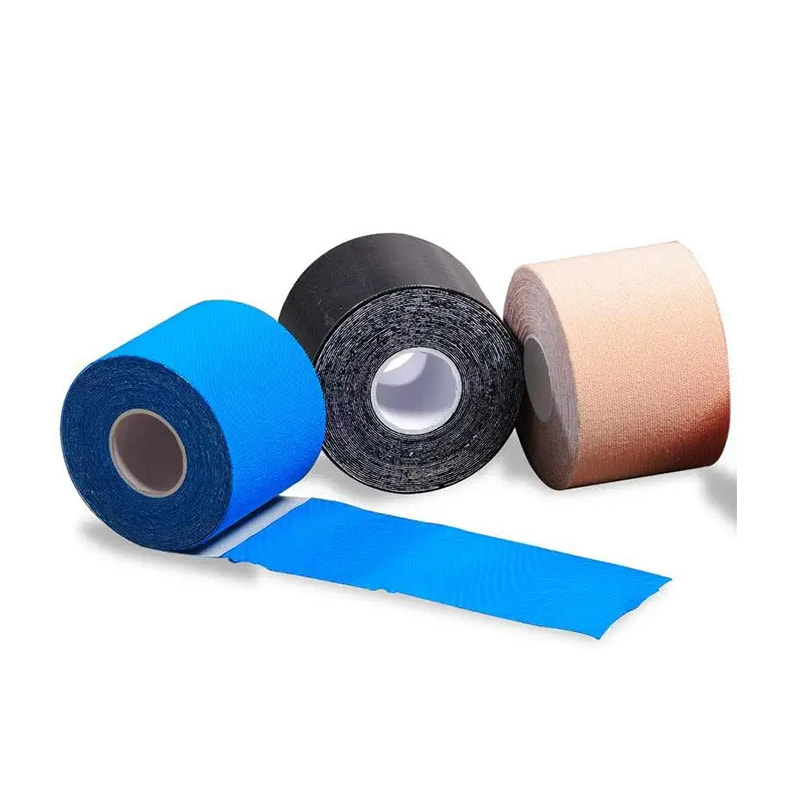
Kinesiology tape has become an essential support tool for athletes, rehabilitation professionals, trainers, and active consumers who need flexible stabilization without limiting natural movement. Among the many options available in the sports support and first aid market, Sport Tex Tape stands out as a high-quality precut kinesiology tape designed for comfort, elasticity, breathability, and reliable adhesion. It is made from a cotton and spandex fabric blend with medical-grade acrylic adhesive, giving users a balance of skin-like stretch, lightweight wear, and practical durability during exercise, recovery, and daily activity.
This article examines the product’s structure, performance advantages, application benefits, manufacturing background, and competitive value. It also explains why a well-engineered kinesiology tape is more than a simple strip of fabric. The right tape must combine material science, adhesive control, cutting accuracy, packaging consistency, quality inspection, and user-focused design. Sport Tex Tape is developed for support around common injury-prone areas such as knees, shoulders, Achilles tendons, shins, rotator cuffs, iliotibial bands, quadriceps, hamstrings, upper back, lower back, and neck. It is suitable for athletic settings, rehabilitation use, and general wellness support when properly applied.
Sport Tex Tape
Understanding the Role of Kinesiology Tape
Kinesiology tape is different from rigid athletic tape. Traditional athletic tape is often used to restrict movement and stabilize joints by limiting range of motion. Kinesiology tape, by contrast, is designed to stretch with the body. Its purpose is to provide dynamic support while allowing movement, making it especially useful for athletes who need to train, compete, and recover without feeling restricted.
The tape is commonly applied over muscles, tendons, ligaments, and joints. When positioned correctly, it can help support soft tissue, promote comfort, and assist users in maintaining movement awareness. Many users also value kinesiology tape because it can be worn during activity, under clothing, and in wet conditions such as sweating, showering, or swimming. The product’s breathable structure helps reduce the uncomfortable trapped-moisture feeling often associated with less advanced tapes.
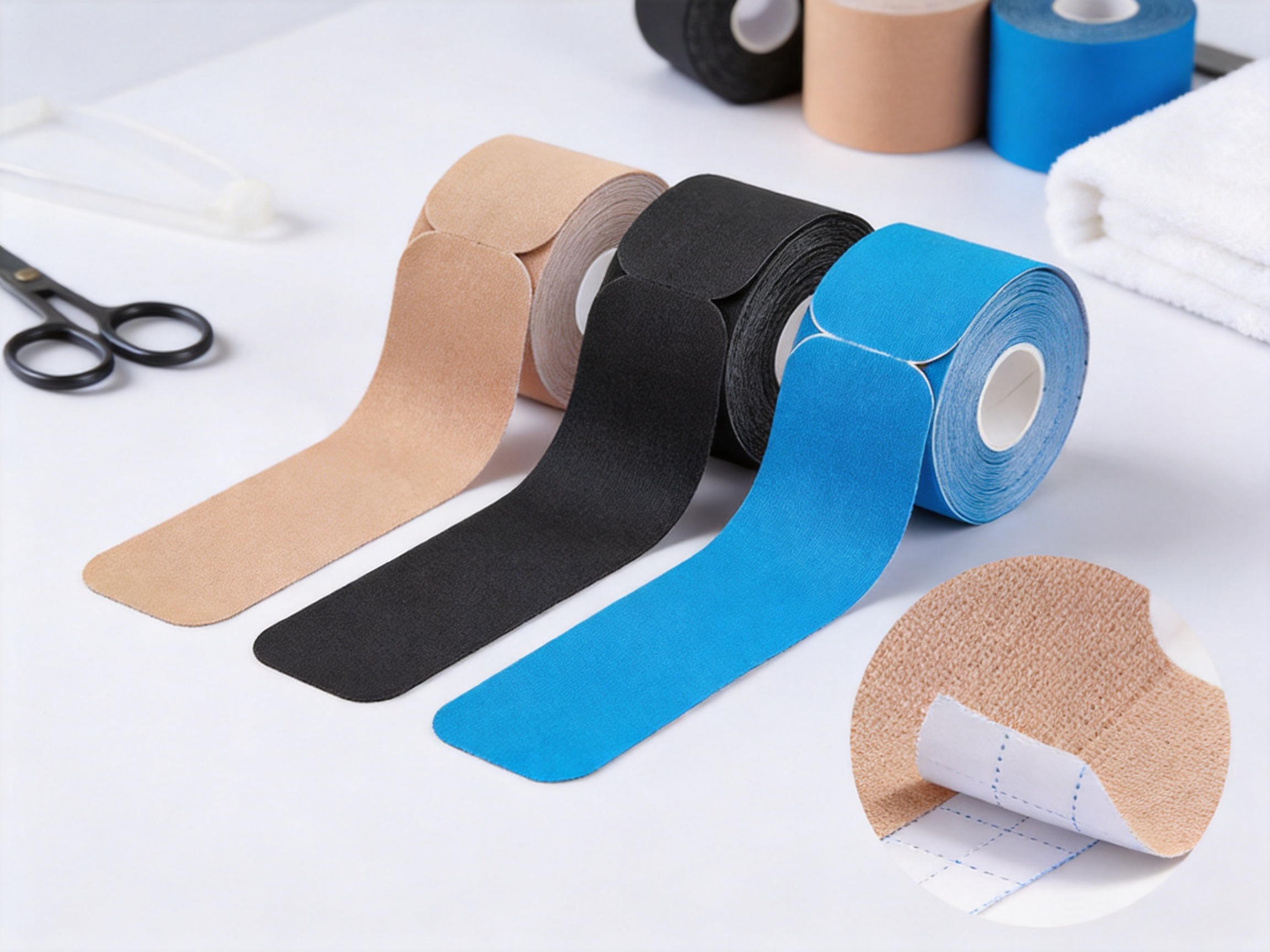
Sport Tex Tape is engineered to answer the practical needs of modern users. It is precut, which means the strips are ready to use without requiring scissors or manual shaping. Rounded corners help reduce fraying and peeling. The fabric is soft, stretchable, and light enough for extended wear. Its acrylic adhesive is latex-free and does not contain medications or topical ingredients, making it suitable for users who prefer a drug-free mechanical support option.
Product Overview
Sport Tex Tape is a precut kinesiology tape made with a high-quality cotton fabric and acrylic glue. The material composition is designed to provide skin-friendly elasticity, support, and breathability. The fabric is described as 95% cotton and 5% spandex, giving it a comfortable texture and stretch behavior close to the movement of skin and muscles. This is important because kinesiology tape must move with the body rather than resist it.
The product is designed to provide good support to muscles and joints while maintaining comfort. It can be used as part of injury prevention routines, edema control approaches, and pain management support strategies. When properly applied, kinesiology tape may last several days, often from three to five days, and in some cases up to one week depending on skin condition, activity level, application method, and environmental exposure.
The tape is air permeable, allowing sweat to evaporate and helping maintain strength and stability during activity. Users are generally advised to apply it around thirty minutes before exercise to allow the adhesive to bond properly to the skin. Because it is precut into practical strips, it avoids the mess and inconsistency of cutting from long rolls. This makes it convenient for trainers, clinics, sports teams, first aid suppliers, and consumers who want fast, repeatable application.
Key Product Features
Sport Tex Tape combines several important features into one product. Its first advantage is the fabric. Cotton provides comfort, softness, and breathability, while spandex adds stretch and recovery. Together, they create a tape that can follow the natural motion of muscles and joints without creating harsh pulling sensations.
The second advantage is the adhesive. The tape uses a hypoallergenic, medical-grade acrylic adhesive that is designed to be flexible, comfortable, and non-irritating to many skin types. Unlike latex-based products, it is latex-free, which reduces concern for users with latex sensitivity. It also contains no medication or topical ingredient, making it suitable for users who want external physical support without adding active pharmaceutical substances to the skin.
The third advantage is the precut format. Long rolls of kinesiology tape can be economical, but they require cutting, corner rounding, and experience. Poorly cut tape can fray, peel early, or produce uneven tension. Precut strips reduce these problems by providing consistent dimensions and rounded corners. This is especially helpful for sports teams, physical therapy environments, retail users, and emergency support situations where fast application matters.
The fourth advantage is wearability. The tape is water resistant and breathable. It can be worn during exercise and daily life, and it dries quickly after exposure to moisture. Properly applied tape can remain in place for several days, helping users maintain consistent support without reapplying after every workout.
Material Design and Comfort
Comfort is one of the strongest differentiators in the kinesiology tape category. A tape may look good in packaging, but if it feels stiff, hot, itchy, or overly aggressive on the skin, users will remove it quickly. Sport Tex Tape addresses comfort through its cotton-spandex blend and porous fabric construction.
Cotton is valued for its soft touch and skin-friendly feel. It allows air exchange and helps reduce the heavy plastic sensation found in some synthetic tapes. Spandex adds elasticity, helping the tape stretch and recover as the body moves. This combination provides both support and mobility, which is essential for sports such as weightlifting, rock climbing, judo, football, volleyball, gymnastics, baseball, and hockey.
Breathability is also important for long-wear performance. During exercise, sweat and heat build up under non-breathable materials. This can lead to discomfort, reduced adhesion, and skin irritation. Sport Tex Tape uses porous fabric to help the skin breathe beneath the tape. Moisture-wicking and humidity-resistant properties support continued use in demanding conditions.
The fabric is thin and lightweight, which helps the tape feel less bulky under clothing or sports gear. Athletes can apply it to knees, shoulders, ankles, backs, or arms without feeling heavily wrapped. For users recovering from soft-tissue discomfort, this lightweight comfort can encourage continued movement, which is often important in active recovery programs.
Adhesive Performance and Skin Compatibility
The adhesive layer is one of the most important technical elements of any kinesiology tape. It must be strong enough to stay on the skin during movement, sweat, and moisture exposure, but gentle enough to remove without excessive discomfort. Sport Tex Tape uses a medical-grade acrylic adhesive designed to meet this balance.
Acrylic adhesive is widely used in medical and sports tapes because it offers stable performance and can be formulated for skin contact. It provides reliable tack while allowing flexibility. In kinesiology tape, the adhesive pattern and amount must be controlled carefully. Too little adhesive causes early lifting; too much can make removal uncomfortable and reduce breathability. A well-controlled adhesive layer supports consistent performance.
The tape is latex-free. This is a significant advantage over products that may contain natural rubber latex, because latex sensitivity is a concern for many users in sports, healthcare, and home care environments. Latex-free construction makes the product easier to include in broader supply programs where users’ sensitivity status may not always be known.
The tape does not contain medications or topical ingredients. This reduces the risk of ingredient-related conflicts and makes the tape suitable for mechanical support applications. Users should still apply the tape to clean, dry, intact skin and discontinue use if irritation occurs. As with all adhesive products, individual skin response can vary.
Precut Convenience Compared with Traditional Rolls
One of the most visible advantages of Sport Tex Tape is its precut design. Traditional kinesiology tape rolls require users to measure strips, cut them to length, and round the corners. For skilled professionals, this process may be manageable, but for ordinary consumers, it can be inconvenient and inconsistent. In fast-paced athletic environments, repeated cutting also wastes time.
Precut strips simplify the process. Each strip is ready for application, helping users apply tape quickly and with more consistent results. Rounded corners help prevent fraying and reduce the chance of corners catching on clothing, socks, braces, or sports equipment. This can improve wear time and appearance.
Precut tape also improves portability. Users can carry a few strips in a gym bag, first aid kit, travel kit, or team equipment box. There is no need to bring scissors or a full roll. For retail consumers, the easy-to-use format reduces the learning barrier and makes the product more approachable.
For clinics and sports trainers, precut formats can support workflow efficiency. Standardized strips reduce preparation time, help maintain consistent application quality, and reduce material waste from uneven cutting. This can make the product especially attractive for institutions that value efficiency and repeatability.
Support Without Sacrificing Mobility
Modern athletic support products must do more than hold a joint in place. Many users need support while continuing to move through sport-specific patterns. A volleyball player needs shoulder mobility; a runner needs knee and Achilles movement; a weightlifter needs joint awareness without losing range; a gymnast needs support that follows complex motion.
Sport Tex Tape is designed to provide support to muscles, ligaments, tendons, and joints while allowing motion. Its elasticity is described as basically similar to that of skin and muscles. This matters because the tape can stretch with the body rather than pulling sharply against it. When properly placed, the tape can help users feel supported without the rigid limitation of conventional strapping.
This flexible support is especially helpful for injury-prone areas. Knees may need patellar or soft-tissue support; shoulders may require positioning assistance around the rotator cuff; shins may benefit from support during running; hamstrings and quadriceps may require large muscle support; the upper and lower back may benefit from postural awareness. In each case, a flexible kinesiology tape can be adapted to the body area and movement pattern.
Because Sport Tex Tape is thin and breathable, it can be worn under uniforms, sleeves, compression garments, or daily clothing. This makes it useful not only during competition but also during recovery periods, workdays, travel, and general movement.
Water Resistance and Multi-Day Wear
Users often choose kinesiology tape because they want support that lasts beyond a single training session. Sport Tex Tape is water resistant, breathable, and quick drying. It can be worn during exercise, showering, or swimming when properly applied. This multi-environment performance is important for athletes and active consumers who do not want to replace tape every time they sweat or get wet.
Proper application is essential for long wear. Skin should be clean, dry, and free of oils, lotions, or heavy hair. The tape should be applied at least thirty minutes before activity to allow the adhesive to bond. Users should avoid touching the adhesive surface excessively and should rub the tape gently after application to activate the adhesive through warmth and pressure.
When applied correctly, kinesiology tape applications typically last from three to five days. The exact duration depends on activity intensity, skin type, climate, application site, and aftercare. Edges may lift sooner in areas of high friction, such as under socks, braces, or tight clothing. Rounded corners and good adhesive quality help reduce this problem.
Compared with low-cost tapes that peel after a workout, a reliable multi-day tape can offer better value. Fewer reapplications mean less waste, less frustration, and more continuous support. This is an important competitive advantage for users who train frequently.
Applications for Sports and Daily Movement
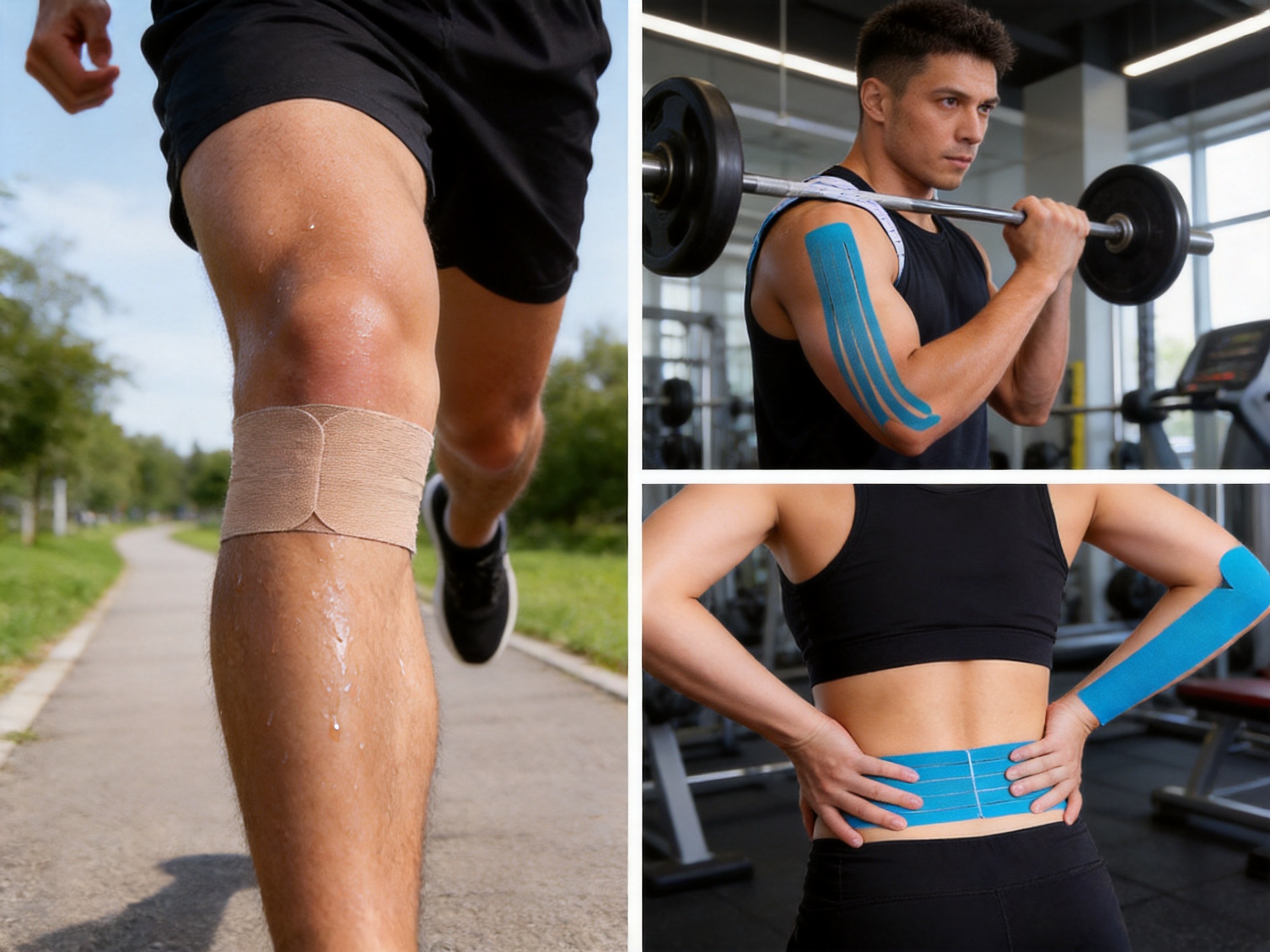
Sport Tex Tape is suitable for a wide range of sports and physical activities. In weightlifting, athletes may use tape around shoulders, knees, wrists, or lower back areas as part of their support routine. In running, tape may be applied around knees, shins, Achilles tendons, calves, or iliotibial band regions. In ball sports such as football, volleyball, baseball, and hockey, it may be used to support muscles and joints exposed to sprinting, jumping, throwing, and directional changes.
In combat sports and martial arts such as judo, athletes need support that does not excessively restrict movement or create bulky wrapping. Lightweight kinesiology tape can be helpful because it adheres directly to the skin and moves with the body. In rock climbing and gymnastics, where flexibility and precise body control are essential, a tape that supports without locking joints may be preferable to rigid athletic strapping.
Outside competitive sports, the tape may be used by active workers, fitness enthusiasts, hikers, dancers, and individuals managing everyday muscle or joint discomfort. It may also be included in family first aid kits, sports support kits, and rehabilitation supplies. Its drug-free, latex-free design makes it broadly practical.
The tape is not a substitute for medical diagnosis or treatment. Serious injuries, persistent pain, swelling, numbness, or reduced function should be evaluated by a qualified healthcare professional. However, as a supportive product used properly, kinesiology tape can be a practical part of activity management and recovery routines.
Competitive Advantages in the Kinesiology Tape Market
The kinesiology tape market includes many products that appear similar at first glance. However, important differences exist in fabric quality, adhesive consistency, breathability, elasticity, cutting accuracy, packaging, and quality control. Sport Tex Tape offers a combination of features that help distinguish it from lower-grade alternatives.
First, the cotton-spandex fabric provides a comfortable and athletic-grade feel. Some low-cost tapes use fabric that is too stiff, too thin, or poorly elastic. This can lead to uncomfortable tension, rapid deformation, or poor support. Sport Tex Tape is designed to match the natural elasticity of skin and muscles more closely.
Second, the tape uses hypoallergenic medical-grade acrylic adhesive. Adhesive quality determines whether the tape stays on during sweat and movement. Poor adhesive can peel quickly or leave heavy residue. A controlled acrylic adhesive layer supports reliable wear and user comfort.
Third, the product is breathable and moisture resistant. Breathability improves comfort during multi-day wear, while water resistance helps maintain adhesion during exercise and hygiene routines. This is important for athletes who need dependable performance in real conditions, not just in dry indoor settings.
Fourth, the precut design improves user convenience. Competitor products sold only in rolls may require cutting skills and extra tools. Sport Tex Tape reduces preparation time and improves consistency, especially for first-time users.
Fifth, the product benefits from the manufacturer’s broader experience in medical consumables, first aid products, wound care, sports bandages, and healthcare supplies. This manufacturing background supports quality control, material selection, and export compliance.
Product Feature Comparison
| Feature |
Sport Tex Tape |
Common Low-Cost Alternative |
User Benefit |
| Fabric composition |
95% cotton and 5% spandex thin fabric |
Often unknown or inconsistent fabric blend |
Comfortable stretch, soft feel, and improved mobility |
| Adhesive |
Hypoallergenic medical-grade acrylic adhesive |
Variable adhesive quality, sometimes harsh or weak |
Reliable wear with skin-conscious performance |
| Latex content |
Latex-free |
May not always be clearly specified |
Suitable for broader user groups concerned about latex sensitivity |
| Format |
Precut strips with rounded corners |
Often supplied as uncut rolls |
Faster application, less waste, reduced fraying |
| Breathability |
Porous, breathable, moisture-wicking fabric |
May trap heat and sweat |
Better comfort during exercise and multi-day wear |
| Water resistance |
Designed for exercise, showering, and swimming when properly applied |
May peel quickly in wet conditions |
More dependable support for active lifestyles |
| Wear duration |
Typically 3 to 5 days when properly applied |
Often shorter due to weak edges or adhesive inconsistency |
Greater convenience and value |
Manufacturing Strength Behind the Product
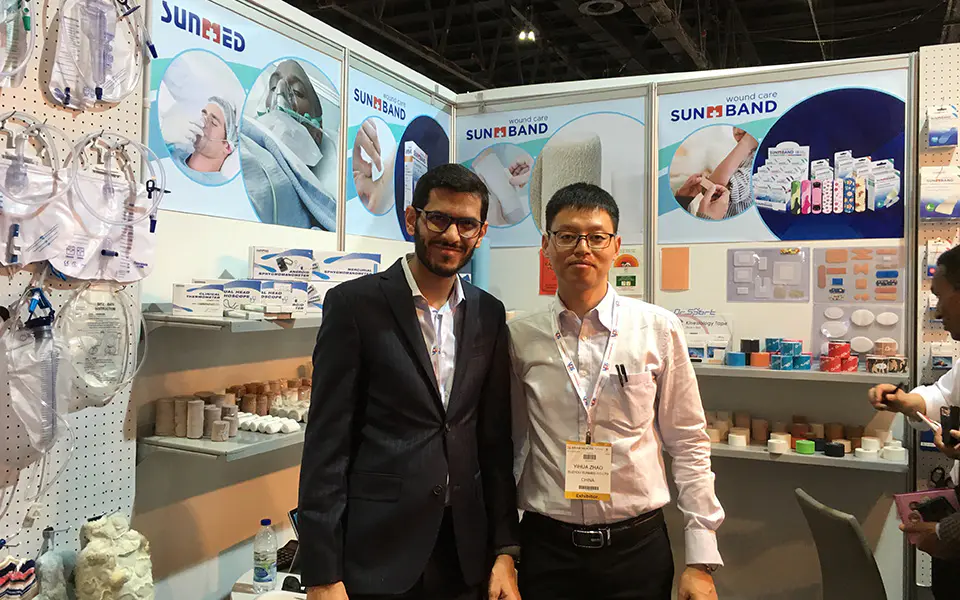
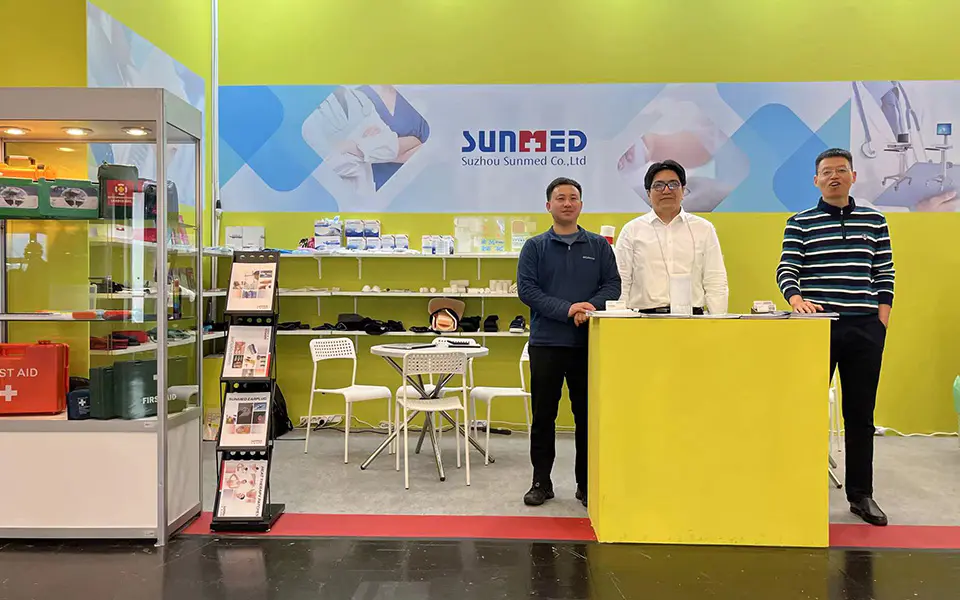
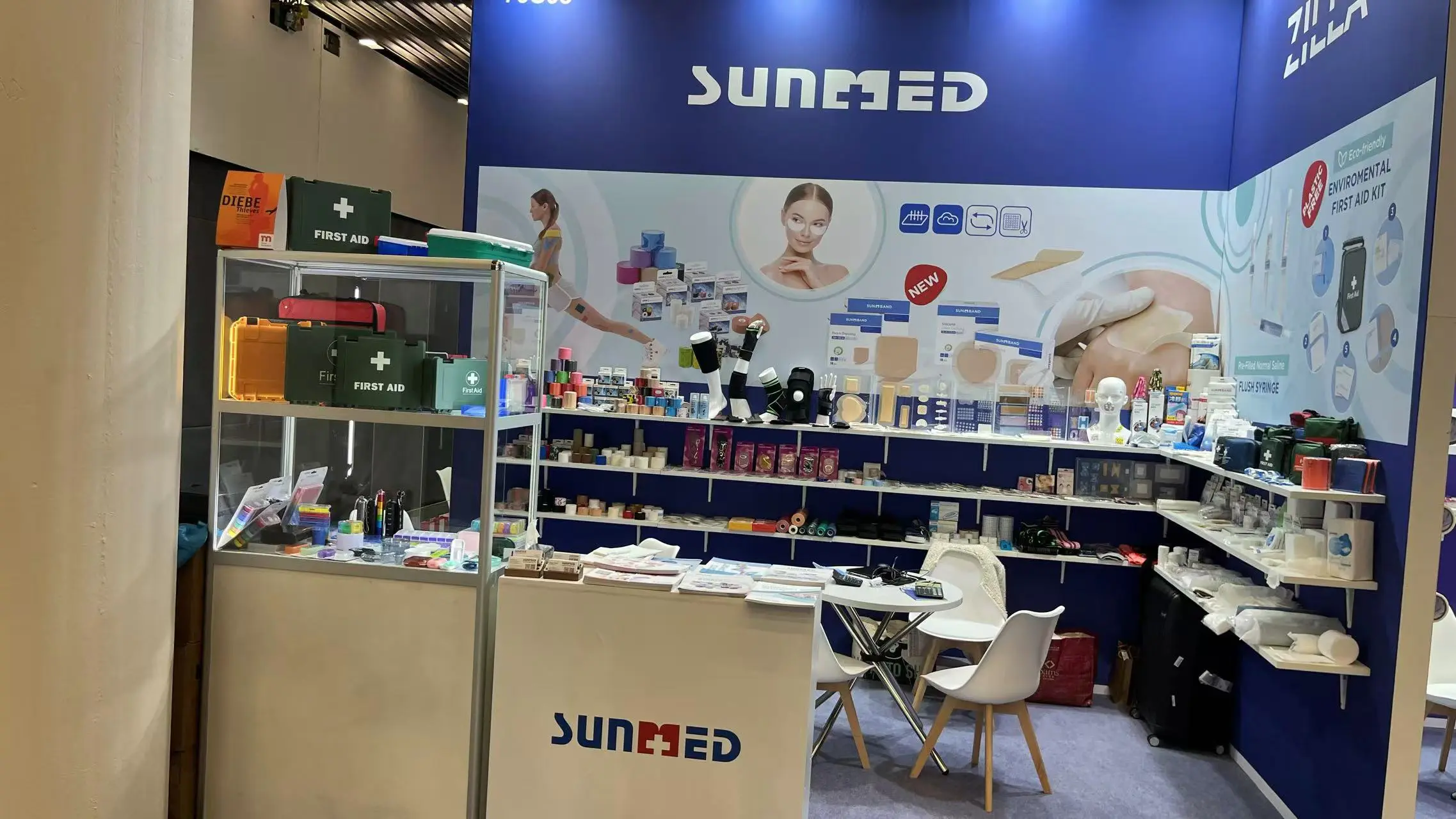
Sport Tex Tape is supported by the manufacturing experience of Suzhou Sunmed Co., Ltd., a professional manufacturer and exporter of first aid, medical, and healthcare products in China. The company has decades of experience in the medical device and medical consumables industry and operates multiple production bases in Jiangsu, Zhejiang, and Anhui Province. This broad industrial foundation gives the company strong capability in product development, production management, quality control, and international supply.
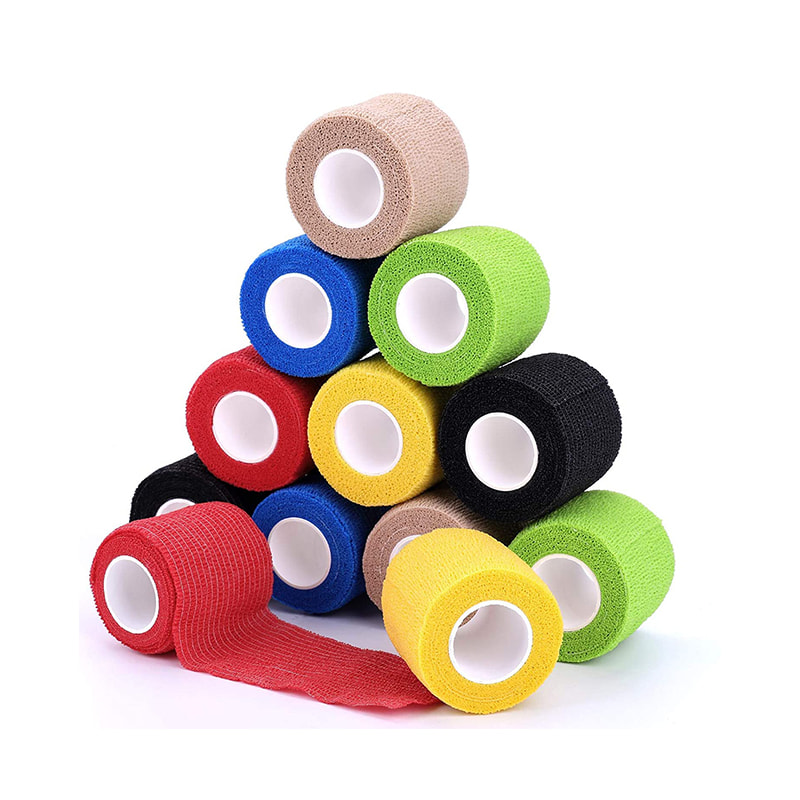
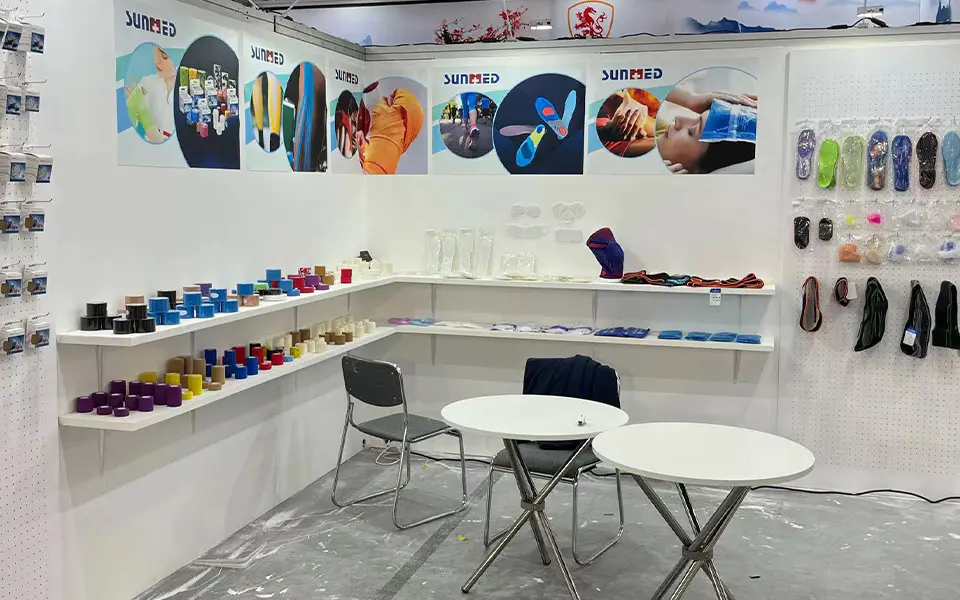
The company’s product range includes wound dressings, medical gauze, bandages, medical tape, medical cotton, non-woven products, sports bandages, family healthcare products, kinesiology tape, cohesive bandages, elastic adhesive bandages, disposable syringes, catheters, surgical consumables, and other medical consumables. This wide category experience is important because kinesiology tape combines elements of textile production, adhesive coating, medical supply standards, and sports support product design.
In 2021, the company established its own factory for kinesiology tape, cohesive bandages, and elastic adhesive bandages to meet growing customer demand. This dedicated production capability strengthens control over material sourcing, coating quality, cutting precision, packaging, and delivery. It also supports OEM and wholesale customers who require consistent quality, customization, and dependable supply.
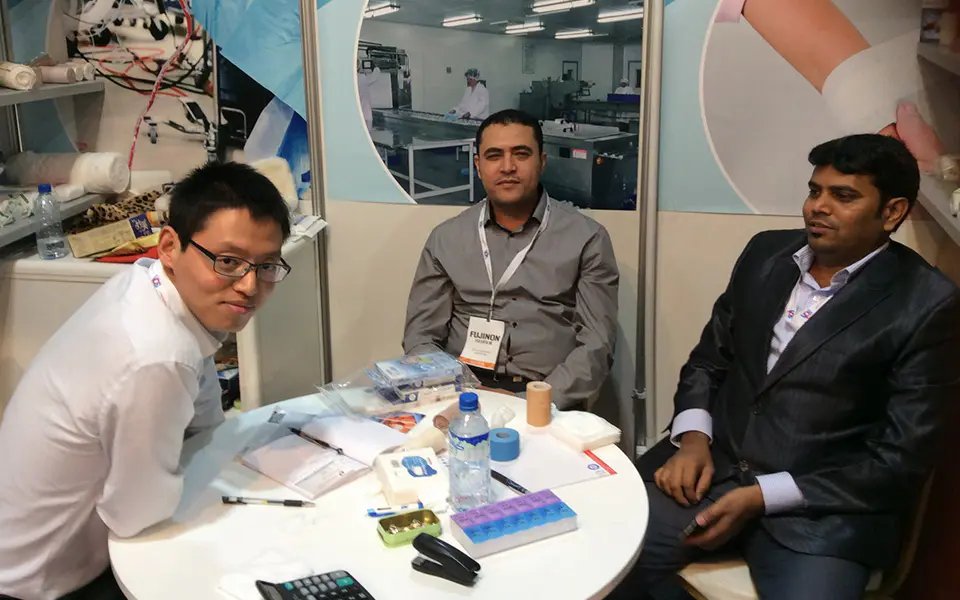
The company exports products to more than sixty countries, including markets in Europe, Southeast Asia, Africa, and Oceania. This international experience indicates familiarity with diverse customer expectations, regulatory environments, packaging requirements, and logistics needs. Markets served include hospitals, first aid suppliers, supermarkets, and retail sports shops, which all require stable product performance and professional service.
Advanced Production Process
High-quality kinesiology tape production requires much more than cutting fabric into strips. A dependable product begins with raw material selection. Cotton and spandex must meet requirements for softness, stretch, strength, and skin comfort. The fabric should maintain consistent thickness and elasticity so that each strip performs predictably.
After fabric selection, adhesive formulation and coating are critical. The acrylic adhesive must be prepared and applied in a controlled manner. Coating consistency affects tack, breathability, residue, and wear time. If the adhesive layer is uneven, some areas may peel while others may adhere too aggressively. Advanced manufacturing uses controlled coating processes to help ensure each batch meets expected performance characteristics.
Drying or curing conditions must also be managed carefully. Adhesive performance can be affected by temperature, humidity, and processing time. Proper production control helps maintain adhesion strength while preserving fabric elasticity and comfort.
Cutting is another important stage. Precut strips must be shaped cleanly, with rounded corners that resist fraying and lifting. Poor cutting can create loose fibers, uneven edges, and inconsistent appearance. Precision cutting supports both function and presentation.
Packaging protects the tape from contamination, moisture, and damage during shipping and storage. For international customers, packaging may also need to meet branding, language, labeling, and retail display requirements. A manufacturer with OEM experience can help customers adapt packaging for supermarkets, pharmacies, sports shops, clinics, and online retail channels.
Quality Control and Compliance Culture
Quality control is essential for any product that contacts the skin and is used in sports or healthcare-related settings. Suzhou Sunmed maintains a professional quality control team that follows inspection procedures aligned with ISO 13485:2016 quality management standards for medical devices. Many of the company’s products are CE certified, and its Suzhou factories comply with FDA requirements.
For kinesiology tape, quality control may involve checking fabric weight, elasticity, adhesive strength, peel performance, roll or strip dimensions, cutting accuracy, appearance, packaging integrity, and batch consistency. These checks help ensure that customers receive products that perform reliably from one shipment to the next.
Consistent quality is especially important for wholesale buyers and private label customers. A sports shop or medical supplier cannot afford large variation between batches. If one batch adheres well and the next batch peels early, customer trust is damaged. A strong inspection system reduces this risk.
Quality control also supports user safety. Adhesive products should be manufactured in clean, controlled environments with appropriate attention to materials and packaging. While kinesiology tape is non-invasive, it still requires responsible production because it is applied directly to the skin and may be worn for several days.
Why Factory Strength Matters to Buyers
For distributors, retailers, and healthcare supply buyers, product quality is only one part of the purchasing decision. Supplier strength is equally important. A good supplier must deliver consistent products, respond quickly, support customization, manage documentation, and handle international logistics. Suzhou Sunmed’s experience as a medical consumables manufacturer and exporter provides these advantages.
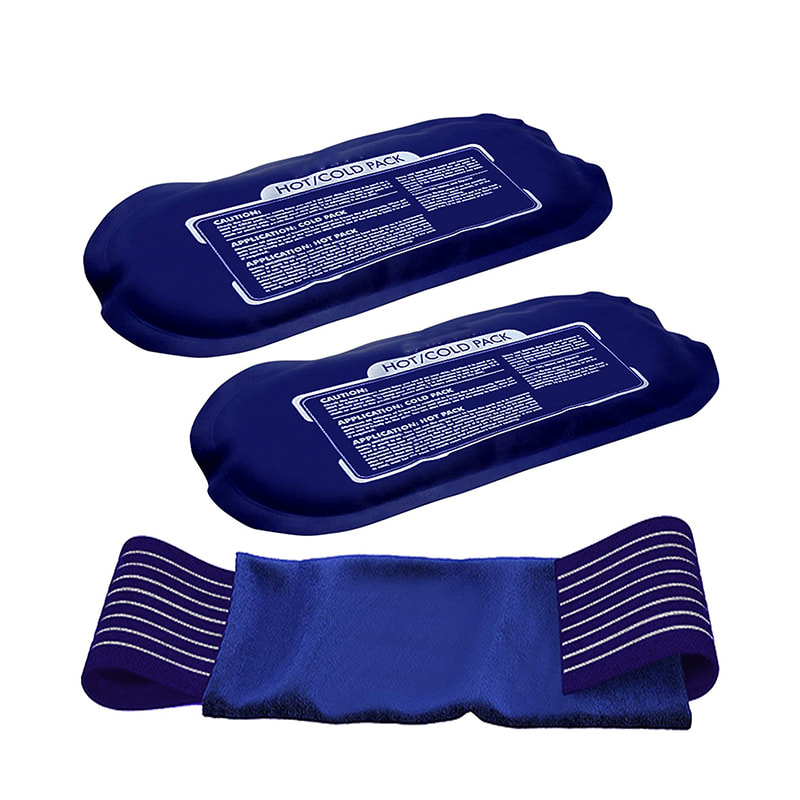
The company’s long history in first aid, wound care, medical tape, bandages, cotton products, PPE products, sports support, hot and cold therapy, urology products, enteral feeding, suction management, anesthesia and respiratory products, surgical and nursing products, diagnostic devices, foot care, rehabilitation products, instruments, syringes, infusion products, blood collection, transfusion, and patient transfer categories demonstrates a broad operational foundation.
This breadth gives customers access to more than a single product. Buyers who need kinesiology tape may also need cohesive bandages, elastic adhesive bandages, gauze, medical tape, first aid kits, hot and cold packs, or other sports support products. Working with a manufacturer that can supply multiple categories can reduce procurement complexity and improve supply chain efficiency.
OEM customers may require special colors, sizes, packaging formats, language labels, or private label designs. A manufacturer with established export and production systems is better positioned to support these requirements. This is especially useful for brands seeking to expand into sports medicine, rehabilitation, retail first aid, or athletic support markets.
Design Details That Improve User Experience
Small design details often determine whether users continue buying a kinesiology tape. Sport Tex Tape includes several details that improve real-world usability. The precut I-shape format allows easy application for many common body areas. Users do not need to measure and cut long strips. Rounded corners help reduce peeling and improve comfort under clothing.
The tape’s skin-like elasticity helps avoid a rigid, restrictive feeling. This is important for users who need support but do not want to sacrifice performance. The thin fabric profile reduces bulk, and the breathable construction helps users tolerate longer wear.
The adhesive backing is designed to be flexible and comfortable. It supports movement rather than fighting against it. When the body bends, stretches, or rotates, the tape follows the skin. This makes it appropriate for dynamic areas such as shoulders, knees, elbows, ankles, back, and thighs.
Because it is latex-free and medication-free, the product is easy to explain to consumers. Retail staff, trainers, and healthcare professionals can describe it as an external support tape rather than a medicated patch. This clarity helps reduce misuse and confusion.
Application Guidance for Better Results
Correct application is essential for achieving good performance from kinesiology tape. Users should clean and dry the skin before applying the tape. Oils, lotions, sweat, and dirt can reduce adhesion. If the application area has excessive hair, trimming may improve contact and reduce discomfort during removal.
The tape should be applied around thirty minutes before activity. This gives the adhesive time to bond to the skin. After placing the tape, users should rub it gently to create warmth and improve adhesive activation. The ends of the tape should generally be applied without stretch to reduce edge lifting and skin stress.
Users should avoid overstretching the tape. Too much tension can cause discomfort, skin irritation, or early peeling. Kinesiology tape works best when applied with appropriate tension based on the body area and intended support. Beginners may benefit from guidance from a trained professional or reliable application instructions.
After exercise or water exposure, users should pat the tape dry instead of rubbing it aggressively. If edges begin to lift, they should not be pulled repeatedly. Tape should be removed slowly in the direction of hair growth, preferably while supporting the skin. If irritation, itching, rash, or discomfort occurs, the tape should be removed.
Common Areas of Use
The knee is one of the most common application areas. Kinesiology tape may be used around the patella, quadriceps tendon, or surrounding soft tissues to provide support and movement awareness. Runners, jumpers, weightlifters, and field sport athletes often value knee taping because the knee absorbs repeated load.
The shoulder is another frequent area. Sports involving throwing, pressing, swimming, or overhead movement can place stress on shoulder muscles and tendons. Flexible tape can help support the region while allowing mobility.
The Achilles tendon and calf area are common among runners, hikers, and court sport athletes. Tape may be applied to support the lower leg and assist comfort during movement. Shin splint-related discomfort is another common reason users explore kinesiology tape.
The back and neck areas are also important. Many people use tape to support posture awareness or manage muscular discomfort related to training, work, or daily activity. Because Sport Tex Tape is thin and breathable, it can be worn under regular clothing with minimal bulk.
Large muscle groups such as quadriceps, hamstrings, and IT bands can also be taped. The stretchable fabric can cover long muscle lines while moving with the body. This flexibility is one of the reasons kinesiology tape is preferred over rigid tape for many soft-tissue applications.
Value for Professional and Retail Channels
Sport Tex Tape has value across several sales channels. For sports teams and trainers, the product offers fast application, comfortable wear, and dependable support during practice or competition. The precut format helps reduce preparation time and keeps supplies organized.
For rehabilitation clinics, the tape can be used as part of guided support strategies. Clinicians often appreciate tapes that are consistent, skin-friendly, and easy to apply. Multi-day wear can support continued benefit between sessions when users are properly instructed.
For pharmacies and supermarkets, kinesiology tape is a growing consumer category. The product’s easy-to-use precut format makes it suitable for retail shelves because customers can understand its convenience quickly. Clear packaging and instructions can further improve consumer confidence.
For online retailers, product performance drives reviews and repeat purchases. A tape that adheres well, feels comfortable, and survives workouts is more likely to satisfy customers. Features such as latex-free adhesive, breathable fabric, and rounded corners are easy to communicate in product listings.
For OEM brands, the manufacturing strength behind the product creates additional value. Customization, stable supply, quality control, and export experience are important for building long-term product lines. A reliable kinesiology tape can become part of a broader sports support or first aid catalog.
Safety Considerations
Although kinesiology tape is generally easy to use, it should be applied responsibly. It should not be placed over open wounds, infected skin, severe rashes, burns, or areas with fragile skin unless directed by a qualified professional. Users with known adhesive sensitivity should test cautiously or seek professional advice.
The tape should not be used as a substitute for medical care. Severe pain, sudden swelling, deformity, loss of strength, numbness, tingling, suspected fracture, or persistent symptoms require medical evaluation. Kinesiology tape may support movement comfort, but it cannot diagnose or correct serious injuries.
Users should avoid wrapping the tape tightly around limbs in a way that restricts circulation. Signs such as numbness, discoloration, coldness, or increasing pain require immediate removal. Children, elderly users, and people with sensitive skin should use adhesive products with extra care.
Proper removal is part of safety. The tape should be peeled slowly while supporting the skin. Removing it too quickly can irritate the skin, especially after multi-day wear. Moistening the tape or removing it during a shower may help some users.
Environmental and Practical Efficiency
Precut kinesiology tape can reduce waste by providing ready-to-use strips. With traditional rolls, users may cut strips too long, too short, or with poor edges. Mistakes create waste and frustration. Precut pieces improve material efficiency by standardizing each application strip.
Efficient packaging and organized strip formats also benefit professional environments. Trainers and clinicians can estimate inventory needs more easily when strips are standardized. Retail consumers can carry only what they need rather than transporting a full roll and scissors.
Longer wear time also contributes to practical efficiency. If a tape lasts several days under normal use, users consume fewer strips over time. This can improve cost-effectiveness compared with products that peel quickly and require frequent replacement.
The manufacturer’s broad production capabilities may also support consolidated purchasing. Buyers can source kinesiology tape alongside related first aid and sports support products, potentially reducing shipment complexity and procurement workload.
How the Product Supports Brand Differentiation for Buyers
For private label and wholesale customers, differentiation is essential. Many kinesiology tapes look similar, so the product must offer meaningful points of distinction. Sport Tex Tape provides several marketable advantages: cotton-spandex comfort, medical-grade acrylic adhesive, latex-free construction, precut convenience, rounded corners, breathable fabric, water resistance, and multi-day wear.
These features can be positioned for different audiences. Athletes may respond to support, mobility, sweat resistance, and durability. Rehabilitation customers may value comfort, controlled elasticity, and skin-friendly adhesive. Retail consumers may appreciate easy application, no cutting, and practical use around common discomfort areas. Healthcare suppliers may focus on quality management and manufacturer reliability.
Packaging customization can further strengthen differentiation. A buyer may develop a professional sports design, a clinical rehabilitation design, or a family first aid design. The same product platform can serve multiple channels when supported by appropriate branding and instructions.
Because Suzhou Sunmed has experience exporting to diverse regions, it can support customers with market-specific expectations. This includes language needs, packaging formats, documentation, and volume planning. For buyers seeking long-term cooperation, such service capability is as important as the product itself.

Frequently Asked Questions
What is Sport Tex Tape used for?
Sport Tex Tape is a precut kinesiology tape used to provide flexible support to muscles, joints, ligaments, and tendons. It may be used during sports, exercise, rehabilitation routines, and daily movement support. Common areas include knees, shoulders, Achilles tendons, shins, rotator cuffs, IT bands, quadriceps, hamstrings, back, and neck.
How is kinesiology tape different from rigid athletic tape?
Rigid athletic tape is typically used to restrict movement and stabilize a joint. Kinesiology tape is elastic and moves with the body. It provides support while allowing natural motion, making it suitable for activities where mobility is important.
Why is the precut design useful?
The precut design eliminates the need for scissors and manual measuring. Ready-to-use strips save time, reduce waste, and provide consistent shapes. Rounded corners also help reduce fraying and peeling.
Is the tape latex-free?
Yes. The tape is latex-free and uses a hypoallergenic medical-grade acrylic adhesive. This makes it suitable for users who prefer to avoid latex-containing products.
Does the tape contain medication?
No. Sport Tex Tape does not contain medications or topical ingredients. It is designed as an external support tape rather than a medicated patch.
How long can the tape stay on?
When properly applied, kinesiology tape applications commonly last from three to five days. Wear time depends on skin condition, activity level, moisture exposure, clothing friction, and application technique.
Can it be worn during exercise or swimming?
Yes. The tape is water resistant and breathable. It can be worn during exercise, showering, or swimming when properly applied. After water exposure, it should be patted dry rather than rubbed aggressively.
How should the skin be prepared before application?
The skin should be clean, dry, and free from lotion, oil, sweat, or dirt. Excessive hair may be trimmed to improve adhesion and reduce discomfort during removal.
When should the tape be applied before activity?
It is recommended to apply the tape about thirty minutes before activity. This allows the adhesive to bond properly to the skin.
What should users do if skin irritation occurs?
If itching, rash, redness, burning, or discomfort occurs, the tape should be removed. Users with sensitive skin or known adhesive allergies should use caution and consult a professional if needed.
Can the tape replace medical treatment?
No. Kinesiology tape should not replace medical diagnosis or treatment. Serious injuries, persistent pain, swelling, numbness, or loss of function should be evaluated by a healthcare professional.
Why is manufacturer experience important?
Manufacturer experience affects material selection, adhesive consistency, cutting accuracy, packaging quality, and batch reliability. A company with strong quality management and export experience can better support wholesale, OEM, clinical, and retail customers.
Conclusion
Sport Tex Tape is a well-designed precut kinesiology tape that combines comfort, support, breathability, water resistance, and user-friendly application. Its cotton-spandex fabric provides a soft, elastic feel close to natural body movement. Its hypoallergenic medical-grade acrylic adhesive supports reliable wear while remaining latex-free and medication-free. Its precut strips and rounded corners make application faster, cleaner, and more consistent than traditional uncut rolls.
For athletes, the tape offers support without sacrificing mobility. For rehabilitation and daily use, it provides a practical external support option for common muscle and joint areas. For retailers, distributors, and OEM buyers, it offers strong market value through convenience, performance, and clear product advantages.
The product’s strength is further supported by the manufacturing capability of Suzhou Sunmed Co., Ltd., a company with decades of experience in medical consumables, first aid, wound care, sports support, and healthcare products. With dedicated production for kinesiology tape and related bandage products, professional quality control, ISO 13485:2016-aligned systems, CE-certified product experience, FDA-compliant factory practices, and exports to more than sixty countries, the company provides not only a product but also a dependable supply foundation.
In a competitive market where many tapes look similar, true value comes from details: fabric comfort, adhesive balance, breathability, cutting precision, packaging reliability, quality management, and service capability. Sport Tex Tape brings these elements together in a product designed for active users and professional buyers who need dependable kinesiology support.
References
1. International Organization for Standardization. ISO 13485:2016 Medical Devices Quality Management Systems Requirements for Regulatory Purposes.
2. Williams, S., Whatman, C., Hume, P. A., and Sheerin, K. Kinesio Taping in Treatment and Prevention of Sports Injuries: A Meta-Analysis of the Evidence for Its Effectiveness. Sports Medicine.
3. Morris, D., Jones, D., Ryan, H., and Ryan, C. G. The Clinical Effects of Kinesio Tex Taping: A Systematic Review. Physiotherapy Theory and Practice.
4. Thelen, M. D., Dauber, J. A., and Stoneman, P. D. The Clinical Efficacy of Kinesio Tape for Shoulder Pain: A Randomized, Double-Blinded Clinical Trial. Journal of Orthopaedic and Sports Physical Therapy.
5. Kalron, A., and Bar-Sela, S. A Systematic Review of the Effectiveness of Kinesio Taping: Fact or Fashion? European Journal of Physical and Rehabilitation Medicine.

 English
 Español
 русский
 Français
 Deutsch
 italiano
 By Admin