Modern workplaces, sports environments, travel settings, construction areas, entertainment venues, and daily life all expose people to noise that can affect concentration, comfort, and long-term hearing health. TPR earplugs are designed to provide a practical, reusable, and comfortable solution for users who need dependable hearing protection without complicated fitting procedures. With a soft, low-pressure material structure, a three-layer flange design, moisture-resistant performance, and an available corded configuration, these earplugs combine user comfort with reliable protective function.
As a product in the earplug category, TPR earplugs serve a broad range of users, including industrial workers, travelers, students, office staff, maintenance personnel, sports spectators, and people who need calmer rest environments. They are especially valuable in situations where users require repeated insertion and removal, easy storage, and compatibility with other personal protective equipment. Their Noise Reduction Rating of NRR 27 dB, tested according to ANSI S3.19-1974, reflects a strong level of attenuation for many everyday and occupational noise-control needs.
This article explains the structure, advantages, use scenarios, manufacturing quality, and competitive value of TPR earplugs. It also highlights the professional production strengths behind the product, including mature manufacturing experience, rigorous quality control, OEM service capabilities, and international market supply experience.
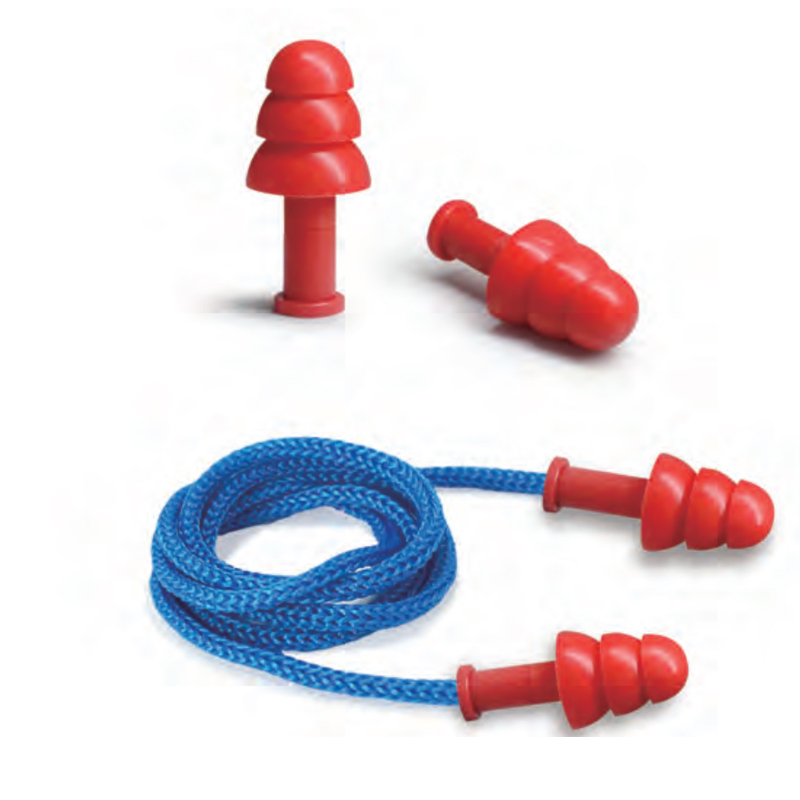
TPR Earplugs
Product Overview: What Makes TPR Earplugs Practical and Protective
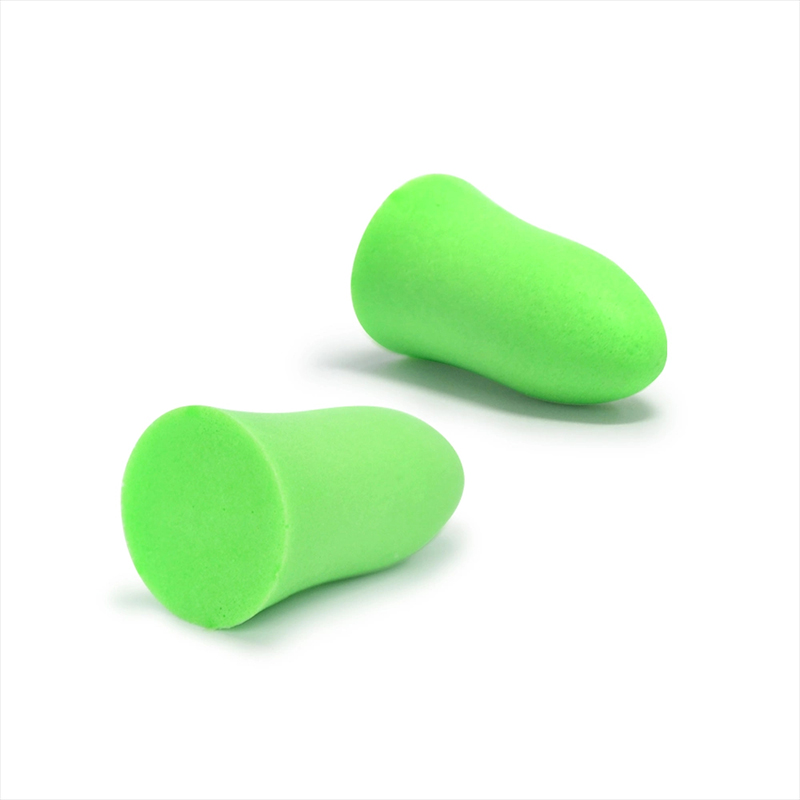
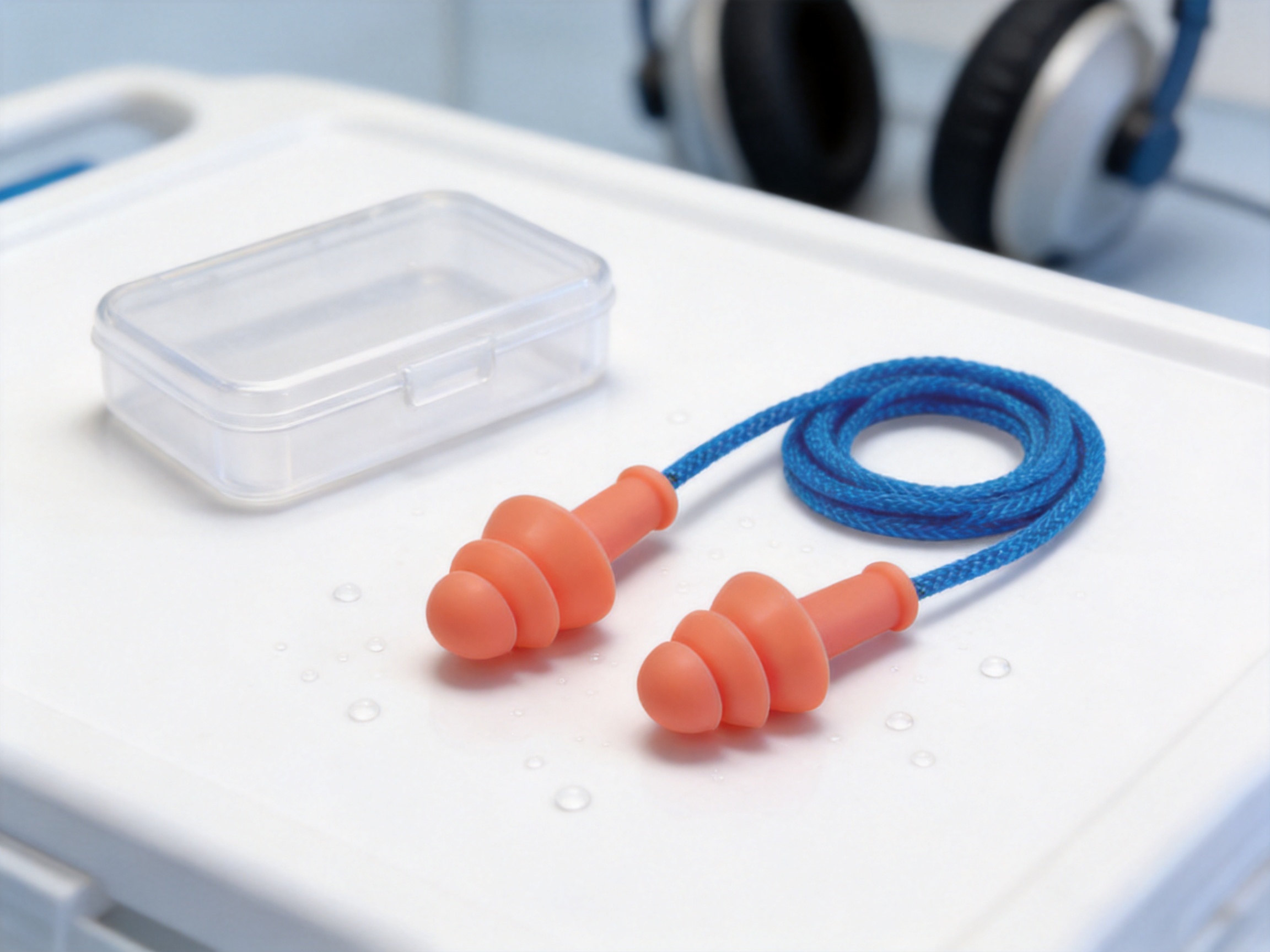
TPR earplugs are reusable hearing protection products created for comfort, convenience, and dependable sound attenuation. Their “Christmas tree” style design, also known as a triple-flange design, allows the earplug to fit a wide range of ear canal shapes. Instead of relying on foam compression and expansion, the flanged structure is inserted directly and forms a seal by gently contacting the ear canal walls.
The product is designed to reduce unwanted noise while maintaining comfort during repeated use. Its soft material helps limit pressure inside the ear, making it suitable for users who find some foam earplugs too expansive or uncomfortable. The three layers improve contact and sealing performance, while the reusable structure helps lower replacement frequency compared with many disposable alternatives.
In many noise-control applications, the most effective earplug is the one that users are willing to wear consistently. A product may have strong laboratory performance, but if it causes discomfort or is difficult to insert, real-world compliance can drop. TPR earplugs address this concern through a user-friendly shape, flexible material, and corded options that help reduce loss and improve accessibility.
The earplugs are also designed to be compatible with earmuffs and other PPE. This is important because many users in industrial, maintenance, construction, airport, manufacturing, and landscaping environments may need dual protection or may already wear helmets, safety glasses, face shields, or other protective equipment.
Key Product Features
The TPR earplugs described here offer a combination of comfort, durability, resistance to humidity and sweat, and convenient handling. These attributes make them a versatile choice for hearing protection programs and general personal use.
The first important feature is low-pressure comfort. The soft material is intended to reduce the sensation of tightness inside the ear canal. Users who wear earplugs for extended periods often value this comfort because irritation or excessive pressure can cause early removal.
The second feature is reusability. Unlike many disposable foam earplugs, these earplugs can be used repeatedly when properly cleaned and stored. Reusability helps reduce product waste and can also reduce long-term procurement costs in suitable applications.
The third feature is moisture and sweat resistance. Ear canals can become humid during work, sports, travel, or hot weather. Moisture resistance helps maintain product performance and supports a more comfortable wearing experience.
The fourth feature is the three-layer design. Each flange contributes to the seal and helps the plug adapt to different ear canal profiles. This design is one reason the product can fit the majority of users without custom molding.
The fifth feature is cord compatibility. Nylon cord or PVC cord options help prevent earplug loss, especially in workplaces where users remove and reinsert earplugs frequently. Corded earplugs are also easier to keep around the neck when not in use, reducing contamination from placing them on dirty surfaces.
The sixth feature is PPE compatibility. The earplugs are designed to be worn with earmuffs or other protective gear, supporting hearing conservation programs that require flexible equipment combinations.
The seventh feature is NRR 27 dB performance. A Noise Reduction Rating of 27 dB provides meaningful noise reduction for many settings when the product is correctly fitted and worn according to instructions.
Technical Summary
| Item |
Specification or Feature |
User Benefit |
| Product Type |
Reusable TPR earplugs |
Suitable for repeated use and daily hearing protection |
| Design |
Three-layer Christmas tree flange design |
Fits most ear canals and supports reliable sealing |
| Noise Reduction |
NRR 27 dB |
Helps reduce exposure to harmful or disturbing noise |
| Reference Standard |
ANSI S3.19-1974 |
Provides recognized noise reduction performance reference |
| Comfort |
Soft low-pressure material |
Improves wearability during extended use |
| Moisture Resistance |
Humidity and sweat resistant |
Helps maintain comfort in warm or active environments |
| Cord Options |
Nylon cord or PVC cord |
Reduces risk of loss and supports convenient handling |
| PPE Compatibility |
Compatible with earmuffs and other protective equipment |
Useful for industrial and professional safety programs |
Why Noise Reduction Matters
Noise is not only an inconvenience. Prolonged exposure to high sound levels can contribute to fatigue, reduced concentration, communication difficulty, sleep disruption, and occupational hearing risk. Many workers in manufacturing, construction, transportation, maintenance, landscaping, and logistics environments are regularly exposed to equipment noise. People outside industrial settings also face noise from traffic, entertainment, public transport, aircraft cabins, sporting events, and crowded urban environments.
Hearing protection products help reduce the intensity of sound reaching the ear. Earplugs are especially popular because they are compact, lightweight, and easy to carry. Compared with earmuffs, earplugs take up little space and are less affected by helmets or headgear. Compared with custom hearing protectors, standard reusable flanged earplugs are more economical and easier to supply at scale.
An NRR 27 dB earplug can provide a useful level of attenuation in many environments. However, actual protection depends on correct insertion, fit, and consistent use. The triple-flange design is helpful because it gives the user tactile feedback and makes insertion relatively intuitive. The plug does not need to be rolled down like foam, so users can insert it quickly with clean hands and avoid waiting for expansion.
Three-Layer Flange Design for Adaptable Fit
The three-layer flange design is one of the most visible advantages of TPR earplugs. Each flange has a flexible shape that helps create a seal inside the ear canal. Because ear canals vary in diameter, curvature, and depth, a single smooth plug may not fit all users effectively. The layered structure improves adaptability by allowing different parts of the earplug to contact the ear canal in a controlled manner.
This design is often called a Christmas tree design because the flanges decrease in diameter toward the tip. The smaller leading section helps guide insertion, while the wider rear flanges strengthen sealing performance. When inserted properly, the earplug can reduce noise without requiring aggressive force. This contributes to comfort and makes the product more acceptable for repeated use.
Compared with basic cylindrical or cone-shaped earplugs, a three-flange design can offer a better balance between ease of insertion and secure fitting. Compared with foam plugs, it does not require rolling, squeezing, or waiting for material expansion. This can be especially useful in workplace environments where users may need to remove and reinsert hearing protection several times during a shift.
The three-layer structure also supports product stability. A stable fit reduces the possibility of the plug loosening during jaw movement, walking, bending, or light physical activity. This is important because even a small leak around an earplug can reduce the overall protective effect.
Comfort During Extended Wear
Comfort is essential for hearing protection compliance. A worker who feels pressure, itchiness, or discomfort may remove the earplugs, even in a noisy environment. A traveler who cannot sleep with uncomfortable earplugs will stop using them. A student studying in a noisy place may prefer a comfortable reusable product that can be worn for hours.
TPR earplugs are designed with low-pressure comfort in mind. The soft material reduces the feeling of excessive expansion or stiffness. Because the product uses a flanged shape rather than foam expansion pressure, it can offer a gentler wearing sensation for many users. The material’s flexibility also allows it to respond to small movements in the ear canal without becoming hard or abrasive.
Comfort is not only about softness. It is also about correct size, surface smoothness, stable structure, and moisture behavior. A product that traps sweat or causes a wet, uncomfortable feeling may discourage use. The humidity and sweat-resistant performance of these earplugs supports a cleaner and more stable wearing experience in hot or active conditions.
For companies purchasing hearing protection in bulk, comfort has direct operational value. Comfortable products increase user acceptance, support safety compliance, and reduce complaints. When a hearing protection product is easy to use and pleasant to wear, employees are more likely to keep it in place throughout the required period.
Reusable Performance and Cost Efficiency
Reusable earplugs are an attractive option for many buyers because they can lower the frequency of replacement. Disposable foam earplugs are useful in many settings, but they are typically discarded after short-term use. For workplaces or institutions with frequent daily demand, disposable products can generate substantial ongoing cost and waste.
TPR earplugs are designed for long-term use while maintaining shape when properly handled. The phrase “reusable use for long time in good shape” reflects one of the product’s key benefits: it is intended to retain functional form through repeated wearing cycles. Users should still follow appropriate cleaning and storage practices, but the basic product concept supports repeated use.
Reusable products are particularly valuable in controlled environments where each user can keep a personal pair. Examples include factories, workshops, laboratories, training facilities, maintenance departments, transport teams, and outdoor work crews. With a corded option, users can keep the earplugs accessible around the neck when not in use, reducing loss and helping maintain personal ownership.
From a procurement perspective, reusable TPR earplugs can help balance safety performance and budget control. They may cost more per pair than basic disposable foam earplugs, but repeated use can make them economical over time. They are also easier to manage in programs where workers are issued individual PPE kits.
Moisture and Sweat Resistance
Many hearing protection products are used in warm, humid, or physically active environments. Construction workers, sports staff, maintenance technicians, machine operators, and outdoor crews may sweat during work. Travelers may use earplugs for long periods in cabins, vehicles, or hotels where humidity and temperature vary. Moisture in the ear canal can affect comfort and may create a feeling of stuffiness.
TPR earplugs are designed to resist humidity and sweat, helping prevent moisture buildup in the ear canal. This does not mean the ear canal becomes completely dry in all situations, but it does mean the product is created with moisture-related comfort in mind. A product that resists moisture is easier to wipe clean and less likely to become unpleasant after repeated use.
Moisture resistance also supports practical hygiene. Reusable earplugs should be cleaned according to instructions and stored in a clean container when not in use. A smooth, resistant surface helps users maintain the product more easily than porous materials. This is one of the reasons reusable flanged earplugs are popular in many occupational settings.
Corded Options for Convenience and Loss Prevention
Earplug loss is a common problem. Small products are easy to drop, misplace, or leave behind. In industrial environments, lost earplugs can create unnecessary replacement cost and may also become foreign material concerns in certain production areas. Corded earplugs solve this issue by keeping both plugs connected and easy to locate.
TPR earplugs can be supplied with nylon cord or PVC cord. Cord selection may depend on user preference, workplace requirements, packaging design, and procurement specifications. Nylon cord can provide a textile feel, while PVC cord may offer a smooth, easy-to-clean surface. Both options help users keep the product secure when not inserted.
Corded earplugs are particularly useful for supervisors, maintenance workers, machine operators, visitors to noisy facilities, and users who frequently move between quiet and noisy zones. Instead of placing the earplugs in a pocket or on a workbench, the user can let them hang around the neck temporarily. This supports better hygiene and helps reduce product loss.
For OEM buyers and distributors, corded options also create flexibility in product positioning. Some markets prefer corded earplugs for workplace use, while uncorded versions may be preferred for sleeping, travel, or low-profile applications. Offering both options allows broader market coverage.
Compatibility with Earmuffs and Other PPE
Some environments require more than one type of protection. In high-noise industrial areas, users may wear earplugs under earmuffs to increase overall protection. In other situations, workers may wear helmets, eye protection, masks, face shields, gloves, or protective clothing. A hearing protection product must be compatible with this wider PPE system.
TPR earplugs are designed to be compatible with earmuffs and other PPE. Because they sit inside the ear canal and have a compact external profile, they do not interfere significantly with headbands, helmets, safety glasses, or face protection. This makes them a flexible choice for professional safety programs.
Compared with bulky hearing protectors, earplugs offer greater freedom of movement and less heat buildup around the ears. When used with earmuffs, they support dual protection without requiring a custom hearing device. This flexibility is one of their strongest advantages over larger or more specialized alternatives.
Competitive Advantages Over Common Alternatives
TPR earplugs compete with several types of hearing protection, including disposable foam earplugs, wax earplugs, silicone putty earplugs, custom-molded earplugs, and earmuffs. Each option has advantages, but TPR earplugs offer a well-balanced combination of comfort, reusability, convenience, and cost-effectiveness.
Compared with disposable foam earplugs, TPR earplugs are reusable, easier to insert without rolling, and less dependent on expansion timing. Foam earplugs can provide strong attenuation when correctly inserted, but incorrect rolling, shallow insertion, or dirty handling may reduce performance. TPR flanged earplugs provide a more immediate fit and can be cleaned and reused.
Compared with wax or silicone putty earplugs, TPR earplugs have a defined shape and are easier to insert consistently. Putty-style earplugs may be useful for swimming or sleeping, but they can lose shape, collect debris, and may not be ideal for industrial environments. TPR earplugs maintain a stable three-flange form for repeated use.
Compared with custom-molded earplugs, TPR earplugs are far more economical and easier to supply in large quantities. Custom products require individual ear impressions or scanning, manufacturing lead time, and personalized logistics. TPR earplugs can be purchased, stocked, and distributed efficiently for many users.
Compared with earmuffs, TPR earplugs are compact, lightweight, and more compatible with headgear. Earmuffs are simple to fit and useful for intermittent noise exposure, but they can be hot, bulky, or difficult to combine with helmets or eyewear. TPR earplugs can be kept in a pocket or PPE kit and used whenever needed.
The most important competitive advantage is balance. TPR earplugs do not depend on one single strength; they combine comfort, moisture resistance, reusable construction, easy insertion, corded convenience, and reliable NRR 27 dB attenuation.
Applications in Workplace Safety
TPR earplugs are suitable for many occupational noise environments. Manufacturing facilities often use machinery, compressors, conveyors, cutting equipment, stamping machines, or packaging lines that produce continuous noise. Construction sites expose workers to drills, saws, generators, vehicles, and demolition tools. Maintenance teams may move between different noise zones during inspection and repair tasks.
In these environments, hearing protection must be easy to issue, easy to wear, and easy to supervise. TPR earplugs meet these requirements because they are compact and intuitive. Supervisors can provide them to workers, visitors, or contractors as part of PPE procedures. Corded versions help ensure the product remains visible and accessible.
The NRR 27 dB rating makes the product appropriate for many moderate-to-high noise environments when used correctly. Safety managers should always evaluate workplace noise levels and select hearing protection based on exposure assessment, regulatory requirements, and user fit. When higher protection is needed, TPR earplugs can be used together with earmuffs, subject to the workplace hearing conservation program.
Applications in Travel, Study, Rest, and Daily Life
Beyond occupational use, TPR earplugs are useful in many daily-life scenarios. Travelers may use them on airplanes, buses, trains, or in hotels. Students may use them in dormitories, libraries, or shared apartments. Office workers may use them when they need concentration in open-plan environments. People living in urban areas may use them to reduce traffic or neighborhood noise.
The reusable nature of the product makes it convenient for personal carry. A user can keep a pair in a travel bag, desk drawer, car, gym bag, or bedside table. Because the product is moisture resistant and designed to maintain shape, it is suitable for repeated use across changing environments.
Comfort is especially important in non-industrial settings. A person using earplugs for rest or concentration is unlikely to tolerate strong pressure or irritation. The soft low-pressure material and three-flange design help make TPR earplugs a practical choice for these comfort-sensitive applications.

Manufacturing Strength Behind the Product
A reliable earplug depends not only on design but also on manufacturing discipline. Material quality, molding precision, surface finish, dimensional consistency, cord attachment, packaging cleanliness, and inspection procedures all influence the final user experience. The company behind these TPR earplugs brings extensive experience in medical, first aid, healthcare, and PPE-related products, giving buyers confidence in production consistency and export readiness.
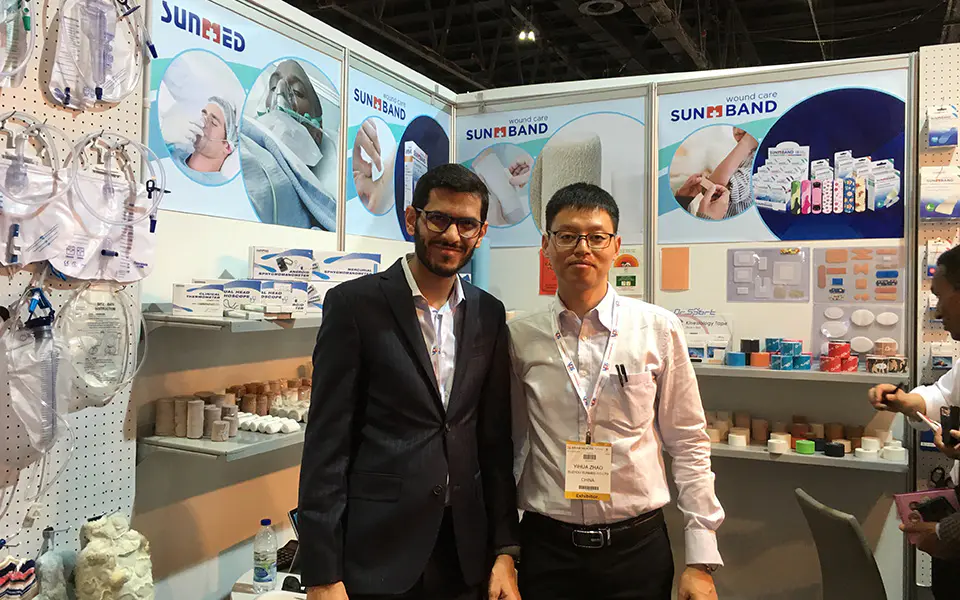
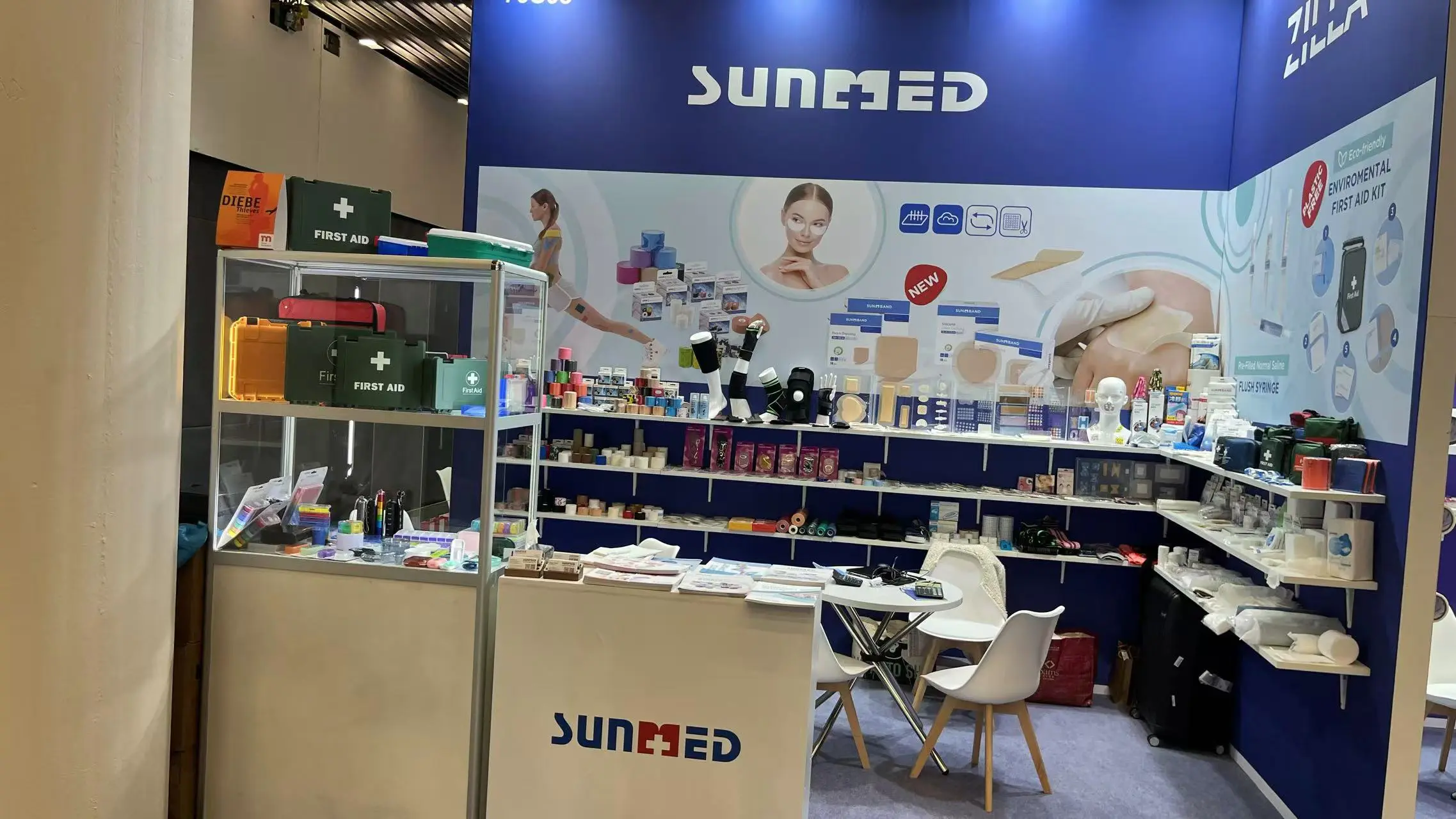
Suzhou Sunmed Co., Ltd. is a professional manufacturer and exporter of first aid, medical, and healthcare products in China. The company operates multiple production bases in Jiangsu, Zhejiang, and Anhui Province and has 30 years of experience in the medical device and medical consumables industry. This background is relevant because medical and healthcare manufacturing requires attention to consistency, documentation, hygiene, quality control, and regulatory expectations.
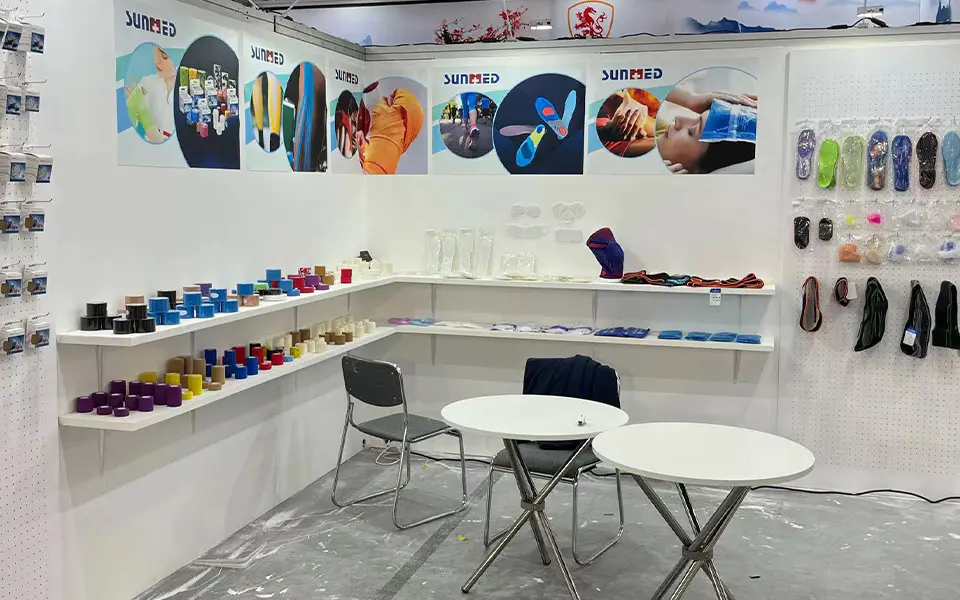
The company’s product range includes first aid supplies, wound dressing materials, gauze, bandages, medical tape, medical cotton products, non-woven products, sports bandages, family healthcare products, kinesiology tape, pill boxes, hot and cold packs, disposable syringes, catheters, surgical consumables, and other medical consumables. This diversified manufacturing and sourcing experience supports flexible supply chain management and broad product development capability.
For TPR earplugs, this manufacturing foundation supports stable material selection, precise molding, controlled assembly, and reliable packaging. Earplugs may look simple, but small variations in flange thickness, softness, edge smoothness, and cord quality can influence comfort and performance. Experienced production management helps maintain product uniformity across large orders.
Advanced Production and Process Control
TPR earplugs require careful production control to ensure consistent softness, shape, and user safety. The manufacturing process generally involves raw material selection, material preparation, precision molding, trimming or finishing, cord assembly where applicable, inspection, cleaning or controlled handling, packaging, and shipment preparation.
Raw material control is the first step. The material must meet the required flexibility, resilience, and surface characteristics. A poor material may feel too hard, deform too easily, retain odor, or fail to maintain shape. By using controlled material specifications and supplier management, the manufacturer can protect product consistency from the beginning of the process.
Molding precision is also critical. The three-layer flange design must be formed with accurate dimensions and smooth surfaces. If flanges are too thick, comfort may suffer. If they are too thin, sealing stability may decline. If edges are rough, insertion comfort may be affected. Well-controlled molds and process parameters help ensure that every earplug has the intended structure.
After molding, finishing and inspection help remove defects. Products may be checked for surface imperfections, shape consistency, incomplete molding, contamination, color uniformity, and cord attachment quality. Corded versions require additional attention to the connection point because the cord must remain secure during normal use.
Packaging is another important stage. Earplugs are small products that must remain clean and easy to distribute. Depending on buyer requirements, packaging may include individual bags, pairs in cases, bulk packs, or customized retail packaging. Proper packaging protects the product during transportation and supports brand presentation for distributors and retailers.
Quality Control and International Compliance Mindset
Quality control is a key strength of the manufacturer. The company has a professional quality control team comprising hundreds of personnel who follow inspection procedures to ensure products meet ISO 13485:2016 standards. While different product categories may have different regulatory classifications, the quality management mindset associated with ISO 13485 supports consistency, traceability, and disciplined production.
Most of the company’s products are CE certified, and its Suzhou factories comply with FDA requirements. This international compliance experience is important for buyers who supply professional markets. Importers, distributors, and procurement teams often require documentation, inspection reports, labeling support, and stable product specifications. A manufacturer accustomed to international expectations can reduce communication barriers and support smoother purchasing processes.
For TPR earplugs, quality control may include material verification, appearance inspection, dimensional checks, functional fit evaluation, cord pull checks, packaging inspection, and batch documentation. The stated ANSI S3.19-1974 noise reduction reference and NRR 27 dB performance further demonstrate that the product is positioned according to recognized hearing protection measurement practices.
Quality control is not only about detecting defects at the end of production. The most effective system prevents problems through process design, staff training, supplier control, sample approval, in-process inspection, and final release procedures. This layered approach is especially important for OEM orders where buyers need repeated shipments with consistent quality.
OEM and Wholesale Advantages
Many buyers require more than a standard product. They need packaging customization, private labeling, carton design, language-specific instructions, regulatory documentation, shipping coordination, and stable lead times. The manufacturer’s experience as an exporter of medical consumables and healthcare products supports these needs.
OEM service can be valuable for distributors, safety product suppliers, retail brands, first aid suppliers, supermarkets, and professional PPE channels. TPR earplugs can be positioned as part of a wider safety range, travel range, workplace PPE kit, first aid accessory line, or daily care product selection. Buyers may request specific cord materials, packaging counts, case options, carton labels, or market-oriented presentation.
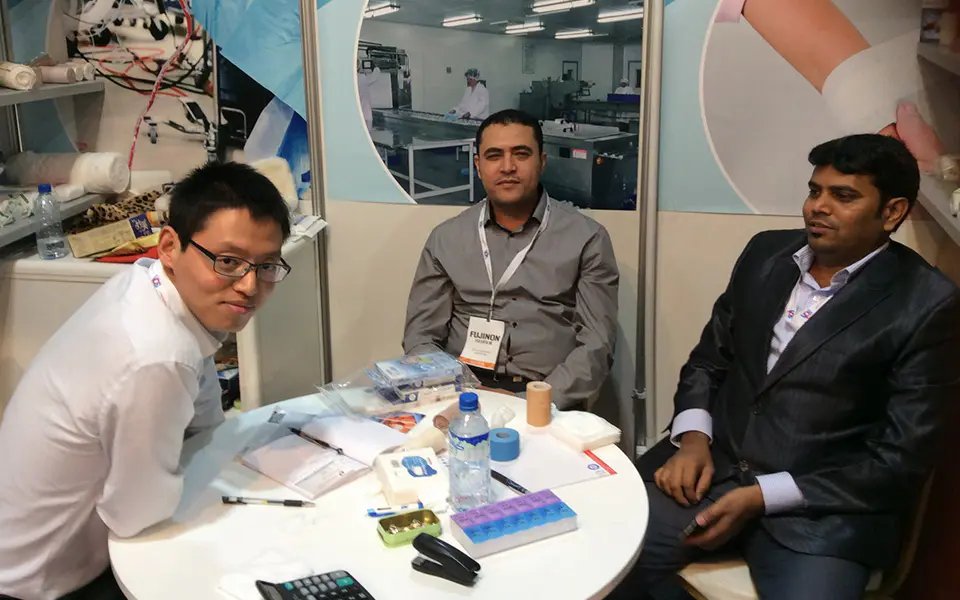
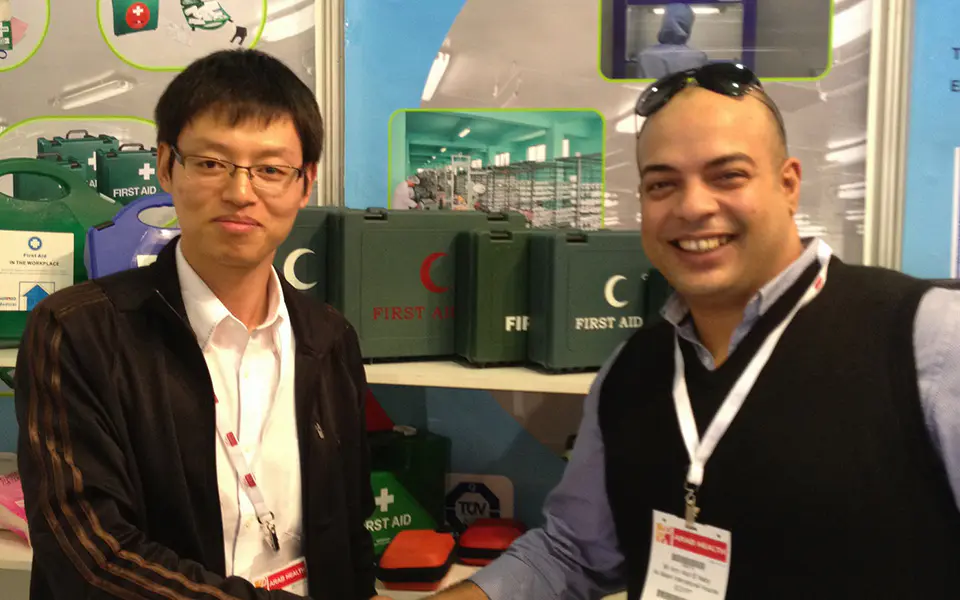
The company has exported products to more than 60 countries, including markets in Europe, Southeast Asia, Africa, and Oceania. This export experience means the company understands varied buyer expectations, documentation needs, market preferences, and logistics requirements. For international customers, this reduces uncertainty and makes cooperation more efficient.
OEM and wholesale buyers also benefit from the company’s broad product ecosystem. A customer purchasing TPR earplugs may also require bandages, tapes, gauze, cotton products, PPE products, sports support items, pill boxes, hot and cold therapy products, or other medical consumables. Consolidating supply through an experienced manufacturer can simplify procurement and improve communication.
How TPR Earplugs Support Safety Programs
A successful hearing conservation program depends on selecting the right product, training users, encouraging consistent use, and monitoring workplace conditions. TPR earplugs support these goals by being easy to distribute and practical to wear. Their reusable design helps employees develop familiarity with their own pair, while the corded option improves visibility and reduces loss.
For employers, the product can be integrated into PPE stations, visitor safety kits, maintenance toolkits, production line supply areas, or employee onboarding packs. Instructions should explain correct insertion, cleaning, storage, and replacement. Users should be reminded that earplugs must be inserted properly to achieve expected protection.
The product’s compatibility with earmuffs provides additional flexibility. In areas where noise levels vary, workers may use earplugs alone in moderate zones and combine them with earmuffs in higher-noise zones if required by the safety program. This adaptability reduces the need for multiple product categories and supports practical field management.
Correct Use and Care Guidelines
To obtain effective performance, users should insert TPR earplugs correctly. Hands should be clean before handling the earplugs. The user should gently pull the top of the ear upward and outward to straighten the ear canal, then insert the earplug with a slow twisting motion until the flanges are seated comfortably. The plug should feel secure but not painful.
If the earplug feels loose, the user should remove it and reinsert it. If discomfort occurs, the plug may be inserted too deeply or may not be suitable for that particular ear canal shape. Hearing protection should never be forced aggressively into the ear.
After use, reusable earplugs should be cleaned according to the manufacturer’s instructions. In general, smooth reusable earplugs can often be wiped or washed gently with mild soap and water, then dried completely before storage. Users should avoid harsh chemicals, high heat, or abrasive cleaning methods unless specifically approved.
Earplugs should be stored in a clean container or packaging when not in use. They should be inspected regularly for cracks, deformation, hardening, contamination, or cord damage. If the product is damaged or no longer provides a secure fit, it should be replaced.
Buyer Considerations for Distributors and Procurement Teams
When selecting TPR earplugs for wholesale or OEM purchase, buyers should consider target users, noise environment, packaging format, documentation needs, and distribution channel. Industrial buyers may prioritize corded options, bulk packaging, and safety documentation. Retail buyers may prefer attractive small packs, storage cases, and user-friendly instructions. Travel and daily care channels may emphasize comfort, portability, and reusability.
Buyers should also consider whether they need mixed PPE product supply. A manufacturer with a broad catalog can help create coordinated product programs. For example, a distributor may purchase earplugs together with first aid kits, adhesive bandages, gauze, medical tape, sports wraps, cold packs, and other daily care products. This creates procurement efficiency and supports brand consistency across categories.
Supplier reliability is just as important as product design. A low-cost product is not beneficial if quality varies, shipments are delayed, packaging is inconsistent, or communication is unclear. The manufacturer’s long industry experience, multiple production bases, ISO 13485:2016 quality management approach, export history, and professional quality control team are major advantages for buyers seeking dependable cooperation.

Market Positioning and Value Proposition
TPR earplugs occupy a strong middle position in the hearing protection market. They are more durable and structured than disposable foam products, more economical than custom-molded options, and more compact than earmuffs. They are suitable for professional safety programs but also accessible for daily consumers.
The NRR 27 dB performance gives the product a clear technical selling point. The three-layer design provides a visible and understandable comfort feature. The corded options add practical convenience. The reusable construction supports sustainability-minded procurement and long-term cost control. Together, these features make the product easy to explain and easy to sell.
For distributors, the product can be marketed to industrial safety suppliers, construction supply channels, hardware stores, pharmacies, first aid suppliers, supermarkets, travel accessory sellers, and online platforms. For employers, it can be issued as part of a standard PPE program. For consumers, it can be used for concentration, travel, rest, and general noise reduction.
Q&A Section
Q1: What are TPR earplugs used for?
TPR earplugs are used to reduce unwanted noise in workplaces, travel environments, study areas, rest settings, and daily life. They are suitable for users who need reusable, comfortable, and easy-to-insert hearing protection.
Q2: What is the noise reduction rating of these earplugs?
The earplugs have an NRR 27 dB rating according to ANSI S3.19-1974. This indicates a strong level of noise attenuation when the product is correctly fitted and used as directed.
Q3: Are these earplugs reusable?
Yes. They are designed for repeated use and can maintain their shape over time when properly cleaned, stored, and inspected. They should be replaced if damaged, hardened, deformed, or contaminated.
Q4: Why is the three-layer design important?
The three-layer flange design helps the earplug fit a wide range of ear canal shapes. It supports sealing, stability, and comfort without requiring the user to roll or compress the product before insertion.
Q5: Are corded options available?
Yes. The earplugs can be supplied with nylon cord or PVC cord. Corded versions help prevent loss and make the earplugs more convenient for users who remove and reinsert them frequently.
Q6: Can the earplugs be worn with earmuffs?
Yes. They are designed to be compatible with earmuffs and other PPE. This makes them useful in workplaces where users may need dual hearing protection or must wear helmets, safety glasses, masks, or other protective equipment.
Q7: How should reusable earplugs be cleaned?
Users should follow the manufacturer’s instructions. In general, reusable smooth earplugs may be gently cleaned with mild soap and water, rinsed, dried completely, and stored in a clean container. Harsh chemicals and high heat should be avoided unless approved.
Q8: What makes these earplugs different from foam earplugs?
Unlike disposable foam earplugs, TPR earplugs do not need to be rolled before insertion and are designed for repeated use. Their flanged shape provides a consistent fit, and their moisture-resistant surface is easy to maintain.
Q9: Who can benefit from purchasing these earplugs in bulk?
Industrial safety distributors, construction companies, factories, maintenance teams, first aid suppliers, supermarkets, travel product sellers, and PPE procurement departments can benefit from bulk purchasing. OEM buyers can also customize packaging and product presentation.
Q10: What manufacturing strengths support the product?
The product is supported by a manufacturer with 30 years of experience in medical, first aid, healthcare, and PPE-related products, multiple production bases, a professional quality control team, ISO 13485:2016 quality management practices, CE experience for many products, FDA-compliant factory operations, and exports to more than 60 countries.
Conclusion
TPR earplugs provide a practical combination of comfort, reusable value, convenient handling, and reliable hearing protection. Their three-layer Christmas tree design fits most ear canals, while the soft low-pressure material supports comfortable wear. Moisture and sweat resistance improve usability in warm or active environments, and nylon or PVC cord options help prevent loss. With NRR 27 dB performance according to ANSI S3.19-1974, the product is well positioned for many workplace and daily noise-reduction applications.
Compared with disposable foam earplugs, TPR earplugs offer reusability and easier insertion. Compared with custom hearing protectors, they offer lower cost and faster supply. Compared with earmuffs, they provide compactness and PPE compatibility. This balanced advantage makes them suitable for industrial buyers, distributors, retailers, and personal users.
The manufacturing strength behind the product further increases its value. With extensive experience in medical consumables, first aid products, healthcare supplies, and PPE-related categories, Suzhou Sunmed Co., Ltd. supports global buyers with quality control, export experience, OEM capability, and broad product integration. For companies seeking reliable earplugs with strong comfort and practical performance, TPR earplugs are a competitive and versatile choice.
References
American National Standards Institute. ANSI S3.19-1974: Method for the Measurement of Real-Ear Protection of Hearing Protectors and Physical Attenuation of Earmuffs.
International Organization for Standardization. ISO 13485:2016: Medical Devices Quality Management Systems Requirements for Regulatory Purposes.
National Institute for Occupational Safety and Health. Occupational Noise Exposure: Criteria for a Recommended Standard.
Occupational Safety and Health Administration. Occupational Noise Exposure and Hearing Conservation Guidance.
Berger, E. H. Hearing Protection Devices: Performance, Selection, and Use in Occupational Noise Control.
World Health Organization. Hearing Loss Prevention and Safe Listening Guidance.

 English
 Español
 русский
 Français
 Deutsch
 italiano
 By Admin