When buyers ask us about elastic bandages, the conversation often moves quickly from the finished roll to the factory floor. How is the yarn chosen? How is the stretch set? How does a simple compression wrap become something a clinic, pharmacy, or sports brand can trust? We have spent years working with medical consumables and OEM projects, and one thing is clear: a good elastic bandage factory is built on consistent choices at every step, not just one good machine.
What Makes an Elastic Bandage Factory Different
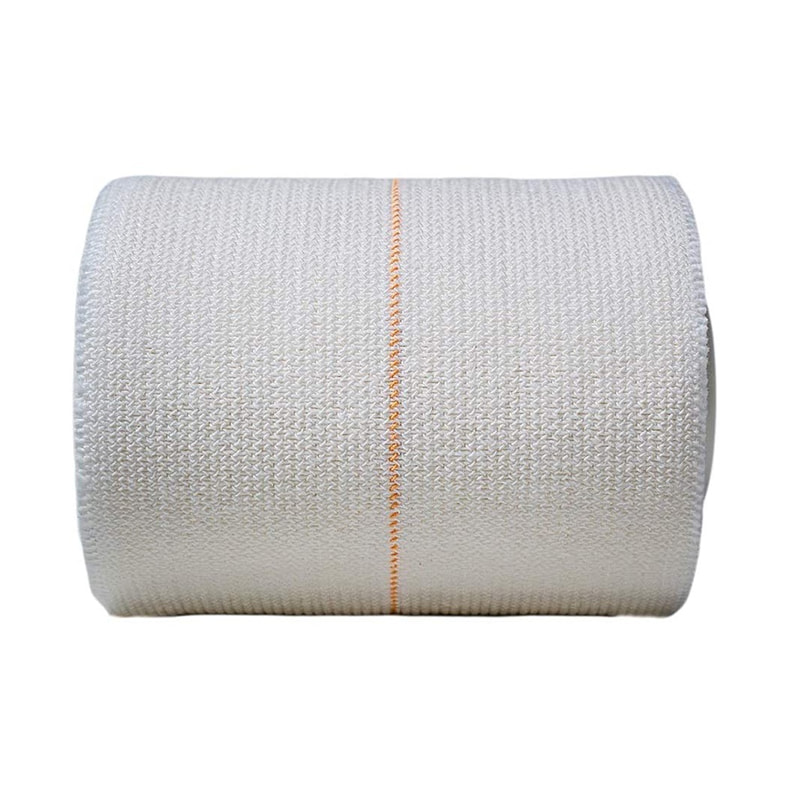
An elastic bandage factory is more than a textile mill that cuts rolls. These bandages must stretch, recover, conform to the body, and hold their shape. Some are cotton, some are cotton-polyester blends, and others use synthetic fibers. Many are non-adhesive and rely on clips or self-adherent properties, while adhesive elastic bandages combine stretch with a skin-friendly glue. The factory has to balance all of this without sacrificing comfort or durability.
We see two broad production paths. One is the traditional woven route, where cotton yarn is knitted into stretchable fabric. The other is the non-woven or blended route, which can produce lighter, more breathable wraps. Neither is automatically better. It depends on whether the end user needs strong compression for swelling, gentle support for daily wear, or a cost-effective option for bulk first aid kits. A factory that understands these differences can guide buyers toward the right construction instead of just quoting a price.
Inside the Production Process: From Yarn to Roll
Most elastic bandage production follows a sequence that begins with raw materials and ends with packaged rolls. First, the factory selects and tests yarn or fiber. Cotton yarn needs consistent thickness and strength, while synthetic options may blend polyester, viscose, or elastane for stretch and recovery. Incoming checks often include tensile strength, elongation, and moisture content, because small variations can affect the final bandage.
Next comes knitting or weaving. Circular knitting machines are common for tubular elastic bandages, while flat and warp knitting produce different textures and stretch levels. The fabric is then washed, bleached, or dyed if needed. After drying and heat setting, it is slit into the correct width. This step is more delicate than it looks: a clean edge prevents fraying and helps the bandage stay flat when rolled.
For adhesive elastic bandages, the next major step is coating. The adhesive must be applied evenly, cured properly, and remain tacky without irritating the skin. Many factories use hot-melt or latex-free formulations. The coated fabric passes through a cooling area before being wound into jumbo rolls. From there, the rolls are cut into finished lengths, often with clips, ties, or individual wrappers, and packed into boxes or custom retail cartons.
Different elastic bandages serve different purposes, and a factory’s catalog usually reflects that range.
Common elastic bandage types and their typical applications.
| Type |
Typical Material |
Common Use |
| Cotton elastic bandage |
Cotton, sometimes with spandex |
General compression, sprains, clinics |
| Adhesive elastic bandage |
Cotton or synthetic fabric with adhesive |
Sports taping, light support, retail |
| Heavy elastic bandage |
High-stretch cotton or rubber blend |
Strong compression, leg and ankle support |
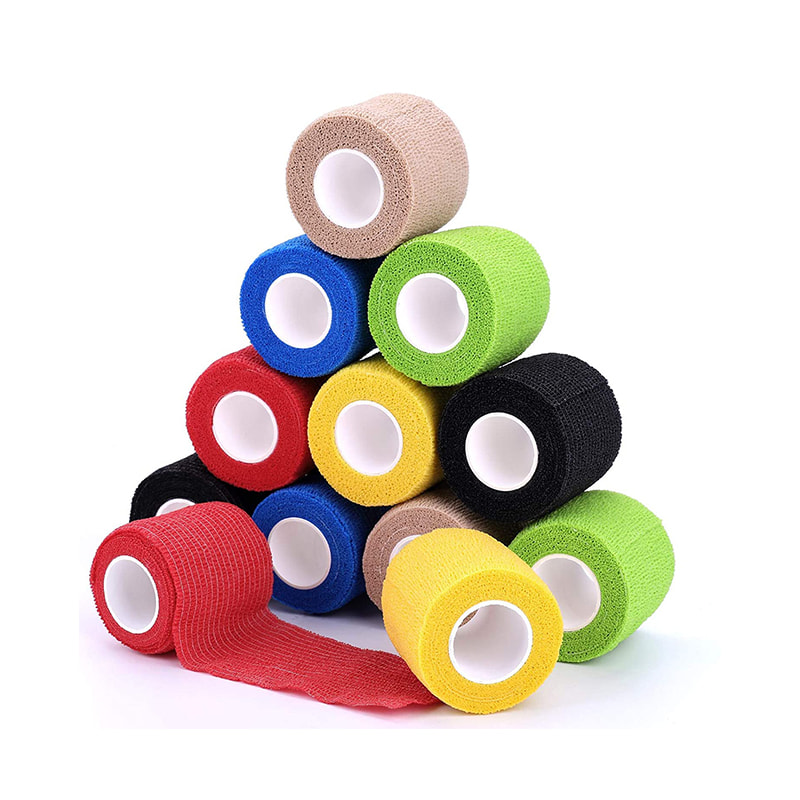
| Self-adherent bandage |
Non-woven or knitted fabric |
Veterinary, sports, repeated wrapping |
Because we handle a wide range of medical consumables, we often remind buyers that the best elastic bandage is the one that matches the application. A lightweight self-adherent wrap for a horse’s leg has very different requirements from a sterile compression bandage used after surgery.
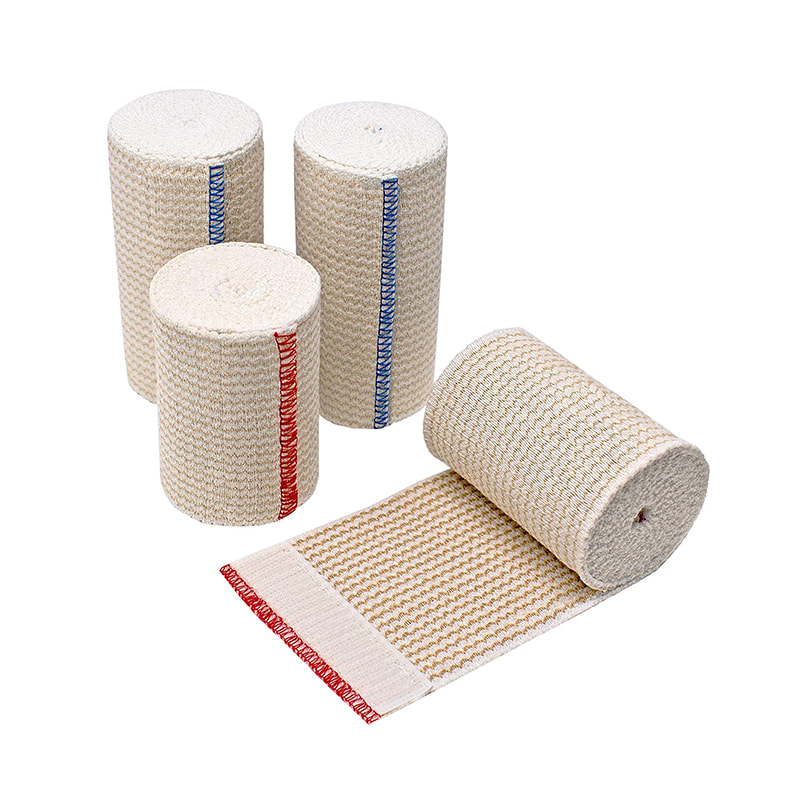 Reusable Cotton Elastic Sports Bandages for Compression SupportReusable cotton elastic sports bandages with latex-free breathable stretch, hook-and-loop closure, washable design, and multiple widths for compression support.View Product →
Quality Control on the Factory Floor
Quality control starts long before the finished roll is inspected. It begins with approved suppliers for yarn, adhesive, and packaging. During production, operators check stretch ratio, width, thickness, and adhesive coverage at regular intervals. Laboratories may test elongation, recovery, and adhesion to keep performance consistent across batches. For medical-grade products, cleanliness and bioburden checks may also apply, especially when the bandage is labeled sterile.
Documentation is another part of quality control that buyers often overlook. A reliable factory keeps batch records, material certificates, and test reports. If a product is described as latex-free, CE-marked, or compliant with a specific standard, the factory should provide evidence. Projects run more smoothly when buyers ask for these documents early instead of treating them as a last-minute formality.
OEM and Bulk Supply: Working With an Elastic Bandage Factory
Many buyers come to us for an OEM program rather than a single carton. They want their logo on the wrapper, a specific roll length, or a custom color for a sports line. This is where an elastic bandage factory’s flexibility matters. Can the line handle different widths without long downtime? Can the packaging team print and fold custom boxes? Can the factory keep lead times stable during peak season? These questions matter as much as the unit price.
Our own OEM page outlines how we approach custom projects, from sample approval to mass production. A smooth project usually has three phases. First, the buyer shares specifications: width, length, material, adhesive type, packaging, and labeling. Second, the factory produces samples for evaluation. Third, after approval, production is scheduled and quality checks are agreed upon. The more precise the initial brief, the fewer surprises later.
Bulk supply also requires planning. Elastic bandages are lightweight, so freight cost is often calculated by volume rather than weight. Compression packing can save space, but it may affect how the rolls recover after opening. A factory that understands shipping and storage can recommend the right balance. Combining elastic bandages with gauze, tapes, or first aid kits in one order can also simplify logistics, provided the factory can coordinate production across categories.
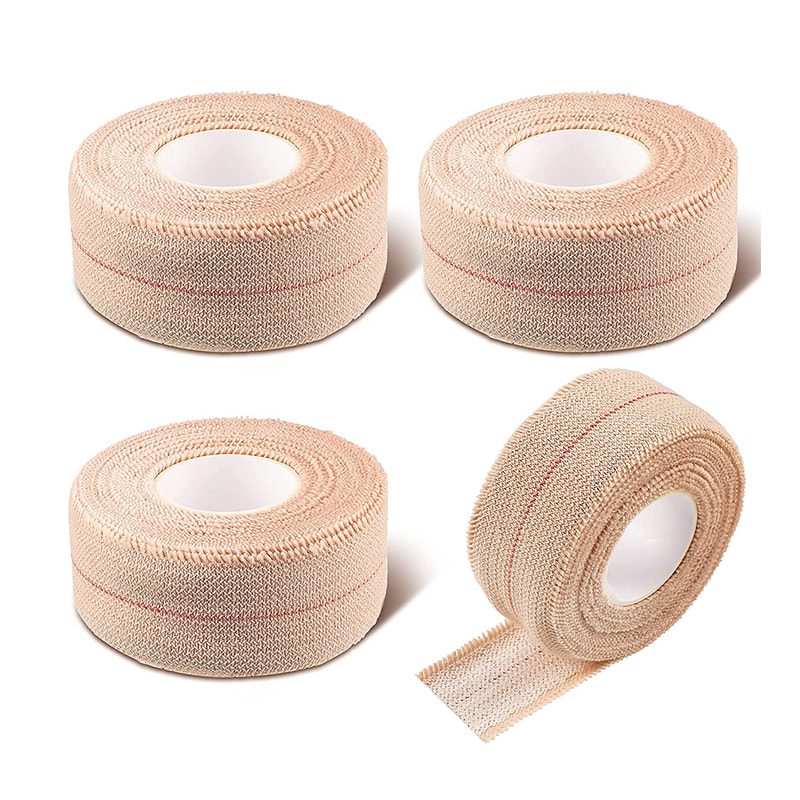 Waterproof Elastic Adhesive Sports Bandages for Ankle SprainsWaterproof, latex-free elastic adhesive bandages with breathable cotton, self-adherent support, and easy tear use for ankles, wrists, knees, and pets.View Product →
How to Choose the Right Elastic Bandage Factory
Choosing a factory is not only about the lowest quote. It is about finding a partner who can meet your specifications, timeline, and compliance needs. Here are a few practical points we recommend to buyers.
- Ask for samples from current production, not just a perfect lab sample.
- Check material composition and stretch recovery. A bandage that stretches easily but does not recover will loosen quickly.
- Review quality documents for adhesive, fiber, and packaging. If sterility is required, confirm the sterilization method and validation records.
- Discuss minimum order quantities, lead times, and packaging upfront. These details often decide whether a project stays on budget.
- Visit the factory or review its factory page to understand equipment, workshop environment, and capacity.
- Test the bandage in real conditions. For sports use, ask trainers or athletes to try it. For clinical use, follow your institution’s evaluation process.
We also suggest starting with a small trial order if possible. A trial run shows how the factory handles communication, labeling, and delivery before you commit to a full container. It is a simple step that can prevent costly misunderstandings.
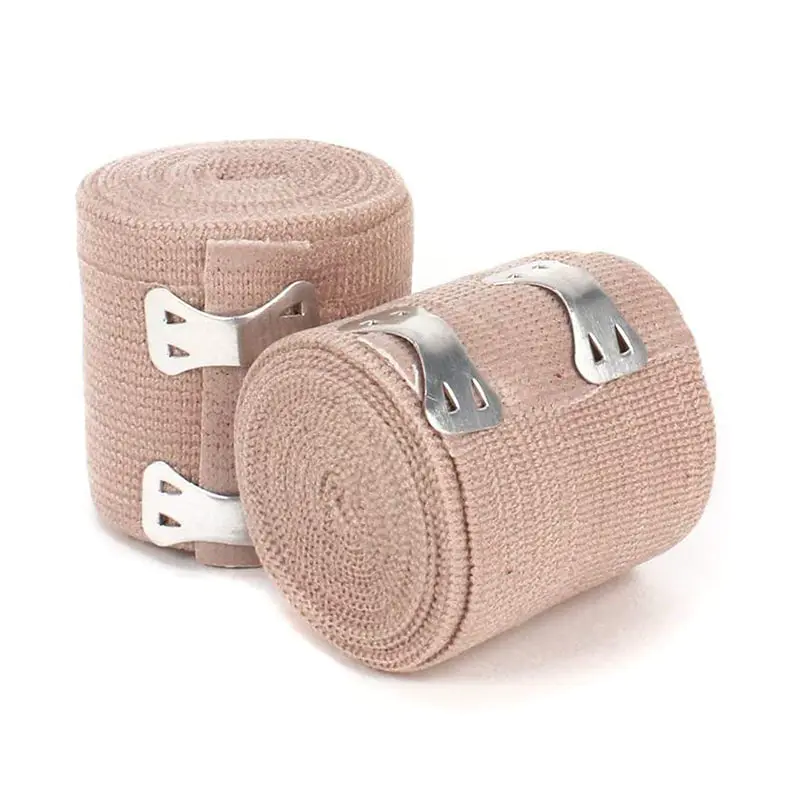 High Elastic Compression Bandages with Latex or Latex-Free OptionsHigh elastic cotton and spandex compression bandages in multiple widths, lengths, and colors, with latex or latex-free construction and washable, sterilizable support.View Product →
An elastic bandage factory may look like rows of knitting machines and rolls of fabric, but the real work is in the details: consistent yarn, even adhesive, reliable recovery, and clear communication. Whether you are sourcing for a hospital tender, a sports brand, or a retail chain, the right factory should explain not only what it makes, but why each choice matters. We are always glad to share what we have learned and to help buyers find a practical path from specification to shipment.

 English
 Español
 русский
 Français
 Deutsch
 italiano
 By Admin