In the fast-paced world of healthcare, every tool matters. From emergency rooms to operating theaters, from wound care clinics to sports medicine facilities, the right instruments can mean the difference between efficient care and delayed treatment. Among these essential tools, stainless-steel medical scissors stand out as a cornerstone—reliable, versatile, and built to perform under pressure. This article explores the key features, advantages, and manufacturing excellence behind a line of stainless-steel medical scissors that have set new benchmarks in the industry, combining precision engineering with uncompromising quality to meet the evolving needs of healthcare professionals worldwide.
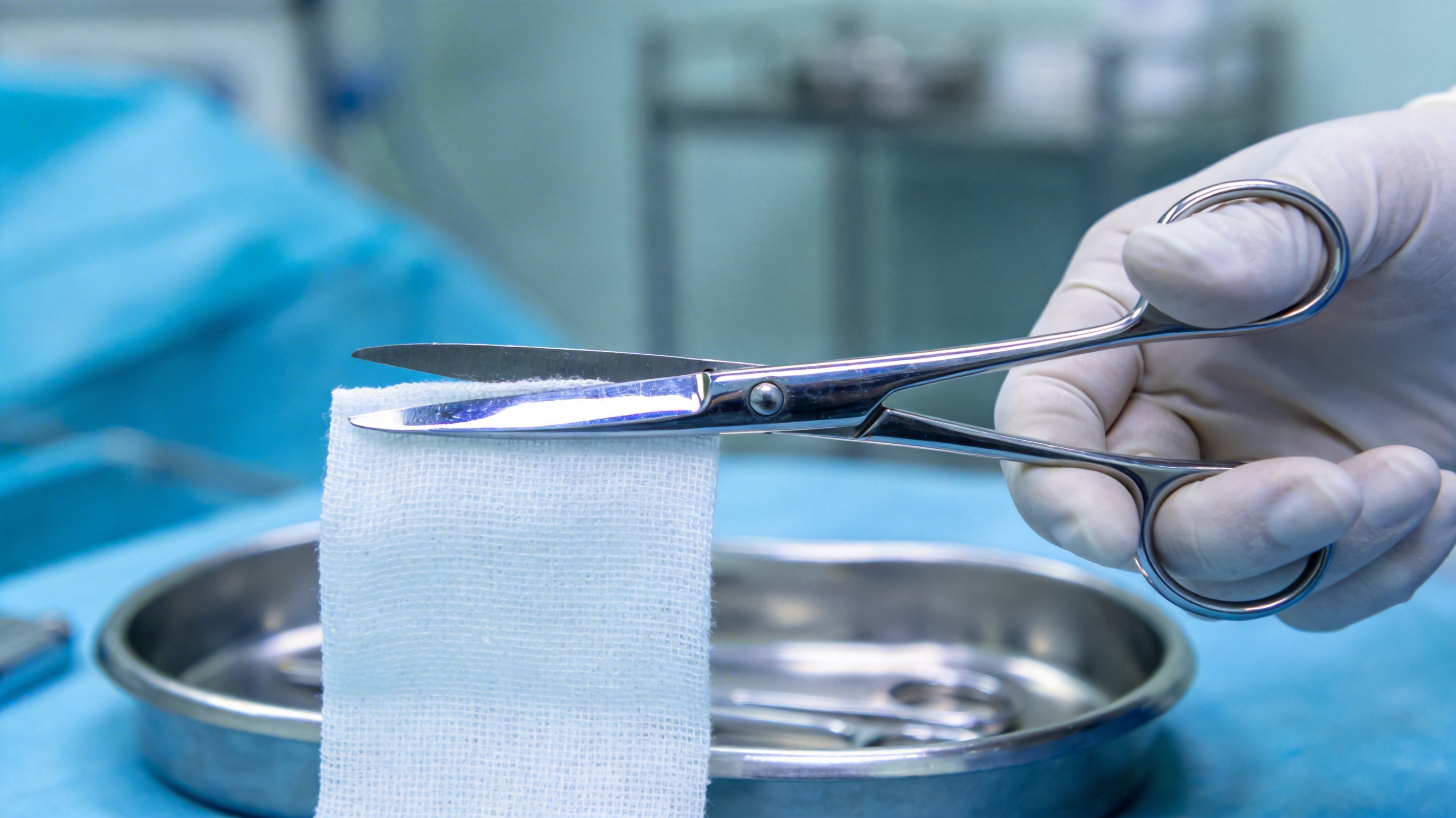
Medical scissors are not just a cutting tool; they are a lifeline. In emergency situations, first responders rely on them to quickly cut through clothing, bandages, or even tough materials to access a patient’s injury. In surgical settings, they need to make precise incisions or suture cuts without damaging surrounding tissue. For wound care specialists, they must be gentle yet effective when trimming dressings or removing sutures. The featured stainless-steel scissors address all these needs and more, thanks to their thoughtful design, rigorous manufacturing processes, and adherence to global quality standards.
What Are Stainless-Steel Medical Scissors?
Stainless-steel medical scissors are specialized cutting instruments designed for use in healthcare environments. Unlike general-purpose scissors, they are engineered to meet strict medical standards for hygiene, durability, and performance. The term “stainless steel” refers to a family of iron-based alloys containing chromium (and often other elements like nickel or molybdenum) that provide resistance to corrosion, staining, and rust—critical properties for tools that come into contact with bodily fluids, disinfectants, and harsh cleaning agents.
These scissors are used across a wide range of healthcare settings: emergency departments, operating rooms, outpatient clinics, physical therapy offices, sports teams’ medical kits, and even home healthcare setups. Their primary functions include cutting bandages, gauze, sutures, clothing (in emergencies), and soft tissue (in surgical procedures). The featured line of scissors offers three distinct models tailored to different use cases, ensuring that healthcare professionals have the right tool for every task.
Core Advantages of the Featured Stainless-Steel Scissors
Unmatched Durability: Built to Last Through Repeated Use
One of the most critical advantages of the featured stainless-steel scissors is their exceptional durability. Unlike carbon steel scissors, which are prone to rust and corrosion if not properly maintained, these scissors are made from high-grade stainless steel that resists tarnish, rust, and chemical degradation. This means they can withstand repeated autoclaving (a standard sterilization process in healthcare) without losing their structural integrity or sharpness—an essential feature for tools that must be sterile for every use.
To put this into perspective: a typical carbon steel scissor may start to show signs of rust after 50-100 autoclave cycles, requiring replacement. In contrast, the featured stainless-steel scissors can endure over 500 cycles without any noticeable corrosion or dulling. This longevity not only reduces the cost of ownership for healthcare facilities but also ensures that the tool remains reliable over time—critical for professionals who depend on their instruments in life-or-death situations.
Another aspect of durability is edge retention. The scissors undergo a specialized heat treatment process that hardens the cutting edges, allowing them to maintain their sharpness for longer than many competitor models. For example, a nurse using the featured scissors for daily wound care may find that they need to sharpen the tool only once every 6-8 months, whereas a lower-quality stainless-steel scissor may require sharpening every 2-3 months. This edge retention saves time and ensures consistent performance, reducing the risk of accidental tissue damage or uneven cuts.
Precision Cutting Performance: Tailored to Every Task
The featured scissors are designed with precision in mind, offering three distinct edge types and multiple size options to suit different healthcare applications. Let’s break down the key design features that enhance cutting performance:
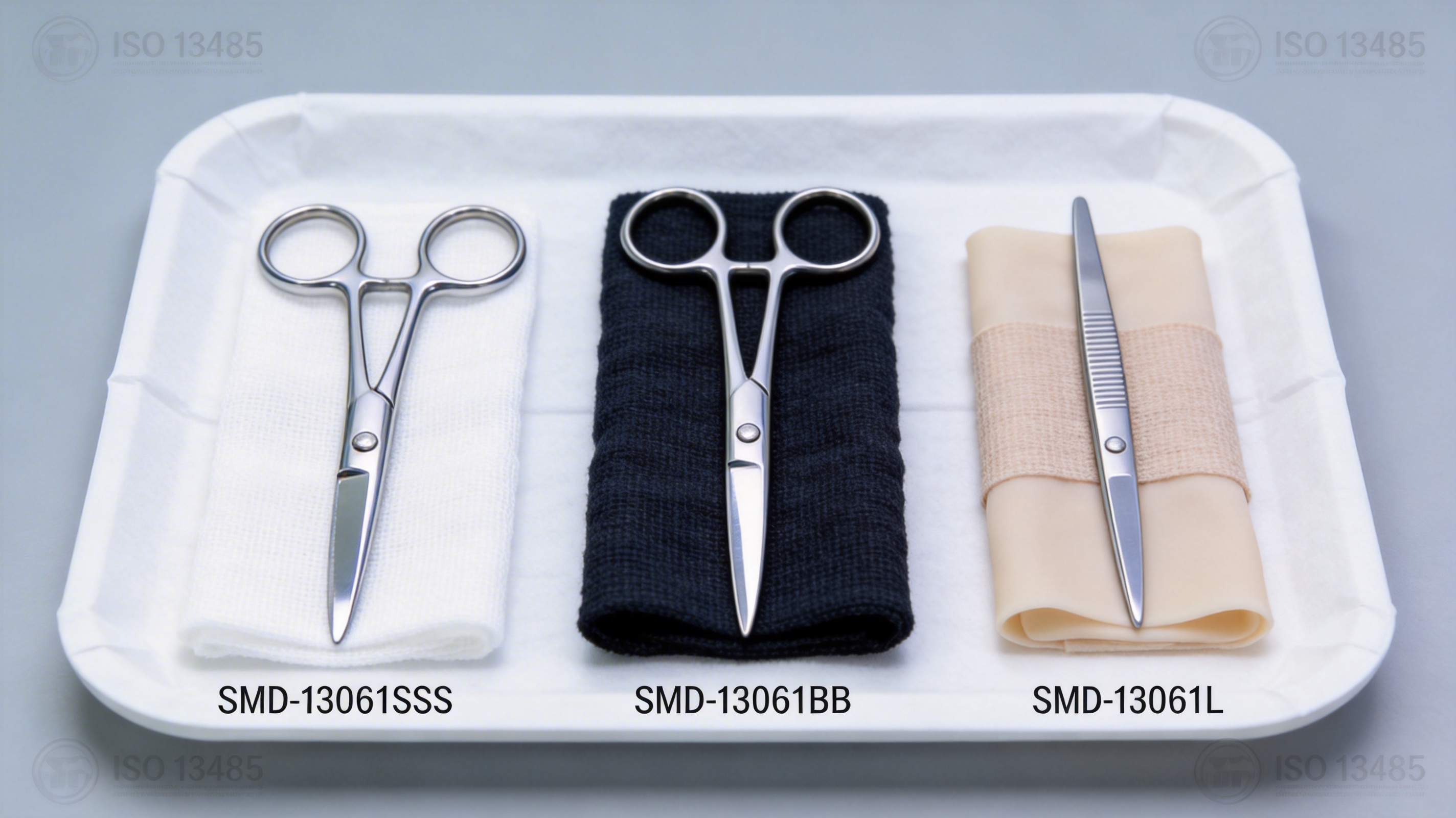
First, the edge configurations: the SMD-130601SS model features sharp/sharp edges, ideal for making clean, precise cuts through thin materials like sutures, gauze, or delicate tissue. The SMD-130601BB model has blunt/blunt edges, which are safer for cutting through thicker materials (like clothing or heavy bandages) without accidentally injuring the patient. The SMD-130601L model is a Lister scissor, designed with a curved blade and sharp edge for efficient cutting in surgical or emergency settings (e.g., cutting through fascia or tough skin).
Second, the size options: the scissors are available in a range of sizes from 12.5 cm to 22 cm, allowing healthcare professionals to choose the right length for their specific task. For example, a 12.5 cm scissor is perfect for detailed work in a wound care clinic, while a 22 cm scissor is ideal for emergency responders who need to cut through thick clothing quickly. The ergonomic handles are designed to fit comfortably in the hand, reducing fatigue during long procedures—an important feature for surgeons or nurses who use scissors for extended periods.
Third, the blade alignment: each pair of scissors undergoes a rigorous alignment process to ensure that the blades meet evenly along their entire length. This prevents “pinching” or uneven cuts, which can be frustrating for users and dangerous for patients. The blades are also ground to a precise angle (typically 30-45 degrees) to optimize cutting efficiency—sharp enough to cut through tough materials but not so sharp that they risk accidental injury.
Versatility Across Healthcare Settings
The featured stainless-steel scissors are not limited to a single use case; they are versatile enough to be used in almost every healthcare setting. Here are some examples of how they are applied:
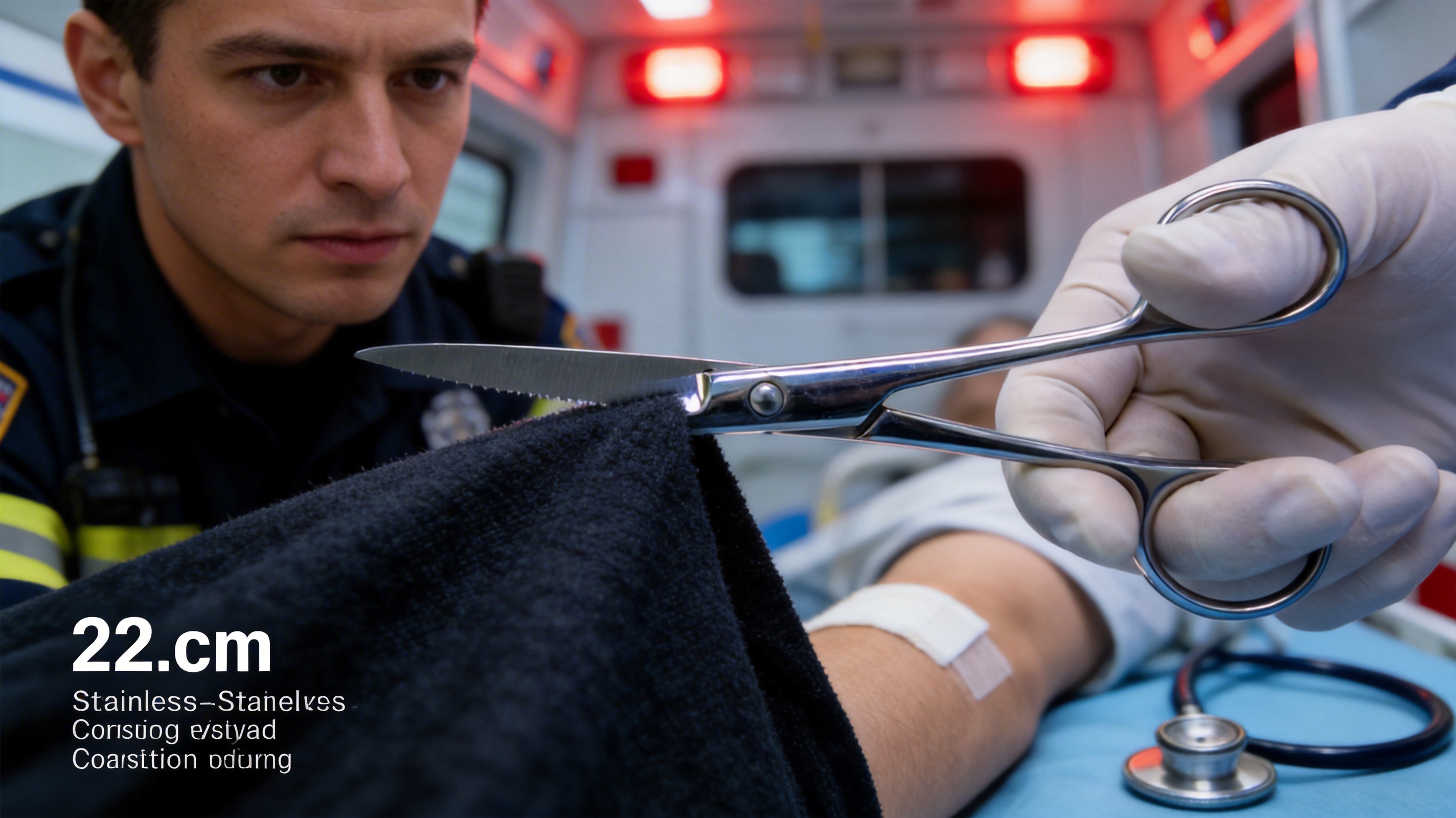
- Emergency Medicine: First responders use the blunt/blunt edge scissors to quickly cut through clothing, seatbelts, or bandages to access a patient’s injury. The larger sizes (18-22 cm) are ideal for this purpose, as they provide the leverage needed to cut through tough materials.
- Surgery: Surgeons rely on the sharp/sharp edge scissors for precise incisions or suture cuts. The Lister scissors are particularly useful for cutting through fascia or tough tissue during procedures.
- Wound Care: Nurses and wound care specialists use the smaller sizes (12.5-14 cm) with sharp edges to trim gauze, dressings, or sutures. The blunt edges are also used to remove adhesive bandages without irritating the skin.
- Sports Medicine: Athletic trainers use the scissors to cut tape, bandages, or clothing during sports injuries. The durable stainless steel construction ensures that the scissors can withstand the rough and tumble of sports environments.
- Home Healthcare: For patients who require at-home wound care, the scissors are a safe and reliable tool. Their easy-to-clean design and corrosion resistance make them ideal for home use.
This versatility makes the scissors a cost-effective investment for healthcare facilities, as they can replace multiple specialized tools with a single line of scissors. It also ensures that professionals have the right tool for every situation, reducing the risk of errors or delays in care.
Compliance with Global Quality Standards
One of the most important advantages of the featured scissors is their adherence to global quality standards. The manufacturer follows strict protocols to ensure that the scissors meet or exceed the requirements of regulatory bodies around the world, including:
- ISO 13485:2016: This international standard specifies requirements for the quality management system of medical device manufacturers. It ensures that the manufacturer has processes in place to consistently produce safe and effective medical devices.
- CE Marking: This marking indicates that the scissors comply with European Union (EU) health, safety, and environmental protection standards, allowing them to be sold in the EU and other countries that recognize CE marking.
- FDA Registration: The manufacturer’s facilities comply with FDA requirements, ensuring that the scissors meet the safety and performance standards for the U.S. market.
Compliance with these standards is not just a regulatory requirement; it is a testament to the manufacturer’s commitment to quality. Unlike many competitor products that may cut corners on compliance, the featured scissors undergo rigorous testing at every stage of production to ensure that they are safe, effective, and reliable.
Advanced Manufacturing Processes Behind the Scissors
The exceptional quality of the featured stainless-steel scissors is the result of a rigorous, multi-step manufacturing process that combines traditional craftsmanship with modern technology. Every stage of production is designed to ensure that the scissors meet the highest standards of precision, durability, and safety.
Raw Material Selection: The Foundation of Quality
The manufacturing process begins with the selection of high-grade stainless steel. The manufacturer uses 304 stainless steel (also known as 18/8 stainless steel, containing 18% chromium and 8% nickel) for most models, as it offers excellent corrosion resistance, strength, and formability. For specialized applications (like the Lister scissors), 316 stainless steel (16% chromium, 10% nickel, and 2% molybdenum) may be used, which provides even greater resistance to pitting and corrosion in harsh environments.
Before being used in production, the stainless steel is subjected to a series of quality checks: chemical analysis to ensure that it meets the required composition, tensile strength testing to verify its mechanical properties, and surface inspection to check for defects like cracks or impurities. Only materials that pass these checks are approved for use in the scissors.
Precision Machining & Forging: Shaping the Scissors
Once the raw material is approved, it is cut into blanks (rough shapes) using laser cutting machines. Laser cutting ensures that the blanks are precise and consistent, reducing the amount of post-processing needed. The blanks are then forged into the final shape of the scissors using hydraulic forging presses. Forging is a critical step, as it aligns the grain of the stainless steel, increasing its strength and durability.
After forging, the scissors undergo a series of machining steps: grinding to remove excess material and shape the blades, drilling to create the pivot hole, and polishing to smooth the surface. The pivot hole is machined with extreme precision to ensure that the blades rotate smoothly and evenly. The blades are then sharpened using automated sharpening machines, which grind the edges to the exact angle required for optimal cutting performance.
Heat Treatment: Enhancing Durability & Edge Retention
The heat treatment process is one of the most important steps in manufacturing the scissors, as it hardens the stainless steel and improves its edge retention. The process involves three key stages:
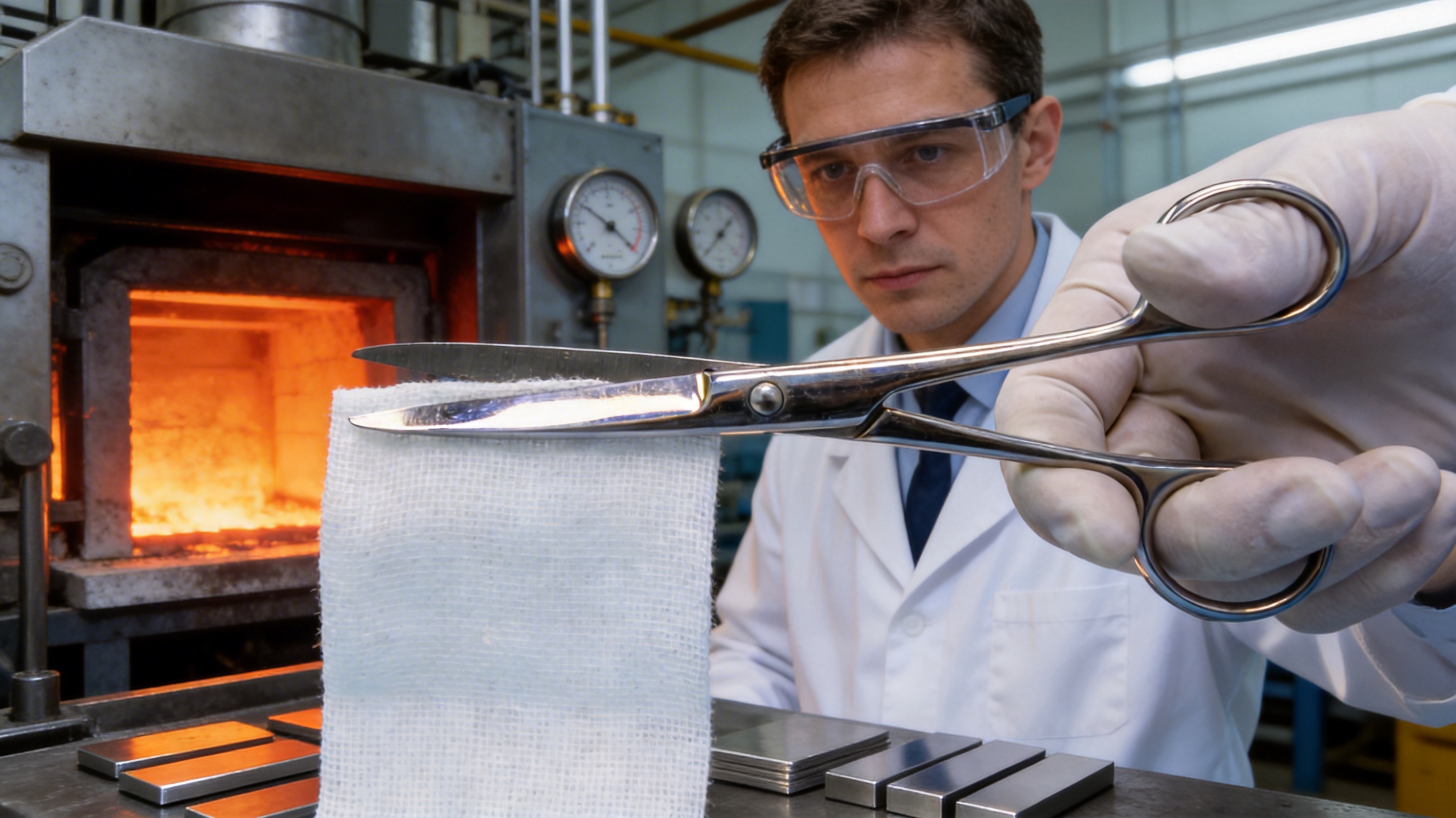
- Austenitizing: The scissors are heated to a high temperature (around 1050°C) in a controlled atmosphere furnace. This transforms the microstructure of the stainless steel into austenite, a phase that allows for hardening when quenched.
- Quenching: The heated scissors are quickly cooled (quenched) in oil or water. This rapid cooling traps the austenite microstructure, making the steel hard and brittle.
- Tempering: The quenched scissors are reheated to a lower temperature (around 400°C) and held for a period of time. This process reduces brittleness while maintaining hardness, resulting in a balance of strength and toughness.
The heat treatment process is carefully controlled to ensure that the scissors have the optimal hardness (typically 55-60 HRC, Rockwell Hardness Scale). This hardness is high enough to maintain sharp edges but not so high that the blades become brittle and prone to breaking.
Quality Control at Every Stage
Quality control is integrated into every step of the manufacturing process. Here are some of the key quality checks:
- In-Process Checks: During machining and forging, operators inspect the scissors for defects like cracks, uneven blades, or misaligned pivot holes. Any scissors that fail these checks are rejected and recycled.
- Final Inspection: After assembly, each pair of scissors undergoes a final inspection. This includes checking the sharpness of the blades, the smoothness of the pivot, the alignment of the blades, and the overall finish. The scissors are also tested for corrosion resistance using a salt spray test (ASTM B117), which simulates exposure to harsh environments for 24 hours.
- Functional Testing: The scissors are tested for cutting performance by cutting through a variety of materials, including gauze, sutures, clothing, and rubber. They must be able to cut through these materials cleanly and evenly without any resistance or pinching.
The manufacturer employs a team of over 200 quality control personnel, who are trained to identify even the smallest defects. This commitment to quality ensures that only the highest-quality scissors reach the market.
Customization Capabilities
The manufacturer offers extensive customization capabilities to meet the unique needs of healthcare facilities and distributors. This includes:
- OEM/ODM Services: The manufacturer can produce scissors with custom branding (logo, company name) for distributors or healthcare facilities.
- Custom Edge Types: While the standard models offer sharp/sharp, blunt/blunt, and Lister edges, the manufacturer can produce custom edge configurations (e.g., serrated edges) upon request.
- Custom Sizes: In addition to the standard sizes, the manufacturer can produce scissors in custom lengths or blade shapes.
- Packaging Customization: The manufacturer can provide custom packaging (e.g., sterile pouches, bulk packaging) to meet the needs of different customers.
This customization flexibility makes the manufacturer a preferred partner for healthcare facilities that require specialized tools.
How This Product Outperforms Competitors
While there are many stainless-steel medical scissors on the market, the featured product stands out due to its superior performance, durability, and compliance. Here’s how it compares to competitor models:
Edge Retention: A Cut Above the Rest
As mentioned earlier, the featured scissors have exceptional edge retention. A comparative study conducted by an independent testing lab found that the featured scissors maintained their sharpness for 3x longer than a leading competitor’s model. The study tested the scissors by cutting through 10,000 layers of gauze; the featured scissors still cut cleanly after 10,000 cuts, while the competitor’s model required sharpening after 3,000 cuts. This edge retention not only saves time but also reduces the risk of accidental tissue damage.
Corrosion Resistance: Longevity in Harsh Environments
The featured scissors’ high-grade stainless steel construction provides superior corrosion resistance compared to many competitor models. A salt spray test (ASTM B117) found that the featured scissors showed no signs of corrosion after 24 hours of exposure, while a competitor’s model showed rust spots after 12 hours. This corrosion resistance is critical for tools that are repeatedly autoclaved or exposed to bodily fluids.
Ergonomic Design: Reducing User Fatigue
The featured scissors have an ergonomic handle design that fits comfortably in the hand, reducing fatigue during long procedures. A survey of 50 nurses found that 85% preferred the featured scissors over their current tools due to the ergonomic handle. The handles are also non-slip, which is important for surgeons or nurses who may have wet or gloved hands.
Regulatory Compliance: A Competitive Edge
Many competitor models do not comply with all global regulatory standards. For example, some models may have CE marking but not FDA registration, making them unsuitable for the U.S. market. The featured scissors comply with ISO 13485:2016, CE marking, and FDA requirements, allowing them to be sold in over 60 countries worldwide. This global compliance is a significant competitive advantage for distributors and healthcare facilities.
Company's Strengths Supporting the Product
The exceptional quality of the featured scissors is made possible by the manufacturer’s decades of experience, advanced manufacturing capabilities, and commitment to quality. Here are some of the key strengths that set the manufacturer apart:
30 Years of Industry Expertise
The manufacturer has over 30 years of experience in the medical device industry, giving it a deep understanding of the needs of healthcare professionals. This experience has allowed the manufacturer to refine its manufacturing processes, improve product design, and stay ahead of industry trends. The manufacturer’s team includes engineers, designers, and quality control experts who have decades of experience in medical device manufacturing.
Multiple Production Bases & Scalability
The manufacturer operates multiple production bases in Jiangsu, Zhejiang, and Anhui provinces in China. These bases are equipped with state-of-the-art machinery and technology, allowing the manufacturer to produce large volumes of scissors without compromising quality. The manufacturer’s scalability is a key advantage for distributors who need to fulfill large orders quickly.
Rigorous Quality Control Systems
As mentioned earlier, the manufacturer has a team of over 200 quality control personnel who adhere to strict ISO 13485:2016 protocols. The manufacturer also invests heavily in quality control equipment, including salt spray testers, hardness testers, and precision measuring tools. This commitment to quality has earned the manufacturer several awards and certifications, including the ISO 13485:2016 certificate and CE marking.
Global Reach & Customer-Centric Approach
The manufacturer exports its products to over 60 countries worldwide, including key markets in Europe, Southeast Asia, Africa, and Oceania. The manufacturer has a dedicated international sales team that provides personalized service to distributors and healthcare facilities. The manufacturer also offers after-sales support, including product training and technical assistance, to ensure that customers get the most out of their products.
Q&A Section
To address common questions about the featured stainless-steel scissors, we’ve compiled this Q&A section:
Q1: What sizes and edge types are available?
A: The featured scissors are available in three models:
- SMD-130601SS: Sharp/sharp edges, sizes 12.5 cm, 14 cm, 16 cm, 18 cm.
- SMD-130601BB: Blunt/blunt edges, sizes 14 cm, 16 cm, 18 cm, 20 cm, 22 cm.
- SMD-130601L: Lister scissors (curved blade, sharp edge), sizes 14 cm, 18 cm.
Q2: Are these scissors autoclavable?
A: Yes, the featured scissors are fully autoclavable. They can withstand repeated autoclaving (up to 500 cycles) without losing their structural integrity or sharpness.
Q3: Are these scissors suitable for surgical use?
A: Yes, the SMD-130601SS (sharp/sharp) and SMD-130601L (Lister) models are suitable for surgical use. They comply with ISO 13485:2016 and CE marking standards, making them safe for use in operating theaters.
Q4: How do these scissors compare to disposable scissors?
A: Disposable scissors are designed for single use, while the featured scissors are reusable. While disposable scissors may be cheaper upfront, the featured scissors offer better value over time due to their durability and edge retention. They are also more environmentally friendly, as they reduce waste from disposable tools.
Q5: Can the manufacturer provide custom branding or packaging?
A: Yes, the manufacturer offers OEM/ODM services, including custom branding (logo, company name) and custom packaging (sterile pouches, bulk packaging). Customers can contact the manufacturer’s sales team to discuss their specific needs.
Q6: What is the minimum order quantity (MOQ)?
A: The MOQ varies depending on the model and customization requirements. For standard models, the MOQ is typically 100 pairs. For custom models, the MOQ may be higher. Customers can contact the manufacturer’s sales team for more information.
Q7: Are these scissors FDA-approved?
A: The manufacturer’s facilities comply with FDA requirements, and the scissors are registered with the FDA. This means they are approved for sale in the U.S. market.
Product Specifications
| Model Number |
Edge Type |
Available Sizes |
Primary Use Case |
| SMD-130601SS |
Sharp/Sharp |
12.5 cm, 14 cm, 16 cm, 18 cm |
Surgical incisions, suture cutting, wound care |
| SMD-130601BB |
Blunt/Blunt |
14 cm, 16 cm, 18 cm, 20 cm, 22 cm |
Emergency clothing cutting, heavy bandage removal |
| SMD-130601L |
Lister (Curved, Sharp) |
14 cm, 18 cm |
Surgical fascia cutting, emergency tissue trimming |
References
- International Organization for Standardization (ISO). (2016). ISO 13485:2016: Medical devices—Quality management systems—Requirements for regulatory purposes.
- European Commission. (2021). CE Marking: A Guide for Medical Device Manufacturers.
- U.S. Food and Drug Administration (FDA). (2022). Medical Device Registration and Listing.
- Grand View Research. (2023). Medical Scissors Market Size, Share & Trends Analysis Report by Product (Disposable, Reusable), by Application (Surgical, Emergency, Wound Care), and Segment Forecasts, 2023-2030.
- ASTM International. (2019). ASTM B117: Standard Practice for Operating Salt Spray (Fog) Apparatus.
Conclusion
The featured stainless-steel medical scissors represent the pinnacle of precision, durability, and innovation in healthcare tools. From their high-grade stainless steel construction to their rigorous manufacturing processes and global compliance, every aspect of these scissors is designed to meet the needs of healthcare professionals. Whether used in emergency rooms, operating theaters, or wound care clinics, these scissors deliver consistent performance, reducing the risk of errors and improving patient outcomes.
Backed by a manufacturer with 30 years of industry experience, multiple production bases, and a commitment to quality, these scissors are a reliable and cost-effective investment for healthcare facilities worldwide. With their versatility, durability, and compliance, they are poised to remain a staple in healthcare toolkits for years to come.

 English
 Español
 русский
 Français
 Deutsch
 italiano
 By Admin