Medication routines are often more complicated than they first appear. A person may need one medicine in the morning, another after lunch, a supplement in the evening, and a final dose before bedtime. When these routines continue for several weeks, relying on memory alone can lead to missed doses, repeated doses, confusion between products, or unnecessary stress for patients and caregivers.
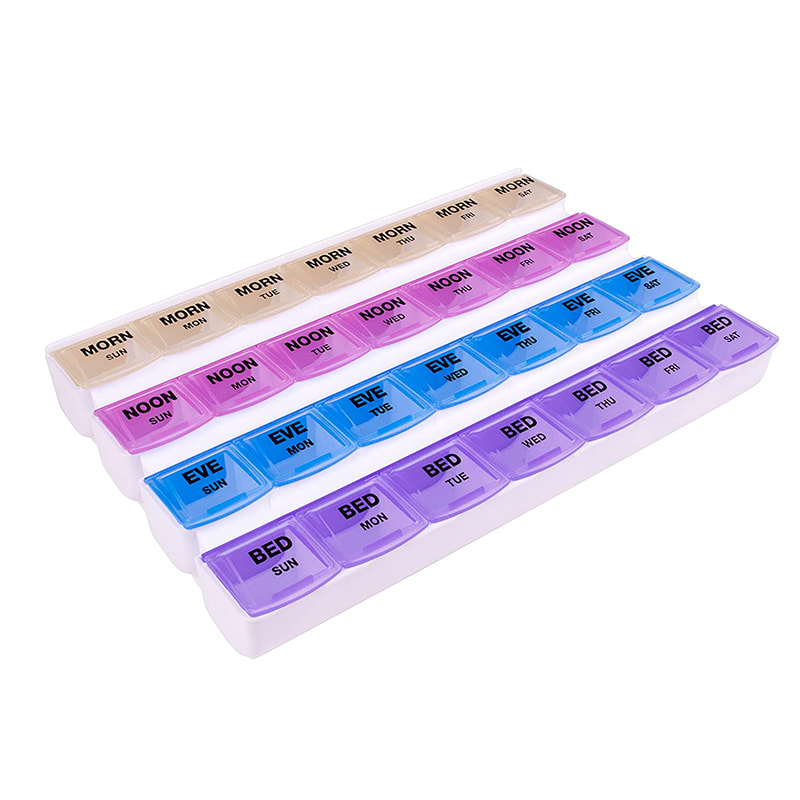
The Easy 28 Day Weekly Monthly Pill Organizer with See Through Lids is designed to provide a practical solution to this everyday challenge. It combines the familiar structure of a weekly pill box with four clearly separated daily dosing periods. With 28 compartments in total, the organizer provides space for seven days of medication planning, divided into morning, afternoon, evening, and bedtime sections.
Its purpose is simple: make medication preparation easier, make daily checking faster, and make home care routines more orderly. The transparent lids allow users to see the contents of each compartment without opening every section. The color-coded layout supports quick recognition, while the compact plastic construction is suitable for regular use at home, during recovery, or as part of a caregiver-supported routine.
Understanding the 28-Compartment Design
The central feature of this organizer is its 28-compartment configuration. Seven days multiplied by four daily dosing periods creates a complete weekly schedule. Instead of placing all tablets in one container, users can separate them according to both day and time.
| Product Attribute | Specification | Practical Benefit |
|---|
| Product type | Weekly and monthly-style pill organizer | Supports structured medication planning |
| Number of compartments | 28 | Provides four dosing periods for each of seven days |
| Daily divisions | Morning, afternoon, evening, and bedtime | Helps separate medicines by time of day |
| Lid design | See-through and easy-opening | Allows quick visual checking of contents |
| Material | PP plastic | Lightweight and suitable for routine household use |
| Dimensions | 18.8 x 12.6 x 3 cm | Offers a balance between capacity and portability |
| Model | DC661319 | Supports product identification and ordering |
The arrangement is useful for people who take different products at different times. It can accommodate many common tablets, capsules, vitamins, and similarly sized oral supplements. Because the compartments are separated, users do not need to remember which tablets belong to which part of the day after the organizer has been prepared.
For a caregiver, the same design can make weekly preparation more efficient. A family member can fill the organizer in advance and then check each compartment before the week begins. For independent users, the organizer provides a visible reminder that can be placed in a familiar location, such as a bedside table, kitchen cabinet, or personal care area.
How the Organizer Supports Daily Medication Routines
A well-organized medication routine involves more than storing tablets. The user must know what to take, when to take it, and whether a dose has already been taken. A multi-compartment organizer addresses the storage and visual reminder aspects of this process.
Morning Organization
The morning compartment can be used for products scheduled after waking or with breakfast, according to the user’s healthcare instructions. Since the compartment is assigned to a specific day and time, it helps reduce the chance of taking the morning dose from the wrong day.
Afternoon Organization
The afternoon section provides a separate location for medicines or supplements intended for the middle of the day. This separation is particularly helpful when the user does not take every product at every dosing period.
Evening Organization
The evening compartment can hold products scheduled later in the day. By keeping these items separate from morning and afternoon products, the organizer makes it easier to identify the next scheduled group.
Bedtime Organization
The bedtime section completes the daily cycle. A user can check whether the bedtime compartment remains filled or has already been opened. This visible system can be useful for people whose evening routine changes from day to day.
The organizer does not replace professional medical advice, prescription instructions, or a pharmacist’s guidance. Instead, it serves as a physical management tool that helps users follow an existing medication plan more consistently. Medicines should always be stored, combined, and taken according to instructions from a qualified healthcare professional.
See-Through Lids for Faster Visual Checking
One of the most useful advantages of the product is its transparent lid design. A user can inspect a compartment without fully opening it, which saves time and supports quick visual confirmation.
For many pill boxes, the user must open each lid to determine whether a dose is present. This can be inconvenient when checking several days at once. See-through lids allow the user or caregiver to review the organizer at a glance. If a compartment is empty, the absence of medication is immediately visible. If it is full, the prepared dose can be confirmed without disturbing the contents.
Visual access is also valuable for older adults and people who may have difficulty remembering whether they have taken a dose. The transparent surface creates a simple physical reminder. It does not depend on a phone application, battery, wireless connection, or digital interface.
The see-through structure can also improve preparation accuracy. When filling the organizer, the person preparing the medication can check that each compartment contains the intended products. This is especially useful when several compartments are filled in one session.
Color-Coded Sections and Easy Identification
Color coding adds another layer of organization. A consistent color system helps distinguish daily periods and can make the organizer more intuitive for users who prefer visual cues. The combination of color-coded sections and printed or molded day divisions provides two complementary methods of identification.
Visual differentiation can be particularly helpful in busy households. A caregiver may be preparing medication for several family members, or a user may keep the organizer among other personal care items. Distinct sections reduce the need to rely only on small text or memory.
Color coding is also advantageous for product accessibility. People with limited concentration, reduced dexterity, or mild visual processing difficulties may find a clearly divided and color-differentiated layout easier to understand than a plain, undivided container.
Of course, color should be used as a supporting feature rather than the only source of identification. Users should still confirm the day, time, and medication instructions before taking any product. However, a visual system can make the routine more straightforward and reduce unnecessary searching.
Easy-Opening Lids for Everyday Convenience
A pill organizer can be well designed yet difficult to use if its lids require excessive force. This model is described as having easy-open lids, supporting regular access for users who may have limited hand strength or reduced finger mobility.
Easy-opening sections can benefit older adults, people recovering from surgery, users with long-term mobility challenges, and anyone who finds small closures uncomfortable. The goal is to provide enough closure for routine storage while avoiding an unnecessarily complicated opening process.
For caregivers, easy-opening compartments can also shorten the time required to check or refill the organizer. A lid that opens smoothly allows the user to access the appropriate section without manipulating a large bottle, removing a child-resistant cap, or handling multiple separate containers.
The organizer’s easy-opening design should be used responsibly. It is not a child-safety container, and it should be kept away from children and anyone who could accidentally ingest its contents. Medicines and supplements must remain under appropriate supervision and storage conditions.
PP Plastic Construction
The organizer is made from PP plastic, commonly known as polypropylene. This material is widely used in household storage products because it can provide a useful combination of low weight, durability, and practical formability.
A lightweight material makes the organizer easier to move from room to room. It is also more convenient for travel than a bulky collection of individual bottles. The dimensions of 18.8 x 12.6 x 3 cm provide a relatively compact profile while retaining enough space for 28 separate compartments.
Polypropylene can be molded into precise shapes, allowing manufacturers to create the base, dividers, lid areas, and connecting features required for a multi-section organizer. Consistent molding helps support uniform compartment sizing and a clean appearance across production batches.
In routine use, the organizer should be handled according to its intended purpose. It should be kept clean and dry, protected from excessive heat and moisture, and inspected periodically for cracks, broken hinges, or damaged closures. It should not be used to store products that require special temperature control unless the responsible healthcare professional confirms that the storage conditions are appropriate.
Advantages Over Basic Pill Containers
Basic pill containers often provide one undivided space or a small number of sections. Although these products can be suitable for simple medication routines, they may not be sufficient for people who take different products several times a day.
The 28-compartment model offers several advantages over a single-compartment container:
First, it separates medication by day. This helps users avoid mixing doses from different days and makes weekly preparation more systematic.
Second, it separates medication by time. Morning, afternoon, evening, and bedtime sections support a more detailed schedule than a simple “daily” container.
Third, it provides visual confirmation. The user can see whether a compartment has been filled or opened without searching through a large supply of tablets.
Fourth, it reduces the number of separate containers needed during daily use. A user may still need to keep original packaging for identification and storage information, but the organizer can make the routine itself more convenient.
Fifth, it supports caregiver involvement. A family member or support worker can prepare the organizer and monitor progress more easily than when multiple loose bottles are used.
Compared with small pocket organizers, this model offers greater capacity and a more complete weekly schedule. Pocket boxes can be useful for short trips or a single day, but they may not provide enough space for four daily periods across seven days.
Compared with electronic reminder systems, the organizer has no battery, software, charging requirement, or connection problem. It is a physical tool that can be used immediately. This simplicity may be especially valuable in environments where users prefer non-digital products or have limited access to smartphones.
Advantages Over Less Structured Weekly Organizers
Some weekly organizers divide medication only into seven day-based sections. These products may work well for users who take all medicines at one time each day. However, they provide less support when dosing schedules vary throughout the day.
A four-period daily format creates a more detailed planning structure. It allows users to place products in separate morning, afternoon, evening, and bedtime locations. This can make it easier to follow a complex routine without combining all daily medicines in one section.
The layout also provides a clear relationship between the day and the time. A user can identify not only “Tuesday,” but also “Tuesday evening” or “Friday bedtime.” That additional level of organization is one of the key competitive benefits of a 28-compartment design.
Another advantage is the ability to observe unused sections. If a certain product is taken only in the morning, the other daily sections can remain empty. The user can still understand the schedule because the organizer presents each possible dosing period in a consistent location.
This design may reduce preparation errors when the organizer is filled carefully. However, users and caregivers should always compare the prepared compartments with the medication list or professional instructions.
Easy 28 Day Weekly Monthly Pill Organizer with See Through Lids
Use in Home Care, Recovery, and Aging Support
Medication organization becomes particularly important when a person is recovering from surgery, managing long-term health needs, or adapting to changes associated with aging. During these periods, fatigue, pain, mobility limitations, and changes in daily routine can make ordinary storage methods less effective.
The organizer supports home care by placing essential information in a visible and physical format. A person does not need to remember which bottle belongs to which time period after the organizer has been prepared. The compartments provide a simple sequence that can be followed throughout the day.
For a person with mobility challenges, the lightweight body and easy-opening lids may make access more comfortable. The organizer can be placed in a convenient location that does not require repeated lifting of heavy containers.
For caregivers, it can act as a weekly preparation tool. The caregiver can review the medication schedule, fill each relevant compartment, and use the transparent lids to check the result. During the week, the caregiver can quickly see whether a compartment appears to have been used.
For older adults, the simple design can be easier to understand than a complex electronic dispenser. The day-and-time structure is visible, and the user can interact with the product directly. The organizer may also support conversations between patients, family members, nurses, and pharmacists by providing a clear physical representation of the routine.
Despite these benefits, the organizer should not be treated as an automatic medication dispenser. It does not verify the identity of a tablet, measure a dose, provide an alarm, or confirm that a medicine has been swallowed. It is a storage and organization aid, not a diagnostic or dispensing device.
Universal Storage for Pills and Vitamins
The organizer is intended for pills, capsules, vitamins, and similar oral products of compatible size. Its versatility allows it to serve different household needs. One person may use it for prescription medicines, while another may use it for vitamins or dietary supplements.
Users should avoid overfilling compartments. Tablets and capsules should fit comfortably without forcing the lid open or interfering with the closure. Products that are unusually large, fragile, liquid, powder-based, or sensitive to moisture may not be suitable for this type of organizer.
Some medicines must remain in their original packaging for stability, identification, or legal and safety reasons. In such cases, the organizer should be used only when the pharmacist or healthcare professional confirms that transferring the product is appropriate.
The organizer is best viewed as a flexible support product rather than a universal solution for every medicine. Its practical value comes from matching the compartment system to the user’s actual schedule.
Product Dimensions and Practical Portability
Measuring 18.8 x 12.6 x 3 cm, the organizer is sized for weekly planning without becoming excessively bulky. Its rectangular format allows it to be stored in a drawer, placed on a shelf, or carried in a suitable travel bag.
The 3 cm thickness helps maintain a relatively slim profile. This can be useful for users who want a larger capacity than a pocket box while still avoiding a collection of separate daily containers.
Portability is particularly useful during short trips, family visits, or temporary stays away from home. Before traveling, users should confirm that medicines are labeled appropriately and that original packaging or prescription information is carried when needed. The organizer can support convenience, but it should not replace documentation or safe transport practices.
Manufacturing Strengths Behind the Product
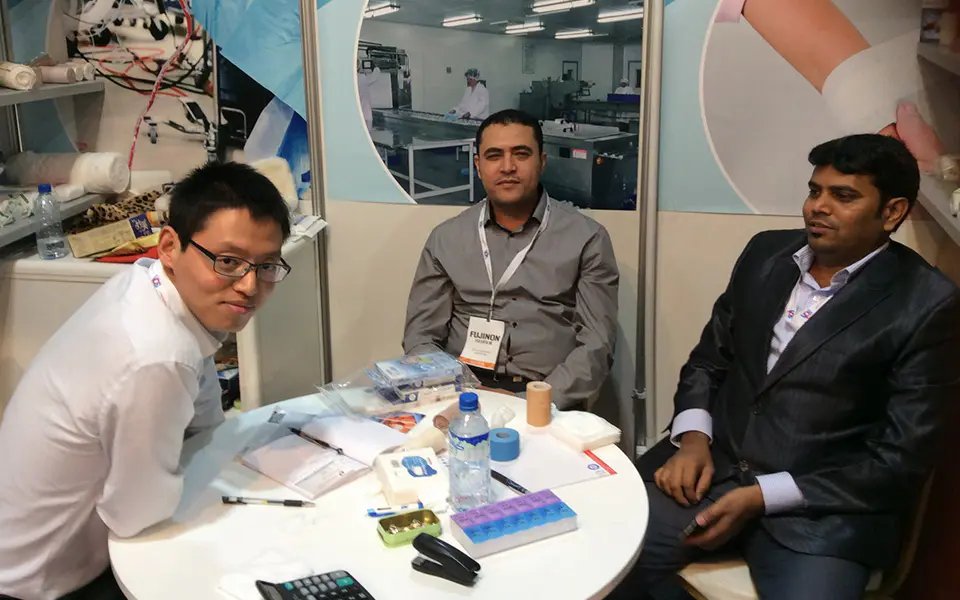
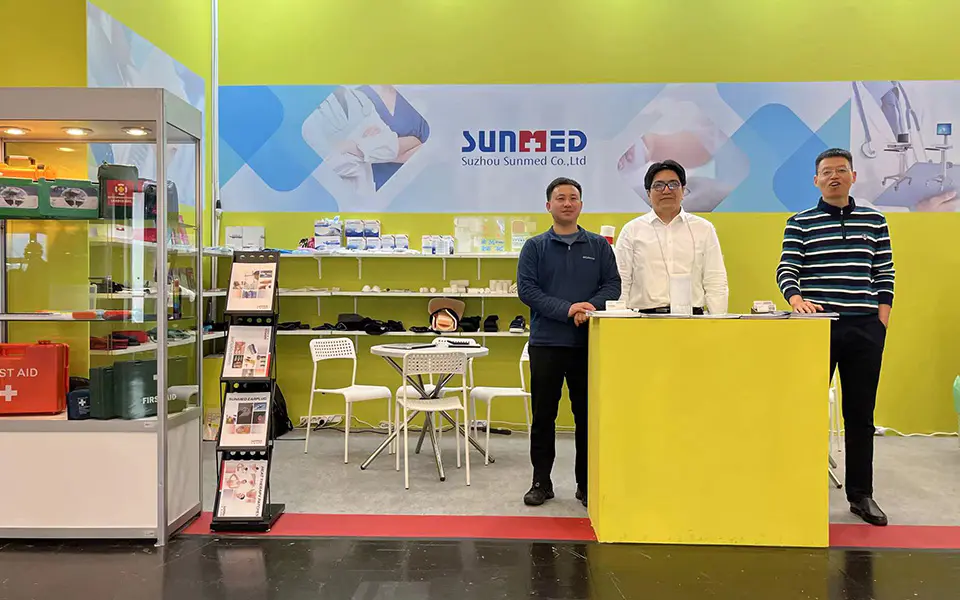
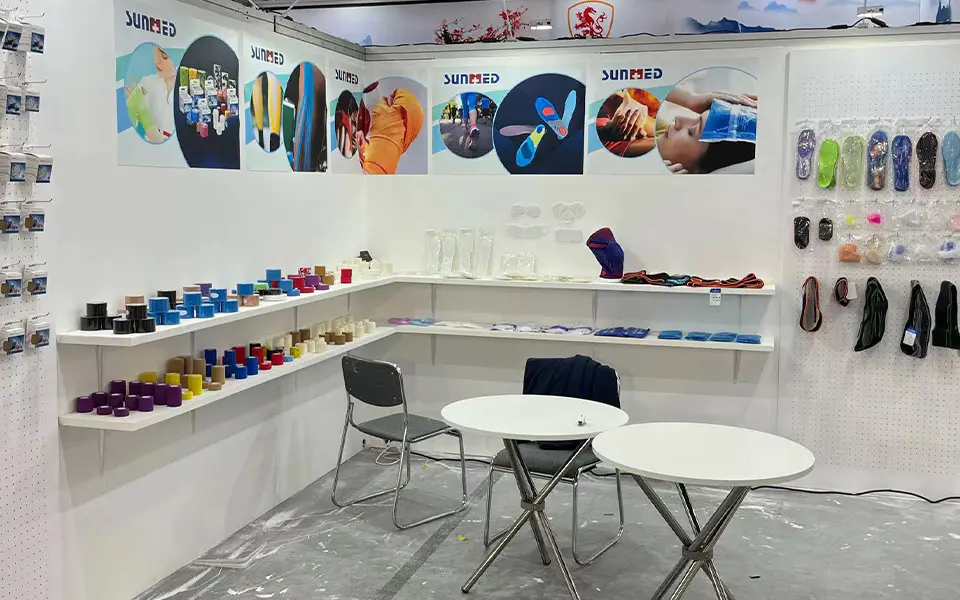
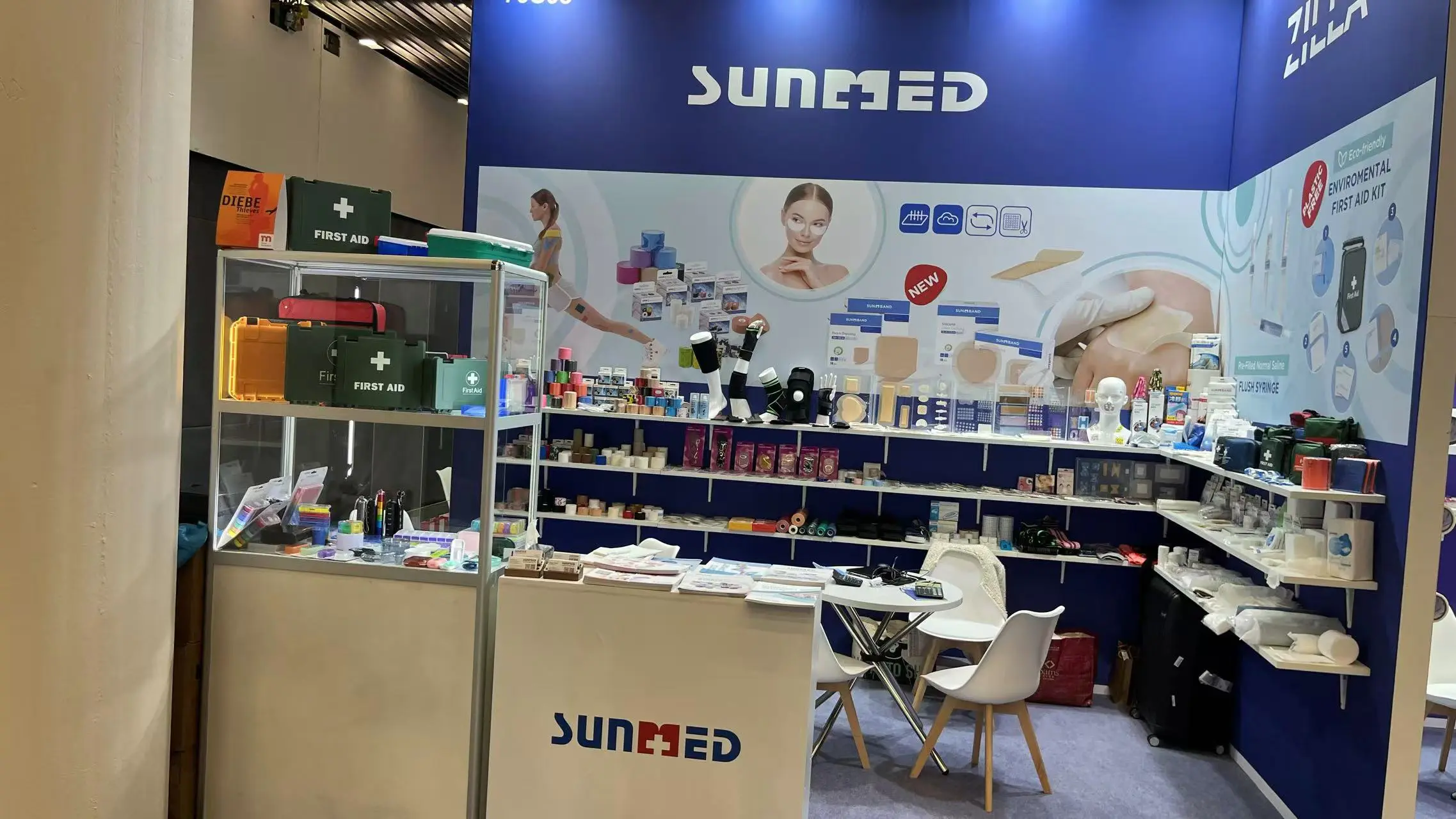
The product is supplied by Suzhou Sunmed Co., Ltd., a Chinese manufacturer and exporter specializing in first aid, medical, healthcare, and family-care products. The company reports approximately 30 years of experience in the medical device and medical consumables industry.
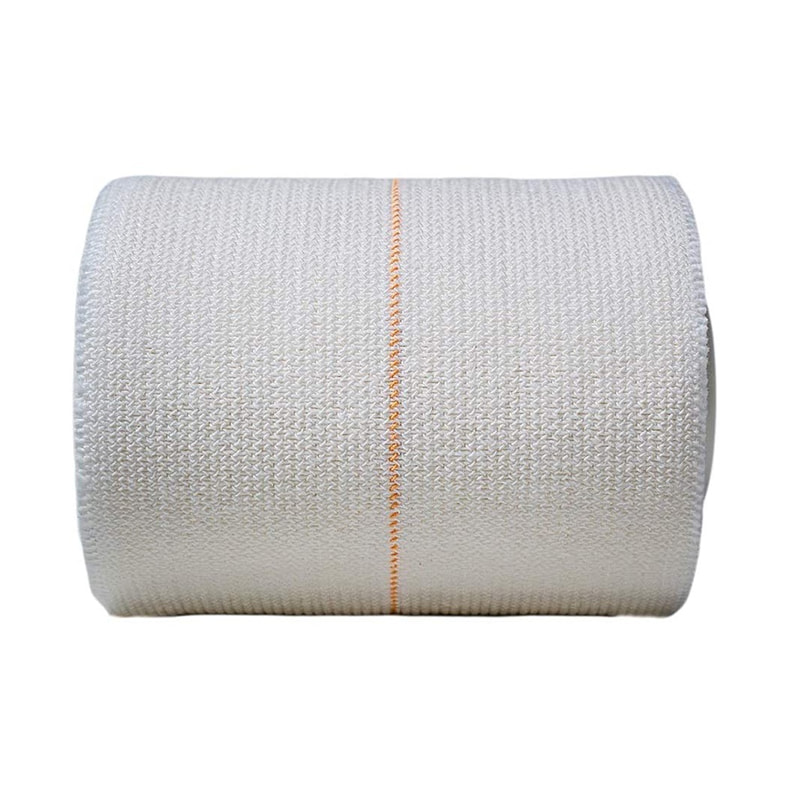
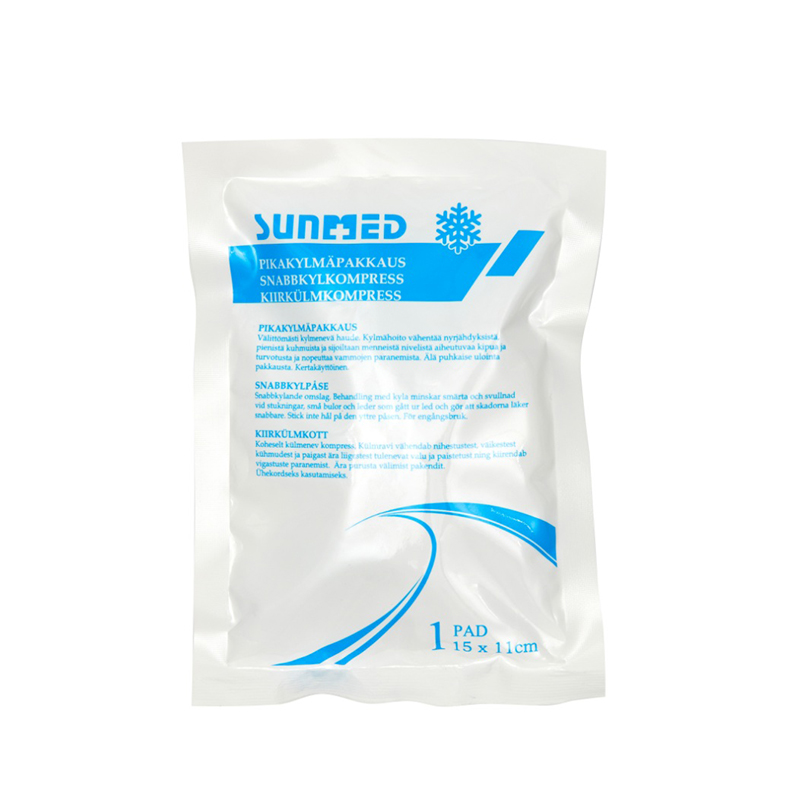
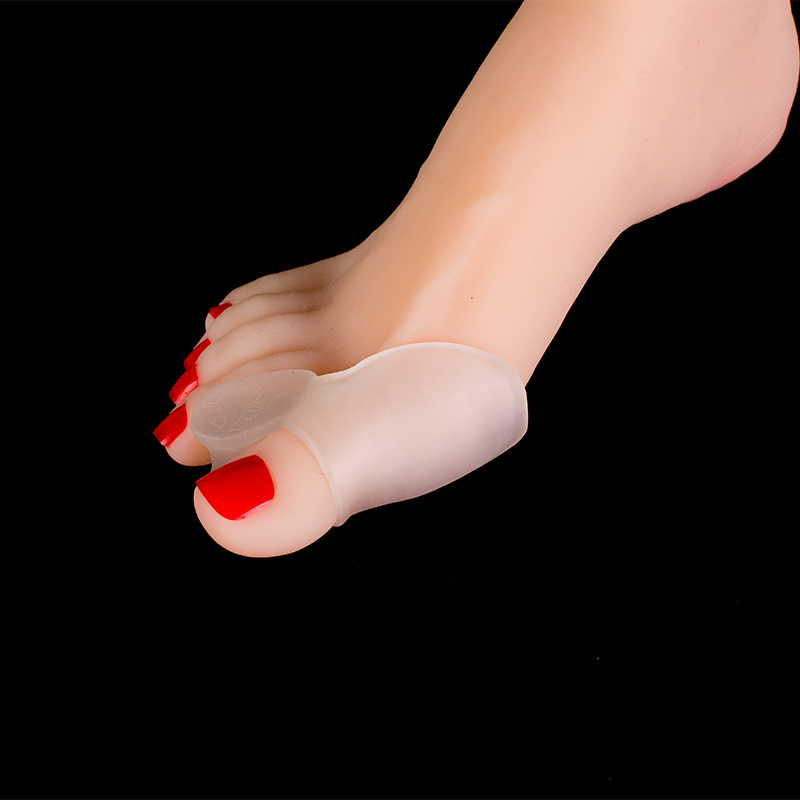
Its broader product portfolio includes wound dressings, medical gauze, bandages, medical tapes, cotton products, non-woven products, sports support products, kinesiology tape, cohesive bandages, hot and cold packs, pill boxes, medical instruments, disposable syringes, catheters, surgical consumables, and other healthcare products.
This product range is relevant to the pill organizer because it demonstrates experience across several connected areas of healthcare supply. A manufacturer serving hospitals, first aid distributors, retail channels, and home-care markets must understand the importance of consistent product specifications, packaging, quality checks, and supply coordination.
Multiple Production Bases
The company operates production bases in Jiangsu, Zhejiang, and Anhui Province. Multiple production locations can support manufacturing capacity, product specialization, and supply flexibility. For wholesale buyers, this broader production structure may be valuable when planning regular orders or developing several related healthcare products.
A multi-site manufacturing network can also help a supplier serve different product categories while maintaining dedicated experience in areas such as first aid, sports support, family healthcare, and medical consumables. The exact production allocation for this pill organizer should be confirmed during commercial discussions, but the company’s overall network provides a foundation for scalable supply.
Experience in Plastic Product Manufacturing
A product with 28 individually defined compartments requires accurate forming and reliable assembly. The base must create clear divisions, and the lids must align with their corresponding sections. Consistency matters because poorly formed compartments may reduce capacity, interfere with opening, or make the product difficult to clean.
Polypropylene is suitable for molded household healthcare products, but the manufacturing process still requires control of material quality, mold condition, dimensions, surface finish, lid alignment, and final assembly. A capable production team can use standardized procedures to reduce variation between units.
For wholesale customers, consistent molding is as important as the basic design. Retailers and distributors need products that look uniform on the shelf and perform predictably in the hands of end users.
Quality Control and Inspection Procedures
Suzhou Sunmed reports a professional quality control team comprising hundreds of personnel and states that its inspection procedures follow ISO 13485:2016 standards. ISO 13485 is a quality management standard associated with medical devices and related regulated manufacturing environments.
For a household pill organizer, quality control may include checks of dimensions, compartment formation, lid fit, color consistency, surface condition, assembly, labeling, packing, and quantity. A documented inspection process can help identify defects before products are released for shipment.
Quality management is particularly important for products used by older adults and people with limited dexterity. A lid that does not align correctly, a sharp edge, or a fragile hinge can reduce the user experience and create avoidable inconvenience. Inspection procedures help manufacturers address these issues systematically rather than relying only on informal visual review.
Buyers should request the quality documents, inspection standards, and applicable certifications needed for their destination market. Requirements may differ according to whether the product is sold as a general household organizer, a healthcare accessory, or part of a regulated medical product line.
Export and Market Experience
The company states that it has exported products to more than 60 countries, including markets in Europe, Southeast Asia, Africa, and Oceania. Its reported customer environments include hospitals, first aid suppliers, supermarkets, and retail sports shops.
International experience can provide practical advantages for wholesale customers. Export operations require attention to product documentation, packaging formats, labeling, carton organization, shipping coordination, and communication across different markets.
For this organizer, international experience may also support private-label and OEM discussions. Buyers can ask about packaging artwork, language requirements, barcode placement, carton quantities, color options, product inserts, and regional compliance needs.
OEM and Wholesale Potential
The listed minimum order quantity is 3,000 pieces. This quantity is positioned for distributors, importers, retail chains, healthcare suppliers, pharmacy channels, and organizations that need more than a small trial order.
A wholesale buyer may use the organizer as a standalone product or as part of a broader home-care assortment. It can be grouped with daily pill boxes, pocket pill organizers, pill cutters, hot and cold therapy products, first aid products, or other family healthcare accessories.
Retail packaging can emphasize the key consumer benefits: 28 compartments, four daily dosing periods, see-through lids, easy opening, and weekly organization. Clear packaging communication is important because consumers need to understand the layout before purchasing.
For institutional buyers, the product can support discharge kits, home-care packages, elderly-care programs, rehabilitation supplies, or caregiver assistance products. The purchaser should determine whether the organizer’s size and compartment capacity match the target user group.
OEM projects may involve customized colors, printed markings, packaging design, instruction leaflets, or branding on suitable components. Availability depends on tooling, order quantity, production planning, and market requirements. Buyers should confirm all customization details in writing before production begins.

Packaging, Handling, and Supply Considerations
For a product with many small moving sections, packaging must protect the organizer from pressure, impact, and deformation during handling. A suitable package should prevent the lids from being forced open and should reduce surface scratching during transport.
Wholesale customers should confirm the number of units per inner carton, master carton dimensions, gross and net weight, pallet configuration, and shipping marks. These details influence warehouse planning and freight calculations.
Product labels should communicate the model number, material information where required, quantity, country of origin, care instructions, and any relevant warnings. If the product is sold in different countries, the language and labeling requirements should be reviewed before final packaging approval.
Storage conditions should be discussed with the supplier. In general, plastic organizers should be protected from excessive heat, direct sunlight, moisture, and crushing forces. Proper warehouse rotation can help preserve appearance and functionality until the product reaches the end user.
Comparison with Alternative Medication Management Tools
Consumers have access to many medication management products, including original bottles, small daily boxes, weekly containers, electronic dispensers, and caregiver-controlled systems. Each solution serves a different level of need.
| Alternative | Strength | Limitation Compared with the 28-Compartment Organizer |
|---|
| Original medicine bottles | Retain product labeling and manufacturer packaging | May be difficult to organize when several products are taken at different times |
| Single-compartment daily box | Compact and simple | Usually provides less planning capacity |
| Seven-compartment weekly box | Separates doses by day | May not separate morning, afternoon, evening, and bedtime doses |
| Pocket pill case | Convenient for short trips | Often has limited capacity and fewer time divisions |
| Electronic dispenser | May provide alarms or timed access | More expensive and dependent on batteries or electronics |
| 28-compartment organizer | Combines weekly planning with four daily periods and visual lids | Requires manual filling and does not provide electronic reminders |
The main competitive position of this model is its balance between structure and simplicity. It offers more organization than a basic box without the cost or complexity of an electronic system. This makes it suitable for users who want a clear physical schedule and for distributors seeking a practical, broadly understandable healthcare accessory.
Recommended Preparation Method
Before filling the organizer, the user or caregiver should review the current medication list and confirm instructions with a qualified healthcare professional when necessary. The preparation area should be clean, dry, and well lit.
Each product should be identified before it is placed into a compartment. The user should then match the product to the correct day and time. The transparent lid can be used to check that every planned compartment has been filled correctly.
It is advisable to prepare one week at a time unless a healthcare professional recommends another schedule. The organizer should not be filled from memory when the medication routine is complex or has recently changed. A written medication chart can help reduce confusion.
After preparation, the organizer should be stored in a stable, convenient location away from children, pets, excessive moisture, and direct heat. The user should open only the appropriate compartment at the scheduled time and avoid transferring unidentified tablets into other sections.
If a dose is missed, doubled, spilled, damaged, or accidentally taken from the wrong compartment, the user should seek appropriate professional guidance. The organizer can support routine management, but it cannot determine the correct response to a medication error.
Cleaning and Maintenance
Regular cleaning helps preserve the appearance and usability of the organizer. The exact cleaning method should follow supplier guidance and the requirements of the medication products being stored.
In general, users should empty the organizer before cleaning it. Residual tablets, powder, or supplement fragments should not be mixed with water or cleaning products. The organizer can then be cleaned with a suitable mild method and dried thoroughly before refilling.
Moisture is an important consideration. If water remains inside a compartment, it may affect tablets or capsules placed there later. All sections should be fully dry before medication is returned.
Users should inspect the organizer periodically. Cracks, loose lids, broken connections, or heavy surface wear may indicate that replacement is appropriate. A damaged organizer may no longer provide reliable separation or closure.
Who Can Benefit from This Product?
This organizer may be suitable for adults who take multiple medicines or supplements during the day. It can also support family caregivers, home-care workers, older adults, and people recovering from medical procedures.
It is useful for people who prefer physical reminders to digital applications. The clear compartments and visual structure provide a straightforward alternative to electronic medication management systems.
It may also be suitable for retailers and distributors seeking a practical family healthcare product with a broad target market. The product is easy to explain, does not require complex user training, and can be displayed alongside other home-care accessories.
However, the organizer may not be suitable for every user. People who require locked access, timed dispensing, refrigeration, moisture protection, or professional medication administration may need a different solution. The product should be selected according to the user’s health needs and the nature of the medicines involved.
Why Manufacturing Reliability Matters to Buyers
For distributors, product quality affects more than customer satisfaction. It also influences return rates, retailer confidence, inventory planning, and long-term brand reputation. A pill organizer with inconsistent lids or poorly defined compartments can create complaints even if the basic concept is attractive.
Manufacturing reliability begins with controlled material selection and continues through molding, assembly, inspection, packing, and shipment. Each stage contributes to the final product experience.
A supplier with experience across medical and healthcare categories may be better positioned to understand the importance of cleanliness, clear specifications, traceability, and controlled production. Suzhou Sunmed’s reported ISO 13485:2016-oriented inspection procedures and international export experience are relevant strengths for buyers evaluating a long-term supply partner.
Buyers should still conduct their own due diligence. They may request pre-production samples, production samples, inspection reports, packaging approvals, material declarations, and destination-market documentation. Supplier capabilities should be matched to the buyer’s product classification and regulatory obligations.
Questions and Answers
What does “28 day” mean in the product name?
The organizer has 28 compartments, representing seven days with four dosing periods per day. The phrase describes the total number of scheduled storage sections rather than four separate weeks of storage.
How many times per day can it organize medication?
It is designed to organize four periods per day: morning, afternoon, evening, and bedtime.
Are the lids transparent?
Yes. The see-through lids allow users to inspect the contents of each compartment without opening every section.
Is the organizer suitable for vitamins?
It is described as suitable for pills and vitamins of various shapes, provided the products fit comfortably and can be safely stored outside their original packaging. Users should confirm storage suitability with a pharmacist or healthcare professional when necessary.
What material is used?
The organizer is made from PP plastic, or polypropylene.
What are the product dimensions?
The listed dimensions are 18.8 x 12.6 x 3 cm.
Is this an electronic reminder device?
No. It is a manual storage and organization product. It does not contain an alarm, battery, software, or automatic dispensing mechanism.
Can children safely use it?
The organizer should be kept away from children. Its easy-opening lids are designed for user convenience and should not be considered child-resistant.
Can it replace original medicine packaging?
Not always. Some medicines require original packaging for identification, stability, legal, or safety reasons. Users should follow professional storage instructions and retain original labels when appropriate.
What is the minimum order quantity?
The listed minimum order quantity is 3,000 pieces. Buyers should confirm current production, packaging, and customization requirements with the supplier.
Can the product be customized?
OEM or customization possibilities may be available depending on order volume, packaging needs, color requirements, tooling, and production schedules. These details should be confirmed before placing an order.
What is the model number?
The model number is DC661319.
Who may purchase this product in bulk?
Potential buyers include medical supply distributors, pharmacies, retail chains, home-care suppliers, first aid companies, elderly-care organizations, rehabilitation providers, and importers of family healthcare products.
How should the organizer be cleaned?
It should be emptied, cleaned according to supplier instructions, and dried completely before medication is returned. Users should avoid leaving moisture or cleaning residue in the compartments.
Does the product guarantee that a dose has been taken?
No. The organizer makes it easier to see whether a compartment appears to have been opened, but it cannot confirm that medication was swallowed or used correctly.
Conclusion
The Easy 28 Day Weekly Monthly Pill Organizer with See Through Lids provides a structured, practical approach to medication and vitamin organization. Its 28-compartment format separates seven days into morning, afternoon, evening, and bedtime periods, giving users more control than a basic single-compartment or seven-section pill box.
Transparent lids, color-coded sections, easy-opening access, and lightweight PP plastic construction create a product that is simple to understand and convenient to use. These features support older adults, people recovering from surgery, individuals with mobility challenges, caregivers, and households seeking a clearer medication routine.
From a wholesale perspective, the organizer offers broad market potential because it combines a recognizable need with an uncomplicated physical design. Its model number, defined dimensions, 28-compartment structure, and listed minimum order quantity provide a clear basis for product evaluation and purchasing discussions.
The manufacturing partner brings extensive experience in medical consumables, family healthcare, first aid, sports support, and related products. Its reported production bases, international export history, quality control organization, and ISO 13485:2016-oriented procedures are important strengths for distributors seeking a stable healthcare supplier.
Ultimately, the product’s strongest advantage is its balance of capacity, visibility, and simplicity. It does not attempt to replace professional care or advanced electronic dispensing systems. Instead, it provides a dependable physical tool that can make a complicated weekly routine easier to prepare, easier to check, and easier to follow.

References
1. Product specification sheet for model DC661319, including dimensions, material, compartment count, and minimum order quantity.
2. Manufacturer-provided company profile covering medical consumables, family healthcare products, production bases, export markets, and quality management practices.
3. ISO 13485:2016, Medical devices — Quality management systems — Requirements for regulatory purposes.
4. General medication storage and adherence guidance from professional pharmacy and healthcare practice resources.
5. General principles of polypropylene material use in molded household and healthcare accessories.

 English
 Español
 русский
 Français
 Deutsch
 italiano
 By Admin