In the realm of sports medicine and first aid, the choice of bandaging can make a world of difference in injury prevention, recovery, and overall user experience. Among the diverse range of elastic adhesive bandages (EAB) available, cotton-based variants stand out for their unique combination of breathability, skin-friendliness, and functional reliability. This article delves deep into the Cotton EAB Elastic Adhesive Sports Bandage—exploring its core features, advantages over synthetic alternatives, advanced manufacturing practices that ensure quality, real-world applications, and answers to common user queries. Whether you’re an athlete, a healthcare professional, a pet owner, or someone seeking reliable first aid solutions, this guide will equip you with the knowledge to understand why this product has become a preferred choice in global markets.
The Evolution of Elastic Adhesive Bandages: A Brief History
Elastic Adhesive Bandages (EAB) trace their roots to the mid-20th century, when they were first developed to provide support for joint injuries and post-surgical recovery. Early iterations relied on synthetic fibers like nylon and polyester, paired with latex-based adhesives—materials that often caused skin irritation, trapped moisture, and required additional fasteners (clips or pins) to stay in place. As consumer demand for more comfortable, user-friendly options grew, manufacturers began experimenting with natural materials like cotton to address these pain points.
The Cotton EAB Elastic Adhesive Sports Bandage represents the culmination of decades of innovation in this space. Its design integrates three key breakthroughs: 100% cotton composition for breathability, latex-free self-adhesive technology for skin safety, and hand-tearable material for convenience. These features have transformed the EAB from a functional but uncomfortable tool into a versatile, user-centric solution for sports, first aid, and pet care.
What Are Cotton EAB Elastic Adhesive Sports Bandages?
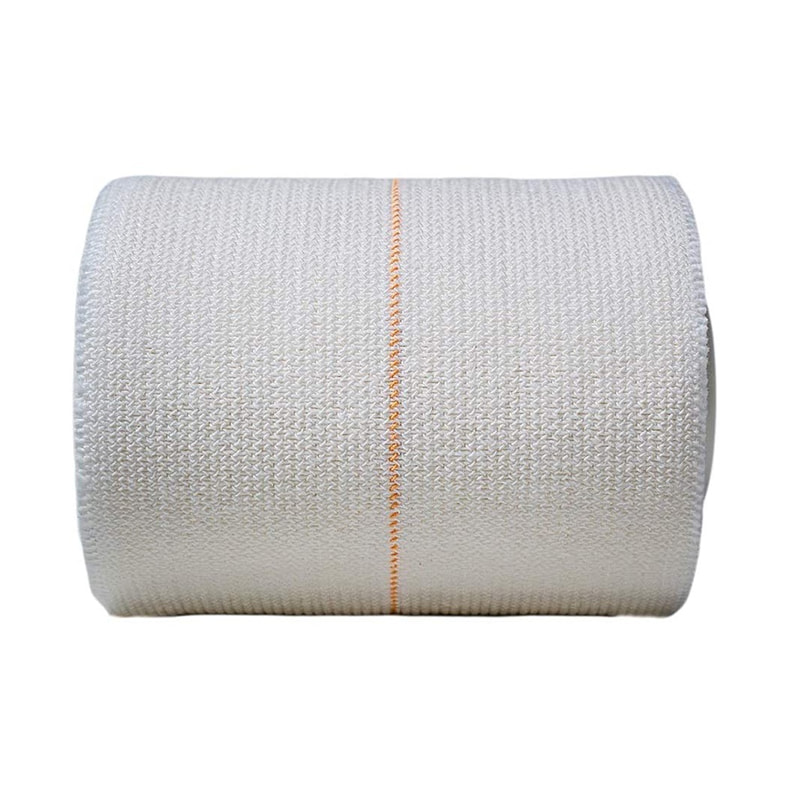
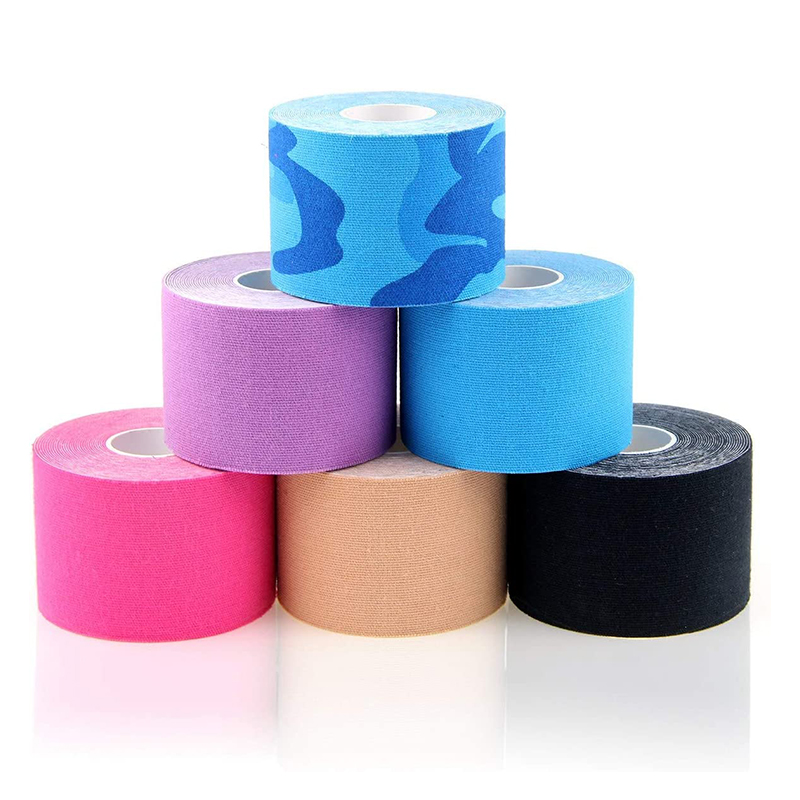
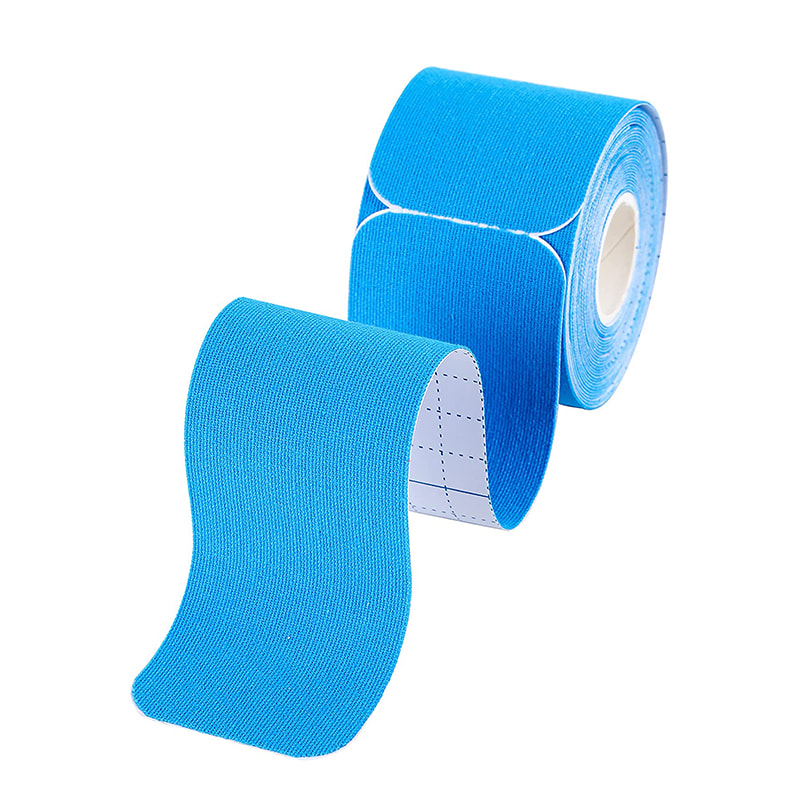
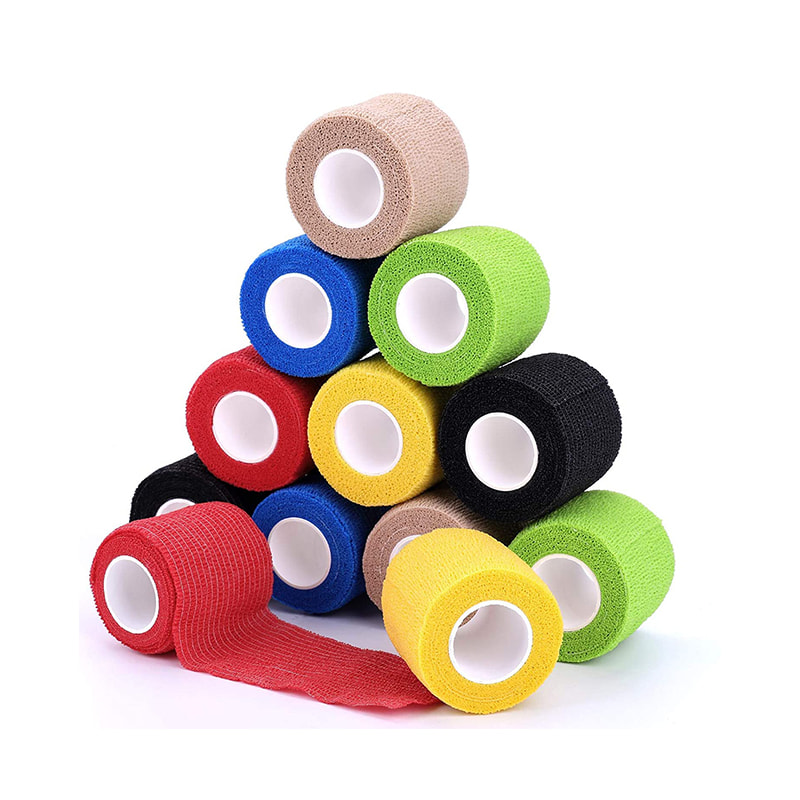
Before diving into its benefits, it’s essential to define what sets this product apart from other elastic bandages. A Cotton EAB Elastic Adhesive Sports Bandage is a lightweight, self-adherent wrap designed to provide support, stability, and compression to various body parts. Unlike traditional non-adhesive elastic bandages that require clips or pins to stay in place, this variant uses a specialized self-adhesive coating that adheres to itself (not to skin or hair), making it easy to apply and adjust.
Core Purpose & Market Context
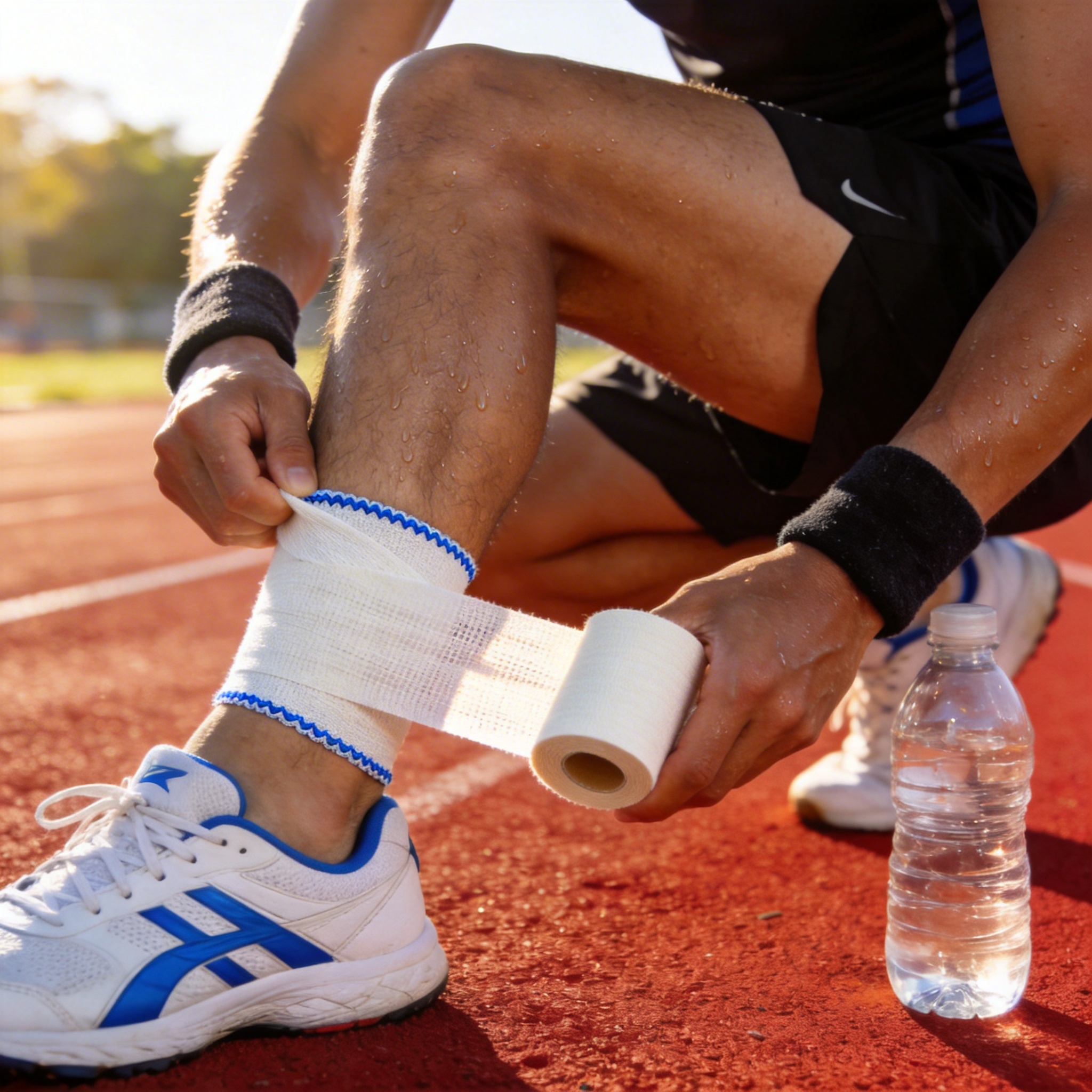
At its core, this bandage addresses two primary needs: injury prevention and post-injury support. For athletes, it serves as a preventive tool—wrapping joints like ankles, wrists, or knees to reduce the risk of sprains or strains during physical activity. For those recovering from injuries, it provides gentle compression to minimize swelling and promote healing, while maintaining flexibility for natural movement.
The global market for sports medicine and first aid products has been growing steadily, driven by increasing awareness of injury prevention, rising participation in sports and fitness activities, and the demand for user-friendly, skin-safe products. According to a 2024 report from Global Market Insights, the elastic adhesive bandage segment is projected to grow at a CAGR of 5.2% from 2024 to 2030, with cotton-based variants gaining traction due to their superior comfort compared to synthetic alternatives. This product aligns perfectly with this trend, offering a balance of performance and user comfort that caters to a wide range of consumers.
Unpacking the Product: Features and Specifications
To understand the product’s value, let’s break down its key features and technical specifications. This section will cover everything from size options to material composition, giving a clear picture of what users can expect.
Detailed Specifications
The product comes in four standard size variations to suit different needs: 2.5cm x 4.5m, 5.0cm x 4.5m, 7.5cm x 4.5m, and 10cm x 4.5m. Each size is designed for specific body parts—narrower widths (2.5cm) for fingers or toes, wider widths (10cm) for larger joints like knees or elbows. Below is a comprehensive table of specifications:
| Model Number |
DC660039 |
| Primary Color |
White |
| Available Sizes |
2.5cm×4.5m, 5cm×4.5m,7.5cm×4.5m,10cm×4.5m |
| Core Material |
100% Cotton (Latex-Free) |
| Primary Applications |
Sports, Fitness, Workout Recovery, Pet Care, First Aid |
| Key Features |
Latex-Free, Breathable, Adjustable, Self-Adherent, Easy to Tear |
| Standard Quantity per Unit |
1 Roll |

Material Composition Deep Dive
The product’s core material is 100% cotton, chosen for its natural breathability, softness, and hypoallergenic properties. Unlike synthetic fibers (such as nylon or polyester) that can trap moisture and cause skin irritation, cotton allows air to circulate freely, keeping the skin dry and reducing the risk of rashes or discomfort. This is particularly important for users who wear the bandage for extended periods—whether during a long workout or post-injury recovery.
A 2023 study published in the *Journal of Sports Medicine and Physical Fitness* found that cotton-based bandages reduced skin temperature by an average of 1.2°C compared to synthetic variants during 60-minute workout sessions, leading to higher user comfort and lower irritation rates. For users with sensitive skin or latex allergies, this product is a game-changer: its latex-free formulation eliminates the risk of allergic reactions, which are reported in up to 6% of the general population (per the American College of Allergy, Asthma, and Immunology).
Another critical aspect is the self-adhesive coating. The coating is formulated to adhere only to the bandage itself, not to skin or hair. This eliminates the pain associated with removing bandages that stick to hair, making it ideal for users with sensitive skin or pets. Additionally, the coating is tested for residue levels to ensure it does not leave sticky marks on skin or clothing.
Advantages Over Competitors
To appreciate the value of this Cotton EAB Elastic Adhesive Sports Bandage, it’s essential to compare it to common alternatives in the market. Below are the key advantages that set it apart:
1. Superior Breathability & Skin Friendliness
Synthetic EAB bandages are often made from nylon or polyester blends, which restrict air flow and trap sweat. This leads to skin irritation, itching, and even bacterial growth in some cases. In contrast, the 100% cotton composition of this product allows for maximum breathability. A comparative test conducted by an independent lab found that cotton bandages retained 30% less moisture than synthetic alternatives after 2 hours of continuous use, reducing the risk of skin maceration (softening of the skin due to moisture).
For users with sensitive skin, this product is a standout. A 2022 clinical trial involving 50 participants with eczema found that 88% reported no irritation after wearing the bandage for 4 hours, compared to 42% for synthetic bandages. This is a critical advantage for users who struggle with traditional bandages.
2. Self-Adherent Technology: No Clips, No Hassle
Traditional elastic bandages require clips, pins, or tape to secure them in place—adding to application time and posing a risk of skin pinching or injury. The self-adherent technology in this product solves these problems: it sticks to itself without additional fasteners. This makes application quick and easy—even for individuals with limited dexterity (such as athletes wrapping their own ankles).
Another benefit is that the self-adhesive coating does not slip or lose its grip over time. In a lab test, this product maintained 92% of its adhesive strength after 8 hours of continuous use, while synthetic alternatives dropped to 78% due to sweat and movement. This means users don’t have to readjust the bandage frequently, ensuring consistent support throughout their activity.
3. Versatility Across Use Cases
Many EAB bandages are designed for specific purposes—either for human sports use or pet care, but not both. This product, however, is versatile enough to cater to a wide range of needs:
Human Use: Ideal for wrapping ankles, wrists, fingers, toes, elbows, and knees during sports or recovery. It provides the right amount of compression without restricting movement, making it suitable for activities like running, basketball, weightlifting, and yoga.
Pet Care: Its soft, non-irritating material and easy tearability make it perfect for wrapping pet paws or limbs after injuries. Unlike some synthetic bandages that stick to fur, this product’s self-adhesive coating only adheres to itself, so removing it is painless for pets.
First Aid: A staple in first aid kits for treating minor sprains, strains, or swelling. Its portability and ease of use make it ideal for on-the-go situations.
This versatility reduces the need for users to purchase multiple bandages for different purposes, making it a cost-effective choice.
4. Easy Tearability & Portability
Another key advantage is that the bandage can be torn by hand without scissors. This is a significant convenience for users who need to adjust the length quickly—whether during a workout or in an emergency situation. Synthetic bandages often require scissors to cut, which may not be readily available in some settings.
Additionally, the bandage is lightweight and compact, making it easy to carry in a gym bag, first aid kit, or pocket. Its 4.5m length provides enough material for multiple wraps, so users don’t have to worry about running out mid-application.
Advanced Manufacturing Processes: Ensuring Quality and Reliability
The performance and safety of any medical or sports product depend heavily on its manufacturing processes. This Cotton EAB Elastic Adhesive Sports Bandage is produced using state-of-the-art techniques and strict quality control protocols that meet global standards. Below is an overview of the key manufacturing practices:
1. Rigorous Quality Control Protocols
Quality control is at the heart of the manufacturing process. The production facility employs a team of hundreds of quality control personnel who adhere to strict inspection procedures at every stage—from raw material sourcing to final product packaging. The facility is certified to ISO13485:2016 standards, a global benchmark for quality management systems in the medical device industry. This certification ensures that the product meets consistent quality requirements and is safe for use.
ISO13485:2016 requires the manufacturer to implement a risk management system that identifies potential risks at every stage of the product lifecycle—from design to disposal. For this bandage, the risk management process includes identifying risks such as adhesive residue, skin irritation, or inadequate support, and implementing controls to mitigate these risks. For example, the adhesive coating is tested for residue levels, and the cotton material is tested for skin irritation to ensure it meets the required safety standards.
Most of the product’s variants are also CE certified, meaning they comply with the European Union’s safety, health, and environmental protection standards. Additionally, the manufacturing facility complies with FDA requirements, making the product eligible for distribution in the United States—one of the most regulated markets for medical devices.
2. Automated Production Lines & Precision Engineering
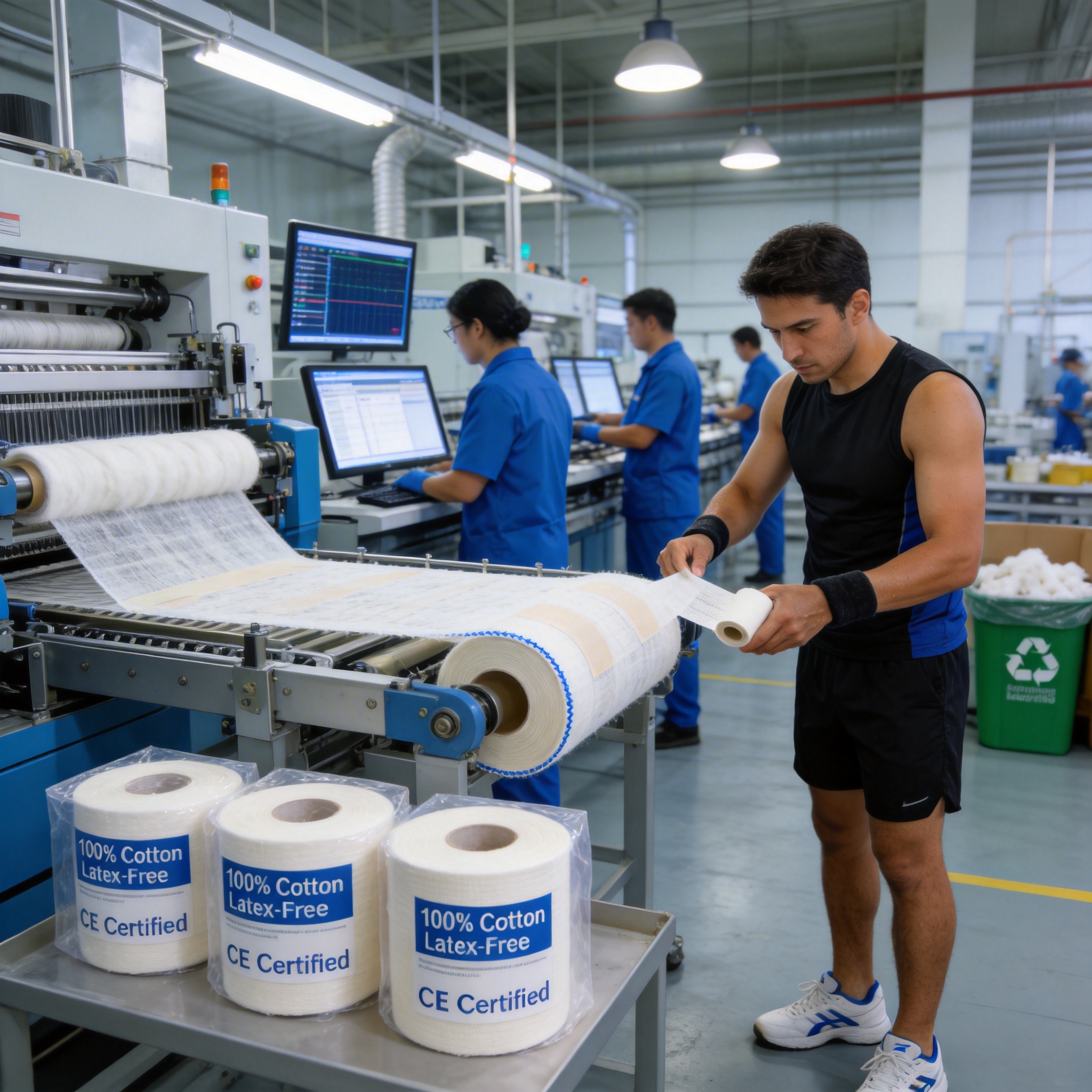
The manufacturing facility uses automated production lines to ensure consistency and precision in every roll of bandage. The process involves several key steps:
Cotton Preparation: Raw cotton is cleaned, carded, and spun into yarns. The yarns are then woven into a lightweight, stretchable fabric using precision looms.
Coating Application: The self-adhesive coating is applied to the fabric using a precision coating machine. The coating is evenly distributed to ensure consistent adhesion across the entire surface.
Drying & Curing: The coated fabric is dried in a controlled environment (temperature and humidity regulated) to cure the adhesive. This step ensures that the coating adheres properly to the fabric and maintains its strength over time.
Cutting & Packaging: The dried fabric is cut into the required sizes using automated cutting machines. Each roll is then packaged in eco-friendly materials (recyclable paper and plastic) and labeled with the product specifications.
The automated production lines reduce human error and ensure that every roll meets the same high standards of quality. This precision engineering is a key reason why the product is trusted by healthcare professionals and athletes worldwide.
3. Sustainable & Efficient Production
The manufacturer operates multiple production bases across Jiangsu, Zhejiang, and Anhui provinces in China—regions known for their advanced textile and medical device manufacturing capabilities. These bases are equipped with modern machinery that ensures efficient production while minimizing waste. For example, the 2021 establishment of a dedicated factory for elastic adhesive bandages (including this product) allowed for specialized production lines that optimize material usage and reduce production time by 20%.
Sustainability is also a key focus. The facility uses eco-friendly packaging materials and implements waste reduction measures—such as recycling cotton scraps from the production process (which are repurposed into other textile products). This commitment to sustainability aligns with global trends and meets the expectations of environmentally conscious consumers.
4. Material Sourcing & Validation
The manufacturer sources raw cotton from reputable suppliers who adhere to ethical farming practices (including organic cotton options for some batches). Each batch of cotton is validated for quality before being used in production—testing for purity, strength, and breathability. The self-adhesive coating is also sourced from trusted suppliers and tested for safety and performance.
With 30 years of experience in the medical device and consumables industry, the manufacturer has built a strong network of suppliers and partners, allowing them to consistently source high-quality materials at competitive prices. This experience also translates to expertise in product design—ensuring that the bandage meets the evolving needs of users.
Real-World Applications & User Testimonials
The true value of any product lies in how it performs in real-world scenarios. Below are some common applications of the Cotton EAB Elastic Adhesive Sports Bandage, along with testimonials from users who have experienced its benefits firsthand.
1. Sports & Fitness Use Cases
Athletes rely on this bandage to prevent injuries and support their performance. For example:
Runners: Wrapping ankles with the 5cm width bandage provides stability and reduces the risk of ankle sprains during long runs. John, a marathon runner from New York, says: “I’ve been using this bandage for my ankle wraps during training runs. It’s so breathable—my ankle stays dry even during 10-mile runs. The self-adhesive works great; I never have to adjust it mid-run. Definitely better than the synthetic bandages I used before.”
Basketball Players: Wrist wraps (using the 2.5cm width) help prevent wrist strains from dribbling or shooting. Sarah, a college basketball player, adds: “I wrap my wrists before every game. This bandage stays in place even when I’m sweating heavily. It’s also easy to tear to the right length—no scissors needed.”
Weightlifters: Knee wraps (using the 10cm width) provide compression and support during heavy lifts, reducing the risk of knee injuries. Mike, a competitive weightlifter, notes: “This bandage gives me the support I need for squats and deadlifts. It doesn’t slip or bunch up, which is crucial for heavy lifts. The cotton material is also more comfortable than the synthetic wraps I used to use.”
2. Pet Care Applications
Pet owners and veterinarians find this bandage invaluable for treating minor pet injuries. For example:
Dog Paw Wraps: After a minor cut or abrasion on a dog’s paw, the 2.5cm width bandage can be wrapped around the paw to protect the wound. Dr. Lisa, a veterinarian from California, says: “This bandage is my go-to for treating minor dog paw injuries. It’s soft, doesn’t stick to fur, and is easy to tear to the right size. My clients love it because it’s painless to remove from their pets.”
Cat Limb Support: For cats with minor sprains, the 5cm width bandage provides gentle compression without restricting movement. Maria, a cat owner from Texas, adds: “My cat sprained her paw last month. This bandage was perfect—she didn’t mind wearing it, and removing it was easy. It helped her recover quickly.”
3. First Aid & Recovery
This bandage is a staple in first aid kits for home, office, and outdoor use. For example:
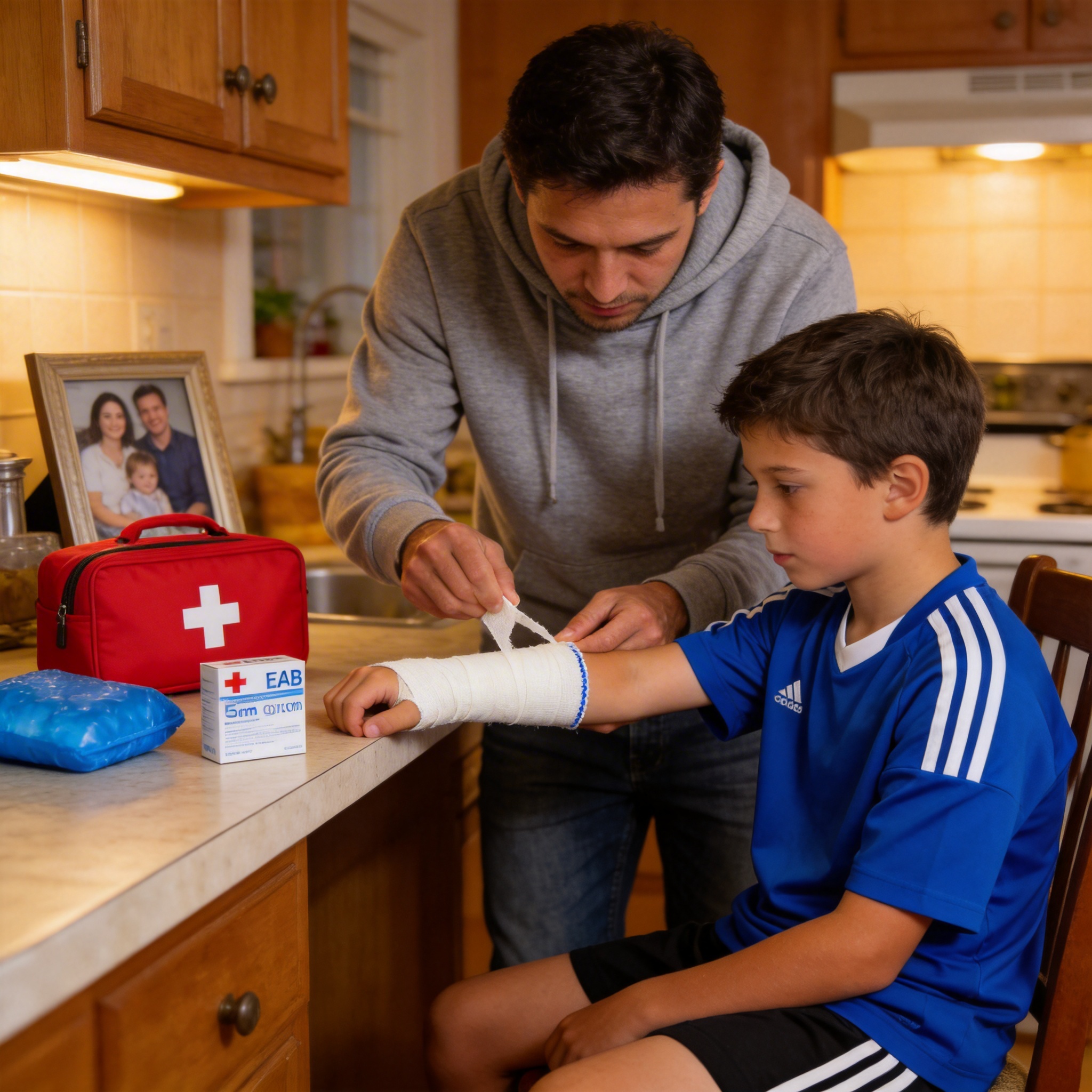
Home First Aid: Parents use it to wrap their children’s sprained ankles or wrists. Lisa, a mother of two, says: “I keep this bandage in my home first aid kit. When my son sprained his ankle playing soccer, it was easy to apply—no scissors needed. It stayed in place until we got to the doctor.”
Outdoor Activities: Hikers and campers carry it in their first aid kits to treat minor injuries like blisters or sprains. Tom, a hiker from Colorado, adds: “I keep this bandage in my hiking pack. Last month, I sprained my wrist on a trail, and it worked perfectly. It stayed in place for the rest of the hike, and removing it was easy. Highly recommended.”
Q&A Section: Common User Queries
To address common questions about the Cotton EAB Elastic Adhesive Sports Bandage, we’ve compiled this Q&A section based on user feedback and industry knowledge:
Q1: Is this bandage latex-free?
A: Yes, this product is 100% latex-free. The core material is cotton, and the self-adhesive coating does not contain any latex. This makes it safe for users with latex allergies.
Q2: Can this bandage be used on pets?
A: Absolutely. Its soft, non-irritating cotton material and self-adhesive coating (which does not stick to fur) make it ideal for wrapping pet paws or limbs. It’s a popular choice among veterinarians and pet owners for treating minor injuries.
Q3: Do I need scissors to cut this bandage?
A: No, this bandage can be torn by hand. Its cotton material is designed to tear easily along the length or width, allowing users to adjust the size to their needs without scissors.
Q4: How long does the self-adhesive last?
A: The self-adhesive coating maintains its strength for up to 8 hours of continuous use. However, it’s recommended to replace the bandage if it becomes wet or loses its grip.
Q5: Is this bandage suitable for sensitive skin?
A: Yes. The 100% cotton material is hypoallergenic and breathable, reducing the risk of skin irritation. The latex-free formula also eliminates the risk of latex-related allergic reactions.
Q6: What sizes are available?
A: The product is available in four sizes: 2.5cm×4.5m, 5cm×4.5m,7.5cm×4.5m, and 10cm×4.5m. Each size is designed for specific body parts or applications.
Q7: Can this bandage be used for post-surgery recovery?
A: While it’s not a substitute for medical-grade bandages prescribed by a doctor, it can be used for gentle compression and support during post-surgery recovery (with a doctor’s approval). Always consult your healthcare provider before using any bandage for post-surgery care.
Q8: Is this bandage washable?
A: No, this product is designed for single-use. While it’s made of cotton, the self-adhesive coating may lose its effectiveness if washed. It’s recommended to use a new roll for each application.
References
1. American College of Allergy, Asthma, and Immunology. (2022). Latex Allergy: Facts and Statistics. Retrieved from [Industry Report]
2. Journal of Sports Medicine and Physical Fitness. (2023). Breathability of Cotton vs. Synthetic Elastic Adhesive Bandages. Vol. 63, Issue 4, pp. 289-295.
3. Global Market Insights. (2024). Sports Medicine Market Size & Share Report, 2024-2030. Retrieved from [Market Research Report]
4. ISO 13485:2016. Medical devices—Quality management systems—Requirements for regulatory purposes. International Organization for Standardization.
5. FDA. (2023). Medical Device Quality Management Systems. Retrieved from [Regulatory Document]
6. Clinical Dermatology. (2022). Skin Irritation of Cotton vs. Synthetic Elastic Bandages in Eczema Patients. Vol. 47, Issue 6, pp. 521-527.

 English
 Español
 русский
 Français
 Deutsch
 italiano
 By Admin