
 English
 Español
 русский
 Français
 Deutsch
 italiano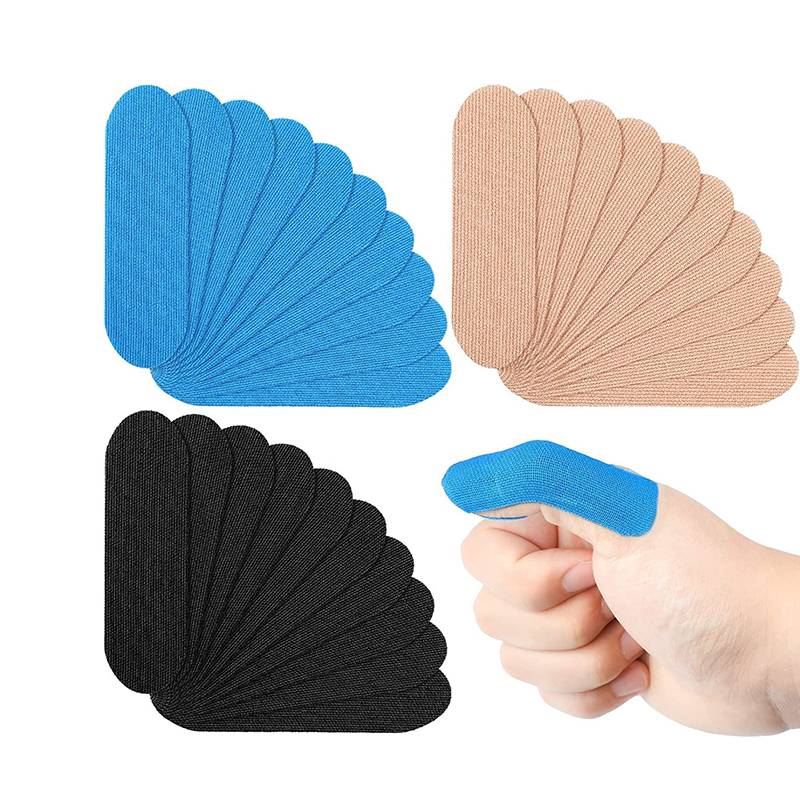



How do you organize and store first aid supplies so they can be found and used quickly when needed?
It is important to organize and store first aid supplies to ensure they can be found and used quickly when needed. Here are some suggestions:
Choose the appropriate container or box: Choose a container or box that is suitable for storing first aid supplies. Opt for clear boxes so you can easily see what's inside, and preferably have dividers or compartments to organize and group different types of supplies.
Label and categorize: Label and categorize first aid supplies to quickly identify and access needed items. For example, use labels or stickers to label different types of supplies, such as band-aids, bandages, disinfectant, etc.
Organize by common injuries: Organize first aid supplies by common injuries or emergencies. For example, place hemostatic agents, bandages, and bandage scissors in one section, and first aid medications and survival blankets in another section.
Check and update regularly: Check first aid supplies regularly and make sure they are in good condition and within the expiry date. Regular inspections also help ensure that necessary items are in stock and that expired or depleted items are replaced in a timely manner.
Easy access: Place first aid supplies in an easily accessible place, such as a prominent location in your home or a designated area in your workplace. Make sure every family member or employee knows where first aid supplies are stored and can quickly find and use them when needed.
Keep it clean and tidy: Keep the area where first aid supplies are stored clean and tidy to avoid clutter or clutter. Clean and organize supplies regularly to ensure they are always neat and organized.
What is a general list of items in a first aid kit? What are the functions and uses of these items?
A general list of items in a first aid kit usually includes the following items, each with its own specific role and purpose:
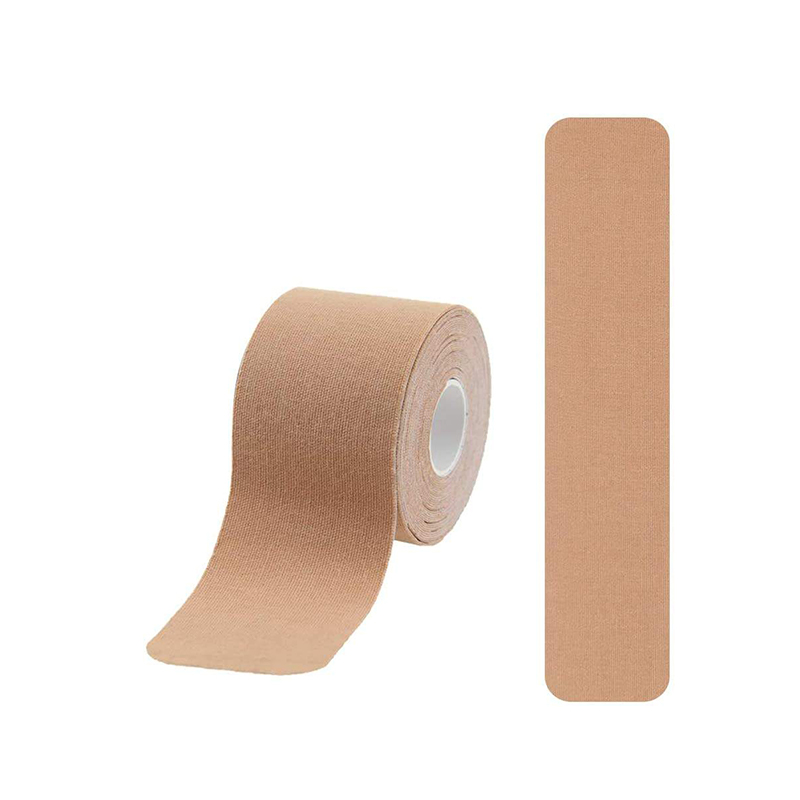
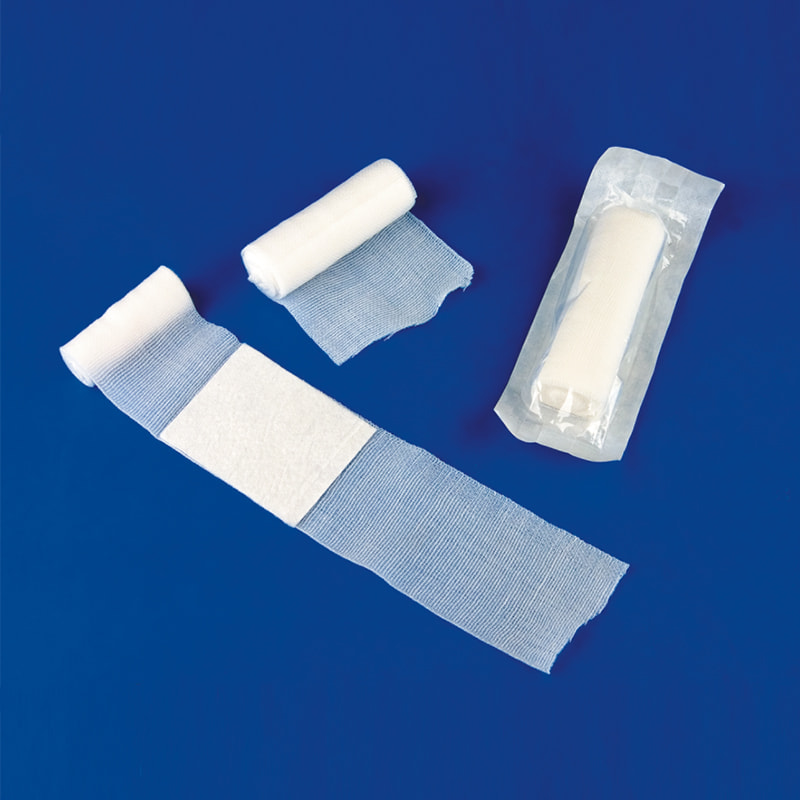
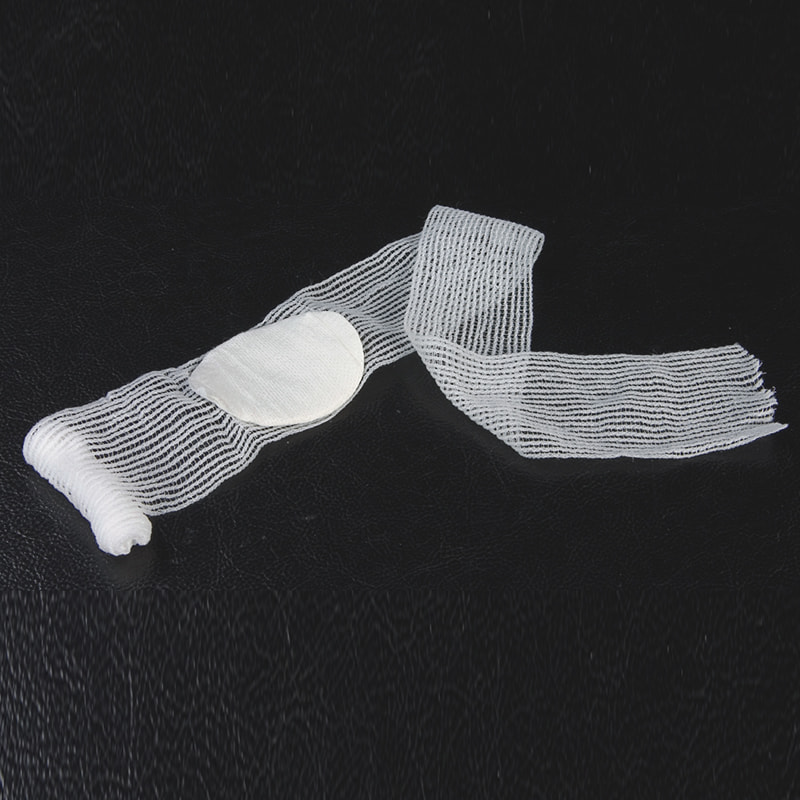
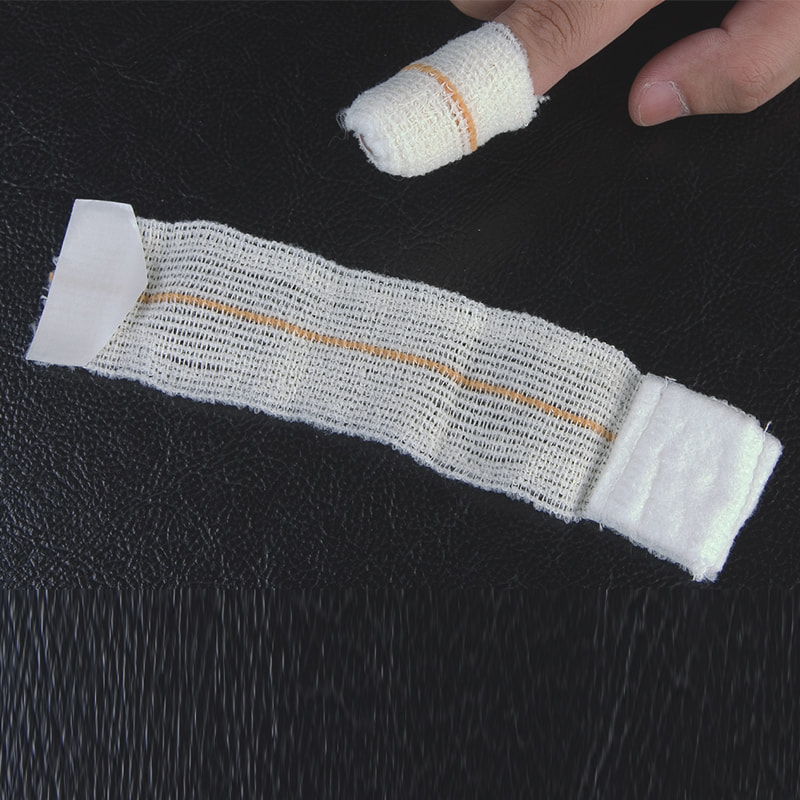
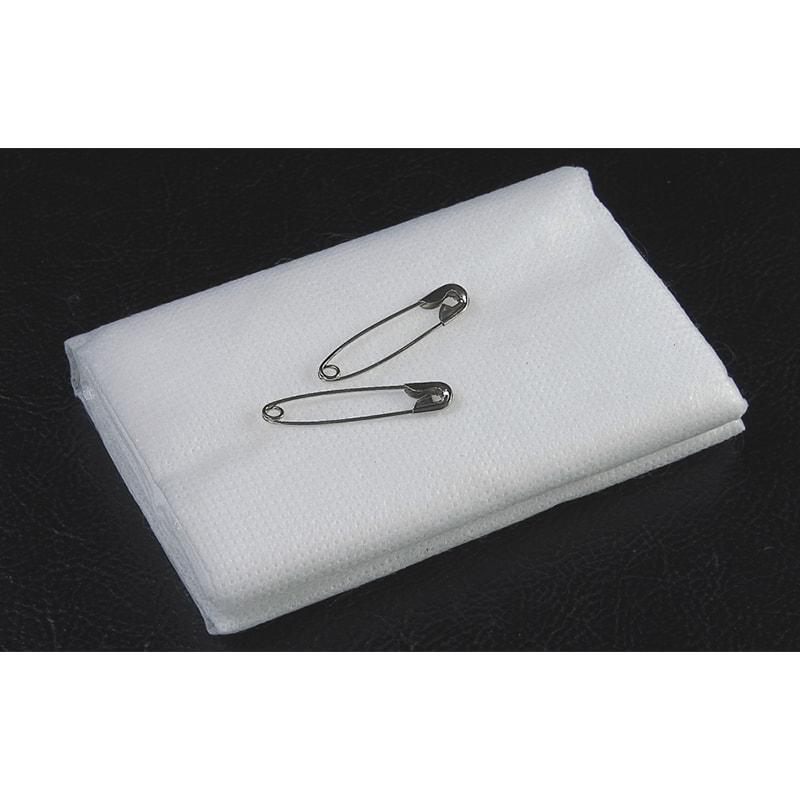
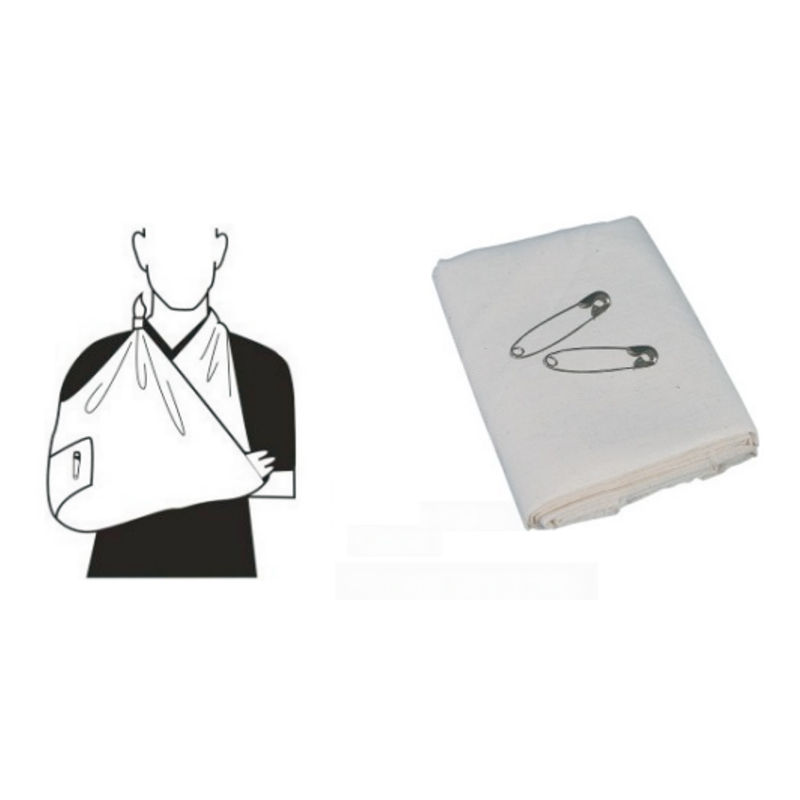
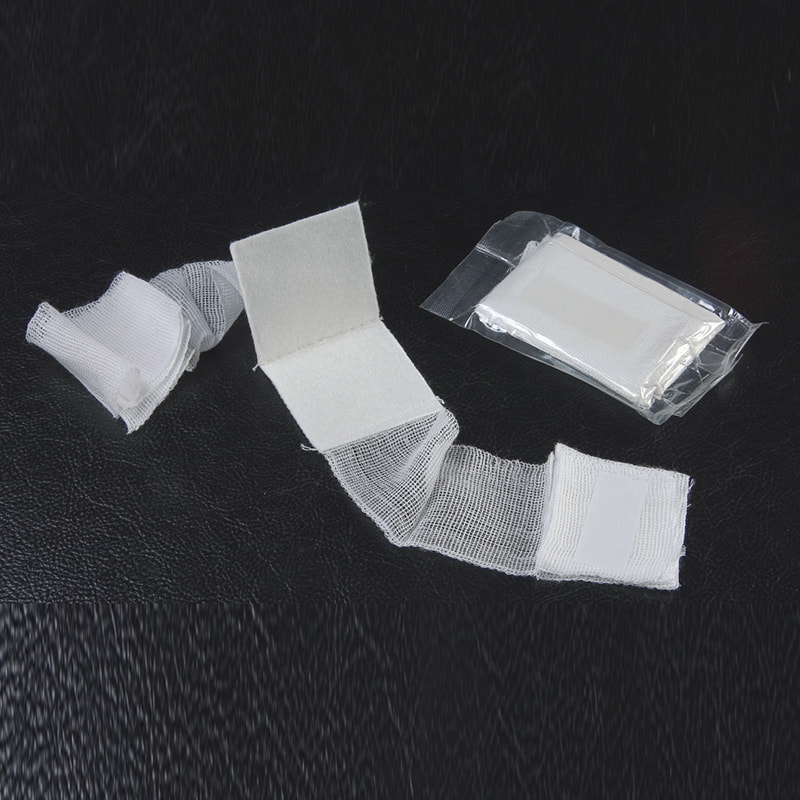
Bandages and bandage scissors: Used to bandage wounds, immobilize injured limbs, or make tourniquets. Bandages can be used on wounds of various sizes and shapes, and bandage scissors are used to cut bandages and other dressing materials.
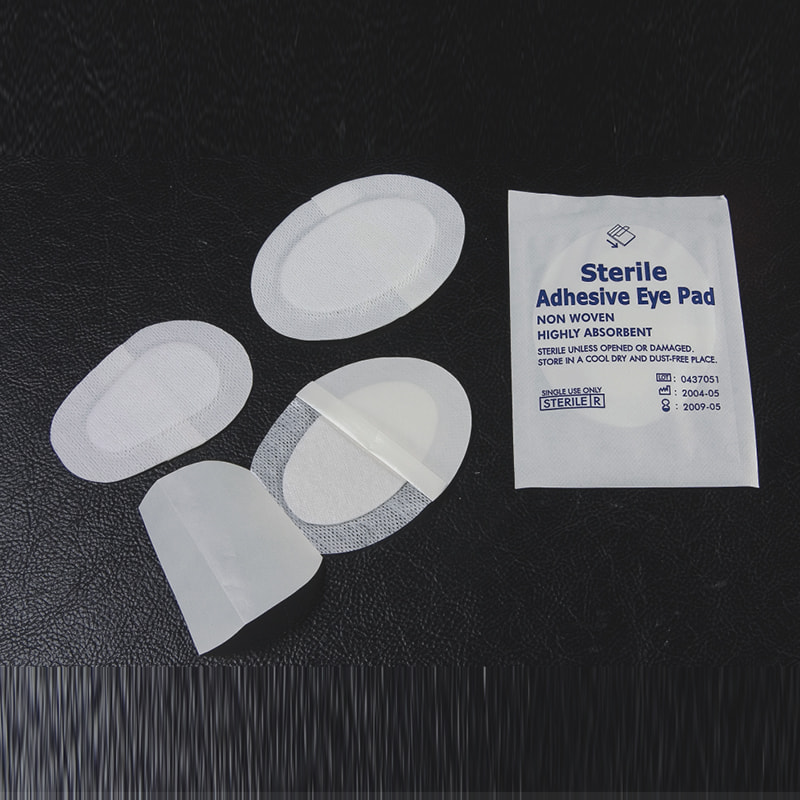
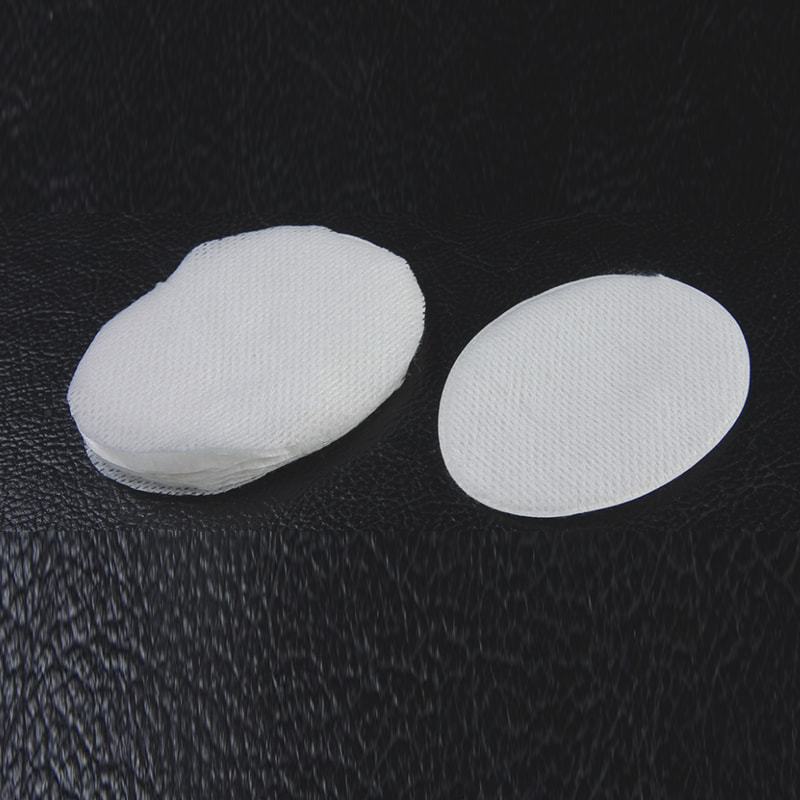
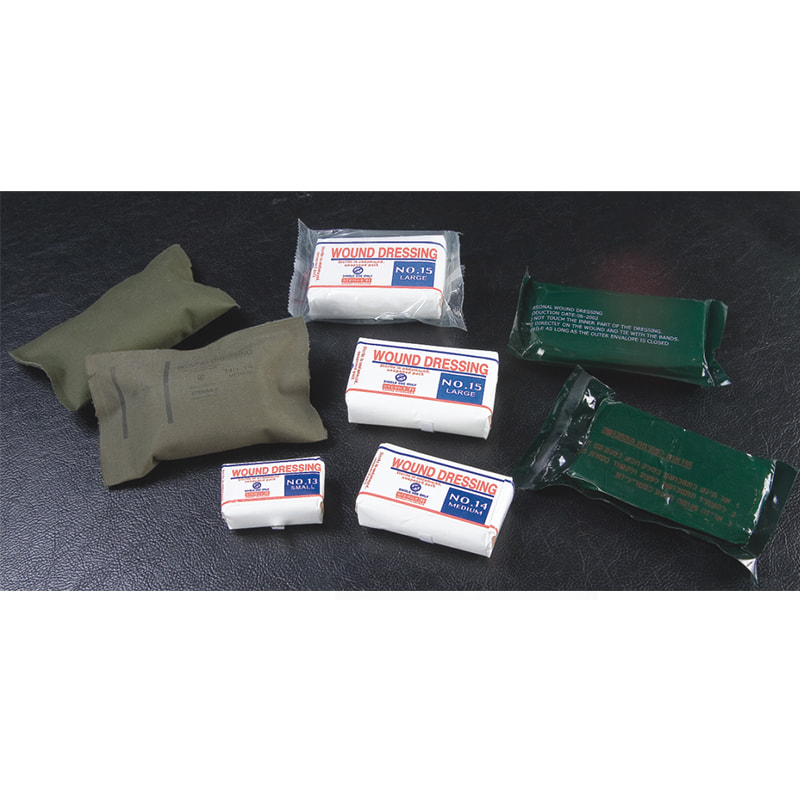
Band-Aids and Dressings: Used to treat small cuts, scrapes, or abrasions to prevent infection and promote healing. Band-Aids and dressings often come in different sizes and shapes to accommodate different types and locations of wounds.
Hemostatic agent: A hemostatic agent used to control severe bleeding, such as a styptic sponge or styptic powder. They help clot the blood quickly and prevent further blood loss.
Antiseptic solution or alcohol swabs: Use to clean the skin around the wound and prevent infection. Disinfectants kill bacteria and other pathogens, reducing the risk of infection.
Ice packs or cold compresses: Used to reduce swelling, pain, and inflammation and are suitable for sprains, contusions, or other soft tissue injuries. Ice packs or cold compresses can reduce local temperature, reduce vasodilation and inflammatory response.
First Aid Handbook: Contains basic first aid guidelines and procedures, providing guidance on correct action in an emergency. First aid manuals typically include identification, treatment, and first aid procedures for various injuries.
Gloves: Used to protect first responders from contamination with wound secretions and other potentially infectious materials. Gloves help prevent cross-contamination and protect the health of first responders.
Masks and CPR Masks: Used to protect first responders from exposure to pathogens while performing cardiopulmonary resuscitation (CPR). Masks and CPR masks prevent direct contact with respiratory secretions and provide effective respiratory support.
Anti-inflammatories or analgesics: Used to reduce pain, fever, and inflammation, and to prevent wound infections. Anti-inflammatories or pain relievers can provide temporary relief in emergency situations and help manage mild discomfort and discomfort.

