What Is Self Adhesive Bandage Wrap and How It Works
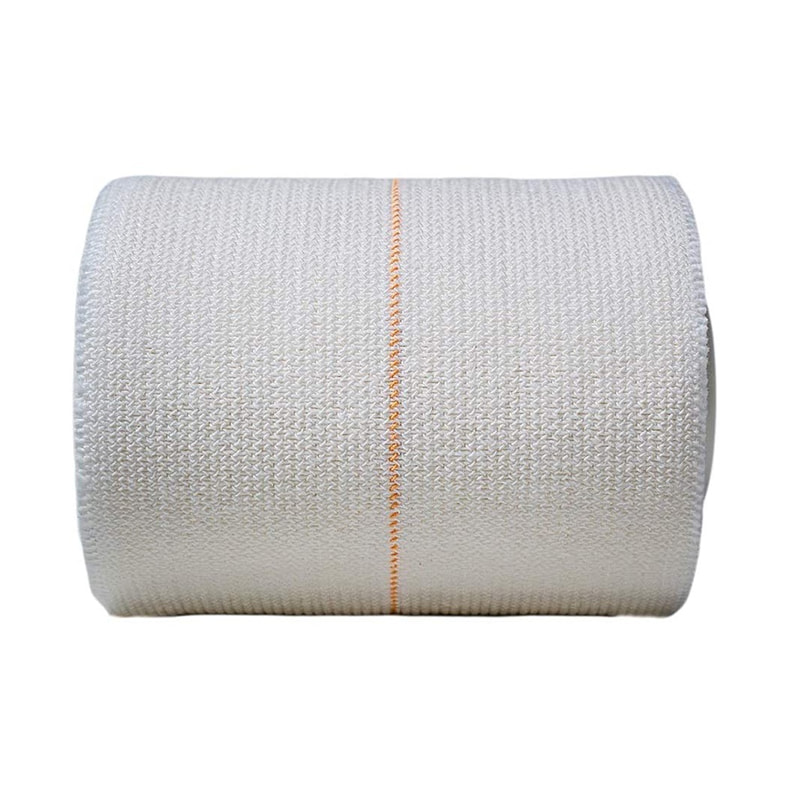
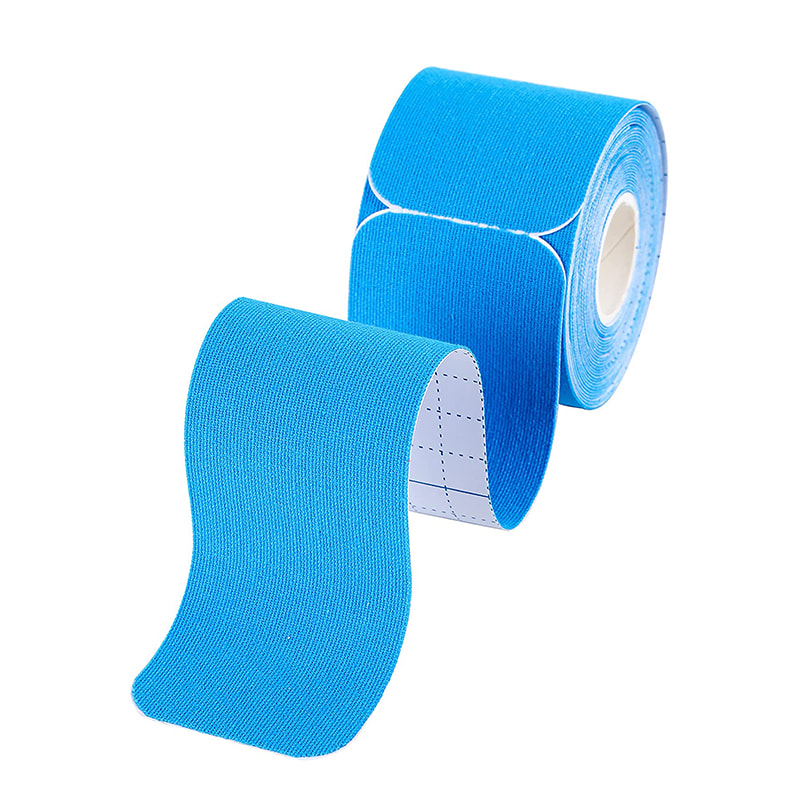
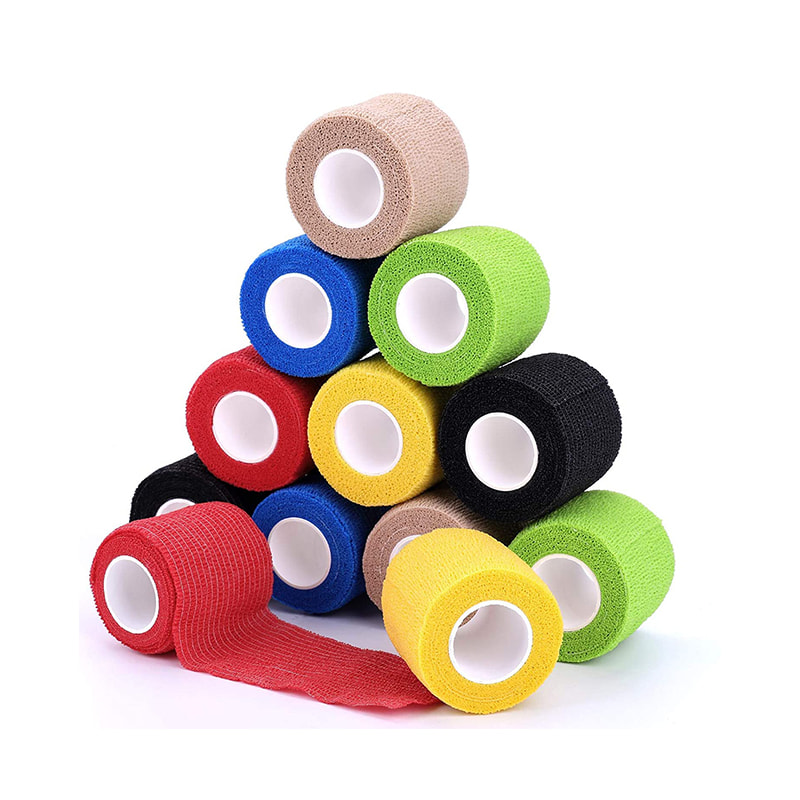
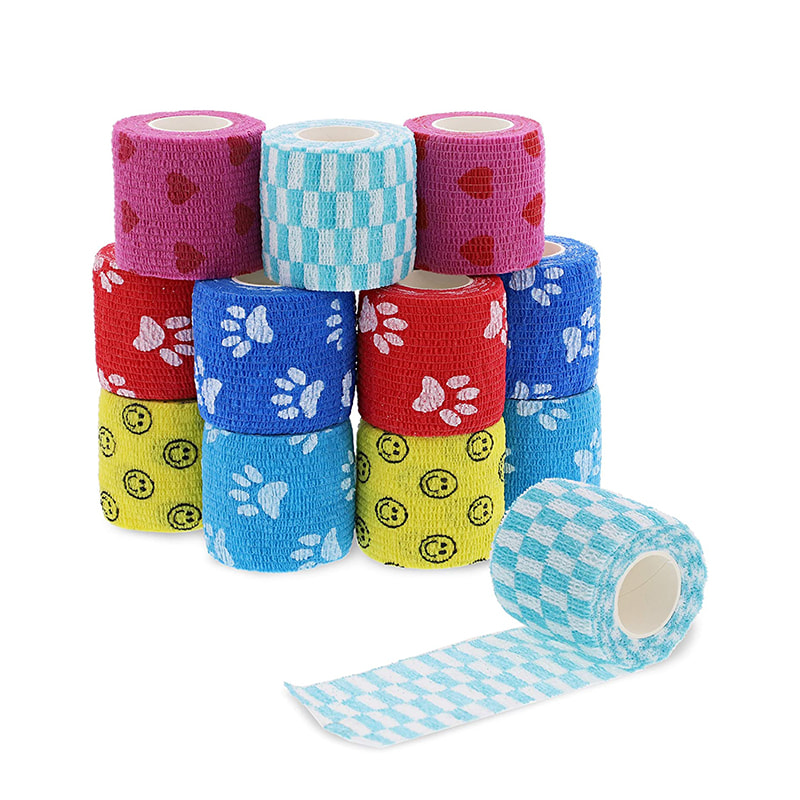
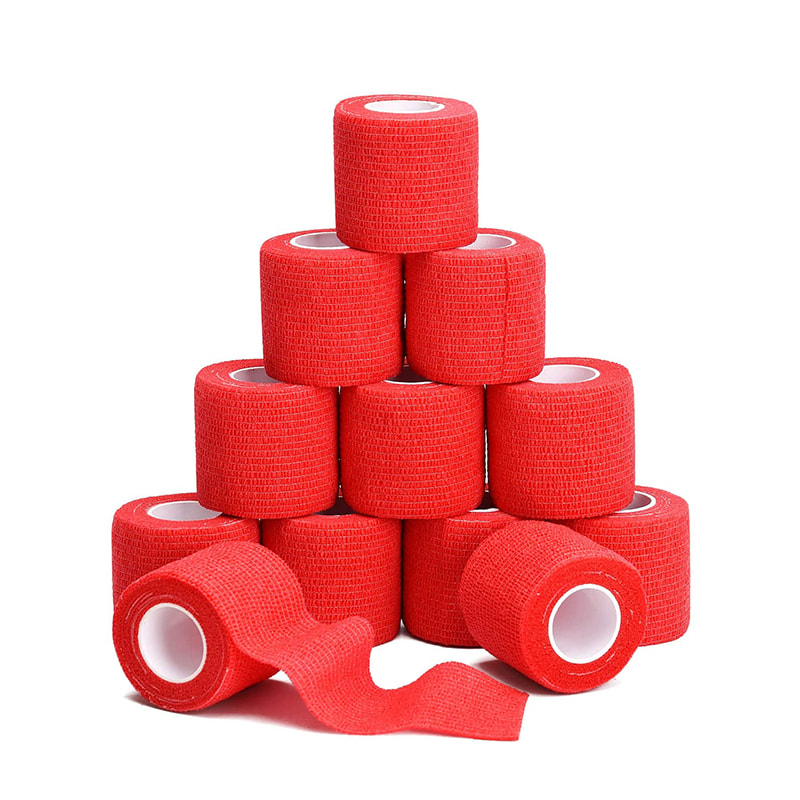
Self adhesive bandage wrap, sometimes called cohesive bandage, is a stretchable wrap that sticks to itself rather than to skin or hair, allowing it to be applied, adjusted, and removed without leaving adhesive residue or causing discomfort. This unique property comes from a light coating applied during manufacturing that activates only when the material contacts itself, making it fundamentally different from traditional adhesive tape that bonds directly to skin. The result is a versatile wrap that provides secure, breathable support without the irritation risks associated with skin-contact adhesives.
The wrap is commonly used to secure dressings, provide compression support, and stabilize joints or muscles during physical activity or recovery. Because it does not require clips, pins, or tape to stay in place, self adhesive bandage wrap has become a preferred option across sports medicine, veterinary care, and general first aid settings where quick, mess-free application matters. For wholesale buyers and distributors, understanding the material science and application versatility behind this product is essential to positioning it effectively across different customer segments.
Key Material Properties That Determine Wrap Performance
The overall quality of self adhesive bandage wrap depends heavily on several core material characteristics. Buyers evaluating potential suppliers should pay close attention to these properties, since inconsistencies can significantly affect end-user satisfaction and product reliability.
Elasticity and Stretch Recovery
A well-manufactured wrap should stretch smoothly during application while maintaining consistent tension, then hold its shape without excessive loosening over the wear period. This elasticity is essential for providing effective compression support, particularly for sports injuries or post-surgical recovery where consistent pressure aids healing. Poor-quality wraps often lose tension quickly or stretch unevenly, which reduces their functional support and shortens their effective wear time.
Self-Adhering Coating Consistency
The self-adhering coating must be applied evenly across the entire fabric surface to ensure the wrap sticks reliably to itself layer after layer without slipping. Inconsistent coating application can result in wraps that either fail to adhere properly, causing them to unravel during use, or that adhere too aggressively, making the wrap difficult to reposition during application. Manufacturers with precise coating control processes tend to produce more consistent, user-friendly products across large production runs.
Breathability and Moisture Management
Because self adhesive bandage wrap is often worn for extended periods, breathability plays an important role in user comfort and skin health underneath the wrap. A porous, well-ventilated fabric structure allows air circulation and reduces moisture buildup, which helps prevent skin irritation during multi-day wear, particularly in warm climates or during physically demanding activities.
Common Applications Across Medical and Sports Settings
Self adhesive bandage wrap is used across a wide variety of clinical, athletic, and even veterinary contexts, which is part of what makes it such a versatile product for wholesale distribution. Understanding these use cases helps buyers determine which product formats and sizes to prioritize when building out their inventory.
- Securing gauze dressings over wounds without additional tape or clips
- Providing compression support for sprains, strains, and joint injuries
- Stabilizing muscles during sports training or competitive events
- Veterinary use for wrapping animal limbs during treatment or recovery
- Post-surgical support wrapping where minimal skin contact adhesive is preferred
This broad range of applications means distributors often benefit from stocking multiple widths and colors of self adhesive bandage wrap to serve both clinical customers and general consumer or athletic markets effectively.
Comparing Self Adhesive Bandage Wrap With Traditional Bandaging Methods
Understanding how self adhesive bandage wrap compares to traditional bandaging approaches helps clarify why this product category continues to grow in popularity across both medical and consumer markets.
| Feature |
Traditional Bandage With Pins |
Self Adhesive Bandage Wrap |
| Application Speed |
Slower, requires securing tools |
Fast, self-adheres on contact |
| Skin Contact Risk |
Pins can cause injury or slippage |
No pins, sticks only to itself |
| Repositioning |
Difficult once pinned |
Easy to unwrap and reapply |
| Residue on Removal |
Minimal, but pin marks possible |
None, clean removal |
This comparison highlights why many healthcare providers and athletic trainers have shifted toward self adhesive wraps as their default option, particularly in fast-paced clinical or field settings where quick, reliable application matters.
What Wholesale Buyers Should Evaluate Before Placing Bulk Orders
Sourcing self adhesive bandage wrap at scale requires careful supplier evaluation, since even minor inconsistencies in coating quality or fabric elasticity can lead to significant customer dissatisfaction across a large order volume. The following factors deserve particular attention during the vetting process.
Production Consistency Across Batches
Because bulk orders often span multiple production runs, buyers should confirm that a manufacturer maintains tight quality control standards to ensure consistent elasticity, coating performance, and fabric width across every batch. Requesting samples from different production runs, rather than relying on a single sample, can help buyers identify potential inconsistencies before committing to a large purchase agreement.
Packaging and Private Label Flexibility
Packaging plays an important role in how the product is perceived by end users, especially for buyers pursuing private label distribution. Buyers should confirm whether their manufacturer can support custom packaging designs, printed application instructions, and branding elements suited to their target retail or clinical market.
OEM and ODM Support for Custom Wrap Product Lines
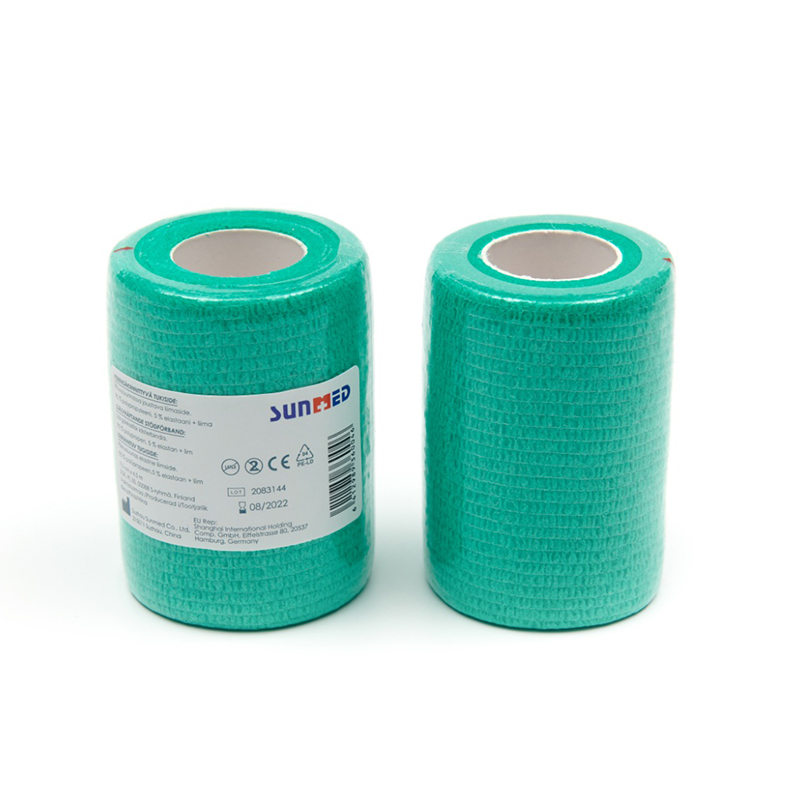
Suzhou Sunmed Self Adhesive Bandage Wrap is produced through a manufacturing process designed to support both OEM and ODM customization, giving wholesale buyers the flexibility to either apply their own branding to an established formulation or collaborate directly on custom specifications suited to their specific market. This flexibility is particularly valuable for distributors serving diverse customer bases, from sports medicine clinics to veterinary supply chains, each of which may have distinct requirements for width, color, and packaging.
Buyers pursuing ODM arrangements can work closely with the manufacturing team to adjust elasticity levels, coating formulation, and roll dimensions to match their intended use case, while OEM buyers benefit from a faster path to market by private-labeling an already proven product. This dual approach allows Suzhou Sunmed Self Adhesive Bandage Wrap to serve both established brands with specific technical requirements and newer businesses looking to enter the cohesive bandage market efficiently.
- Custom roll widths suited to sports, clinical, or veterinary applications
- Adjustable elasticity and coating formulation for different compression needs
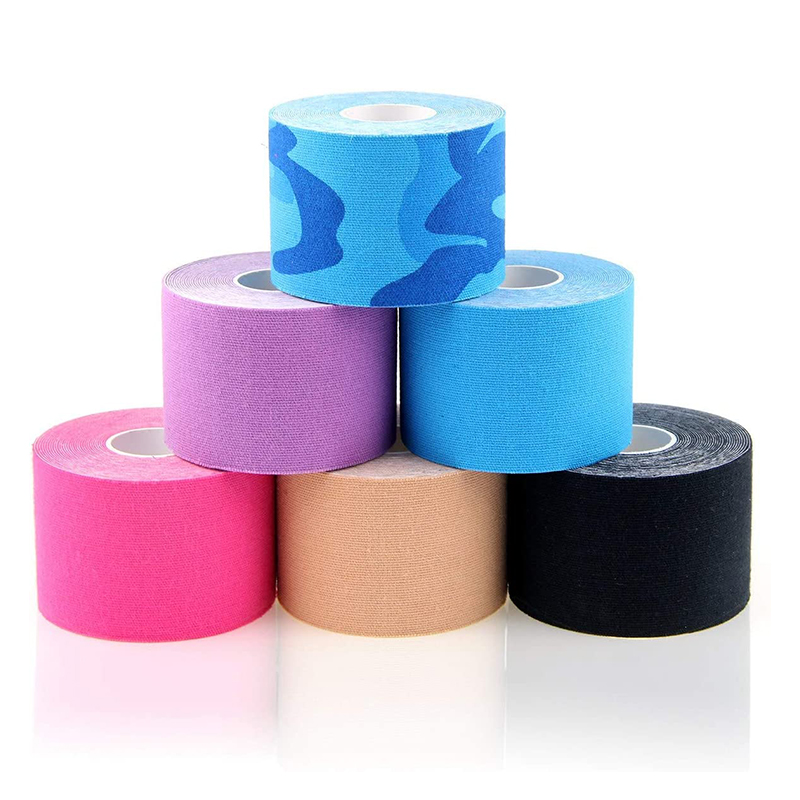
- Multiple color options for team branding, coding systems, or consumer appeal
- Custom packaging with instructions tailored to international distribution needs
Quality Assurance and Long-Term Supply Reliability
Since self adhesive bandage wrap is used in both clinical and consumer settings, maintaining consistent quality across production is essential for protecting both patient safety and brand reputation. A dependable manufacturer should be able to provide documentation confirming fabric testing, coating consistency checks, and adherence to relevant medical consumable manufacturing standards.
Beyond product quality, reliable order fulfillment and transparent communication about production timelines are equally important for wholesale buyers managing inventory across multiple markets. A manufacturing partner capable of scaling production smoothly as order volumes grow, without introducing quality variability, provides significant long-term value compared to suppliers who struggle to maintain consistency at larger production scales.
Ultimately, choosing the right supplier for self adhesive bandage wrap requires balancing fabric elasticity, coating consistency, customization flexibility, and dependable bulk supply capacity. Buyers who thoroughly evaluate these factors, including requesting multi-batch samples and reviewing OEM and ODM support options, are better positioned to build a reliable, competitive product line that meets the needs of their sports medicine, clinical, or veterinary customer base.

 English
 Español
 русский
 Français
 Deutsch
 italiano
 By Admin