What Are Waterproof Plasters and Why They Matter
Waterproof plasters are adhesive wound dressings designed with a water-resistant backing film that keeps moisture, dirt, and bacteria away from a healing wound. Unlike standard fabric plasters, which absorb water and can peel off after contact with sweat or rain, waterproof plasters use materials such as polyurethane film or specially coated non-woven fabric to create a barrier that stays intact even during showering, swimming, or heavy physical activity. This makes them a practical choice for people who cannot avoid getting their skin wet during the recovery period, including athletes, healthcare workers, food service employees, and children who are naturally active.
The demand for reliable waterproof plasters has grown steadily as consumers look for products that combine convenience with genuine protective performance. A plaster that fails after minor water exposure can expose a wound to contamination, delay healing, and cause unnecessary discomfort. Manufacturers such as Suzhou Sunmed have responded to this need by developing plasters that are tested for water resistance, breathability, and skin compatibility, ensuring the dressing performs as expected in real-life conditions rather than only in controlled settings.
Beyond the basic function of keeping water out, these plasters play an important role in infection prevention. Open wounds are vulnerable entry points for bacteria, and repeated exposure to unclean water, such as tap water containing trace contaminants, can introduce pathogens that slow the healing process. A properly sealed waterproof plaster acts as a continuous barrier, reducing the number of times a wound needs to be re-dressed and therefore lowering the overall risk of contamination throughout the recovery period.
How Waterproof Plasters Are Constructed
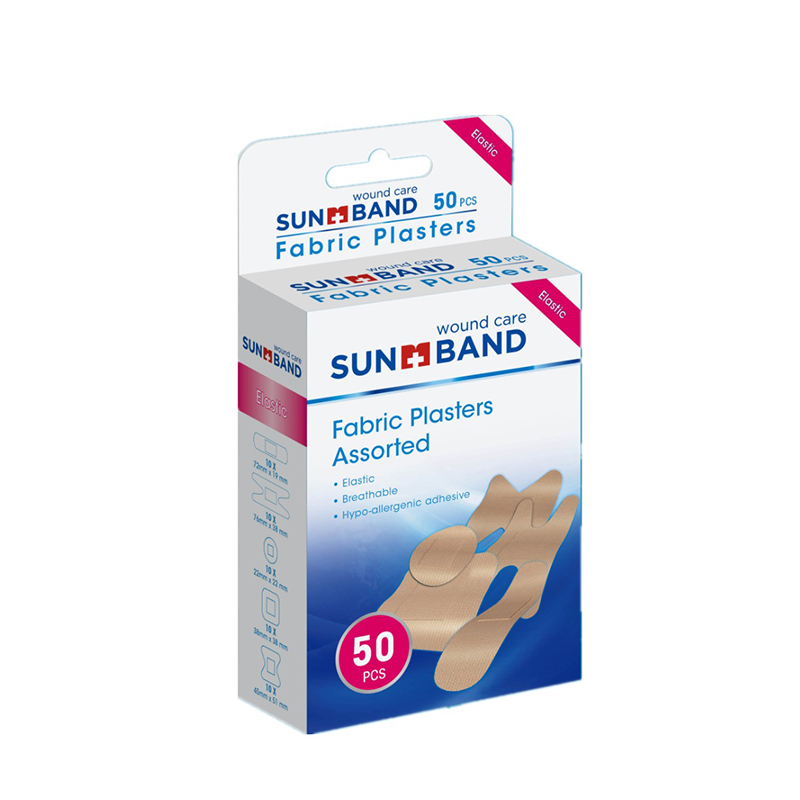
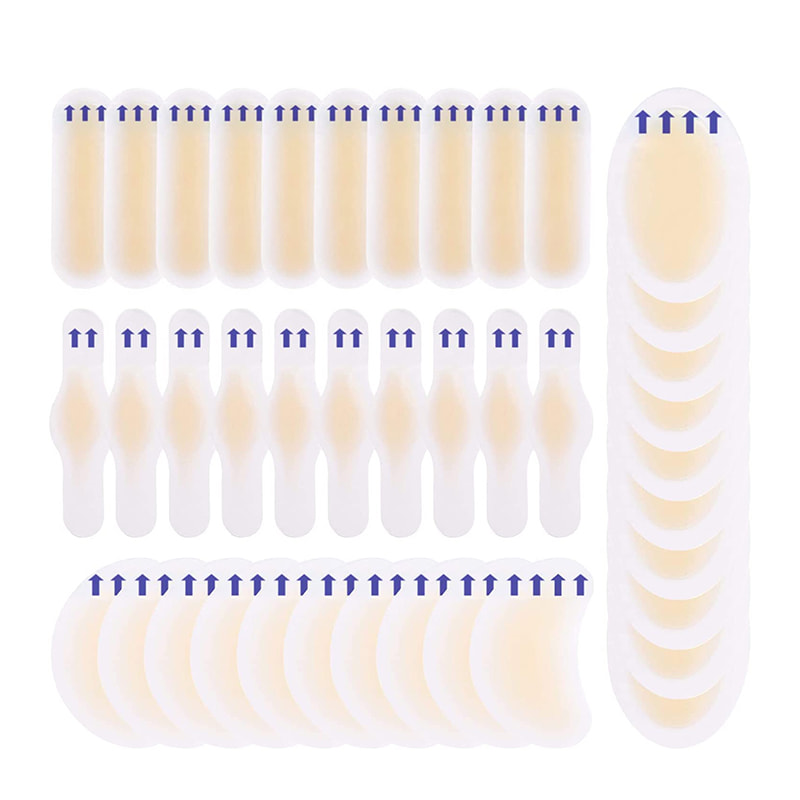
A well-designed waterproof plaster typically consists of several layers working together. The outer film blocks liquid water while still allowing water vapor to pass through, a property known as breathability. This prevents the skin underneath from becoming overly moist, which could otherwise soften the skin and increase the risk of irritation. Beneath the film sits an absorbent pad that collects wound exudate and blood, keeping the wound bed at an appropriate moisture level for healing. The adhesive border, usually made from hypoallergenic acrylic adhesive, secures the plaster firmly to the skin without causing excessive irritation upon removal.
Film Layer Technology
The film layer is the component most responsible for water resistance. High-quality polyurethane films are thin, flexible, and conform closely to the contours of the body, which helps the plaster stay in place during movement. Suzhou Sunmed sources film materials that are tested for both tensile strength and elasticity, so the plaster can stretch with the skin without tearing or lifting at the edges. This flexibility is particularly important for plasters applied over joints such as knees, elbows, and knuckles, where constant movement puts additional stress on the adhesive bond.
Absorbent Pad Design
The central pad is engineered to lock in fluid rather than letting it spread across the wound surface, which reduces the chance of maceration. Some designs incorporate a non-stick layer directly over the wound to prevent the pad from adhering to healing tissue, making removal less painful. The absorbency level is typically matched to the expected wound type, with lighter pads suited to minor cuts and denser pads designed for wounds that produce more exudate.
Adhesive Border Composition
The adhesive used around the border of the plaster must strike a balance between strong adhesion and gentle removal. Acrylic-based adhesives are commonly favored because they maintain their grip even when exposed to water repeatedly, yet they do not leave excessive residue or cause skin stripping when the plaster is peeled away. Some formulations are further adjusted for sensitive skin, reducing the likelihood of redness or allergic reaction in users who wear plasters for extended periods.
Key Benefits for Everyday and Medical Use
Waterproof plasters offer advantages that go beyond simple water resistance. They allow people to maintain normal hygiene routines, such as bathing or handwashing, without needing to remove and reapply a dressing multiple times a day. This reduces the risk of introducing bacteria into the wound through repeated handling. For active individuals, waterproof plasters also stay adhered during exercise, which minimizes friction-related injuries and keeps the wound consistently covered.
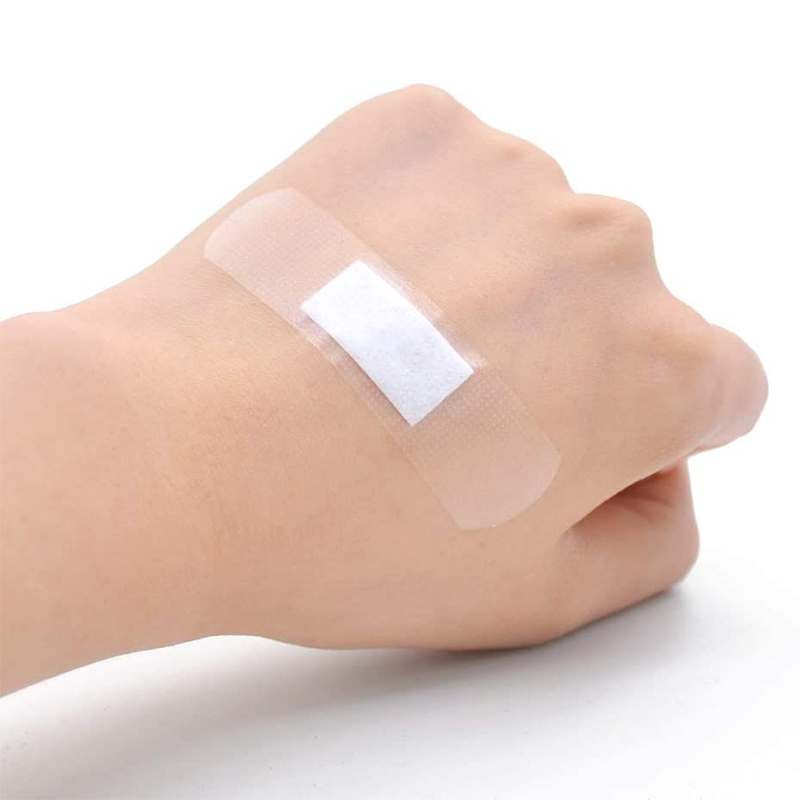
In clinical settings, waterproof plasters are often used after minor surgical procedures, blood draws, or catheter insertions, where maintaining a sterile barrier is essential. Their transparent or semi-transparent versions also allow caregivers to monitor the wound visually without removing the dressing, which is particularly useful for tracking signs of infection or improper healing. This visual monitoring capability can reduce the number of unnecessary dressing changes, which in turn lowers both material costs and the physical discomfort associated with frequent removal.
Waterproof plasters are also valuable in occupational settings where hands are frequently washed or exposed to liquids, such as in food preparation, healthcare, and manufacturing environments. Workers in these industries need dressings that remain hygienic and intact throughout a full shift, and a plaster that fails partway through the day creates both a practical inconvenience and a potential compliance issue in regulated workplaces.
Suzhou Sunmed's Approach to Waterproof Plaster Manufacturing
Suzhou Sunmed produces waterproof plasters with a focus on consistent quality control across every production batch. Raw materials are selected based on skin-friendliness, and the adhesive formulations are adjusted to reduce residue buildup after removal. Production lines incorporate automated inspection to check for defects in the film layer, ensuring that each plaster meets water-resistance benchmarks before packaging.
Beyond material selection, Suzhou Sunmed also considers packaging design, since individually sealed, sterile packaging helps preserve the plaster's protective qualities until the moment of use. This attention to detail supports both consumer-grade products sold in pharmacies and bulk orders intended for hospitals, clinics, and first-aid kit suppliers.
The company's product development process also incorporates feedback from distributors and end users, allowing adjustments to be made to sizing, shape, and adhesive strength based on real-world usage patterns. This iterative approach helps ensure that the final product addresses common complaints associated with lower-quality waterproof plasters, such as premature peeling, adhesive residue, or discomfort during extended wear.
Choosing the Right Waterproof Plaster for Your Needs
Not all waterproof plasters are suited to every situation. The table below outlines common types and their typical applications to help buyers and healthcare providers make informed choices.
| Plaster Type |
Best Use Case |
Key Feature |
| Transparent Film Plaster |
Small cuts, blisters |
Visible wound monitoring |
| Fabric-Backed Waterproof Plaster |
Joints, high-friction areas |
Flexible, durable fit |
| Extra-Absorbent Waterproof Plaster |
Post-surgical wounds |
Higher fluid capacity |
| Waterproof Spot Plaster |
Minor pinpoint wounds |
Compact, discreet coverage |
| Waterproof Knuckle Plaster |
Fingers, hands |
Contoured shape for movement |
When selecting a plaster, it helps to consider the location of the wound, the level of physical activity expected during the healing period, and any known skin sensitivities. A mismatch between plaster type and use case is one of the most common reasons dressings fail prematurely, so taking a few moments to choose the correct format can significantly improve outcomes.
Best Practices for Applying and Wearing Waterproof Plasters
Proper application significantly affects how well a waterproof plaster performs. Following a few practical steps can extend the dressing's effectiveness and reduce the likelihood of premature detachment.
- Clean and thoroughly dry the skin around the wound before applying the plaster, since moisture on unaffected skin weakens adhesive bonding.
- Press down firmly on the plaster's edges for several seconds to ensure the adhesive borders seal completely against the skin.
- Avoid stretching the plaster excessively during application, as overstretching can cause the edges to lift once the skin relaxes.
- Check the plaster periodically for signs of lifting, discoloration, or fluid buildup, and replace it if the seal appears compromised.
- Pat the plaster dry gently after swimming or bathing rather than rubbing, which helps preserve the adhesive's grip over time.
- Avoid applying lotions or oils near the plaster's border, as these substances can interfere with adhesive performance and cause premature peeling.
Common Mistakes That Reduce Plaster Performance
Even high-quality waterproof plasters can underperform if applied or maintained incorrectly. One frequent mistake is applying the plaster to skin that is still damp from washing, which prevents the adhesive from forming a complete seal. Another common issue is choosing a plaster size that is too small for the wound, leaving edges of the pad exposed to water and increasing the risk of contamination.
Some users also make the mistake of leaving a waterproof plaster on for longer than recommended, assuming that water resistance equates to indefinite durability. In reality, adhesive performance gradually weakens with repeated exposure to water and friction, and most plasters should be changed at intervals appropriate to the wound type and level of activity. Reading and following the manufacturer's guidance on wear time helps maintain both hygiene and healing efficiency.
Quality Standards and Certifications to Look For
When sourcing waterproof plasters, whether for personal use or bulk procurement, it is worth verifying that the manufacturer complies with recognized medical device standards, such as ISO 13485 for quality management systems. Certification indicates that production processes are regularly audited and that materials undergo biocompatibility testing to reduce the risk of allergic reactions. Suzhou Sunmed maintains these standards across its manufacturing operations, giving distributors and healthcare buyers confidence that each batch meets consistent safety and performance criteria.
Buyers should also review product documentation for information on adhesive composition, film thickness, and sterilization methods, as these details directly influence how a plaster performs under real-world water exposure. Requesting sample batches before placing large orders is a practical way to confirm that a plaster's water resistance and comfort match the specifications provided.
For institutional buyers such as hospitals and clinics, it can also be useful to ask suppliers for test data on water immersion resistance and wear duration, since these figures provide a more objective basis for comparison than marketing claims alone. Reliable manufacturers are typically willing to share this information, and a willingness to provide detailed technical documentation is often a good indicator of overall product quality and manufacturing transparency.

 English
 Español
 русский
 Français
 Deutsch
 italiano
 By Admin