Foot discomfort is one of the most underestimated quality-of-life issues facing people today. Whether you spend eight hours on a warehouse floor, train daily for a marathon, or simply wear fashionable footwear that sacrifices support for style, the cumulative stress placed on the feet is enormous. The global market for inserts and insoles has responded with a wide range of materials and designs — but one category stands out for its balance of science, comfort, and practicality: PU GEL foot care cushions. Manufacturers like Suzhou Sunmed Inserts & Insoles have built their reputations around engineering these products to address real biomechanical problems, not just to feel plush for the first week of use.
What Makes PU GEL Different from Standard Insole Materials
Most budget insoles are made from EVA foam — ethylene-vinyl acetate — a lightweight material that provides initial cushioning but compresses and loses resilience within weeks of regular use. Memory foam insoles feel luxurious at first but absorb heat and can become unstable under dynamic loading, making them less suitable for athletic use or long standing hours.
PU GEL — polyurethane gel — operates on a different mechanical principle. The gel matrix is viscoelastic, meaning it simultaneously absorbs impact energy and slowly returns to its original shape. Unlike foam, it does not permanently deform under repeated compression. The material distributes pressure across a wider surface area, reducing peak stress on sensitive zones such as the heel, metatarsal heads, and plantar arch.
The practical result is twofold. First, PU GEL insoles provide shock absorption that remains consistent over thousands of steps rather than degrading over weeks. Second, they reduce the localized pressure that causes hot spots, blisters, and conditions like plantar fasciitis and metatarsalgia. For users with diabetes or peripheral neuropathy, where pressure management is a clinical requirement, this characteristic is especially significant.
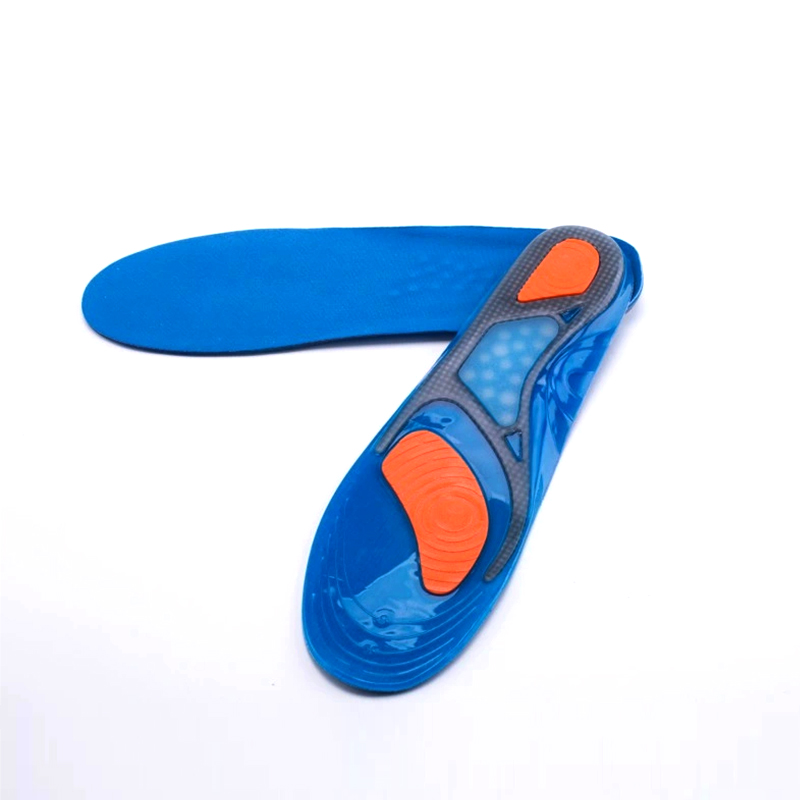
Not every foot problem calls for the same solution. Understanding where PU GEL insoles deliver the most value helps buyers make more targeted purchasing decisions.
Occupational standing and walking: Workers in manufacturing, healthcare, retail, and logistics often log 10,000 to 20,000 steps per day on hard surfaces. For these users, cumulative heel and forefoot impact is the primary source of fatigue. Full-length PU GEL insoles that reinforce the heel cup and provide forefoot padding are the most effective option, substantially reducing end-of-shift foot and lower limb fatigue.
Sports and running: In high-impact activities, the foot strikes the ground with a force of two to three times body weight per step. GEL cushioning at the heel and ball of the foot absorbs this energy before it travels up the kinetic chain to the knee and hip. Many dedicated sports insoles from manufacturers like Suzhou Sunmed Inserts & Insoles are designed with anatomical contouring, positioning the gel pads precisely where impact loads are highest.
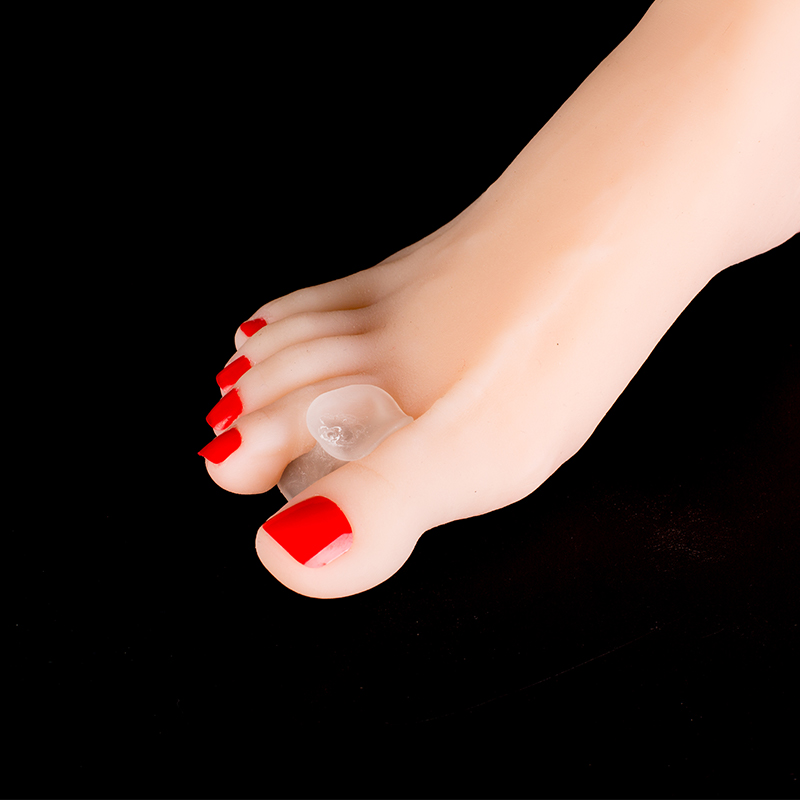
Dress and fashion footwear: High heels and dress shoes often lack meaningful insole support and concentrate pressure on the metatarsal area. Slim, low-profile PU GEL metatarsal pads or half-insoles are engineered to fit within these narrow shoe profiles without raising the heel excessively. For people who need to wear formal footwear for extended periods, this is one of the highest-value applications of the technology.
Post-surgical and orthopedic recovery: Patients recovering from procedures involving the foot, ankle, or lower limb benefit from controlled pressure distribution to avoid loading healing tissues. Clinically designed PU GEL cushions are often recommended as part of post-operative footwear protocols.
A Practical Comparison: PU GEL vs. Common Insole Materials
| Material |
Shock Absorption |
Durability |
Breathability |
Best Use Case |
| PU GEL |
Excellent |
High (maintains performance over time) |
Moderate |
All-day wear, sport, medical |
| EVA Foam |
Good (initially) |
Low (compresses permanently) |
Good |
Budget everyday use |
| Memory Foam |
Good (soft feel) |
Moderate |
Poor (retains heat) |
Light daily use |
| Cork |
Moderate |
High |
Good |
Orthotics, arch support |
| Silicone |
Good |
High |
Low |
Localized heel/ball pads |
PU GEL occupies a strong position at the intersection of performance and longevity. It may carry a slightly higher unit cost than EVA foam alternatives, but its lifespan advantage means the cost per month of effective use is often lower. Suzhou Sunmed Inserts & Insoles, as a specialized manufacturer, focuses heavily on the formulation of the gel compound itself — density, rebound rate, and temperature stability are all variables that distinguish professional-grade PU GEL products from commodity imitations.
Design Features to Look for in a Quality PU GEL Insole
The gel compound is only part of the equation. The overall construction of the insole determines how well that material performs in practice. When evaluating products, consider the following:
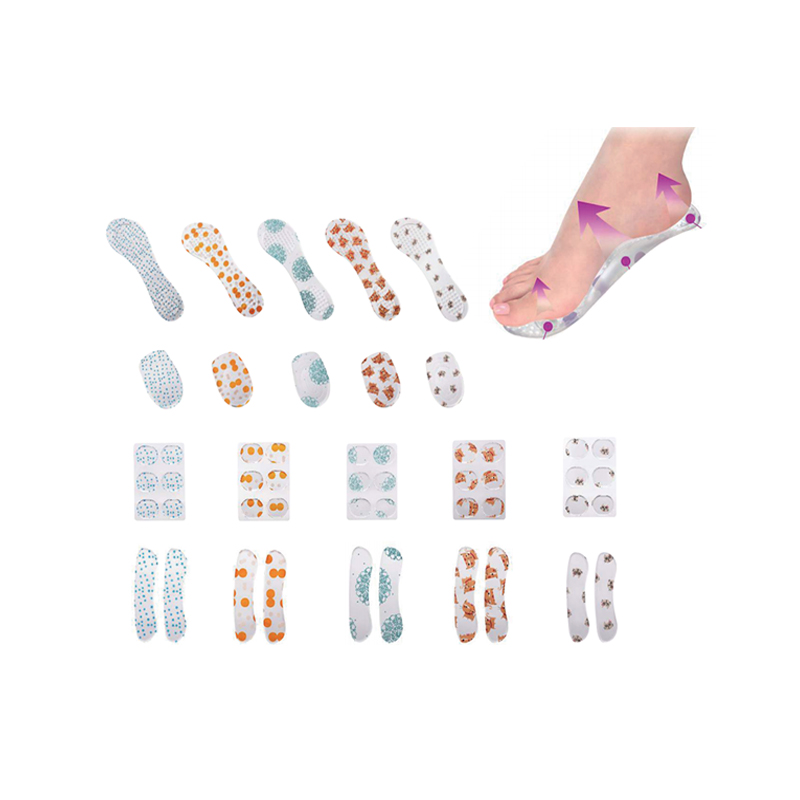
Anatomical shaping: A quality insole follows the natural contours of the foot — a defined heel cup, a raised medial arch, and slight contouring under the metatarsal heads. Flat insoles fail to engage the arch and allow the foot to pronate excessively during the gait cycle.
Top cover material: The surface that contacts the foot should be moisture-wicking and antimicrobial. Moisture trapped beneath the foot accelerates bacterial growth and contributes to foot odor. Many Suzhou Sunmed Inserts & Insoles products use treated fabric or perforated covers to manage this.
Gel pad placement and thickness: Targeted gel placement at the heel (typically 4–6mm thick at the strike zone) and under the metatarsal heads is more biomechanically effective than a single uniform gel layer across the entire insole. Precision placement ensures the material does its job where forces are highest.
Base layer stiffness: The underlying structure — whether TPU, fiberglass, or semi-rigid EVA — determines how much arch control the insole provides. A fully soft insole may feel comfortable but provides no correction of pronation or supination. A degree of semi-rigidity in the base layer enables functional orthotic support alongside the cushioning.
Trim-to-fit compatibility: Many insoles are designed to be trimmed with scissors to fit a range of shoe sizes. This is valuable for consumers, but the trim line should be clearly marked, and the gel pads must be positioned far enough from the toe end that trimming does not compromise their coverage.
How Suzhou Sunmed Inserts & Insoles Approaches Product Development
Suzhou Sunmed Inserts & Insoles represents a class of specialized manufacturers that have built deep expertise in the ergonomics and materials science underlying foot care products. Rather than producing commodity foam insoles, such companies invest in the compounding and testing of PU GEL formulations, the tooling of anatomically accurate molds, and clinical validation of pressure distribution outcomes.
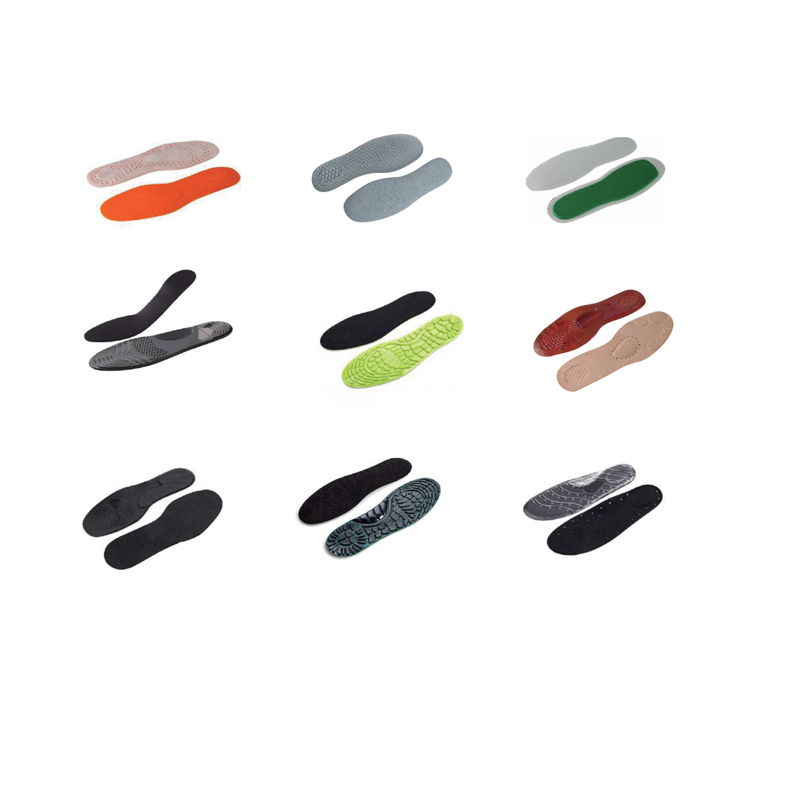
Our product range typically spans several categories — sports performance insoles, medical-grade diabetic insoles, occupational insoles for industrial use, and retail-facing fashion shoe cushions — all built on a shared foundation of PU GEL technology but differentiated by density, thickness, cover material, and base structure. This segmented approach reflects an understanding that a distance runner and a nurse with standing fatigue have fundamentally different biomechanical needs, even if the root technology serving both is the same.
Working with a manufacturer at this level of specialization is particularly relevant for B2B buyers — distributors, private label brands, and medical device companies — who need consistent quality across large order volumes. The gel compound must perform identically in batch 1 and batch 1,000, which demands rigorous quality control over raw material sourcing and manufacturing process parameters.
Practical Guidance: Getting the Right Fit and Usage Habits
Even the best insole delivers suboptimal results if it is incorrectly fitted or misused. A few straightforward practices make a significant difference:
Replace your insoles on schedule. Even high-durability PU GEL insoles have a useful life. For daily wearers, plan to replace them every 6–12 months, or sooner if visible compression or deformation is apparent.
Match the insole to the shoe type. A thick cushioned insole placed inside a shoe with its own substantial midsole can elevate the foot too high and create instability. In such cases, a thinner, firmer insole designed to replace the factory footbed is the better choice.
Break in gradually. If you are transitioning from minimal footwear support to a structured insole with significant arch contact, introduce the insole progressively over one to two weeks to allow the foot musculature to adapt.
Clean regularly. PU GEL insoles can be wiped clean with a damp cloth and mild soap. Avoid submerging them in water or machine washing, as this can delaminate the top cover from the gel layer.
The Bottom Line
PU GEL foot cushions and insoles represent a meaningful, evidence-backed improvement over conventional foam alternatives. Their ability to maintain shock absorption performance over time, distribute plantar pressure more evenly, and serve a wide range of user profiles — from clinical applications to competitive sport to everyday professional wear — makes them the most versatile and reliable category in the inserts and insoles market today.
For buyers evaluating suppliers, manufacturers like Suzhou Sunmed Inserts & Insoles demonstrate that the quality of the gel compound, the precision of the anatomical design, and the selection of appropriate cover and base materials are what separate a functional medical and wellness product from a generic commodity. The question is not whether to upgrade to PU GEL — the evidence supports doing so — but rather which specific design best matches the demands of your foot, your footwear, and your daily activity.

 English
 Español
 русский
 Français
 Deutsch
 italiano
 By Admin