A heat patch looks like the simplest item in a medical catalogue: a thin pouch, a printed foil wrapper, a peel-off liner. Then it reaches a customer's shoulder on a cold morning, and everything that matters happens where nobody can see it — inside the pouch, in the reaction between iron powder and the air. We have supplied disposable warmth products to distributors, pharmacy groups and private-label brands for years, and the products that get reordered are rarely the cheapest ones. They are the ones whose temperature curve, adhesive and packaging all behave exactly as promised.
This guide is written for buyers who are comparing suppliers, building a hot-and-cold therapy range, or preparing a private-label launch. It covers how air-activated patches work, which formats sell, where quality problems usually hide, and the questions worth asking before you approve a sample.
What Is Actually Inside a Heat Patch
An air-activated heat patch is a small, carefully controlled oxidation reactor. The powder inside is usually a blend of iron, activated carbon, salt, vermiculite and water. Iron is the fuel; salt acts as a catalyst that kick-starts the reaction; carbon helps spread heat evenly and absorbs odour; vermiculite holds moisture and keeps the powder from clumping into hot spots.
The pouch construction matters as much as the formula. A non-woven inner bag holds the powder, a microporous outer film controls how quickly oxygen reaches it, and an adhesive layer with a release liner keeps the patch where the wearer put it. Change the film's permeability and you change everything: a slightly more open film gives a faster, hotter peak and a shorter useful life, while a tighter film gives a slower warm-up and a longer, gentler plateau.
That is why two patches can look identical and perform completely differently. Typical designs settle somewhere between 40°C and 50°C at the skin-facing surface, with body warmers running roughly 8 to 12 hours and slim pain-relief patches running 4 to 8. There is no universal standard here. These numbers are a design choice, and the right choice depends on whether your customer wants a quick burst of heat on a stiff shoulder or all-day warmth in a coat pocket.
The Formats Buyers Ask For Most
Most ranges are built from a handful of shapes, each solving a different problem. The table below is the rough map we use when a buyer sends over an initial brief.
Indicative formats only; real warmth windows depend on pouch formulation, film permeability and ambient temperature.
| Format |
Typical placement |
Warmth window |
What to check first |
| Shoulder patch |
Curved shape over the trapezius |
4-8 hours |
Adhesive coverage around the curve |
| Waist and back patch |
Lumbar area, often with elastic wings |
6-10 hours |
Width range and edge lift |
| Menstrual and abdominal patch |
Lower abdomen, narrow curved cut |
4-8 hours |
Softness and low-profile edges |
| Knee and joint wrap |
Elastic band or wrap style |
4-6 hours |
Stretch and breathability |
| Foot and hand warmers |
Inside a shoe or glove, no adhesive |
6-12 hours |
Oxygen flow and fit |
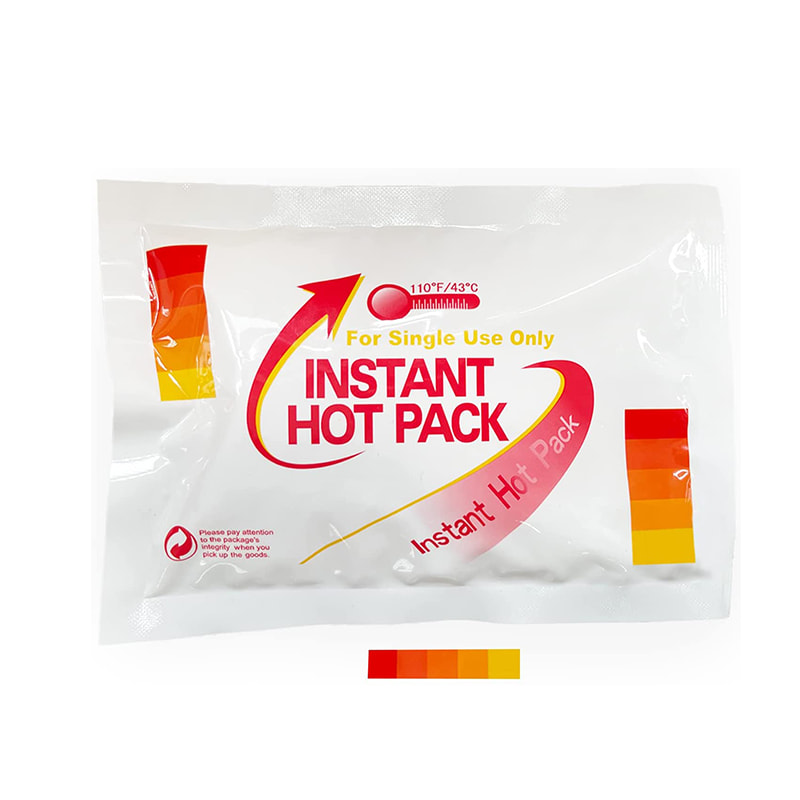
| Instant heat pack |
Squeeze or click activation |
15-30 minutes, hotter |
Sealing and gel chemistry |
 Disposable Shoulder Heat Patch for Pain ReliefA single-use shoulder patch in three temperature ranges and OEM branding, useful for comparing shapes in a heat-patch range.View Product →
Where Heat Patches Go to Work
Heat patches sit at an unusual intersection: they are sold as healthcare products but bought like consumer goods. That shapes the way a range should be built.
- Pharmacy and retail shelves. Small, clearly labelled patches with readable temperature and duration claims. Multipacks tend to outsell singles in most markets.
- Menstrual and abdominal care. A category that has grown quickly because the product answers a specific, recurring discomfort with something thinner and more discreet than a hot water bottle.
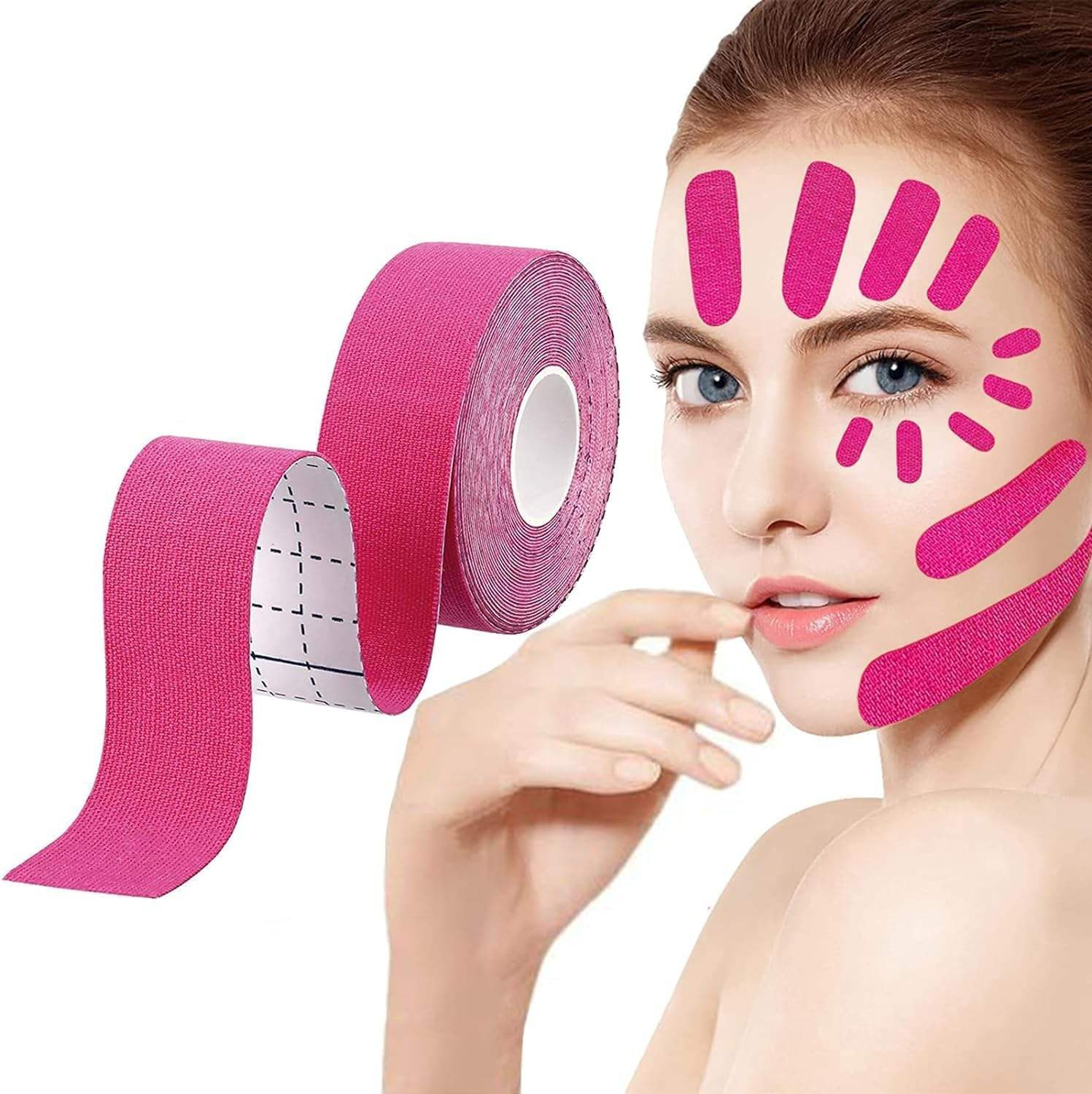
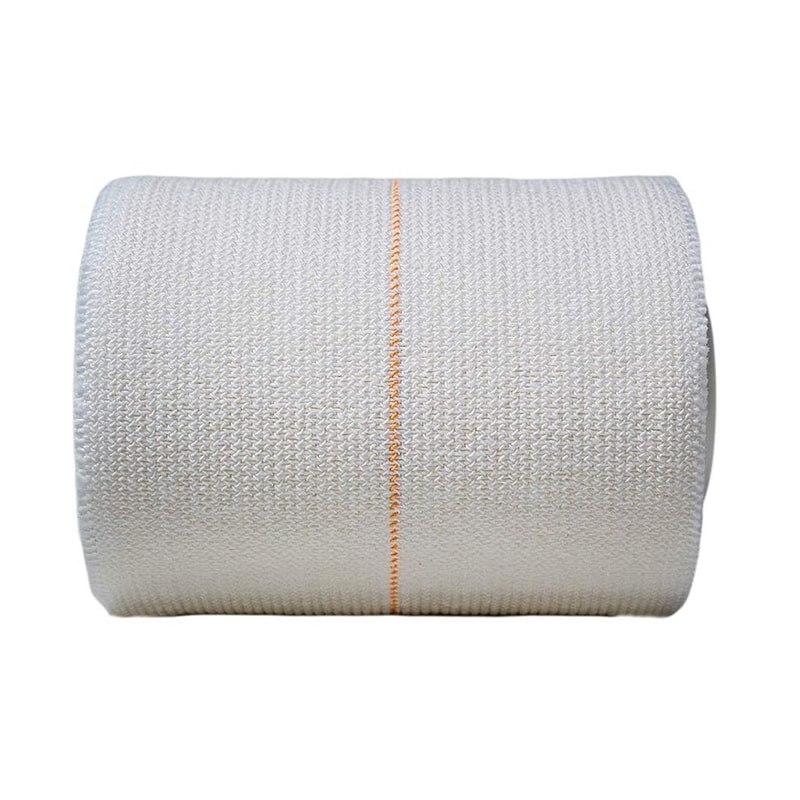
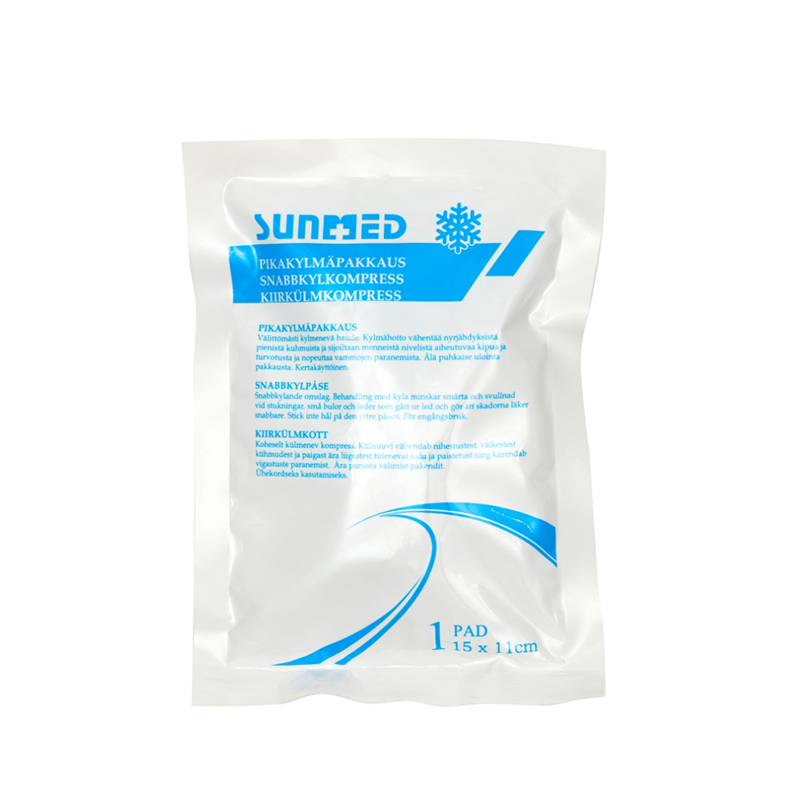
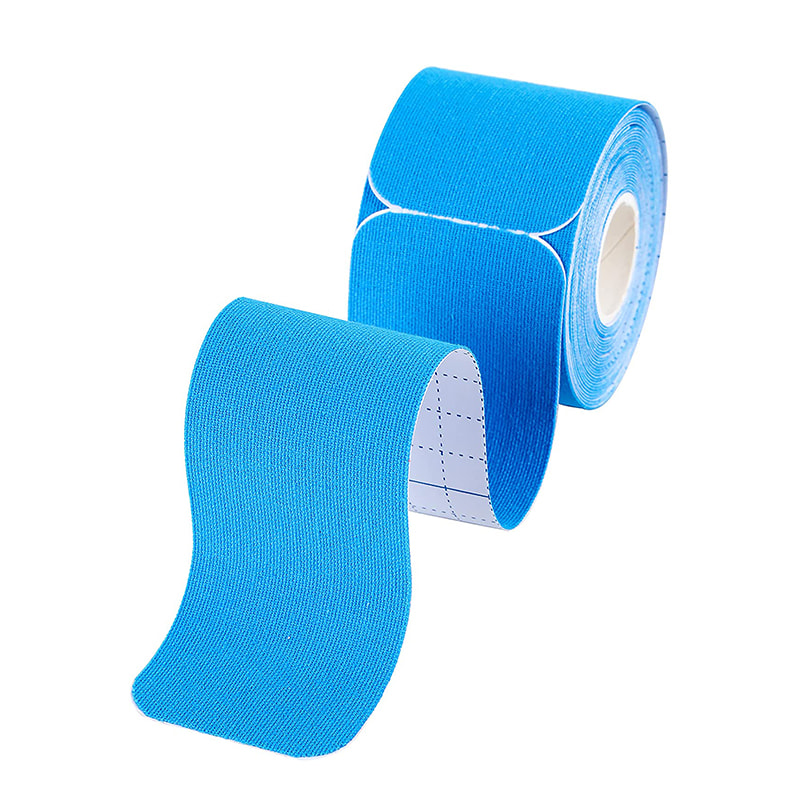
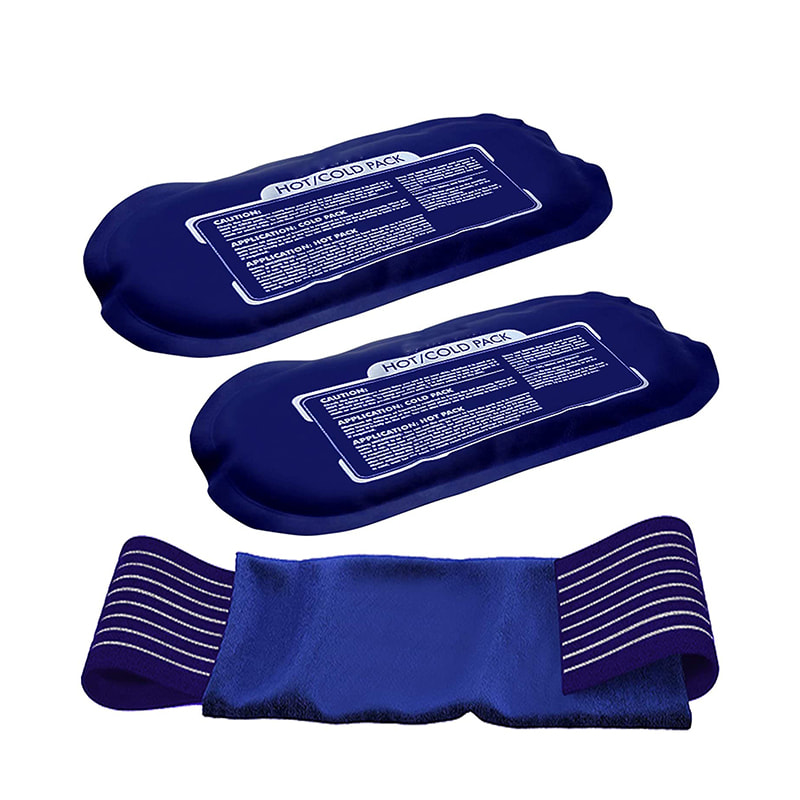
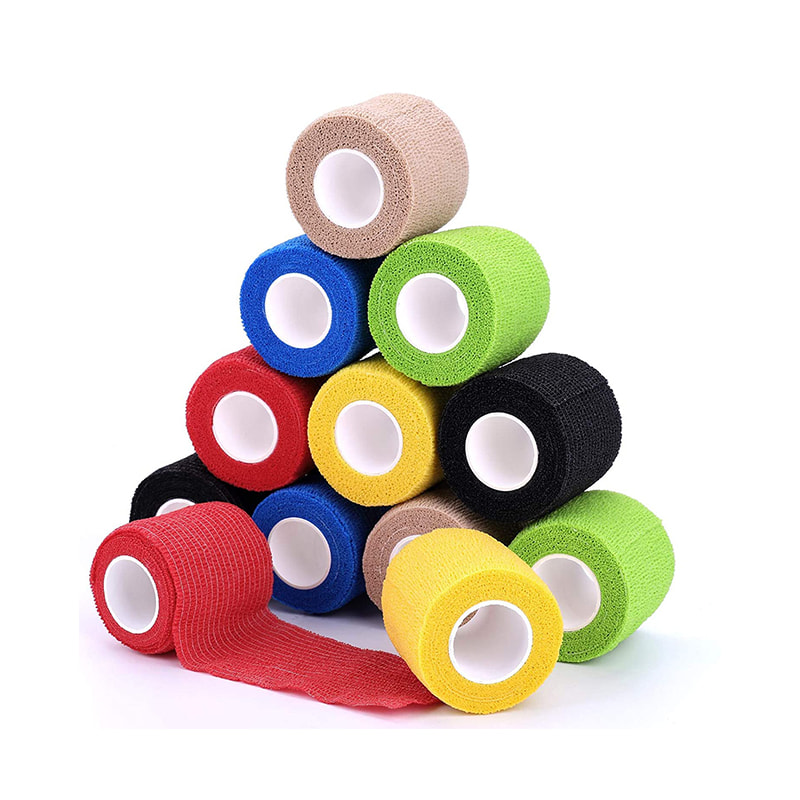
- Sports and physiotherapy. Applied before training or treatment to loosen muscle tissue, and often sold alongside kinesiology tape, elastic supports and cold packs.
- Elderly and home care. Lower back and joint warmth for people with limited mobility, where a patch is easier to manage than a heating pad.
- Outdoor, workwear and emergency kits. Body warmers and hand warmers for cold storage work, winter sports, roadside kits and relief distribution.
- Gift and promotional sets. Printed patches bundled with socks, eye masks or first aid kits around seasonal peaks.
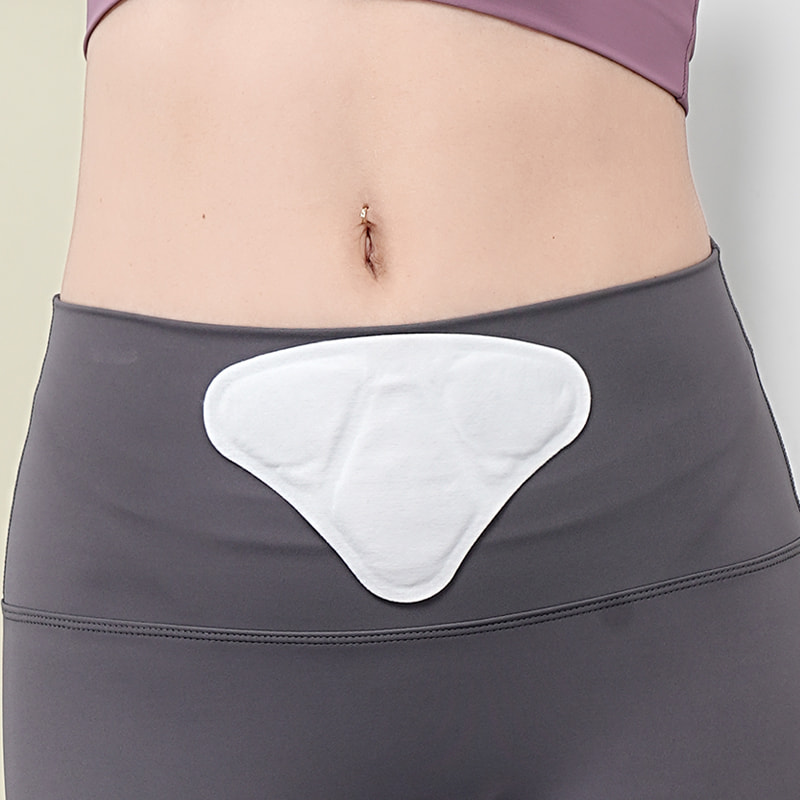 Instant-Heating Disposable Menstrual Heat PatchA 15x10 cm instant-heating patch for menstrual warmth, offered with OEM branding and three temperature options for range planning.View Product →
Where Cheap Patches Usually Fail
Almost every complaint we hear about disposable warmth products traces back to one of six places.
- Temperature drift. Iron powder blends that are not tightly controlled produce patches that run hot on one production batch and lukewarm on the next.
- Uneven powder distribution. Powder that settles to one end creates a hot spot and a cold end, which customers notice within minutes.
- Adhesive that is either too weak or too strong. Edge lift after an hour of movement is a return; so is a patch that takes skin with it on removal.
- Seal failure in the foil. Micro-leaks admit moisture during shipping, and the patch partially reacts before the customer ever opens it.
- Shelf life versus climate. A two-year claim tested in a temperate warehouse may not hold in a humid port city without a proper stability study.
- Printing and labelling errors. Wrong duration, missing batch code, or a translation mistake in the caution text — the kind of problem that stalls a container at customs.
None of these are exotic. They are controlled by incoming material checks, in-process weight and seal inspection, temperature-curve testing in a controlled oven, and a documented stability programme. When a supplier cannot describe those four things in detail, the sample may still be fine; the tenth container is the risk.
OEM and Private Label: The Details That Matter
Private label heat patches are one of the easier categories to customise, which is exactly why buyers should be specific from the start. The variables worth locking down early are:
- Patch dimensions, shape and adhesive pattern — full coverage, perimeter only, or a winged style.
- Target warmth window and peak temperature, expressed as a range rather than a single number.
- Powder weight per patch, which drives both cost and usable duration.
- Outer film permeability, the quiet variable behind most performance differences.
- Packaging format: single foil pouch, zip bag, folding carton, display box or shelf-ready tray.
- Artwork, warning text, language versions, barcodes and lot coding.
- Documentation: technical file, material safety data sheets, test reports and labelling compliance for the destination market.
Our OEM and private label programme is built around that exact list, and we would rather spend an extra week on a sample round than discover a film or adhesive problem after the artwork has already gone to print.
A Short Checklist Before You Place the Order
Whether you are comparing three suppliers or finalizing a reorder, these are the points we suggest confirming in writing.
- Request samples pulled from a production batch, not from a development run.
- Ask for a temperature-curve report showing warm-up time, plateau and duration.
- Confirm how adhesion is tested, and on which substrate — skin model or fabric.
- Check the foil seal visually and ask about leak testing frequency.
- Request a stability summary covering the climate your goods will ship into.
- Agree minimum order quantity, lead time and packing configuration per SKU.
- Build in at least one artwork proofing round before plates are made.
- Confirm Incoterms, carton dimensions and pallet patterns so freight costs do not surprise you.
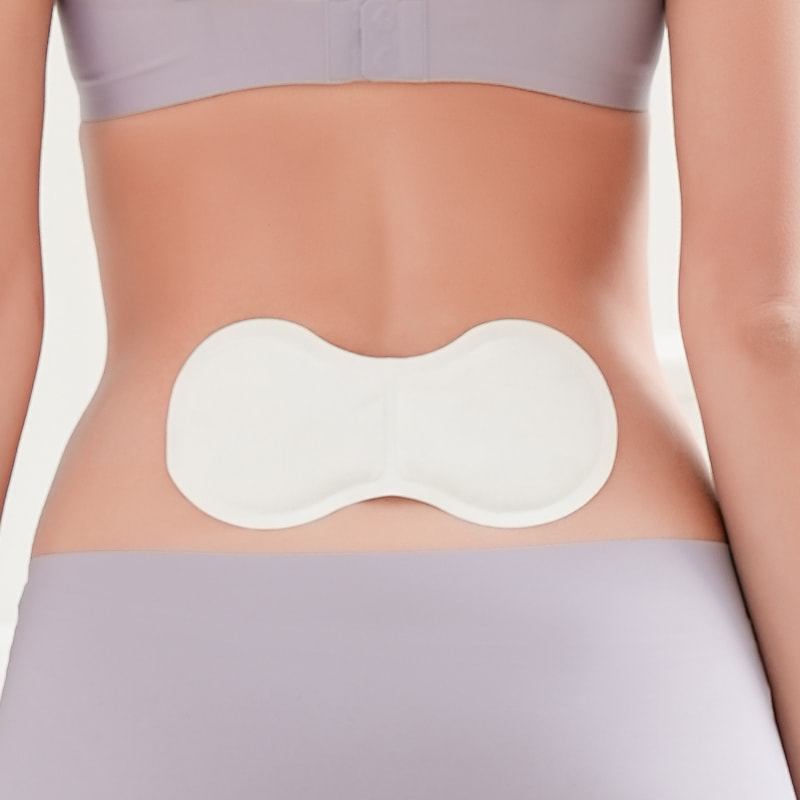 Disposable Instant-Heating Heat Pack for Waist and BackA single-use 20 x 9.5 cm waist and back patch with OEM branding and three temperature ranges, suited for confirming specifications before reorder.View Product →
Seeing the Production Side for Yourself
Specifications on paper only go so far. If you want to understand how the manufacturing side is organized before that first conversation, the factory section of our site walks through the workshops and the lines we run for warmth products and dressings.
A heat patch carries a very small promise: warmth, for a certain number of hours, in a place that hurts. It is a modest product, and that is precisely why it is unforgiving. Buyers who treat the film, the powder blend, the adhesive and the foil as four separate specifications — rather than one line item in a catalogue — are the ones whose customers come back for the next winter season.
If you are still at the stage of comparing shapes and warmth windows, tell us where the product will be worn and who will wear it. That single detail usually settles the format, the duration and the price point far faster than a long specification sheet.

 English
 Español
 русский
 Français
 Deutsch
 italiano
 By Admin