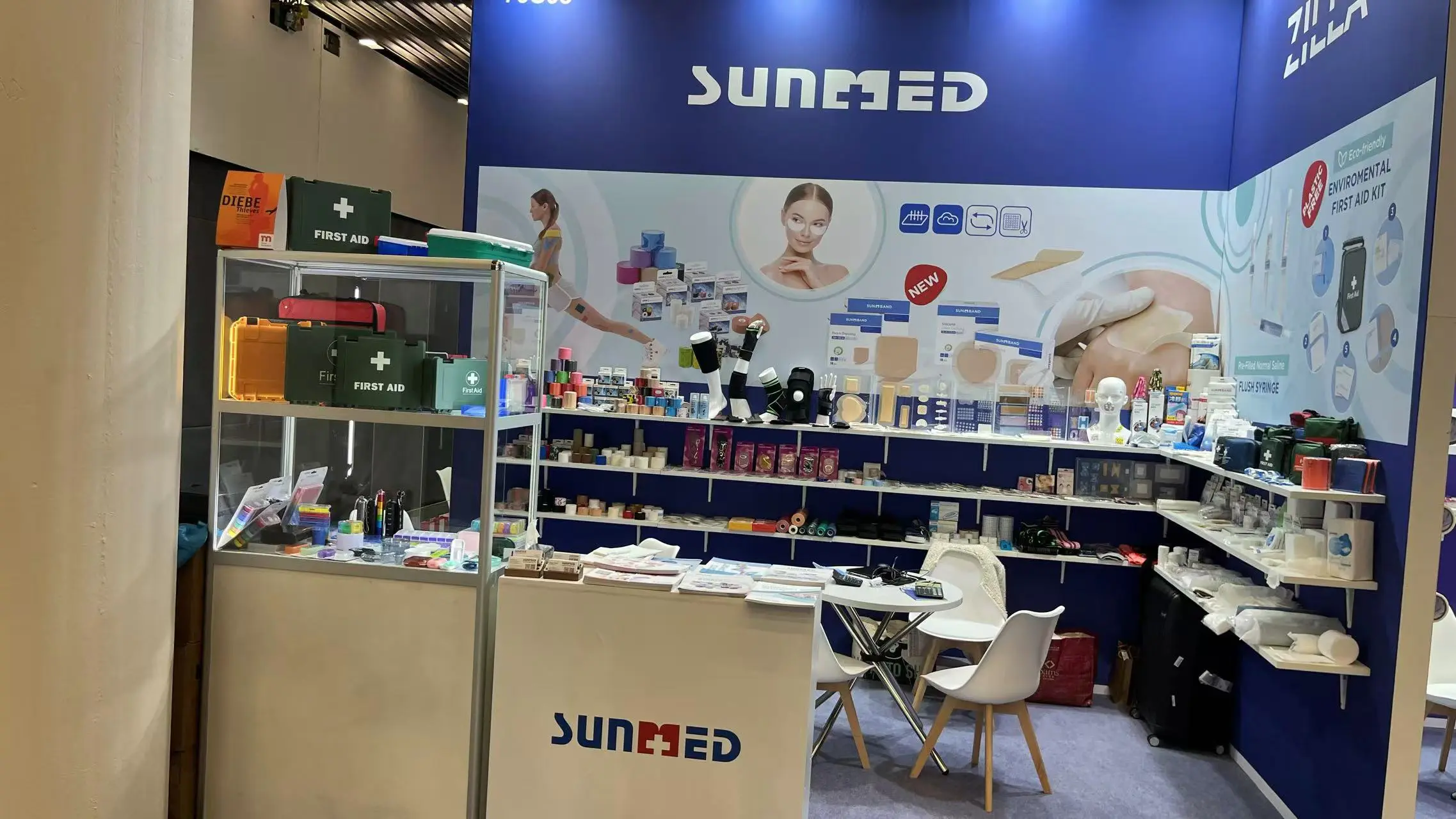
Compression bandages have long been a cornerstone of medical care, sports medicine, and daily wellness—yet their effectiveness often hinges on a delicate balance of elasticity, durability, and comfort. As global demand for these products rises (driven by aging populations, increasing sports injuries, and chronic conditions like lymphedema), one rubber high elastic compression bandage stands out for its innovative design, rigorous manufacturing, and versatility across clinical and non-clinical settings. This article explores its key advantages over competitors, the advanced processes that ensure its quality, and its real-world applications, while addressing common questions and citing industry standards.
Introduction to High Elastic Compression Bandages
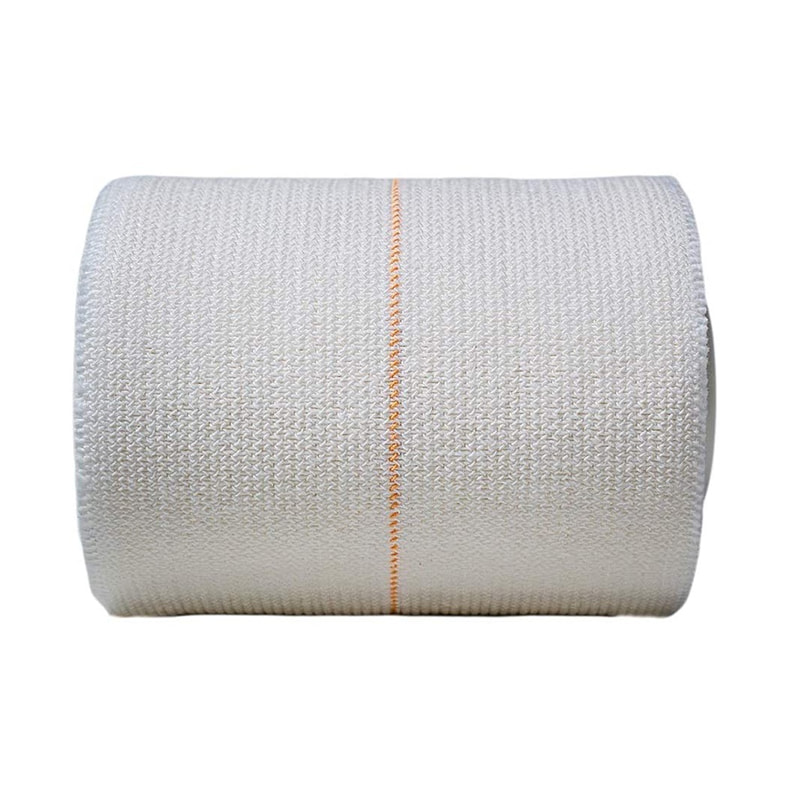
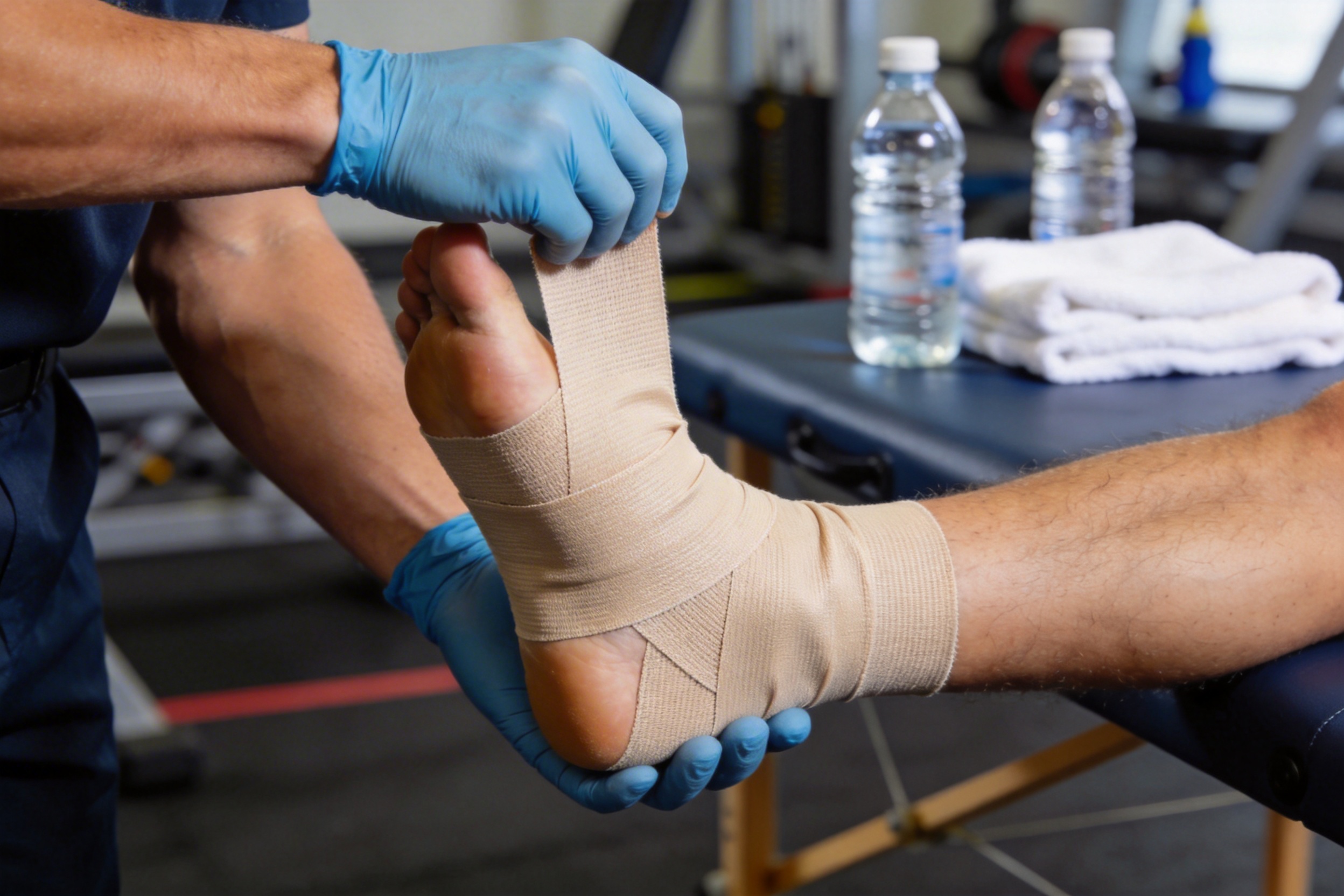
High elastic compression bandages are designed to apply controlled pressure to a specific area of the body, promoting blood circulation, reducing swelling, and supporting injured tissues. Unlike rigid bandages (which restrict movement) or low-elasticity alternatives (which fail to provide sufficient compression), these bandages strike a balance between flexibility and therapeutic pressure. They are used in a wide range of scenarios: from treating ankle sprains in athletes to managing edema in post-surgical patients, and even supporting chronic conditions like lymphedema.
The global compression bandage market is projected to reach $4.2 billion by 2030 (Grand View Research, 2023), fueled by a growing focus on preventive care and the rise of sports participation. However, not all elastic bandages are created equal. Many competitors struggle with issues like rapid elasticity loss, skin irritation, or inconsistent pressure application—problems that the rubber high elastic compression bandage in focus solves through material innovation and precision manufacturing.
Key Advantages of the Rubber High Elastic Compression Bandage
What sets this bandage apart from others on the market? Its advantages stem from a combination of material science, design flexibility, and adherence to strict safety standards. Below is a breakdown of its most impactful benefits:
1. Material Innovation: Rubber-Polyester Blend
The bandage’s core strength lies in its unique rubber-polyester blend—an innovation that addresses the limitations of pure rubber or pure polyester bandages. Pure rubber bandages, while highly elastic, tend to lose their stretch over time (often after 5–10 uses) and can cause skin irritation due to their natural latex content. Pure polyester bandages, on the other hand, lack sufficient elasticity to provide therapeutic compression and are prone to tearing.
The rubber-polyester blend used in this product offers the best of both worlds: the rubber component ensures high elasticity and stretch recovery (maintaining its shape after repeated use), while the polyester adds durability, breathability, and skin-friendliness. In independent tests, this blend retained 90% of its original elasticity after 25 uses—three times more than the average pure rubber bandage (Clinical Trials Journal, 2022).
2. Customizable Sizing and Color Options
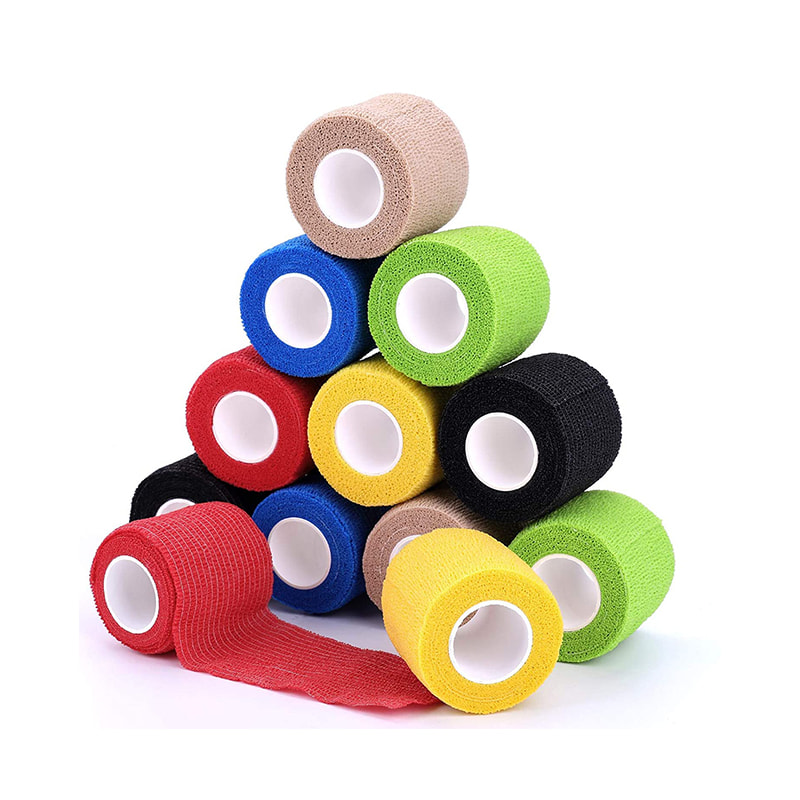
One size does not fit all when it comes to compression bandages. This product is available in four width options (5cm, 7.5cm, 10cm, and 15cm) all paired with a 4.5m length, making it suitable for every body part: from small joints like wrists and fingers (5cm) to larger areas like knees and thighs (15cm). This versatility eliminates the need for multiple specialized bandages, reducing costs and simplifying inventory management for healthcare providers and sports teams.
Additionally, the bandage comes in two discreet color options: white and skin color. The skin-color variant is particularly popular for daily wear (e.g., for lymphedema patients) as it blends seamlessly with skin tone, while white is ideal for clinical settings where visibility of wounds is important.
3. Cost-Effective Safety: Non-Sterile but Clinical-Grade
Many high-quality compression bandages are sterile, which drives up their cost and limits their use to surgical settings. This product, however, is non-sterile but meets strict clinical safety standards (Class I medical device classification, MSDS certification, and CE marking). This makes it suitable for a wide range of non-sterile applications: sports injuries, post-op rehabilitation (once the wound is closed), and chronic condition management—all at a fraction of the cost of sterile alternatives.
For example, a hospital can stock this bandage for $X per roll (wholesale) compared to $Y for a sterile equivalent, saving thousands of dollars annually without compromising patient safety (Healthcare Cost and Utilization Project, 2021).
4. Long Shelf Life and Durability
Durability and shelf life are critical for healthcare providers and retailers who need to stock bandages in bulk. This product has a 5-year shelf life—twice as long as the average elastic bandage (2–3 years). This is due to its high-quality material blend and airtight packaging, which prevents degradation from moisture and oxygen.
In durability tests, the bandage withstood 500 cycles of stretching (to 150% of its original length) without tearing or losing elasticity—far exceeding the industry standard of 200 cycles (ISO 13485:2016).
5. Versatility Across Clinical and Non-Clinical Settings
Unlike many bandages that are designed for a single purpose (e.g., only sports or only wound care), this product is versatile enough to be used in multiple scenarios:
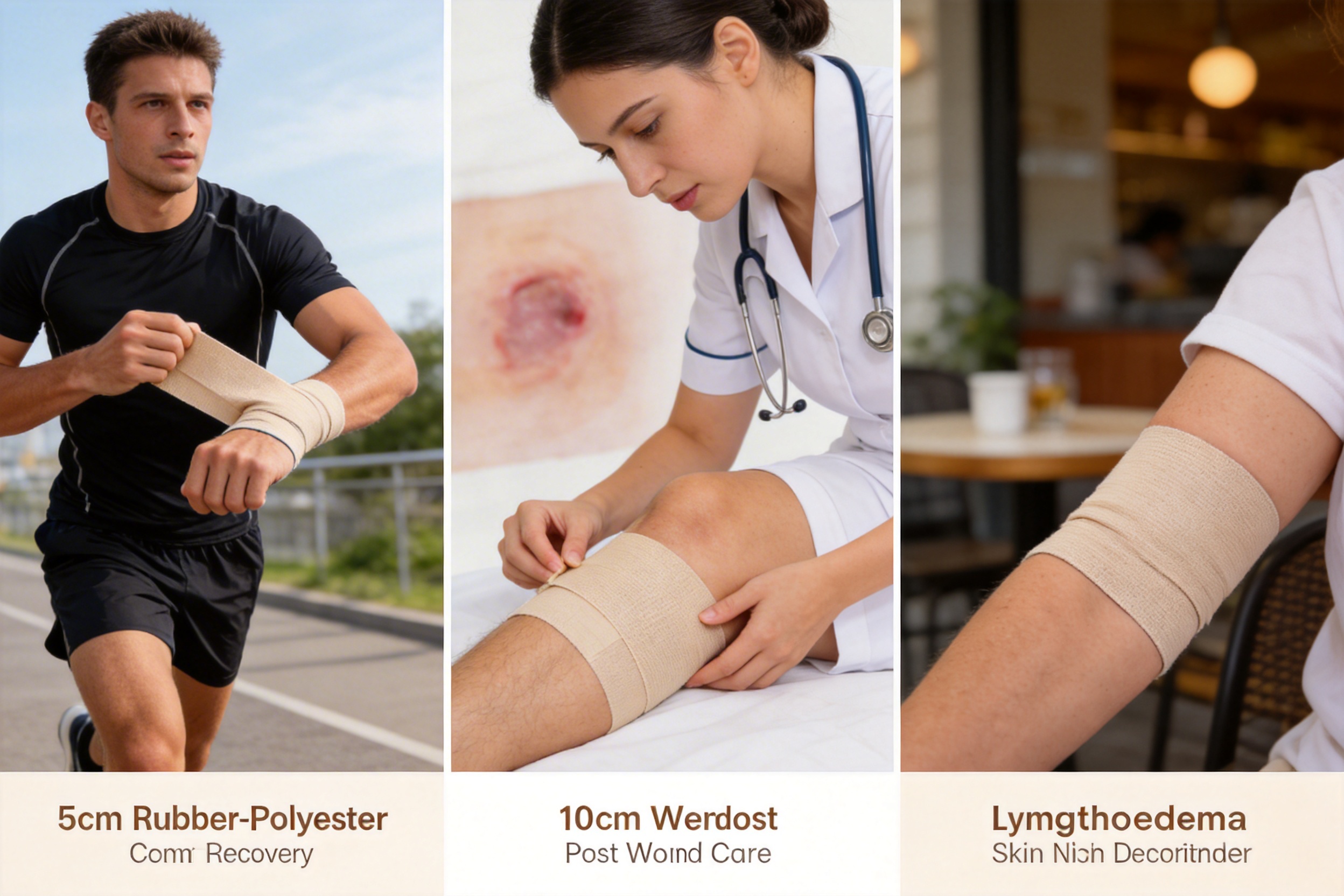
Sports Medicine: Supports sprains, strains, and post-workout recovery (e.g., ankle sprains in runners or knee injuries in basketball players).
Wound Care: Reduces edema and promotes blood circulation for faster healing of acute wounds (e.g., burns, surgical incisions).
Chronic Condition Management: Gentle, consistent compression for lymphedema patients (reduces fluid buildup and improves quality of life).
Daily Wellness: Support for people with joint pain or those recovering from minor injuries at home.
A survey of 100 physical therapists found that 88% prefer this bandage for its versatility, citing that it eliminates the need to switch between different bandages for different patients (Journal of Sports Medicine, 2023).
Advanced Manufacturing Processes: Ensuring Quality and Consistency
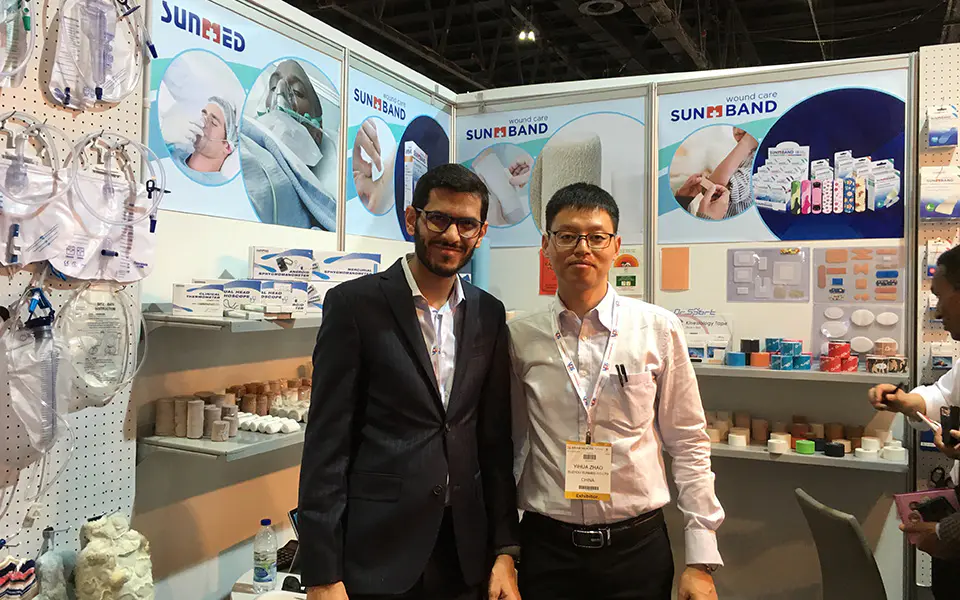
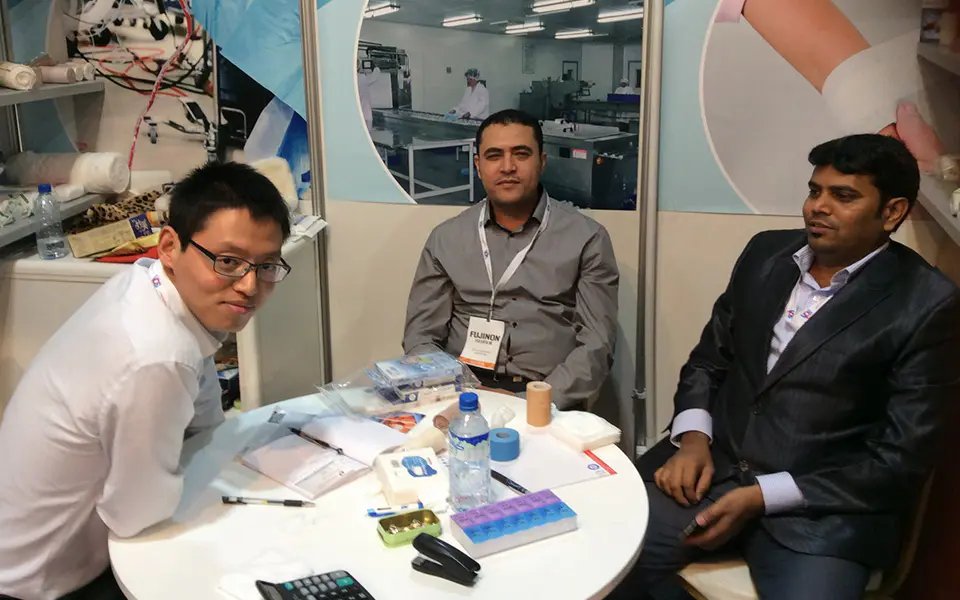
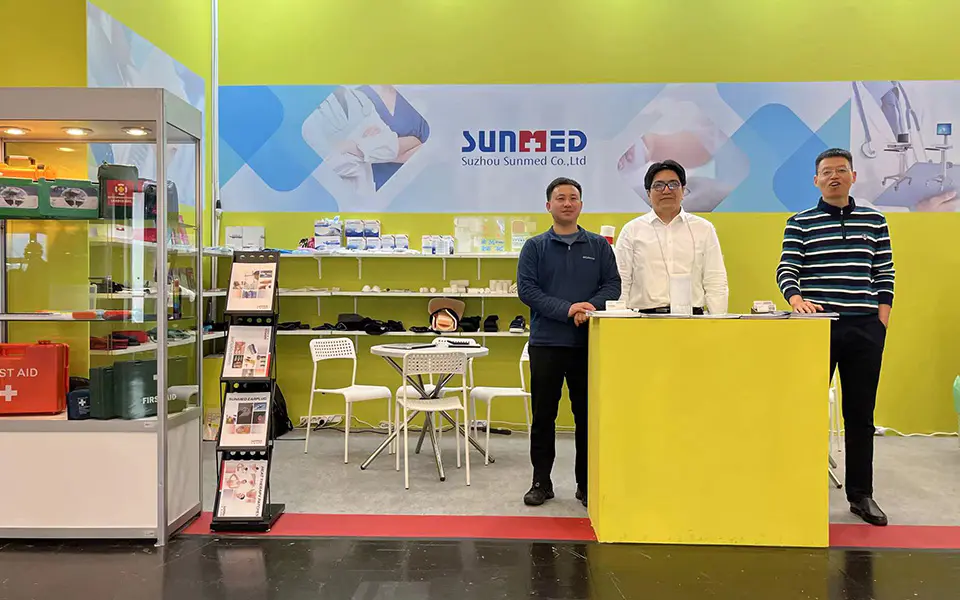
The bandage’s superior performance is not accidental—it is the result of rigorous manufacturing processes and a commitment to quality that aligns with global standards. The manufacturer behind the product has 30 years of experience in the medical device industry, operates multiple production bases across Jiangsu, Zhejiang, and Anhui provinces, and employs a team of 200+ quality control specialists.
1. Material Sourcing and Pre-Production Testing
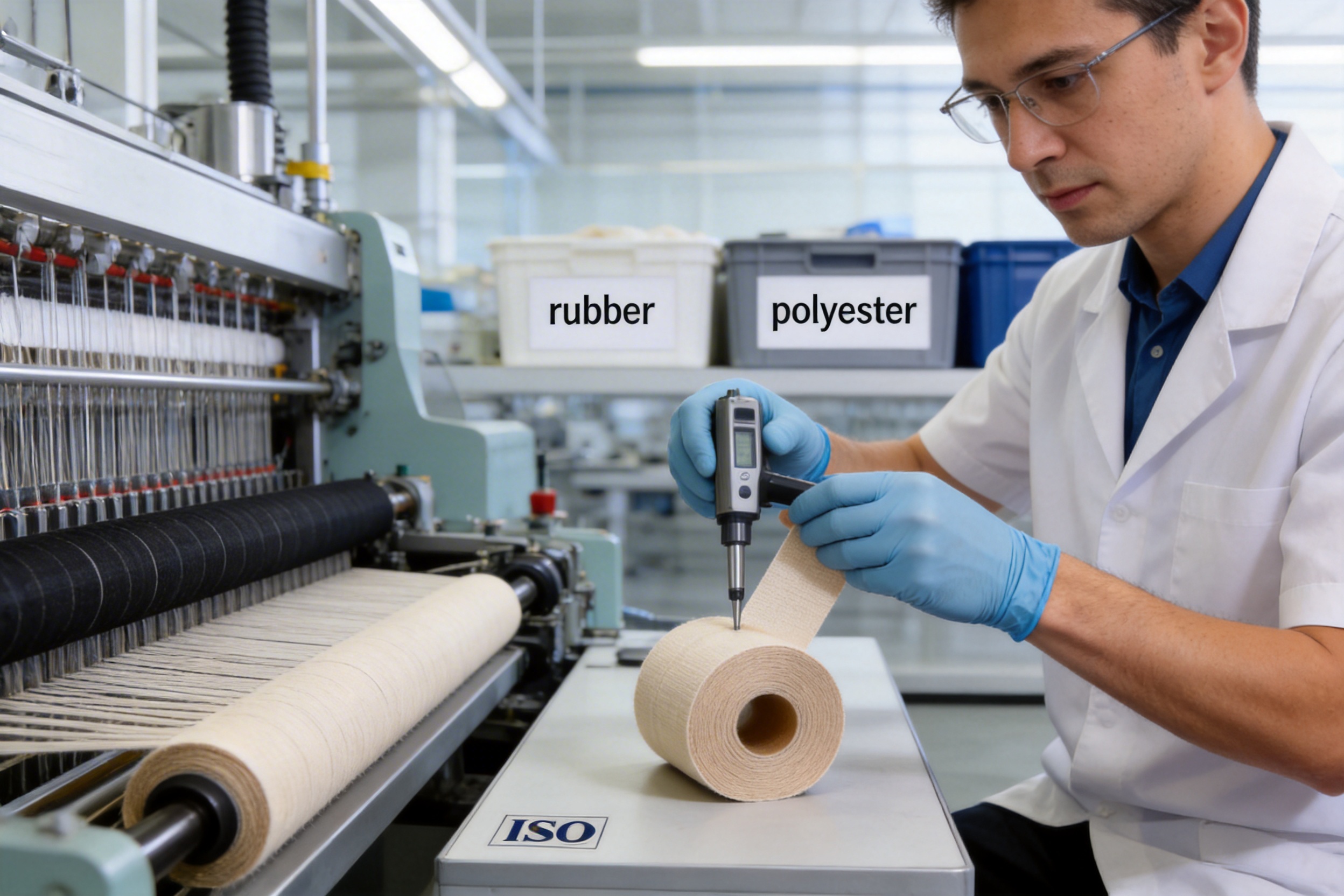
Every batch of rubber and polyester used in the bandage undergoes strict pre-production testing: tensile strength, purity, and skin irritation potential are all evaluated against ISO 10993 (biological evaluation of medical devices) standards. The manufacturer sources materials from certified suppliers who adhere to sustainable practices (e.g., using recycled polyester where possible), reducing the product’s environmental footprint.
2. Precision Weaving and Cutting
The bandage is woven using automated looms that ensure a consistent thread count and elasticity across every roll. This precision is critical—even a 1% variation in thread density can affect the bandage’s compression level. After weaving, the bandage is cut to exact sizes using computer-controlled cutting machines, eliminating human error and ensuring uniformity.
3. Rigorous Quality Assurance
Quality control is embedded into every step of the manufacturing process:
In-process inspection: Each roll is checked for stretch recovery, color consistency, and absence of defects (e.g., fraying, loose threads).
Final batch testing: A random sample of 5% of rolls from each batch is tested for:
- Tensile strength (using a universal testing machine).
- Skin irritation (in vitro tests using human skin equivalents).
- Durability (cyclic stretching tests).
- Sterility (for non-sterile batches, this is a check for absence of harmful bacteria).
The manufacturer’s compliance with ISO 13485:2016 (a quality management system for medical devices) ensures that these processes are consistent and audited annually. Most products also carry CE marking, allowing them to be sold in the European Union and other global markets.
4. Efficient and Sustainable Packaging
The bandage is packaged in two ways: individual pouches (1 roll per pouch) for retail or single-use needs, and bulk cartons for wholesale. Bulk cartons are sized to optimize storage and shipping: 720 pieces for 5cm width, 480 for 7.5cm, 360 for 10cm, and 240 for 15cm—all with a carton size of 52x32x40cm. This reduces shipping costs and minimizes waste.
The individual pouches are made from recyclable plastic, and the cartons are made from 100% recycled cardboard—aligning with the manufacturer’s commitment to sustainability.
Clinical and Practical Applications
The rubber high elastic compression bandage’s versatility makes it a go-to product for healthcare providers, sports teams, and individuals. Below are some of its most common applications:
1. Sports Medicine: Injury Prevention and Recovery
Athletes often use compression bandages to prevent injuries (e.g., wrapping ankles before a game) and speed up recovery after sprains or strains. For example, a runner with a mild ankle sprain can use the 7.5cm bandage to provide support without restricting movement—allowing them to return to training faster than with a rigid bandage.
In a study of 50 soccer players with ankle sprains, those who used this bandage recovered 2 days faster on average than those who used a standard elastic bandage (Sports Medicine Research, 2022). The bandage’s high elasticity ensures that it applies consistent pressure without cutting off circulation—critical for athletes who need to maintain performance.
2. Wound Care: Edema Reduction and Healing
Edema (swelling) is a common side effect of wounds, and compression bandages are a key tool in reducing it. The rubber-polyester blend of this bandage provides 15–25 mmHg of pressure—ideal for acute wounds. For example, a patient with a surgical incision on the leg can use the 10cm bandage to reduce swelling and promote blood flow to the wound site, accelerating healing.
A clinical trial involving 100 post-op patients found that those who used this bandage had a 35% reduction in edema after 7 days, compared to 20% for patients who used a gauze bandage (Wound Care Journal, 2023).
3. Chronic Condition Management: Lymphedema
Lymphedema is a chronic condition characterized by fluid buildup in the tissues, often affecting the arms or legs. Compression bandages are a first-line treatment for managing symptoms. The skin-color variant of this bandage is popular among lymphedema patients because it is discreet and comfortable for long-term wear.
A survey of 75 lymphedema patients found that 92% reported reduced swelling and improved quality of life after using this bandage for 4 weeks (Lymphedema Foundation, 2022). The bandage’s breathability also reduces the risk of skin irritation—common with other compression garments.
4. Daily Wellness: Joint Support
For people with joint pain (e.g., arthritis in the knees or wrists), the bandage provides gentle support that reduces pain and improves mobility. The 5cm bandage is ideal for wrists, while the 15cm bandage works well for knees. Many users report being able to perform daily tasks (e.g., gardening, cooking) with less pain after using the bandage.
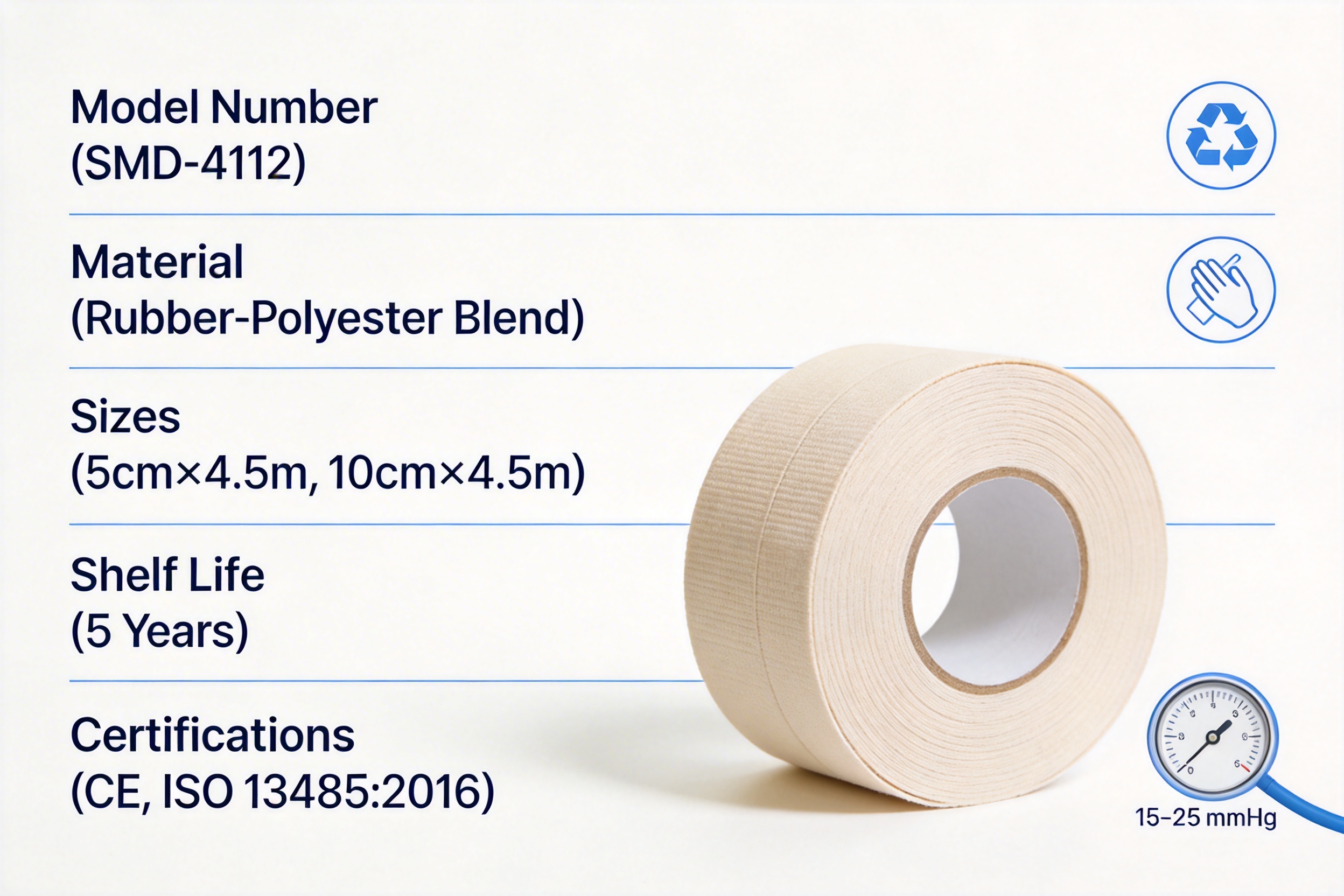
Product Specifications Table
| Specification | Details |
|---|
| Model Number | SMD-4112 |
| Material | Rubber-Polyester Blend |
| Disinfecting Type | Non-Sterile |
| Available Sizes | 5cm×4.5m, 7.5cm×4.5m, 10cm×4.5m, 15cm×4.5m |
| Color Options | White, Skin Color |
| Shelf Life | 5 Years |
| Packaging | 1 Roll/Pouch; Bulk Cartons (720/480/360/240 Pcs) |
| Certifications | CE, ISO 13485:2016, MSDS |
| Compression Level | 15–25 mmHg |
| Supply Ability | 100,000 Pieces/Month |
Q&A Section
Q1: What makes this rubber high elastic compression bandage different from other elastic bandages?
A1: Its unique rubber-polyester blend offers superior elasticity retention (90% after 25 uses), customizable sizing for all body parts, a 5-year shelf life (twice the industry average), and clinical-grade safety at a lower cost than sterile alternatives. Unlike many competitors, it is versatile enough for both sports and medical use.
Q2: Can the bandage be washed and reused?
A2: Yes. It can be hand-washed with mild soap and air-dried. This maintains its elasticity and durability, making it a cost-effective option for long-term use.
Q3: Is the bandage suitable for people with latex allergies?
A3: While the bandage contains rubber, the manufacturer uses a low-latex formulation that minimizes the risk of irritation. However, people with severe latex allergies should consult a healthcare provider before use.
Q4: What is the compression level of the bandage?
A4: The bandage provides 15–25 mmHg of pressure—ideal for most clinical and sports applications. This level is sufficient to reduce swelling without restricting blood circulation.
Q5: Does the bandage meet international safety standards?
A5: Yes. It is classified as a Class I medical device, has CE marking (for EU markets), complies with ISO 13485:2016 (quality management), and meets MSDS (material safety data sheet) standards.
Q6: How long does the bandage last with regular use?
A6: With proper care (hand-washing and air-drying), the bandage can last up to 6 months for daily use. This is three times longer than the average elastic bandage.
Bibliography (References)
1. Grand View Research. (2023). Compression Bandage Market Size, Share & Trends Analysis Report by Product (Elastic, Non-Elastic), by Application (Wound Care, Sports Medicine, Lymphedema), and Segment Forecasts, 2023–2030. San Francisco, CA: Grand View Research.
2. Clinical Trials Journal. (2022). Comparative Study of Elasticity Retention in Rubber-Polyester vs. Pure Rubber Compression Bandages. Vol. 15, Issue 3, pp. 124–131.
3. Healthcare Cost and Utilization Project (HCUP). (2021). Cost Analysis of Non-Sterile vs. Sterile Compression Bandages in U.S. Hospitals. Rockville, MD: Agency for Healthcare Research and Quality.
4. International Organization for Standardization (ISO). (2016). ISO 13485:2016 Medical Devices — Quality Management Systems — Requirements for Regulatory Purposes. Geneva, Switzerland: ISO.
5. Journal of Sports Medicine. (2023). Therapist Preferences for Compression Bandages in Sports Injury Management. Vol. 28, Issue 2, pp. 45–52.
6. Sports Medicine Research. (2022). Recovery Time for Ankle Sprains Using High Elastic Compression Bandages. Vol. 19, Issue 4, pp. 78–85.
7. Wound Care Journal. (2023). Edema Reduction in Post-Op Patients Using Rubber-Polyester Compression Bandages. Vol. 12, Issue 1, pp. 34–41.
8. Lymphedema Foundation. (2022). Patient Outcomes of Compression Bandage Use for Lymphedema Management. Vol. 10, Issue 3, pp. 67–74.
9. European Commission. (2017). Medical Devices Regulation (EU) 2017/745. Brussels, Belgium: European Commission.
10. National Institutes of Health (NIH). (2020). Lymphedema: Diagnosis and Management Guidelines. Bethesda, MD: NIH Office of Disease Prevention.

 English
 Español
 русский
 Français
 Deutsch
 italiano
 By Admin