The big toe absorbs more mechanical stress than any other digit on the foot. During the push-off phase of walking, it bears up to 40 percent of the body’s total propulsive force. During running, that figure increases substantially. This combination of pressure, friction, and heat makes the big toe disproportionately vulnerable to blisters — and once a blister forms, it turns every subsequent step into a source of pain that compromises movement, performance, and daily comfort.
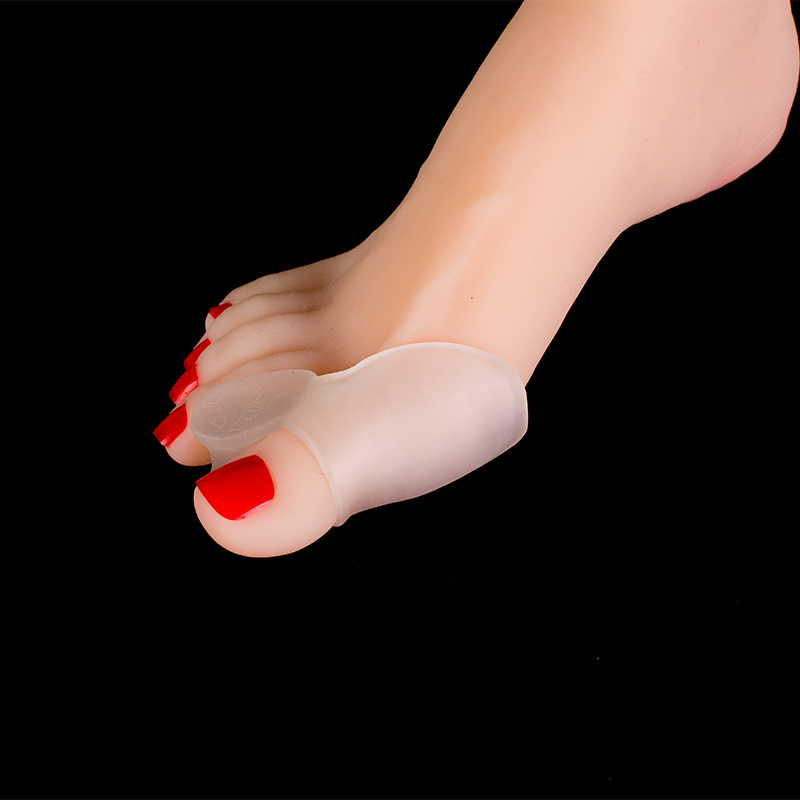
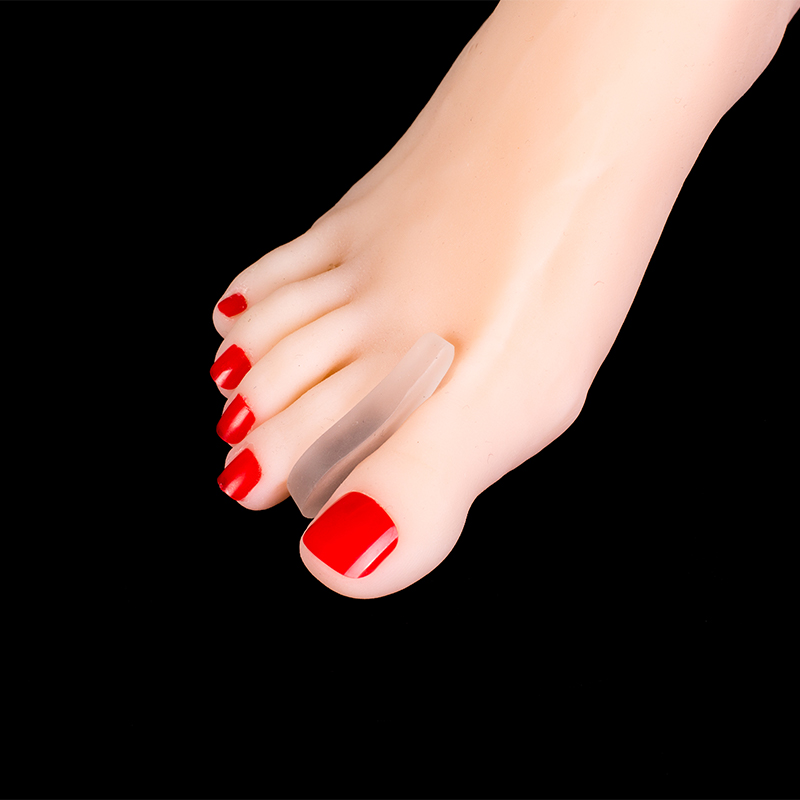
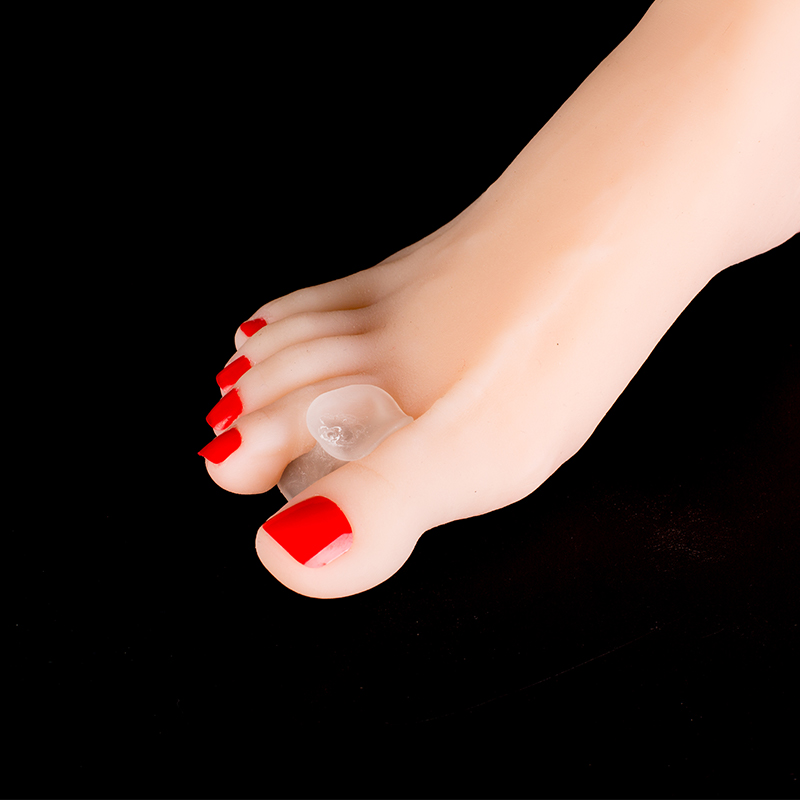
Gel protectors designed specifically for the big toe have become one of the most practical and widely recommended solutions in the foot care market, both for blister prevention and for post-blister protection during healing. Among the most effective variants are breathable gel big toe protectors — a design refinement that addresses one of the key limitations of earlier silicone and gel products. Manufacturers like Suzhou Sunmed Gel Protectors have developed these products with a precise understanding of how toe anatomy, friction mechanics, and moisture management interact to determine outcomes.
Why the Big Toe Is Especially Prone to Blisters
Blisters form when repetitive friction between the skin and an adjacent surface causes the outer layers of skin to separate, creating a fluid-filled pocket. Three conditions accelerate this process: heat, moisture, and pressure. The big toe experiences all three in concentrated form.
The big toe’s medial surface — the inner edge — is particularly exposed to friction from the upper of a shoe during the gait cycle, especially in footwear that fits narrowly or has stiff seams near the toe box. The dorsal surface (top of the toe) is subject to friction when the shoe’s toe cap is low or the foot swells during prolonged activity. The nail margin is another frequent blister site, particularly in runners with downhill exposure or athletes in court sports who experience repeated braking forces.
Moisture dramatically reduces the skin’s resistance to friction. When perspiration accumulates inside a shoe, the skin softens and tears more easily under the same mechanical load that dry skin would tolerate. Tight shoes, poor moisture management, and synthetic liners that trap heat all compound the problem. This is precisely why breathability is not merely a comfort feature in a gel protector — it is a functional requirement for effective blister prevention.
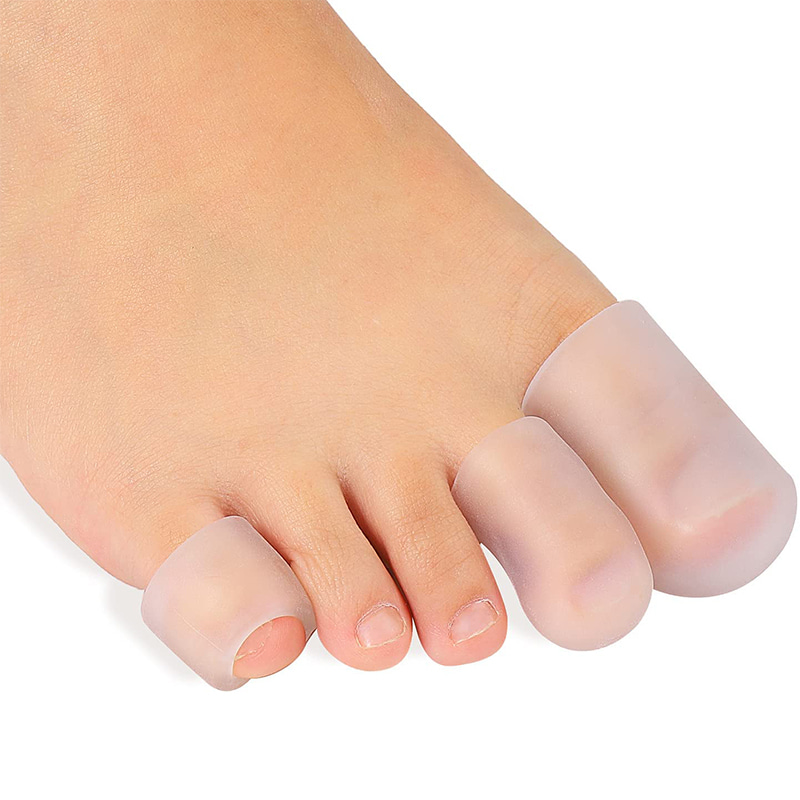
How Gel Protectors Work: The Mechanics of Protection
A gel big toe protector functions through three overlapping mechanisms. Understanding each one helps clarify why material selection and design matter as much as the simple act of covering the toe.
Friction reduction is the primary mechanism. The gel surface — typically mineral oil-infused silicone or polyurethane gel — creates a low-friction interface between the toe and the shoe’s interior. Instead of skin-against-fabric, the contact becomes gel-against-fabric, dramatically reducing the shear forces responsible for blister formation. High-quality gel from manufacturers like Suzhou Sunmed Gel Protectors is formulated to maintain this low-friction surface over extended wear, rather than drying out or stiffening with use.
Pressure distribution is the secondary mechanism. The gel’s viscoelastic properties allow it to deform under localized pressure and redistribute that force across a wider surface area. A bony prominence, a tight shoe seam, or a corn on the toe joint creates a point of concentrated stress — gel absorbs and spreads that stress so that no single point of skin reaches the threshold for tissue damage.
Thermal and moisture management is where breathable gel protectors distinguish themselves from conventional solid silicone sleeves. Standard silicone is impermeable — it traps heat and perspiration against the skin, which accelerates the very moisture-related skin softening that makes blisters more likely. Breathable gel protectors incorporate perforations, open-cell gel structures, or moisture-wicking fabric panels that allow air circulation and vapor transmission. The skin beneath stays drier and cooler, maintaining its structural resilience throughout the day.
Breathable vs. Standard Gel Protectors: A Practical Comparison
| Feature |
Standard Silicone Protector |
Breathable Gel Protector |
| Friction reduction |
Good |
Excellent |
| Pressure distribution |
Good |
Excellent |
| Moisture management |
Poor (traps sweat) |
Good (allows vapor escape) |
| Heat buildup |
High |
Low to moderate |
| Comfort over extended wear |
Decreases over time |
Maintained throughout |
| Skin condition under protector |
May macerate with prolonged use |
Remains drier and healthier |
| Ideal use duration |
Short periods |
All-day and athletic wear |
| Suitability for active users |
Limited |
Strong |
The breathability advantage becomes particularly significant in two contexts: athletic activities where foot temperature and perspiration are high, and occupational use where the protector must be worn for a full workday without removal. In both cases, a standard non-breathable silicone sleeve that traps moisture can leave the skin in worse condition than it started, negating the friction reduction benefit.
Design Features That Define a High-Quality Big Toe Gel Protector
Not all gel protectors marketed as “breathable” deliver equivalent performance. Several specific design and material characteristics separate clinically effective products from those that are breathable in name only.
Perforation pattern and density. Breathability in gel protectors is typically achieved through a pattern of small perforations in the gel body or through integrated fabric panels on the dorsal surface. The size, spacing, and distribution of perforations affect how much air circulation actually reaches the skin. Products from Suzhou Sunmed Gel Protectors are engineered with perforation geometries that maximize vapor transmission without compromising the structural integrity or pressure distribution properties of the gel.
Gel compound formulation. The gel must remain soft and conforming across a range of temperatures — body heat, warm footwear environments, and varying ambient conditions. Low-quality gel compounds stiffen at moderate temperatures or become tacky, both of which increase friction rather than reducing it. Professional-grade mineral oil-infused gel maintains its rheological properties consistently, which is a key reason to prioritize reputable manufacturers.
Toe sleeve fit and sizing. The protector should enclose the big toe without constricting it. Excess tightness increases local pressure and can impair circulation. A sleeve that is too loose migrates during activity, bunches up, and creates new friction points. Quality products are sized accurately and use gel formulations with sufficient elasticity to conform to anatomical variation without pressure.
Full-coverage design. The most effective big toe protectors cover not just one surface of the toe but wrap around it — protecting the medial edge, the dorsal surface, and optionally the distal tip. This is important because blisters do not always form where predicted; coverage of the full circumference ensures protection regardless of where shoe contact stress is highest.
Durability and washability. A quality gel protector should be washable, quick-drying, and reusable over an extended period without degrading. The gel should not delaminate from any fabric panels, and the material should not tear at the perforation margins with repeated use.
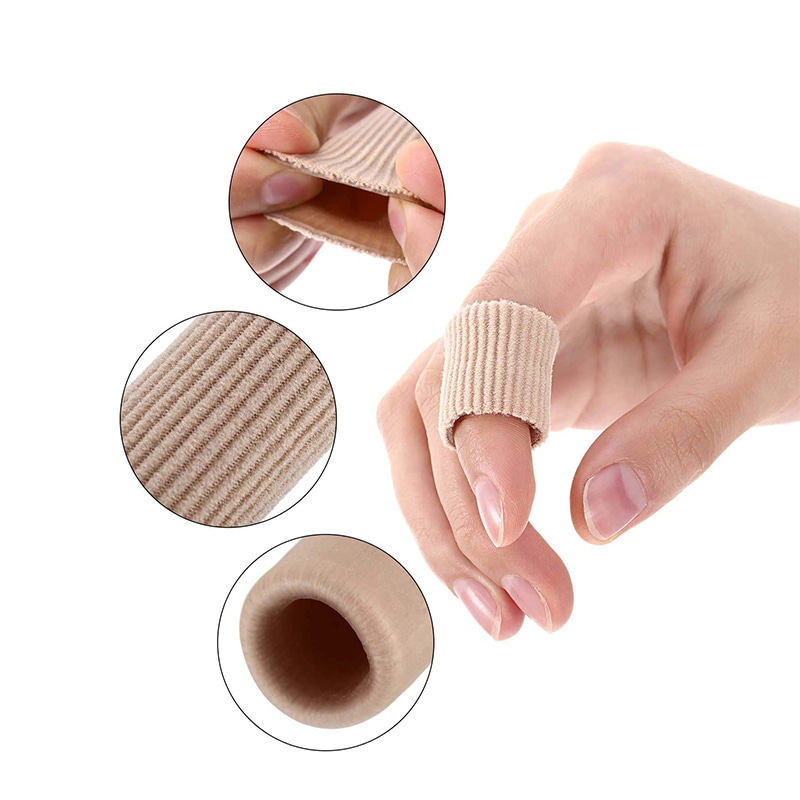
Specific Use Cases: When to Reach for a Gel Big Toe Protector
Gel big toe protectors address a range of situations that go beyond acute blister management. Understanding the breadth of their application helps users get more consistent value from the product.
New footwear break-in. New shoes — particularly leather dress shoes, hiking boots, and athletic footwear with stiff construction — create concentrated friction zones during the break-in period before the material conforms to the foot’s shape. Wearing a gel protector during this phase prevents blister formation entirely rather than managing it after the fact.
High-mileage running and hiking. Endurance athletes are acutely aware of how a single blister can end a race or a long-distance hike. Gel protectors are a standard preventive measure for runners logging 15 or more miles per week and for hikers undertaking multi-day routes. The breathable design is essential in these contexts due to sustained high foot temperatures.
Post-blister protection during healing. Once a blister has formed, the priority shifts to protecting the damaged skin from further friction while allowing healing to proceed. A breathable gel protector creates a cushioned, low-friction environment around the injury without sealing moisture against the wound, which supports faster epithelial recovery.
Bunion and hallux valgus management. The bony prominence created by a bunion at the base of the big toe is a chronic source of shoe friction and pressure. Gel protectors designed to cover the medial aspect of the big toe provide ongoing pressure relief for bunion sufferers, reducing pain during walking and preventing the skin breakdown that commonly develops over bunion deformities.
Post-surgical toe protection. Following nail procedures or soft tissue surgeries on the big toe, a breathable gel protector shields the healing area from incidental contact while allowing the air circulation needed for wound healing.
Getting the Best Results: Usage and Care Guidance
Even a well-designed product delivers inconsistent results without correct usage habits. A few practical points ensure the protector performs as intended.
The protector should be positioned so that the gel layer covers the specific area of anticipated friction — medial edge for inward shoe contact, dorsal surface for low toe box pressure, or full circumference for comprehensive protection. Once positioned, it should sit flush against the skin without wrinkles or air gaps, which create localized pressure points.
For athletic use, the protector should be applied to clean, dry skin before putting on socks. Applying it over damp skin reduces adhesion and allows migration during activity. After use, rinse the protector in warm water with mild soap, allow it to air dry fully before storage, and inspect the gel surface and perforation margins for signs of tearing or degradation.
Replace the protector when the gel loses its soft, conforming texture, when perforations show signs of tearing, or when the sleeve no longer holds its shape correctly on the toe. For daily users, this typically means replacement every two to three months.
Why Manufacturer Expertise Matters in Gel Protector Selection
The difference between a gel protector that genuinely prevents blisters and one that merely delays them often comes down to the precision of the gel formulation and the accuracy of the anatomical design. Suzhou Sunmed Gel Protectors approaches this product category as a foot care engineering challenge — selecting gel compounds for specific friction and pressure characteristics, developing anatomically accurate sleeve geometries, and designing breathability features that perform under real-world conditions of heat, moisture, and sustained mechanical stress.
For consumers and B2B buyers alike, this level of category specialization is the most reliable indicator of a product that will perform consistently across its intended lifespan. The big toe does too much work — and takes too much punishment — to trust its protection to a generic silicone sleeve that was never designed with its specific biomechanical demands in mind.

 English
 Español
 русский
 Français
 Deutsch
 italiano
 By Admin