A well-designed first aid box is more than a container. It is an essential part of emergency preparedness, workplace safety, household care, outdoor activity planning, and professional medical organization. The Waterproof Green Empty Plastic First Aid Box with Hook and Divider is designed to provide a practical, durable, and flexible storage solution for first aid supplies. Its strong plastic construction, secure closure, optional wall hook, optional internal divider, and choice of two sizes make it suitable for many environments where medical supplies must remain protected, visible, and easy to access.
Unlike a basic storage case, this empty first aid box is designed around the daily needs of first aid suppliers, hospitals, clinics, workplaces, schools, sports organizations, retailers, and families. It can be filled according to the user’s specific requirements, allowing buyers to select the dressings, gauze, medical tape, plasters, gloves, scissors, antiseptic products, and other supplies most appropriate for their application. This flexibility can reduce unnecessary contents, simplify inventory management, and make the case suitable for different national or institutional first aid standards.
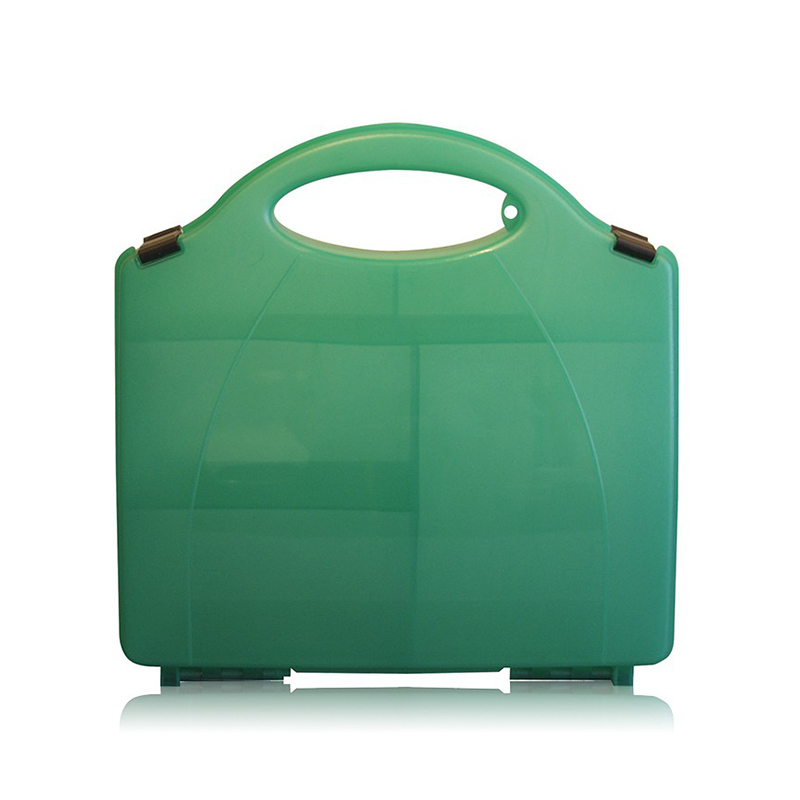
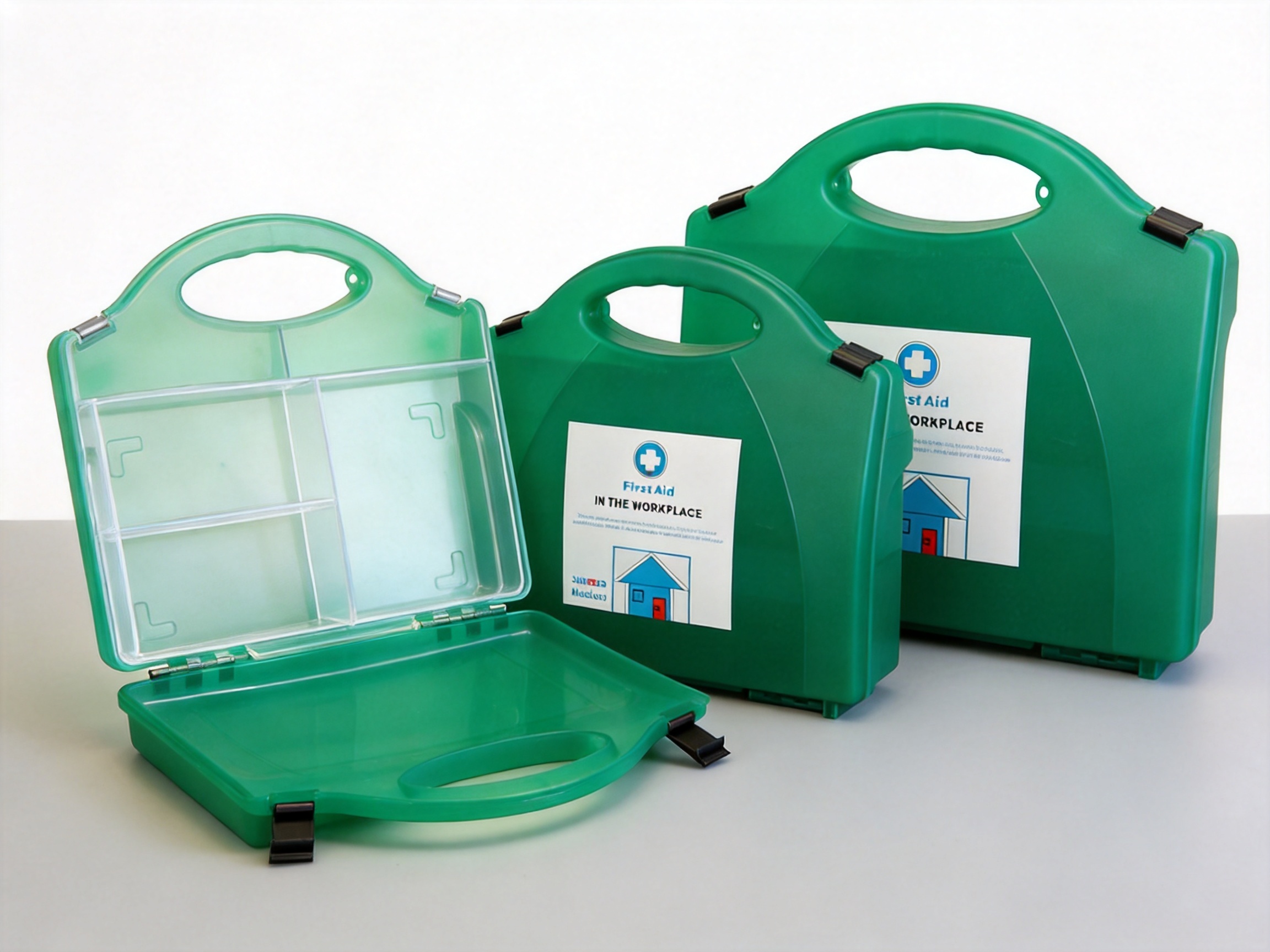
The product is identified by model DC660910 and is available in Size M and Size L. The medium version measures 28 x 27 x 9.5 cm, while the large version measures 34 x 28 x 10 cm. Both versions are made from highly impact-resistant plastic and are available in green, with other colors customizable according to production requirements. Optional accessories include a black plastic wall hook, a transparent plastic divider, and a wall bracket.
Why the First Aid Box Matters
Emergency supplies are useful only when they are protected, organized, and available at the right moment. A first aid box that is difficult to carry, poorly organized, or vulnerable to dust and moisture can delay treatment and increase the possibility of damaged or misplaced supplies. The DC660910 addresses these practical concerns with a portable case format, a hand-friendly handle, flap-button closure, and protection against damp conditions and dust.
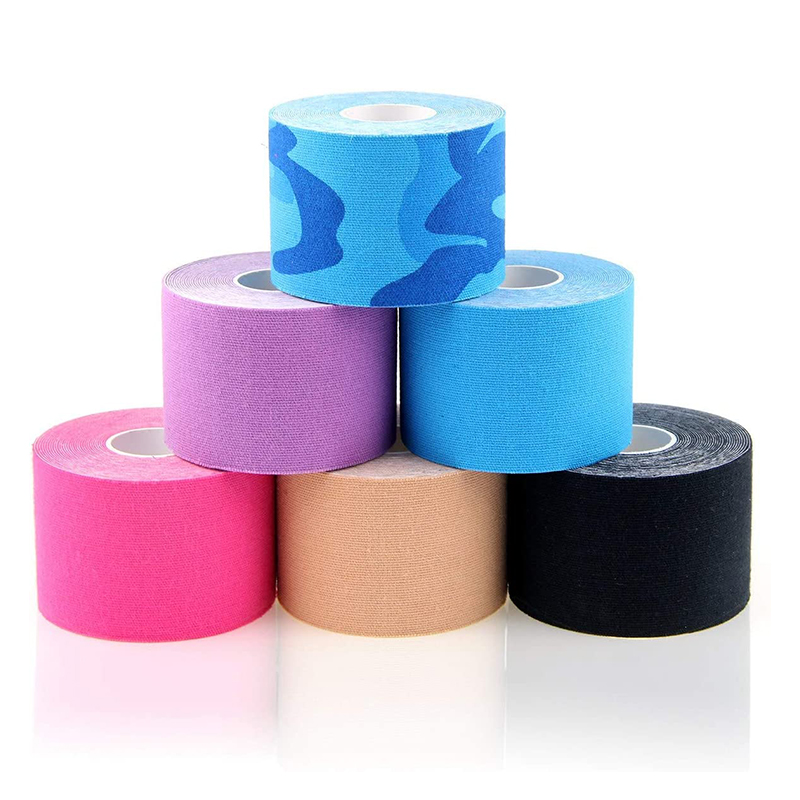
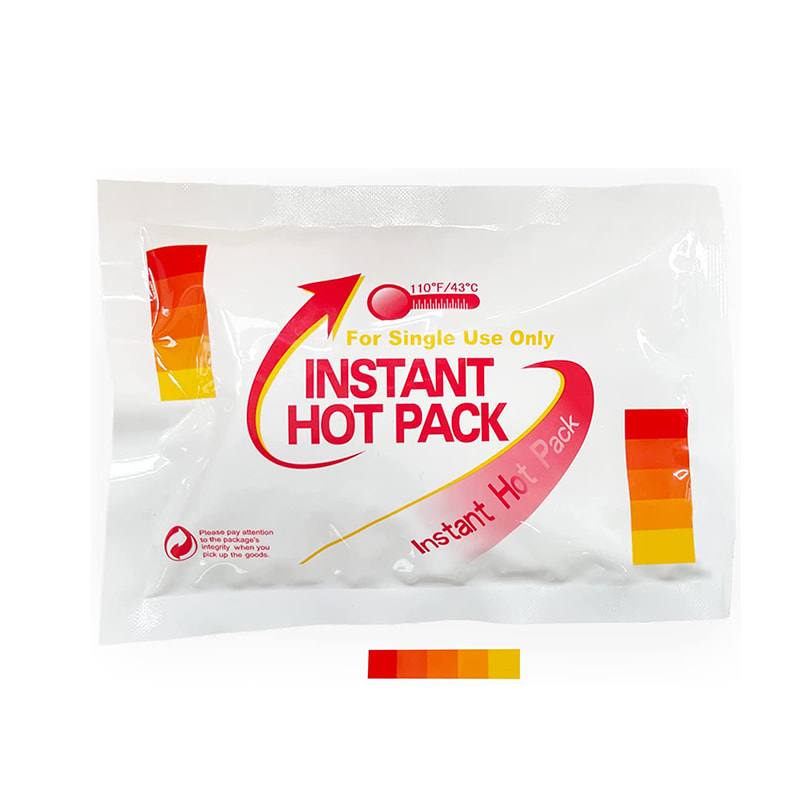
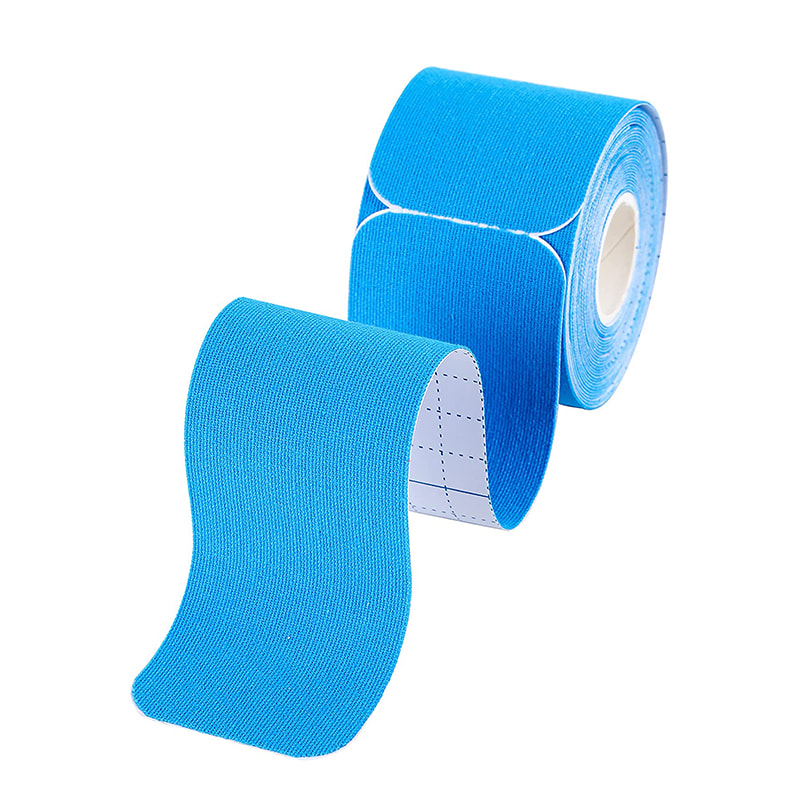
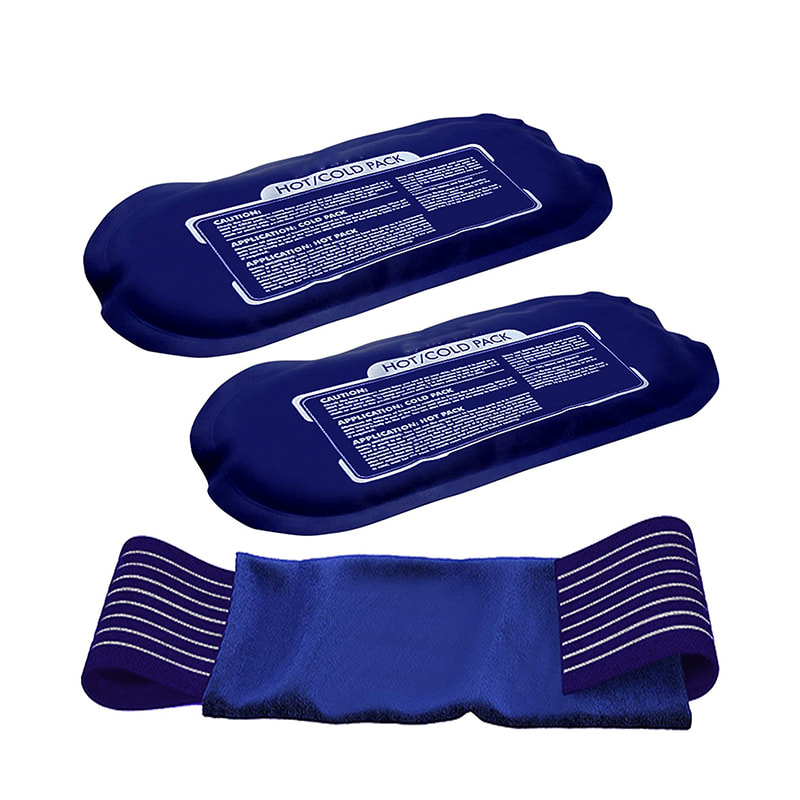
In a home environment, the box can hold everyday wound-care products, adhesive bandages, sterile gauze, cotton products, cleansing wipes, medical tape, disposable gloves, and small first aid instruments. In a workplace, it can be stocked for minor injuries, cuts, abrasions, burns, and other common incidents. Sports teams and outdoor organizations can use it to store athletic tape, cohesive bandages, cold packs, wound dressings, and protective accessories. Retailers and first aid suppliers can also purchase the empty case in volume and create customized kits for different customer groups.
The empty design is especially valuable for organizations that already have preferred medical consumables. Rather than purchasing a pre-filled kit with standardized contents, a buyer can select products based on local regulations, workplace risk assessments, sport-specific needs, or customer preferences. The same case can therefore support multiple kit configurations without requiring a completely different package design.
Product Overview
The DC660910 is a portable plastic first aid case designed for storage, transport, and optional wall-mounted access. Its green appearance provides a clear visual identity associated with first aid and emergency readiness. The case has a practical rectangular form that supports efficient use of storage space in cabinets, vehicles, shelves, medical rooms, staff areas, and retail displays.
| Item | Specification |
|---|
| Product type | Empty plastic first aid box |
| Model | DC660910 |
| Material | Highly impact-resistant plastic |
| Color | Green; other colors customizable |
| Size M | 28 x 27 x 9.5 cm |
| Size L | 34 x 28 x 10 cm |
| Closure | Plastic flap-button closure |
| Handle | Special hand-fitting handle design |
| Protection | Damp- and dust-resistant design |
| Optional accessories | Wall hook, transparent divider, wall bracket |
| Minimum order quantity | 500 pieces |
The combination of compact dimensions and practical capacity makes the case adaptable to both personal and institutional use. The medium size may be suitable for households, small offices, vehicles, and compact emergency stations. The large size provides additional space for workplaces, sports organizations, schools, industrial sites, and distributors that need a broader range of supplies.
Impact-Resistant Plastic Construction
One of the most important advantages of the DC660910 is its highly impact-resistant plastic case. First aid boxes are often moved, placed in vehicles, stored on shelves, or carried to an incident area. A fragile container may crack or become difficult to close after repeated handling. A strong plastic case is better suited to the demands of regular use, transportation, and storage.
Impact resistance also supports the long-term value of the product. A durable box can be opened and closed repeatedly without becoming immediately unusable. It can help protect its contents from accidental knocks, contact with nearby equipment, and ordinary handling during emergency preparation. This is particularly important in workplaces, sports facilities, warehouses, construction areas, and other environments where equipment may be exposed to movement and vibration.
Compared with thin disposable packaging or soft fabric pouches, a rigid plastic case offers greater structural support. It is less likely to collapse when placed under other items and can provide a more stable enclosure for medical supplies. Compared with ordinary household containers, it offers a more purpose-oriented design, including a dedicated handle, optional organization features, and a first aid-oriented appearance.
The selected plastic construction also allows the box to be cleaned more easily than many porous storage materials. Users should follow their own institutional cleaning procedures and avoid chemicals or temperatures that may damage the plastic. With appropriate care, the smooth case format can support routine maintenance and help preserve a professional appearance.
Damp and Dust Protection
First aid supplies must be kept as clean and dry as possible before use. Dust, moisture, and environmental contamination can affect packaging, labels, adhesive products, and other stored materials. The DC660910 is designed to be damp- and dust-resistant, adding an important layer of protection compared with open trays, cardboard boxes, or loosely closed bags.
This protective feature is useful in many locations. A household box may be stored in a kitchen, garage, bathroom cabinet, or vehicle. A workplace box may be placed in a warehouse, workshop, production area, or maintenance room. An outdoor or sports organization may move the box between training grounds, competition venues, and transport vehicles. In each case, a closed plastic enclosure helps separate the contents from everyday dust and minor environmental exposure.
The product should not be interpreted as a pressure-tested or fully submersible waterproof container unless a specific technical certification states otherwise. Its damp- and dust-resistant design is intended to improve everyday protection and storage performance. Users should still avoid prolonged exposure to rain, standing water, high humidity, or extreme temperatures and should inspect the case and its contents regularly.
Secure Plastic Flap-Button Closure
The plastic flap-button closure is designed to keep the case closed during storage and transport. A reliable closure helps prevent the lid from opening accidentally when the box is moved, carried, or stored in a vehicle. It also helps maintain the separation between the contents and the outside environment.
The closure is practical for frequent use because it can be opened quickly when supplies are needed and closed again after restocking. This balance between accessibility and security is important in emergency equipment. A closure that is too complicated may slow access, while a loose closure may allow products to fall out or the box to open during movement.
For institutional users, the closure can also support routine inspection. Staff members can open the case to check expiration dates, replace used products, and confirm that the contents match the organization’s first aid list. After inspection, the box can be closed and returned to its assigned location.
Ergonomic Handle for Easier Carrying
The special handle design is shaped to fit the hand and support a secure grip. This detail can make a meaningful difference when the box must be carried quickly from a storage area to an incident location. A handle that is difficult to hold may cause discomfort, reduce control, or increase the risk of dropping the case.
The handle supports both routine transportation and emergency response. It can be used by office personnel, teachers, coaches, first aid attendants, warehouse staff, parents, or caregivers. The compact case format also allows the box to be moved with one hand while the other hand remains available to open a door, carry additional equipment, or assist another person.
Ergonomic handling is also valuable for distributors and retailers. A well-balanced case is easier to demonstrate, pack, move, and organize in storage. When customers evaluate an empty first aid box, the handle provides a direct and visible indication that the product has been designed for practical use rather than simple storage alone.
Waterproof Green Empty Plastic First Aid Box with Hook and Divider
Optional Wall Hook and Wall Bracket
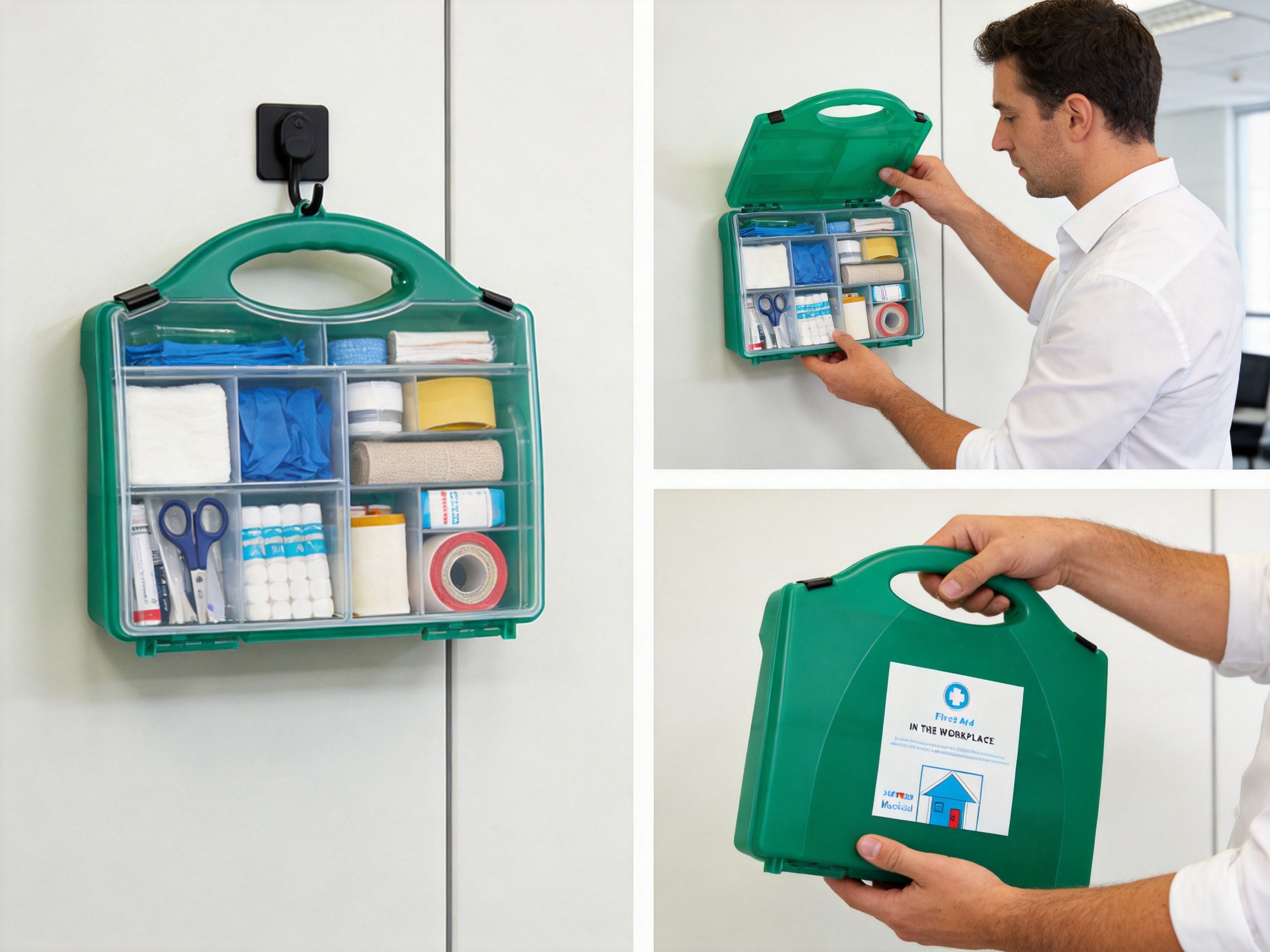
The DC660910 can be supplied with optional wall-mounted accessories, including a black plastic wall hook and a wall bracket. These accessories allow users to adapt the box to different storage arrangements. A portable case can be placed on a shelf or carried in a vehicle, while a wall-mounted case can remain in a clearly identified and consistently accessible location.
Wall mounting is particularly useful in offices, schools, factories, sports centers, clinics, laboratories, warehouses, and public facilities. When the first aid box is positioned at a known height and location, employees and visitors can find it more quickly. Wall storage can also reduce the risk of the case being hidden behind other objects or accidentally moved to an unauthorized location.
The wall hook and bracket are optional, which gives buyers greater flexibility. Customers who need a portable kit can order the case without wall accessories. Customers who require fixed storage can select the appropriate accessory configuration. This modular approach is more efficient than forcing every user to purchase the same package.
Before mounting the box, users should confirm that the wall surface, fasteners, and installation method can support the case and its contents. The mounting position should be easy to reach, clearly marked, free from obstruction, and protected from excessive heat or moisture. Installation should follow the instructions supplied with the selected accessory.
Optional Transparent Internal Divider
The optional transparent plastic divider helps create separate sections inside the case. Internal organization is important because first aid supplies often vary in size, shape, and frequency of use. Small adhesive bandages, rolls of medical tape, gauze pads, gloves, scissors, cotton products, and cold therapy items can become mixed together in an undivided container.
A divider can help users organize supplies by type or purpose. For example, wound-care products may be placed in one section, protective equipment in another, and instruments or reusable accessories in a third area. A sports kit may separate athletic tapes and support products from general first aid materials. A household kit may place frequently used adhesive bandages in a readily accessible section while keeping larger dressings and backup supplies in another.
The transparent material allows users to see the internal arrangement more easily than an opaque divider. This can assist with quick visual checks and make restocking more efficient. It also helps customers create a more professional presentation when the box is displayed in a retail or institutional setting.
The divider is optional because not every application requires internal separation. Some users may prefer one open compartment for larger supplies, while others may need greater flexibility for custom configurations. The ability to choose the divider allows the case to serve both simple and more structured storage needs.
Two Size Options for Different Applications
Medium Size
The medium version measures 28 x 27 x 9.5 cm. Its compact dimensions are suitable for homes, small offices, vehicles, classrooms, personal emergency supplies, and limited-space storage areas. It can hold a practical selection of basic first aid products without taking up excessive room.
Small businesses may use the medium case in reception areas, staff rooms, delivery vehicles, or maintenance stations. Sports participants may carry it to training sessions or local events. Families may keep it in a hallway cabinet, car trunk, travel bag, or home emergency area.
Large Size
The large version measures 34 x 28 x 10 cm. The additional dimensions provide more room for organizations that need a broader selection of medical consumables. It may be suitable for factories, construction sites, schools, sports clubs, warehouses, laboratories, and professional first aid distributors.
The large case can accommodate more categories of products or larger quantities of frequently used items. It may also be useful where multiple people are responsible for restocking and where a clear internal layout is needed. When combined with the divider and wall bracket, it can function as a stable emergency station in a workplace or public facility.
| Application | Suggested size | Potential contents |
|---|
| Household and personal use | Medium | Adhesive bandages, gauze, medical tape, gloves, wipes, scissors |
| Vehicle and travel use | Medium | Compact wound-care supplies, protective gloves, dressings, tape |
| Small office or classroom | Medium | Basic first aid products for minor cuts, abrasions, and everyday incidents |
| Sports team or training group | Medium or Large | Athletic tape, cohesive wraps, cold therapy, wound dressings, gloves |
| Factory or warehouse | Large | Expanded wound-care supplies, PPE, gauze, tape, dressings, instruments |
| Clinic or institutional first aid station | Large | Organized medical consumables selected according to local requirements |
Advantages Over Conventional Storage Solutions
The DC660910 offers several practical advantages over ordinary cardboard cartons. Cardboard can absorb moisture, lose strength, deform under pressure, and become difficult to clean. A rigid plastic case provides better resistance to everyday handling and can be reused for long-term storage. Its flap-button closure also gives more protection than an open carton or loosely folded packaging.
Compared with fabric bags, the plastic case provides greater structural stability. Fabric cases may be convenient for carrying but can become compressed, allowing contents to shift or become difficult to locate. The rigid box maintains its shape and offers a more consistent internal space. The optional divider further improves organization.
Compared with generic household storage containers, the product is more specifically adapted to first aid needs. The green color supports quick recognition, the handle supports rapid carrying, and the optional wall accessories allow the box to become part of a fixed emergency station. These features create a more coherent solution for professional and institutional users.
Compared with pre-filled kits, the empty format provides more control over the contents. A buyer can select supplies according to workplace hazards, regional standards, customer preferences, or brand requirements. This is particularly beneficial for wholesalers, private-label customers, and organizations that already purchase medical consumables through established supply channels.
Compared with low-cost cases made from thin plastic, the impact-resistant construction is designed to offer greater durability. A lower purchase price does not always mean lower total cost if the container breaks, becomes difficult to close, or requires frequent replacement. A robust reusable case can provide better value over its service life, especially in high-use environments.
Flexible Customization for Wholesale Buyers
The product is available in green, while other colors can be customized. Color customization can support private-label programs, corporate identity, institutional coding systems, or retail differentiation. Buyers may select a standard green version for clear first aid recognition or discuss alternative colors for specific product lines and market requirements.
Customization may also involve the configuration of accessories. Depending on the purchasing program, customers may request the case with a wall hook, transparent divider, wall bracket, or a selected combination. Buyers should confirm available options, packaging requirements, artwork, labeling, and production schedules before placing an order.
The empty case can support different finished-product strategies. A distributor may sell it as a standalone storage box. A first aid supplier may fill it with a standard workplace kit. A sports retailer may create a dedicated athletic care package. A supermarket or pharmacy chain may use it for a family emergency set. This adaptability enables one basic product platform to serve multiple commercial channels.
The minimum order quantity is 500 pieces. This quantity is appropriate for wholesalers, importers, institutional purchasing groups, retail chains, and brands developing a private-label first aid range. Volume purchasing can also support consistent packaging, coordinated production, and repeated supply planning.
Manufacturing Experience and Product Development Strengths
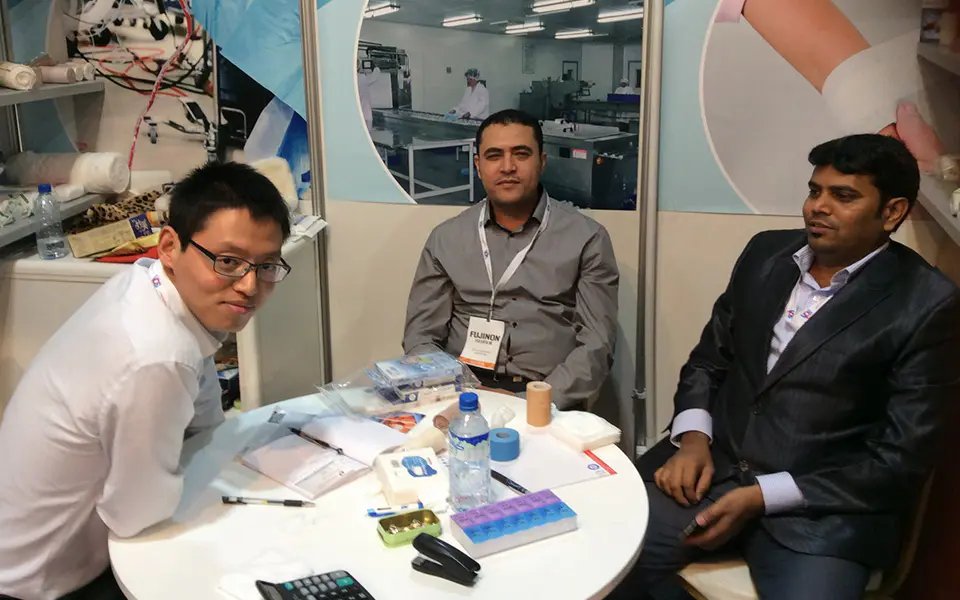
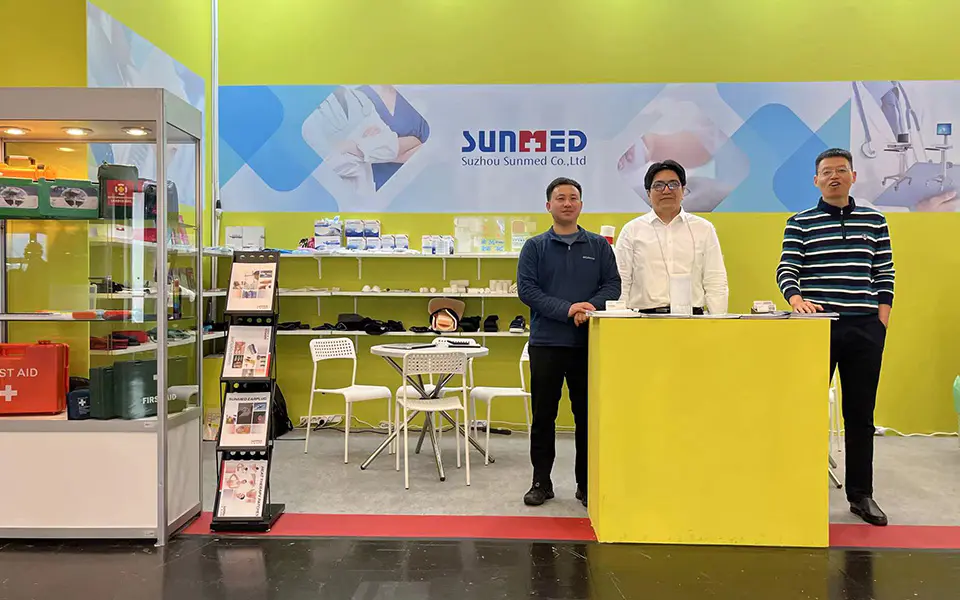
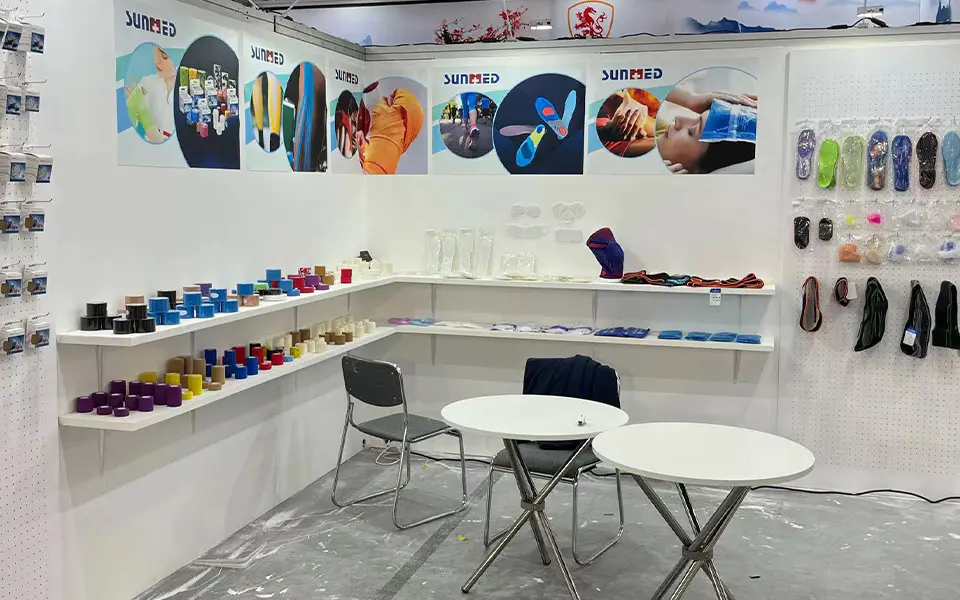
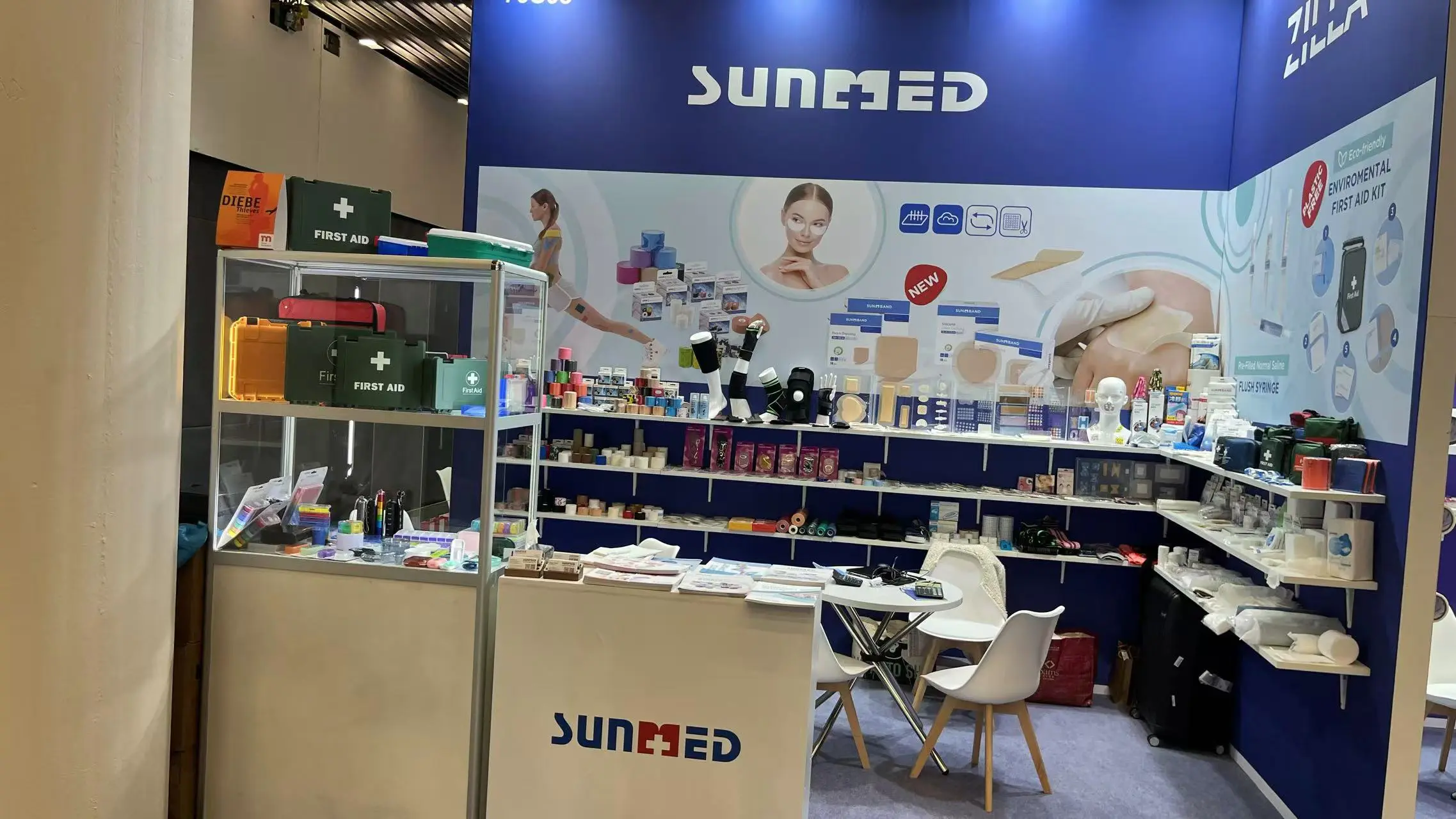
The manufacturer is a professional Chinese producer and exporter of first aid, medical, and healthcare products with approximately 30 years of experience in the medical device and medical consumables industry. This background is relevant to the DC660910 because the product is intended to store many categories of medical supplies. Understanding the requirements of gauze, bandages, medical tape, cotton products, PPE, sports support products, and family healthcare items helps inform the design of a practical storage case.
The company operates multiple production bases in Jiangsu, Zhejiang, and Anhui Province. A multi-site manufacturing structure can support broader production capabilities, product specialization, capacity planning, and supply continuity. It also reflects experience in managing different categories of medical and healthcare products rather than focusing on a single product type.
The manufacturer’s product portfolio includes first aid products, wound dressings, medical gauze, bandages, medical tape, medical cotton, non-woven products, sports bandages, kinesiology tape, cohesive bandages, elastic adhesive bandages, pill boxes, hot and cold therapy products, disposable syringes, catheters, surgical consumables, and other medical supplies. This broad range provides useful insight into how different products are stored, transported, and presented.
In 2008, the company established a first aid factory to meet the needs of first aid customers. This dedicated focus supports the development of first aid-related products and allows the manufacturer to understand the purchasing requirements of first aid distributors, hospitals, workplaces, supermarkets, and retail sports shops.
In 2021, the company established a factory for kinesiology tape, cohesive bandages, and elastic adhesive bandages. The development of specialized production capacity demonstrates an ongoing investment in manufacturing infrastructure and product category expertise. For customers purchasing both storage cases and medical consumables, this can simplify supplier communication and support coordinated sourcing.
Quality Control and Manufacturing Process
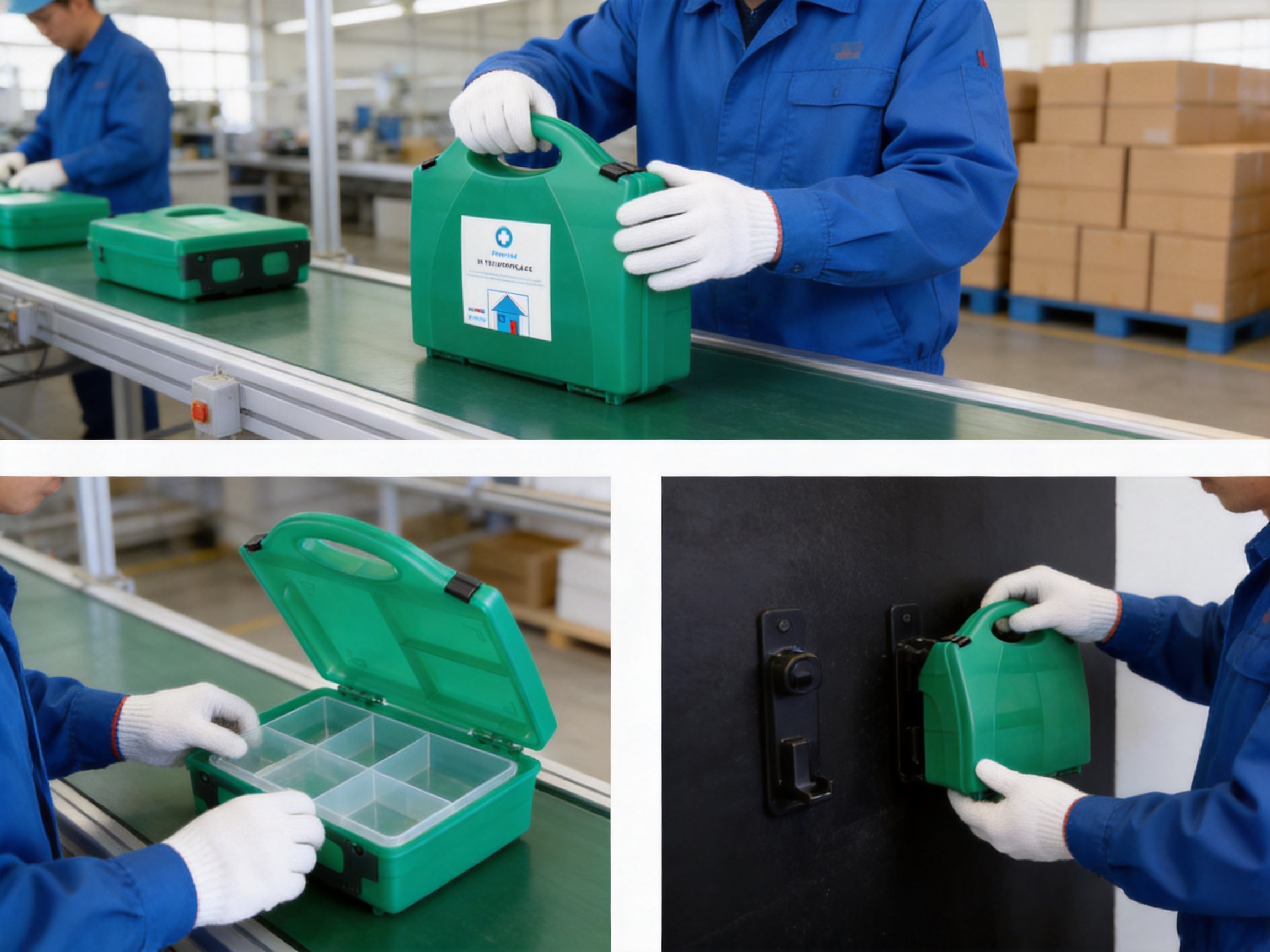
Producing a dependable plastic first aid box requires control at multiple stages. The process begins with material selection and component planning. Plastic resin and other production inputs should be checked according to internal specifications before they enter the manufacturing process. Consistent material quality supports the strength, appearance, dimensional accuracy, and closure performance of the finished case.
During molding, the plastic must be formed under controlled production conditions. Important considerations include mold condition, temperature, pressure, cooling, and cycle consistency. Proper control helps reduce visible defects, warping, incomplete formation, uneven surfaces, and dimensional variation. For a box with a matching lid, flap, buttons, handle, and optional accessories, dimensional consistency is especially important.
After molding, components can undergo trimming, surface inspection, assembly, and functional checking. Excess material may be removed from edges, while the case body and lid are inspected for appearance and fit. The plastic flap-button closure should be checked for proper engagement. The handle should be examined for secure attachment and comfortable handling. Optional dividers, hooks, and brackets should be reviewed for correct fit and finish.
Quality control should also include packaging inspection. The finished boxes need to be protected from scratches, deformation, dust, and damage during storage and transport. Packaging quantities, carton markings, product identification, and accessory configurations should be confirmed before shipment. Accurate packing is particularly important for wholesale orders containing multiple sizes or customized options.
The company reports a professional quality control team comprising hundreds of personnel who follow inspection procedures designed to support ISO13485:2016 requirements. The manufacturer also states that most of its products are CE certified and that its Suzhou factories comply with FDA requirements. Certification and compliance details can vary by product and market, so buyers should request the relevant documentation for the specific order and intended destination.
Incoming Material Control
Incoming material control helps ensure that plastic materials, packaging supplies, accessory components, and other inputs meet defined requirements. Inspection may include visual checks, dimensional checks, color verification, and review of supplier documentation. A controlled incoming process reduces the possibility that inconsistent raw materials will affect later production.
Process Inspection
Process inspection focuses on the conditions and results of manufacturing while production is in progress. Operators and quality personnel can monitor molding, trimming, assembly, closure installation, accessory preparation, and packing. Identifying problems during production allows corrective action before a large quantity of products is completed.
Final Inspection
Final inspection provides a last review before shipment. It may include appearance, dimensions, closure function, handle security, accessory quantity, color consistency, labeling, carton condition, and order conformity. For customized products, final inspection should also verify approved artwork, packaging instructions, and customer-specific requirements.
Reliable Supply for International Markets
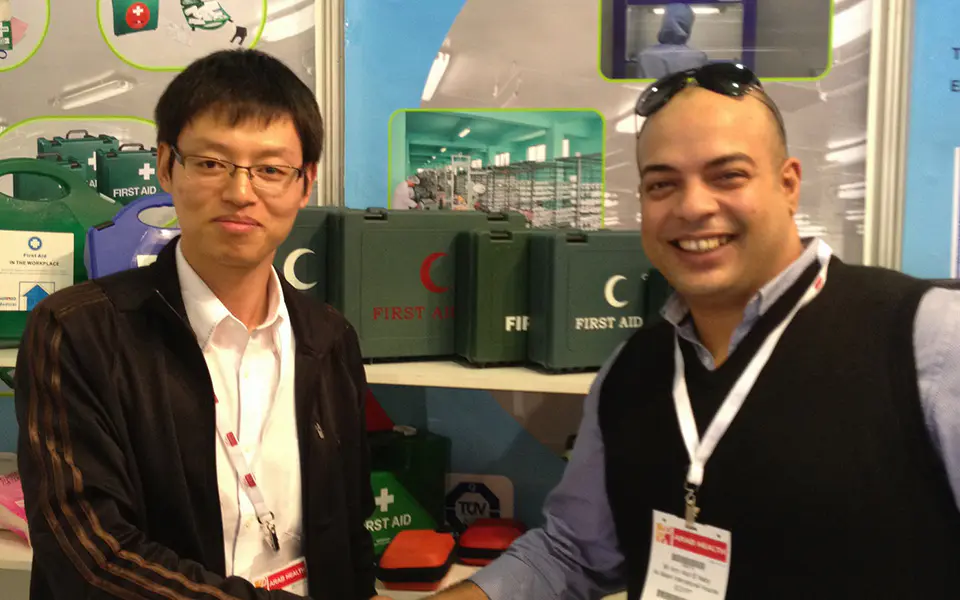
The manufacturer has exported products to more than 60 countries, including markets in Europe, Southeast Asia, Africa, and Oceania. International experience can help a supplier understand the importance of documentation, packaging, communication, shipping coordination, and customer-specific requirements. It also provides exposure to different distribution models, including hospitals, first aid suppliers, supermarkets, pharmacies, and sports retailers.
For international buyers, supplier reliability involves more than product quality. Buyers also need clear specifications, consistent communication, reasonable production planning, accurate commercial documents, and responsive after-sales support. A manufacturer with experience serving overseas customers is better positioned to discuss these practical requirements.
The product’s simple and flexible structure is well suited to international distribution. It can be sold empty or used as the foundation for a locally configured first aid kit. Because different countries and organizations may require different contents, the empty format helps importers adapt the final package to their markets.
Importers should confirm all applicable requirements before ordering. These may include packaging language, recycling marks, labeling rules, customs documentation, product claims, wall-mounting instructions, and any regulations governing the medical supplies placed inside the box. The case itself and the contents of a completed kit may be subject to different requirements.
Applications in Workplaces and Industrial Sites
Workplaces often need first aid equipment that is easy to identify and accessible to trained personnel. The green case can be placed in offices, workshops, warehouses, production areas, staff rooms, and security stations. The optional wall bracket can help establish a fixed location, while the handle allows the box to be carried to an injured person when necessary.
Industrial users may prefer the large size because it can hold a wider selection of wound-care supplies and protective products. The contents should be chosen according to the hazards present at the site. For example, a workshop may require dressings, gloves, medical tape, gauze, burn-care products, and eye-care supplies, while a low-risk office may need a smaller selection for minor injuries.
The case should be inspected on a scheduled basis. Used supplies should be replaced promptly, expired products should be removed, and the closure and handle should be checked for damage. A clear inspection record can help organizations demonstrate that emergency supplies are being maintained responsibly.
Applications in Sports and Outdoor Activities
Sports organizations require first aid equipment that can move easily between training sessions, competitions, fields, gyms, and transport vehicles. The DC660910 can be configured with athletic tape, cohesive bandages, elastic adhesive bandages, cold therapy products, wound dressings, gauze, gloves, and other sports support supplies.
The rigid case helps keep rolls and packaged products together during transport. The handle supports quick movement, while the divider can separate athletic support materials from general wound-care items. The green color makes the box easy to identify among sports equipment bags and coaching supplies.
Outdoor users should select the contents according to the activity, group size, distance from medical services, and environmental conditions. The case offers improved protection against ordinary dust and damp exposure, but it should still be stored in a dry location and protected from prolonged rain or immersion.
Applications in Homes, Vehicles, and Travel
Families can use the medium case for everyday home first aid. It may store adhesive bandages, gauze, medical tape, cotton products, cleansing materials, disposable gloves, scissors, and other basic items. Keeping these supplies in one recognizable case can make them easier to locate than storing them in multiple drawers.
The box can also be used in vehicles, provided it is secured appropriately and protected from extreme heat or cold. A vehicle first aid configuration may include compact dressings, adhesive bandages, gloves, tape, cleansing wipes, and other products selected for travel. The case should not obstruct the driver’s view or interfere with vehicle safety equipment.
For travel, the empty box allows users to choose products appropriate for the destination. A family traveling with children may prioritize adhesive bandages and wound-care items. A hiking group may add cohesive wraps and cold therapy. A traveler with specific medical needs should consult a healthcare professional regarding appropriate supplies and storage conditions.
Applications for Retailers and Distributors
Retailers can position the DC660910 as a reusable empty case, a family first aid organizer, a workplace kit base, or a sports emergency container. Its green color and practical shape can make it easy to display alongside first aid consumables. The two size options enable retailers to serve customers with different capacity needs.
Distributors may also use the product as part of a private-label program. The case can be filled with products from the distributor’s existing portfolio and packaged for a specific customer segment. Examples include construction first aid kits, school first aid kits, sports care kits, family emergency kits, and workplace wound-care kits.
Before developing a retail package, buyers should confirm the available customization options, color requirements, labeling, carton quantities, accessory combinations, sample approval process, and production lead time. These steps help reduce errors and create a consistent finished product.
Practical Inventory Organization
A first aid box performs best when its contents follow a clear organization plan. Frequently used items should be easy to reach, while backup products can be placed behind or beneath them. Similar items should be grouped together, and labels should remain visible where possible.
The transparent divider can support a simple two-zone system. One section may contain immediate wound-care supplies such as adhesive bandages, gauze, medical tape, and cleansing products. The second section may contain protective equipment, tools, athletic supports, cold therapy products, or reserve stock. The specific arrangement should reflect the user’s needs.
Inventory checks should include product quantity, packaging condition, expiration date, and cleanliness. The box itself should be checked for cracks, loose buttons, handle damage, and problems with accessories. A damaged container should be removed from service or repaired according to the organization’s procedures.
| Inspection point | Recommended check |
|---|
| Case body | Check for cracks, deformation, excessive wear, or contamination |
| Lid and closure | Confirm that the lid closes and the flap buttons engage correctly |
| Handle | Check attachment, stability, and comfortable grip |
| Divider | Confirm that the divider is secure and not cracked or sharp-edged |
| Wall accessories | Check the hook or bracket and verify that mounting remains secure |
| Contents | Review quantities, packaging, expiration dates, and cleanliness |
| Identification | Ensure the box remains clearly marked and easy to locate |
Ordering and Quality Considerations
Wholesale buyers should begin by selecting the required size, color, accessory configuration, packaging method, and expected order quantity. The standard color is green, but customized colors may be discussed for larger projects. The stated minimum order quantity is 500 pieces, making the product suitable for commercial and institutional purchasing.
Buyers should request product samples before confirming mass production when the case will be used for a private-label program or a regulated supply project. Sample evaluation may include checking the dimensions, plastic finish, closure operation, handle comfort, divider fit, accessory installation, packaging, and suitability for the intended contents.
For large orders, buyers may also wish to discuss inspection standards, acceptable quality limits, carton packing, shipping marks, production schedules, spare accessory quantities, and procedures for handling nonconforming goods. Clear specifications help both parties understand the expected result before production begins.
Because the product is an empty box, purchasers should separately evaluate the medical supplies that will be placed inside it. The case provides storage and transport functions, but it does not replace professional medical guidance, workplace risk assessment, or local first aid regulations. A completed kit should be configured according to its intended use.
Environmental and Lifecycle Considerations
A reusable plastic first aid case can support a longer product lifecycle than single-use cardboard packaging. Its rigid construction allows users to replenish the contents without replacing the container each time. This may reduce repeated packaging consumption and provide a practical option for organizations that maintain permanent first aid stations.
Responsible use includes maintaining the case, avoiding unnecessary replacement, and following local rules for plastic disposal or recycling at the end of its service life. Buyers may wish to ask about available material information, packaging reduction, carton efficiency, and other sustainability considerations as part of their procurement process.
The manufacturer’s ability to produce multiple medical and healthcare product categories may also help buyers coordinate shipments and reduce the complexity of sourcing from many separate suppliers. Consolidated purchasing decisions should be evaluated according to product quality, logistics, regulatory suitability, and total supply-chain performance.
Safety and Proper Use
The box should be used for storing suitable first aid and healthcare supplies. It should be placed where responsible users can access it quickly but where children or unauthorized persons cannot misuse its contents. If the case contains medicines, sharp instruments, or specialized medical devices, additional security and handling procedures may be necessary.
The box should be kept away from direct sunlight, high heat, open flames, and prolonged water exposure. Heavy objects should not be placed on top of it if doing so may deform the lid or interfere with closure. The case should not be overloaded, as excessive contents may prevent proper closing and may place unnecessary stress on the handle or buttons.
When mounted on a wall, the bracket or hook should be installed on a suitable surface using appropriate fasteners. The case should be tested after installation to confirm that it remains stable and can be removed when needed. The mounting position should not block corridors, exits, electrical equipment, or other safety installations.
Why Choose This Product for a First Aid Program?
The DC660910 combines the features most frequently required in a practical first aid storage box: durable plastic construction, compact portability, a secure closure, a hand-friendly handle, damp- and dust-resistant protection, optional organization, and optional wall mounting. These features make it more adaptable than a basic container while keeping the design straightforward and easy to use.
Its empty format gives professional buyers control over the final kit contents. The medium and large sizes support different applications, while customizable colors and accessory options help meet project-specific needs. For wholesalers and private-label customers, the case can serve as a stable platform for multiple first aid product configurations.
The manufacturer’s long experience in first aid and medical consumables, multiple production bases, international export history, and structured quality control system provide additional support for commercial procurement. Customers can benefit from a supplier that understands both the storage box and the medical products likely to be stored inside it.
Ultimately, the best first aid box is one that remains available, organized, protected, and easy to carry when it is needed. The DC660910 is designed to support these objectives in homes, vehicles, workplaces, sports facilities, healthcare environments, and retail programs.
Frequently Asked Questions
What is the DC660910?
The DC660910 is an empty plastic first aid box designed for storing customized first aid and healthcare supplies. It is supplied without standard medical contents, allowing users to select the products appropriate for their application.
What sizes are available?
Two sizes are available. Size M measures 28 x 27 x 9.5 cm. Size L measures 34 x 28 x 10 cm.
What material is used?
The box is made from highly impact-resistant plastic. This construction is intended to provide a durable enclosure for regular storage, handling, and transport.
Is the box waterproof?
The product is designed to be damp- and dust-resistant. Buyers should confirm the exact technical meaning of any waterproof claim for their intended application and should not assume that the box is suitable for immersion or prolonged exposure to water.
Does the box include a wall hook?
A wall hook is available as an optional accessory. A wall bracket is also listed as an accessory option. Buyers should specify the required configuration when requesting a quotation.
Does it include an internal divider?
A transparent plastic divider is available as an optional accessory. It can help separate different types of first aid supplies inside the case.
What color is available?
The standard color is green. Other colors can be customized, subject to order requirements, production feasibility, and minimum quantities.
What is the minimum order quantity?
The stated minimum order quantity is 500 pieces.
Can the case be used for sports supplies?
Yes. It can be configured with athletic tape, cohesive bandages, elastic adhesive bandages, cold therapy products, gauze, wound dressings, gloves, and other sports care items.
Can it be used in a vehicle?
Yes. The medium version may be suitable for vehicle storage, provided it is secured appropriately and protected from extreme temperatures, direct sunlight, and prolonged moisture.
How should the case be cleaned?
Users should follow their own cleaning procedures and use a method compatible with the plastic material. The case should be dried thoroughly before it is restocked. Harsh chemicals, abrasive tools, and excessive heat should be avoided unless specifically approved for the product.
Is the box supplied as a complete medical kit?
No. It is an empty first aid box. Medical contents must be selected and purchased separately according to the intended use, local requirements, and professional recommendations.
What should buyers check before placing a wholesale order?
Buyers should confirm the size, color, accessory configuration, packaging, labeling, order quantity, sample approval, delivery schedule, and any applicable documentation or market requirements.
What makes this box different from a basic plastic container?
It combines impact-resistant construction with a first aid-oriented design, green color, flap-button closure, ergonomic handle, damp- and dust-resistant protection, optional transparent divider, and optional wall-mounted accessories.
Conclusion
The Waterproof Green Empty Plastic First Aid Box with Hook and Divider is a versatile storage solution for organizations and individuals that need a durable and customizable way to organize medical supplies. Its impact-resistant plastic construction helps withstand everyday handling, while the closure and protective design help keep contents enclosed and better protected from dust and damp conditions.
The ergonomic handle supports quick carrying, and the optional wall hook or bracket allows the case to become part of a fixed emergency station. The optional transparent divider provides additional organization without removing flexibility. With medium and large sizes, customizable colors, and a minimum order quantity of 500 pieces, the product is suitable for both practical end users and commercial buyers.
Supported by decades of experience in first aid and healthcare manufacturing, multiple production bases, international export capability, and structured quality control procedures, the product can serve as a dependable foundation for household, workplace, sports, institutional, and private-label first aid programs.
References
1. Product specification sheet for model DC660910, including dimensions, accessories, color, closure, handle, and protection features.
2. Manufacturer-provided company profile describing first aid, medical consumables, healthcare products, production bases, export markets, and manufacturing experience.
3. ISO 13485:2016, Medical devices—Quality management systems—Requirements for regulatory purposes.
4. General principles of first aid kit organization, inventory inspection, storage, and replenishment for workplaces and public facilities.
5. General guidance for selecting and maintaining reusable storage containers for medical and healthcare supplies.

 English
 Español
 русский
 Français
 Deutsch
 italiano
 By Admin