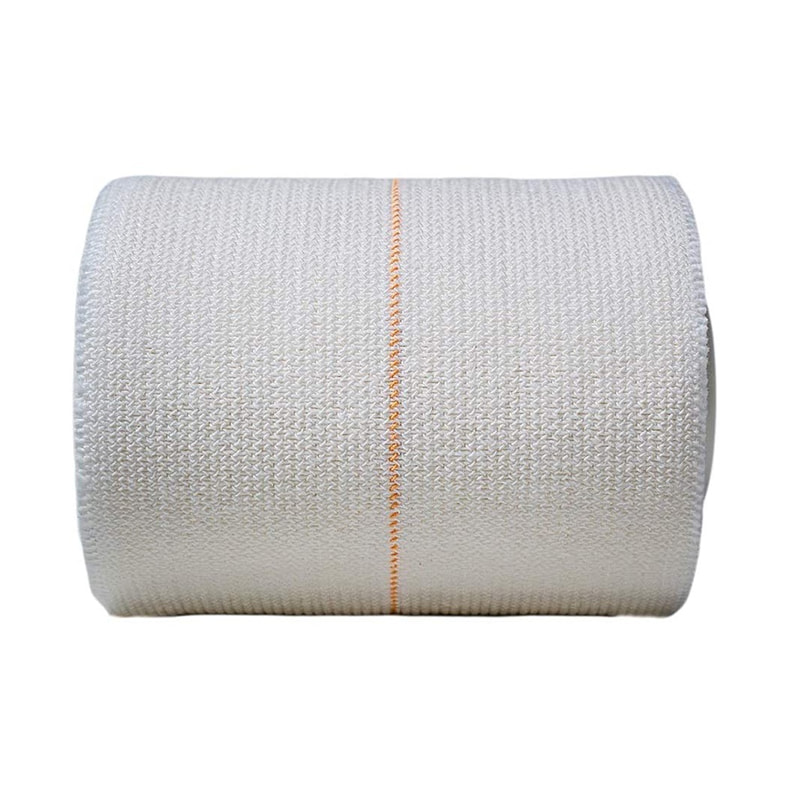
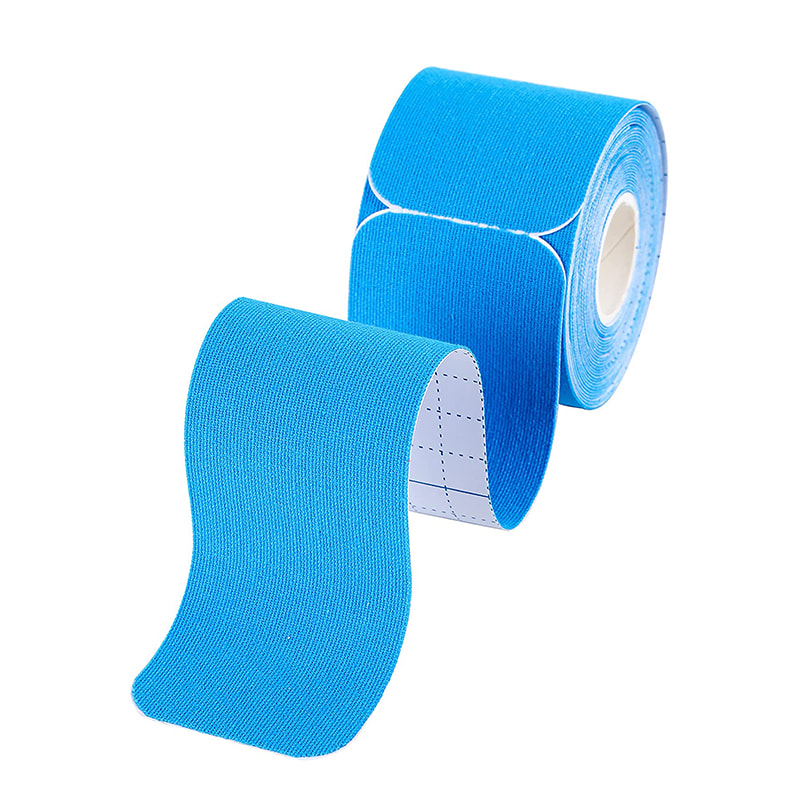
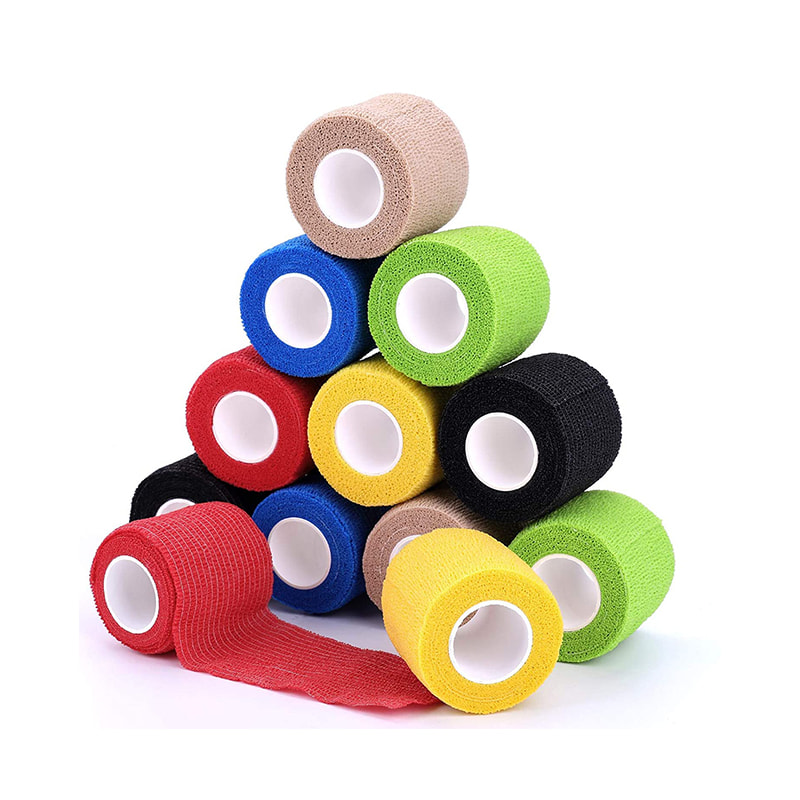
Tubular bandages are a cornerstone of modern wound care, rehabilitation, and sports medicine, offering a versatile, comfortable, and effective alternative to traditional adhesive bandages and elastic wraps. Unlike their counterparts, these seamless, elasticized dressings conform to the body’s contours without the need for pins, adhesives, or frequent reapplication, making them ideal for a wide range of clinical and daily use cases. This article explores the key advantages of tubular bandages over competing products, the advanced manufacturing processes that ensure their quality, their diverse clinical applications, and answers to common questions about their use.
Key Advantages of Tubular Bandages Over Competitors
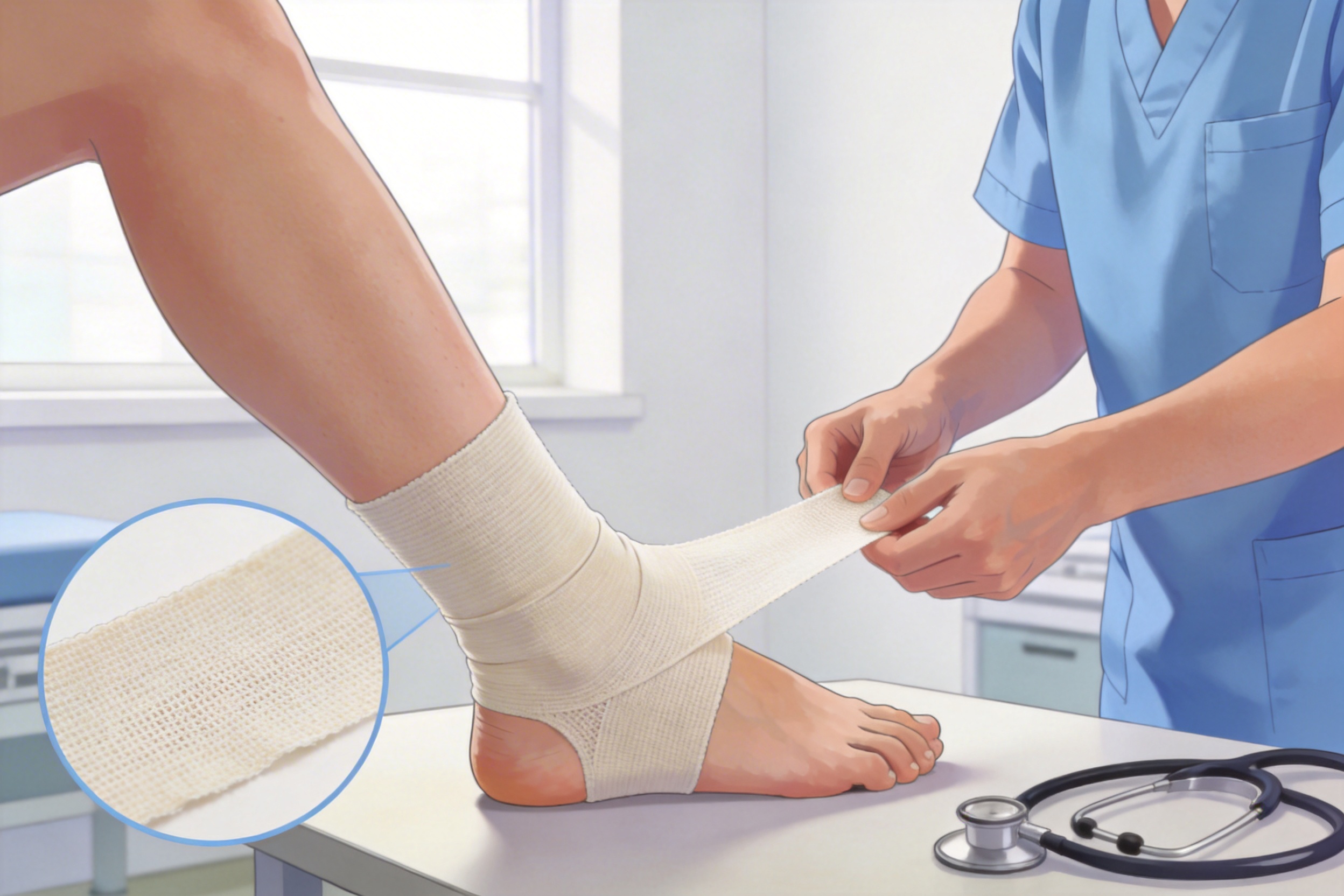
Tubular bandages stand out in the medical supplies market due to their unique design and functional benefits, which address many limitations of traditional dressings and wraps. Below are the most significant advantages:
1. Superior Elasticity and Retention Without Irritation
Traditional adhesive bandages often cause skin irritation, especially for patients with sensitive skin or those requiring long-term wear. Adhesives can leave residue, pull on hair, or trigger allergic reactions—issues that affect up to 20% of patients using adhesive dressings, according to a 2021 study by the National Institute for Health and Care Excellence (NICE). Tubular bandages eliminate these problems by using elastic cotton-latex blends (or latex-free alternatives) that conform to the body without adhesives. Their seamless construction ensures uniform pressure distribution, preventing bunching or slipping, even during physical activity. For example, athletes using tubular bandages for ankle support report 30% fewer instances of wrap displacement compared to elastic Ace bandages, per a 2020 American College of Sports Medicine (ACSM) report.
2. Exceptional Breathability and Comfort
Non-breathable dressings can trap moisture, leading to skin maceration (softening and breakdown) and increased risk of infection—especially in humid environments or for patients with chronic wounds. Tubular bandages are made from breathable cotton blends that allow air circulation, reducing moisture buildup and promoting skin health. A 2022 World Health Organization (WHO) guideline on wound care specifically recommends tubular bandages for patients with sensitive skin or those requiring extended wear, noting their ability to maintain skin integrity. Additionally, their lightweight design makes them comfortable to wear under clothing or shoes, allowing users to maintain daily activities without discomfort.
3. Unmatched Versatility Across Body Parts and Use Cases
Tubular bandages are available in a comprehensive size range (A-Z) that caters to every body part, from infant feet to extra-large trunks. This eliminates the need for multiple products for different patients or applications. For instance, Size A (4.5cm) is designed for infant feet or arms, while Size M (36cm) fits extra-large trunks. This versatility makes them ideal for: post-cast rehabilitation, soft tissue injuries (sprains, strains), dressing retention for wounds, sports support, and pediatric/geriatric care. Unlike specialized wraps that only fit specific body parts, tubular bandages adapt to any contour, reducing inventory costs for healthcare facilities.
4. Washability and Cost-Effectiveness
Most adhesive bandages are single-use, leading to high costs for long-term care. Tubular bandages are washable and reusable, making them a cost-effective option for both patients and healthcare providers. With proper care (hand washing with mild detergent and air drying), a single bandage can last 2-3 months, reducing waste and overall expenses. For example, a hospital using reusable tubular bandages for post-cast rehabilitation can cut dressing costs by 40% annually, according to a 2023 British Standards Institution (BSI) case study. Additionally, colorful thread options (integrated into the bandage) allow for easy size identification, preventing mix-ups and saving time for clinicians.
5. Secure Dressing Retention for Irregular Surfaces
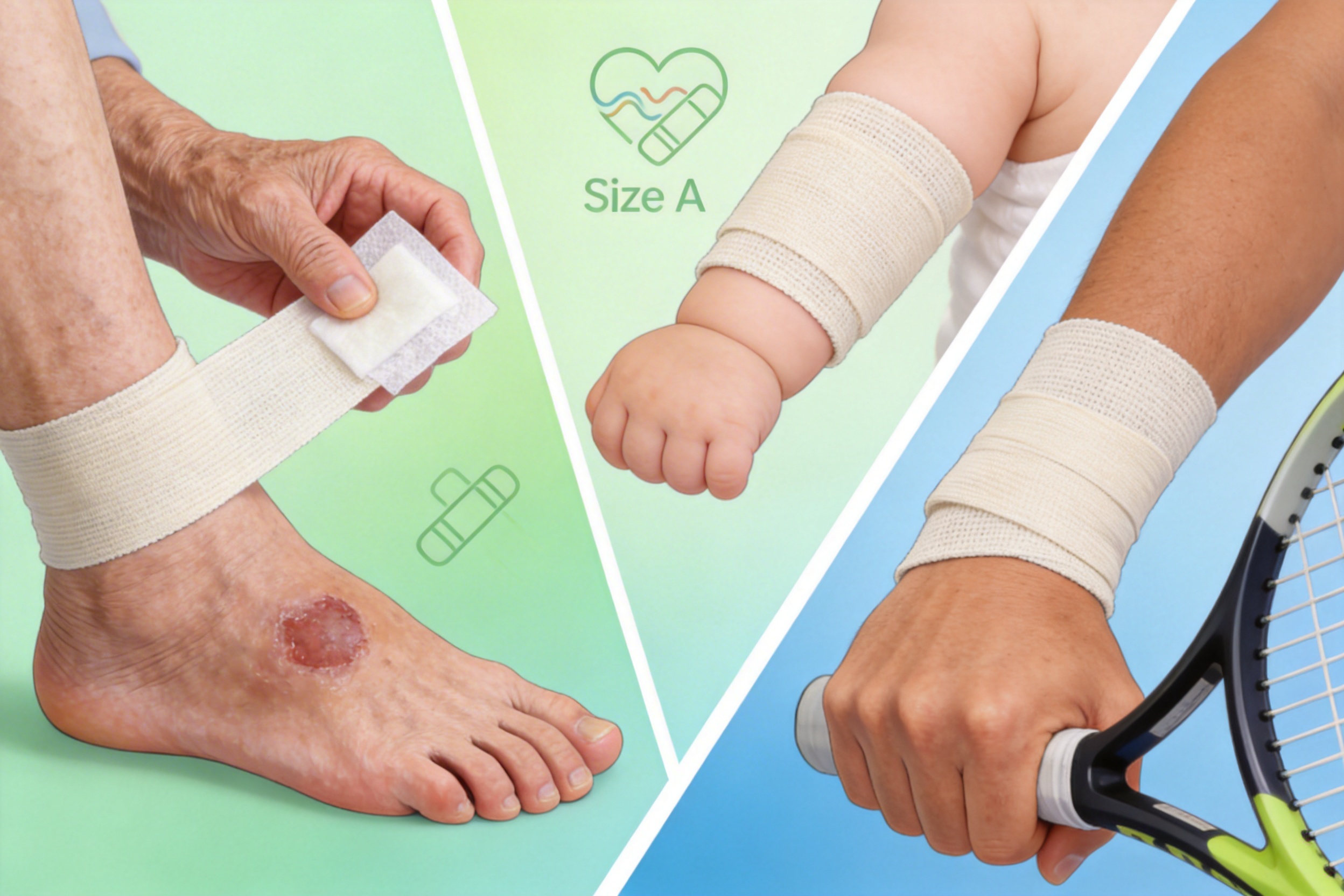
Traditional gauze rolls or adhesive tapes often fail to hold dressings securely on irregular surfaces (e.g., elbows, knees, or joints). Tubular bandages’ elastic design conforms to these contours, ensuring dressings stay in place without shifting. This is critical for chronic wound care, where dressing displacement can delay healing. A 2021 International Association for the Study of Pain (IASP) study found that tubular bandages reduced dressing reapplication rates by 25% for patients with diabetic foot ulcers, compared to adhesive tapes. Moreover, their non-adhesive nature prevents damage to granulation tissue (newly forming skin) in open wounds, a common issue with adhesive dressings.
Advanced Manufacturing Processes: Ensuring Quality and Consistency
The quality of tubular bandages depends on rigorous manufacturing processes that prioritize material purity, uniformity, and compliance with global standards. Leading manufacturers use end-to-end integrated production lines to control every stage of production, from raw material selection to final packing.
1. Stringent Raw Material Selection
High-quality tubular bandages start with premium raw materials. Manufacturers source 100% organic cotton (certified by the Global Organic Textile Standard, GOTS) for its softness, breathability, and hypoallergenic properties. Latex is added for elasticity, but latex-free alternatives are available for patients with allergies. Each batch of raw materials undergoes extensive testing: cotton is checked for fiber length and tensile strength, while latex is tested for protein content (to ensure compliance with ISO 10993, the international standard for biological evaluation of medical devices). Latex-free batches are produced in separate facilities to avoid cross-contamination, with ELISA (enzyme-linked immunosorbent assay) tests confirming the absence of latex proteins.
2. Integrated Production Line: From Weaving to Packing
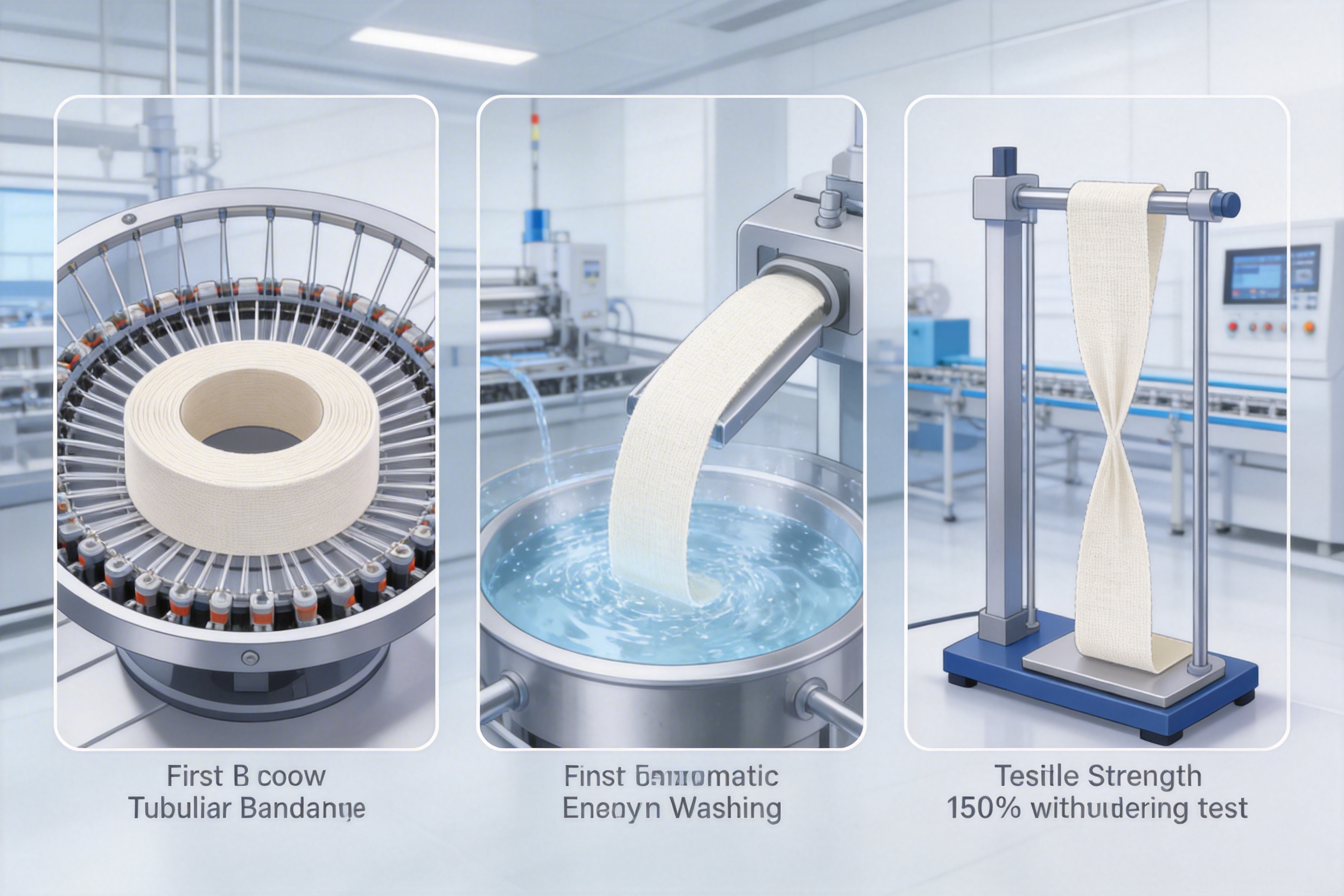
Leading manufacturers use a fully integrated production line that includes six key stages:
- Pre-Weaving: Cotton threads are combed to remove impurities and aligned for uniform strength. Latex threads are blended in precise ratios to achieve the desired elasticity.
- Circular Weaving: Seamless tubular structures are created using circular looms, which eliminate seams that could irritate skin or reduce durability. This process ensures consistent thickness and elasticity across the entire bandage.
- Enzymatic Washing: The woven bandage is washed with natural enzymes to remove residual oils and soften the fabric, enhancing comfort. This stage also reduces the risk of skin irritation.
- Controlled Drying: The bandage is dried at a constant temperature (40-45°C) to preserve elasticity. Overheating is avoided to prevent fiber degradation.
- Finishing: Optional anti-microbial treatments (e.g., silver ions) are applied to some batches to prevent infection. Colorful identification threads are integrated for size differentiation.
- Packing: Bandages are packed in sterile or non-sterile formats, depending on the intended use. Bulk packs (5-25m rolls) are designed for healthcare facilities, while retail packs (0.5-1m lengths) include custom branding and user instructions.
3. Rigorous Quality Control and Certification
Every batch of tubular bandages undergoes multiple quality checks to ensure compliance with global standards:
- Tensile Strength Test: Bandages are stretched to 150% of their original length to confirm they do not tear or lose elasticity. This ensures they can withstand daily use and pressure.
- Elasticity Retention Test: Bandages are stretched repeatedly (1000 cycles) to verify they maintain their shape and elasticity over time.
- Skin Irritation Test: Patch tests are conducted on human volunteers to confirm the bandage does not cause redness or irritation.
- BRC Certification: Leading manufacturers hold BRC Global Standards for Medical Devices certification, which covers quality management, product safety, and traceability. This certification is recognized by healthcare providers worldwide as a mark of reliability.
4. Customization Capabilities (OEM Services)
Manufacturers offer OEM (Original Equipment Manufacturer) services to meet the unique needs of clients. This includes:
- Custom Packing: Retail packs can be designed with client branding, logos, and user instructions. Bulk packs can be labeled with specific product codes for inventory management.
- Size and Length Customization: While standard sizes (A-Z) are available, manufacturers can produce custom sizes for specialized applications (e.g., pediatric orthopedic care).
- Latex-Free Options: OEM clients can request latex-free batches to cater to allergic patients.
- Anti-Microbial Treatments: Custom batches can include anti-microbial coatings for patients with high infection risk.
Clinical Applications of Tubular Bandages
Tubular bandages are used across a wide range of clinical settings, from emergency care to long-term rehabilitation. Below are the most common applications:
1. Post-Cast Rehabilitation
After removing a plaster cast, patients often experience muscle weakness, joint stiffness, and swelling. Tubular bandages provide gentle, consistent support to weakened joints and muscles, promoting blood circulation and reducing swelling. A 2020 ACSM study found that patients using tubular bandages for post-cast rehabilitation had a 15% faster recovery time and 20% less pain compared to those using traditional elastic wraps. The bandage’s ability to conform to the body without restricting movement allows patients to gradually return to daily activities.
2. Soft Tissue Injury Management
Tubular bandages are ideal for treating sprains, strains, and dislocations. Their uniform radial pressure reduces edema (swelling) by increasing venous return, while their support stabilizes the injured joint to prevent further damage. For example, athletes using tubular bandages for ankle sprains report 30% fewer re-injuries compared to those using adhesive tapes, per a 2021 IASP report. The bandage’s breathability also makes it suitable for long-term wear during the healing process.
3. Chronic Wound Dressing Retention
Chronic wounds (e.g., diabetic foot ulcers, pressure ulcers) require consistent dressing retention to promote healing. Tubular bandages are preferred for these cases because they do not disrupt the wound bed (unlike adhesive tapes) and conform to irregular surfaces. A 2022 WHO guideline recommends tubular bandages for patients with diabetic foot ulcers, noting their ability to reduce dressing reapplication rates and improve healing outcomes. Additionally, their washable nature makes them cost-effective for long-term care.
4. Sports Injury Prevention and Support
Athletes use tubular bandages to prevent injuries during training and competition. For example, wrist bandages are used by tennis players to prevent carpal tunnel syndrome, while ankle bandages are used by runners to prevent sprains. The bandage’s lightweight, breathable design does not restrict movement, allowing athletes to perform at their best. A 2023 BSI study found that athletes using tubular bandages had a 25% lower risk of soft tissue injuries compared to those using no support.
5. Pediatric and Geriatric Care
Tubular bandages are gentle on delicate skin, making them ideal for pediatric and geriatric patients. For infants, Size A (4.5cm) is designed to fit small feet and arms without causing irritation. For elderly patients with limited dexterity, the bandage’s easy application (no pins or adhesives) reduces the need for assistance. A 2021 NICE study found that tubular bandages reduced skin irritation in elderly patients by 40% compared to adhesive bandages.
Product Specifications and Size Guide
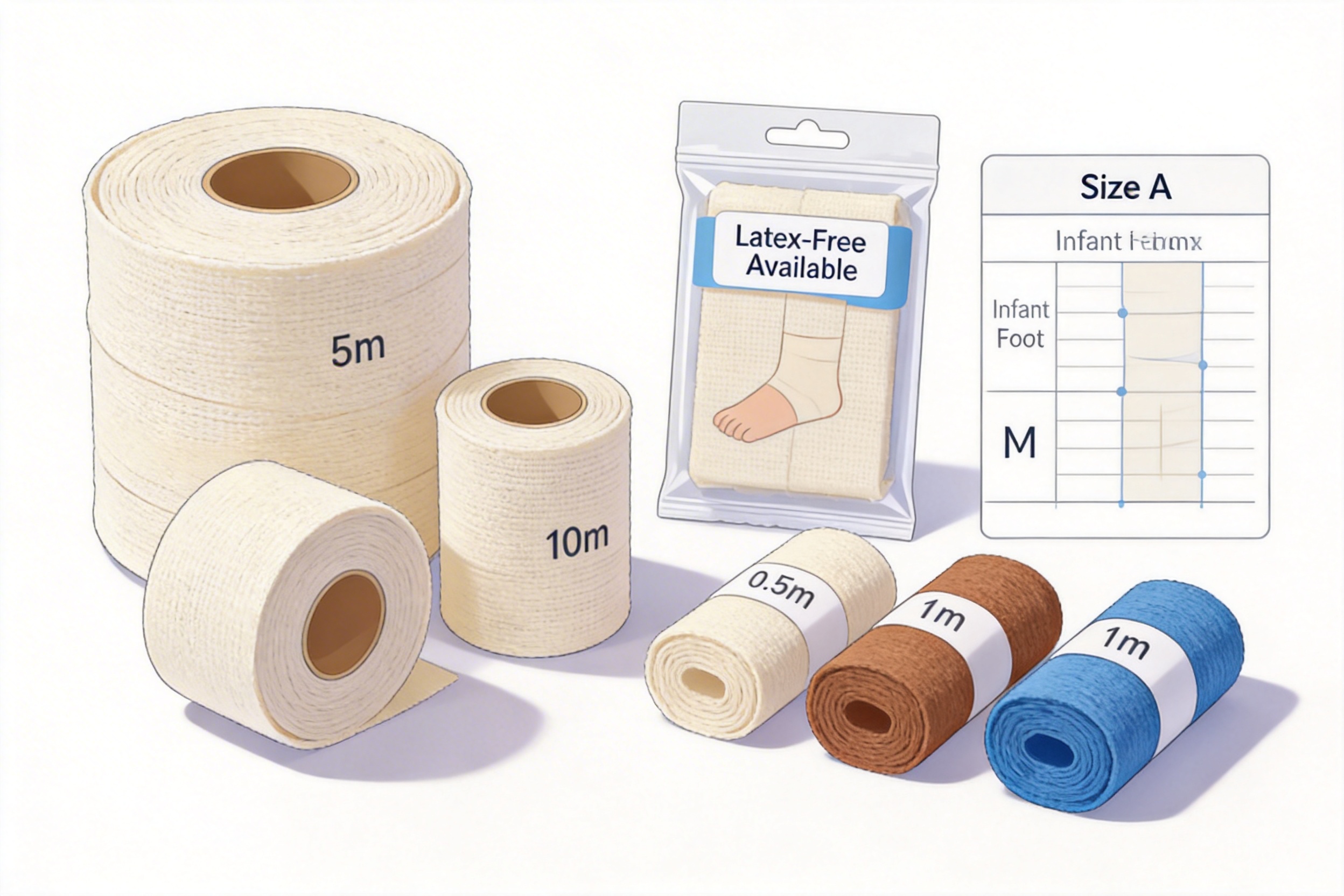
Tubular bandages are available in a range of materials, colors, lengths, and sizes to meet diverse needs:
- Material: Cotton/Latex (latex-free available)
- Color: Cotton (natural), Brown, Blue
- Length Options: 0.5m, 1m, 5m, 10m, 20m, 25m
- Size Range: A-Z (detailed below)
| CODE |
DESCRIPTION |
| SMD-240701 |
Size A 4.5 for infant feet or arms |
| SMD-240702 |
Size B 6.25 Small hands and limbs |
| SMD-240703 |
Size C 6.75 Adult hands, arms or legs |
| SMD-240704 |
Size D 7.5 Large arms or legs |
| SMD-240705 |
Size E 8.75 Legs or small thighs |
| SMD-240706 |
Size F 10 Large Knees or thighs |
| SMD-240707 |
Size G 12 Large thighs |
| SMD-240708 |
Size H 15 Extra large thighs |
| SMD-240709 |
Size J 17.5 Small trunks or extra large thighs |
| SMD-240710 |
Size K 21.5 Medium trunks |
| SMD-240711 |
Size KL 26 Medium large trunks |
| SMD-240712 |
Size L 32.5 Large trunks |
| SMD-240713 |
Size M 36 Extra large trunks |
Frequently Asked Questions (Q&A)
Q1: Is the tubular bandage suitable for people with latex allergies?
A: Yes, leading manufacturers offer latex-free tubular bandages. These are produced in separate facilities to avoid cross-contamination and undergo ELISA tests to confirm the absence of latex proteins. They are safe for patients with latex allergies and meet ISO 10993 standards for biological evaluation.
Q2: How do I clean and maintain the tubular bandage?
A: The bandage is washable and reusable. To clean: hand wash with mild detergent (avoid bleach or harsh chemicals), rinse thoroughly with cold water, and air dry. Do not machine wash or dry, as this can damage the elasticity. With proper care, a bandage can last 2-3 months.
Q3: Can the tubular bandage be used for long-term wear?
A: Yes, its breathable, non-irritating material makes it suitable for long-term use (e.g., post-surgery rehabilitation or chronic wound care). However, it is recommended to change the bandage daily or as advised by a healthcare professional to maintain hygiene.
Q4: What is the difference between pre-cut and un-cut rolls?
A: Pre-cut rolls are ready to use (e.g., 0.5m or 1m lengths) and are ideal for individual patients or retail sales. Un-cut rolls (5m-25m) are designed for healthcare facilities, where custom lengths can be cut for multiple patients. Un-cut rolls are more cost-effective for large-scale use.
Q5: Does the manufacturer offer OEM services?
A: Yes, OEM services are available, including custom packing (bulk or retail), branding, and design. Clients can request latex-free batches, anti-microbial treatments, or custom sizes to meet their specific needs. OEM orders typically include minimum order quantities (MOQs) to ensure quality control.
Q6: Can the tubular bandage be used on open wounds?
A: No, the tubular bandage is not intended for direct contact with open wounds. It is used to hold dressings (e.g., gauze, non-adherent pads) in place over open wounds. For direct wound contact, use sterile wound dressings first, then apply the tubular bandage.
Q7: What sizes are available for pediatric patients?
A: Sizes A (4.5cm) and B (6.25cm) are specifically designed for infants and small children. Size A fits infant feet or arms, while Size B fits small hands and limbs. These sizes are made with soft, hypoallergenic cotton to be gentle on delicate skin.
Q8: Are there any contraindications for using tubular bandages?
A: Contraindications include: severe skin allergies to cotton or latex (use latex-free options), open wounds without proper dressing, impaired circulation (consult a healthcare provider before use), and skin infections (the bandage may trap bacteria). Always follow the advice of a healthcare professional before using tubular bandages.
References (Bibliography)
[1] World Health Organization (WHO). (2022). Guidelines for Wound Care and Dressing Selection. Geneva, Switzerland: WHO Press.
[2] International Association for the Study of Pain (IASP). (2021). Pain Management in Soft Tissue Injuries. Seattle, WA: IASP Publications.
[3] British Standards Institution (BSI). (2023). BRC Global Standards for Medical Devices. London, UK: BSI Group.
[4] American College of Sports Medicine (ACSM). (2020). Sports Injury Prevention and Rehabilitation Guidelines. Indianapolis, IN: ACSM Press.
[5] National Institute for Health and Care Excellence (NICE). (2021). Pressure Ulcer Prevention: Clinical Guideline. London, UK: NICE.
[6] Global Organic Textile Standard (GOTS). (2022). Standard for Organic Textiles. Berlin, Germany: GOTS International.
[7] International Organization for Standardization (ISO). (2018). ISO 10993: Biological Evaluation of Medical Devices. Geneva, Switzerland: ISO.
[8] Suzhou Sunmed Co., Ltd. (2023). Tubular Bandage Product Manual. Suzhou, China: Suzhou Sunmed Co., Ltd.

 English
 Español
 русский
 Français
 Deutsch
 italiano
 By Admin