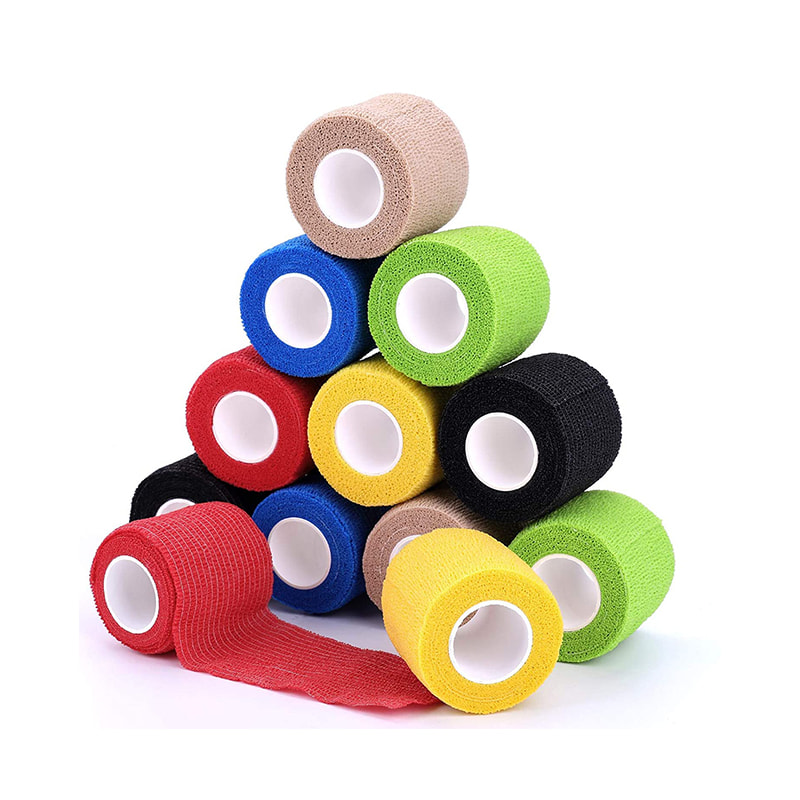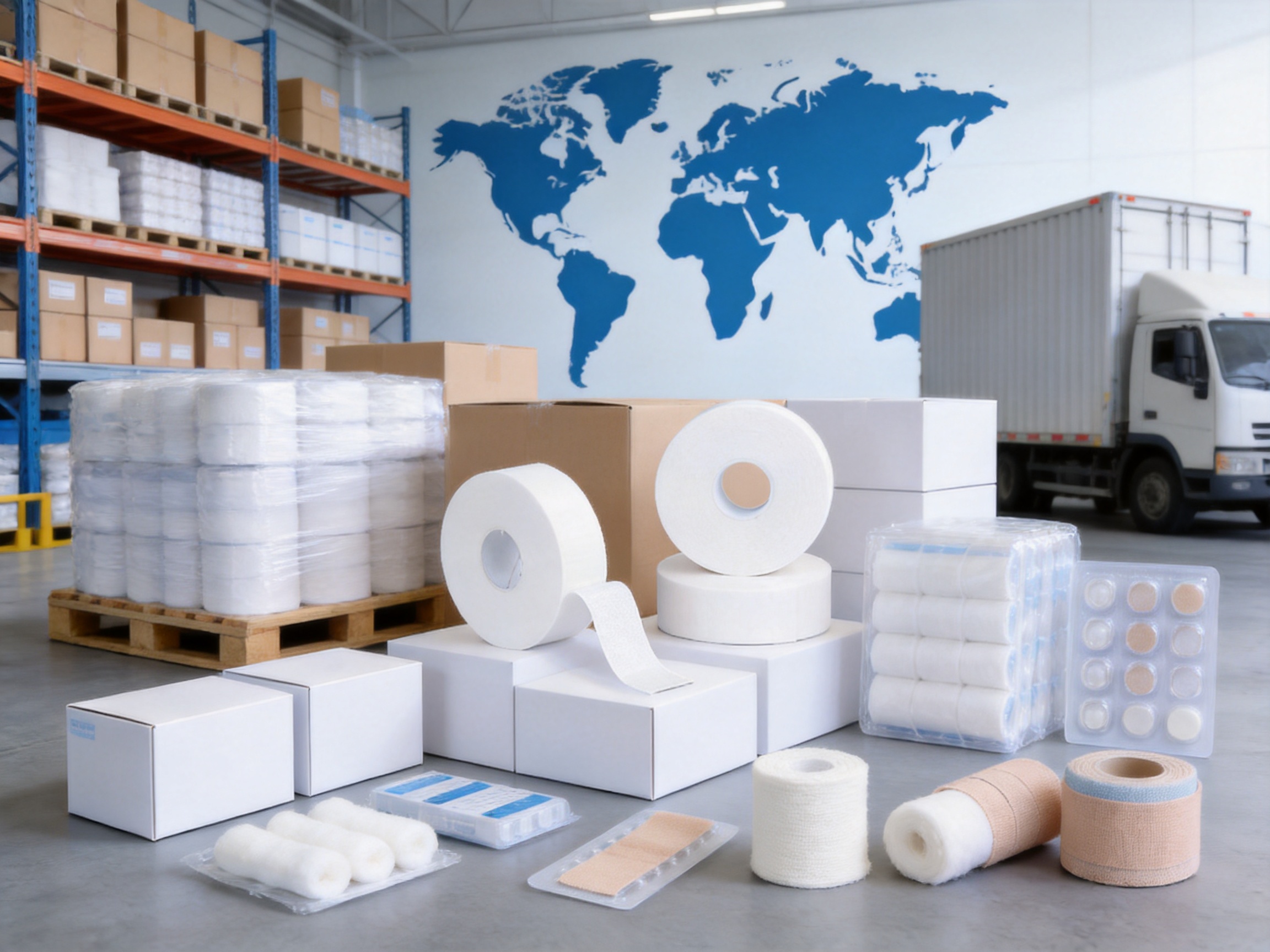
Medical PE foam tape is a versatile adhesive medical product designed to provide comfortable support, protection, fixation, and anti-abrasion performance. Made from polyethylene foam and coated with medical pressure-sensitive adhesive, it combines a soft feel with dependable adhesion. This balance makes it suitable for applications ranging from sports support and joint protection to blister prevention, dressing fixation, and everyday first-aid care.
Healthcare professionals, distributors, first-aid suppliers, sports retailers, hospitals, clinics, and household consumers all require medical tapes that are easy to handle and comfortable during use. A tape that is too rigid may restrict movement or irritate the skin, while a tape with insufficient adhesion may loosen during activity. Medical PE foam tape addresses these concerns with a lightweight foam structure, moderate viscosity, flexible handling, and a smooth surface that can help reduce friction against vulnerable areas.
The product is available in several standard widths, including 2.5 cm, 5 cm, 7.5 cm, 10 cm, 15 cm, and 20 cm, with a standard length of 4.5 meters. Customized dimensions and packaging can also be developed for different markets, care environments, and private-label requirements. Depending on the application and sales channel, rolls may be supplied in bulk, boxes, shrink wrapping, or blister packaging.
What Is Medical PE Foam Tape?
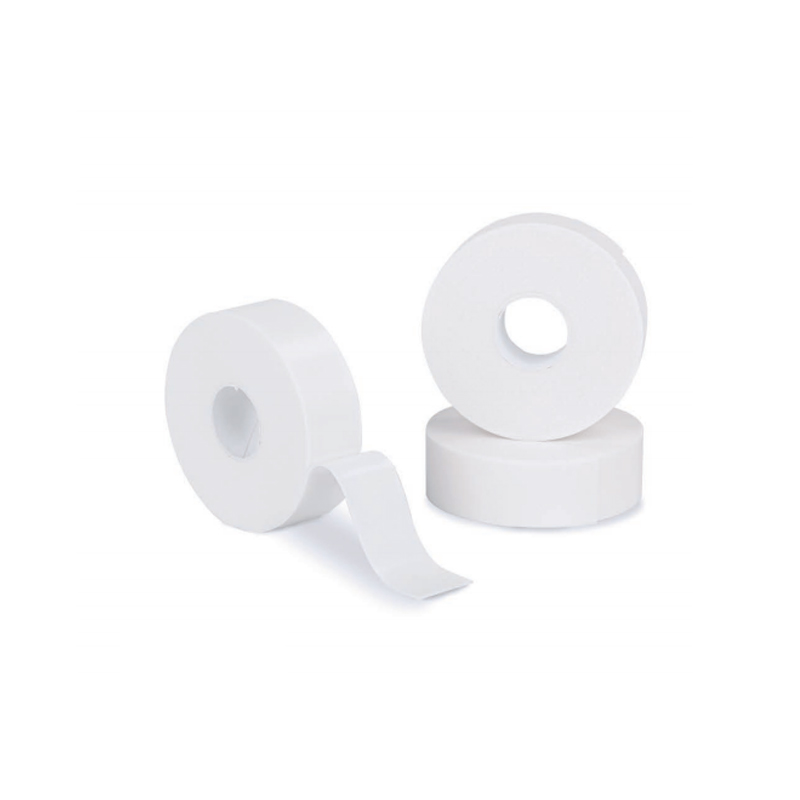
Medical PE foam tape is a pressure-sensitive adhesive tape constructed from polyethylene foam. PE foam provides a soft, lightweight, and slightly resilient backing. The adhesive layer is applied across the backing surface to create a consistent bonding interface. When pressed onto a suitable surface, the adhesive forms contact with the skin, dressing material, packaging surface, or other medical accessory.
The product is designed for medical and healthcare-related applications rather than general industrial use. Its materials, coating process, converting methods, packaging options, and quality controls can therefore be organized around user comfort, consistent dimensions, clean handling, and reliable performance.
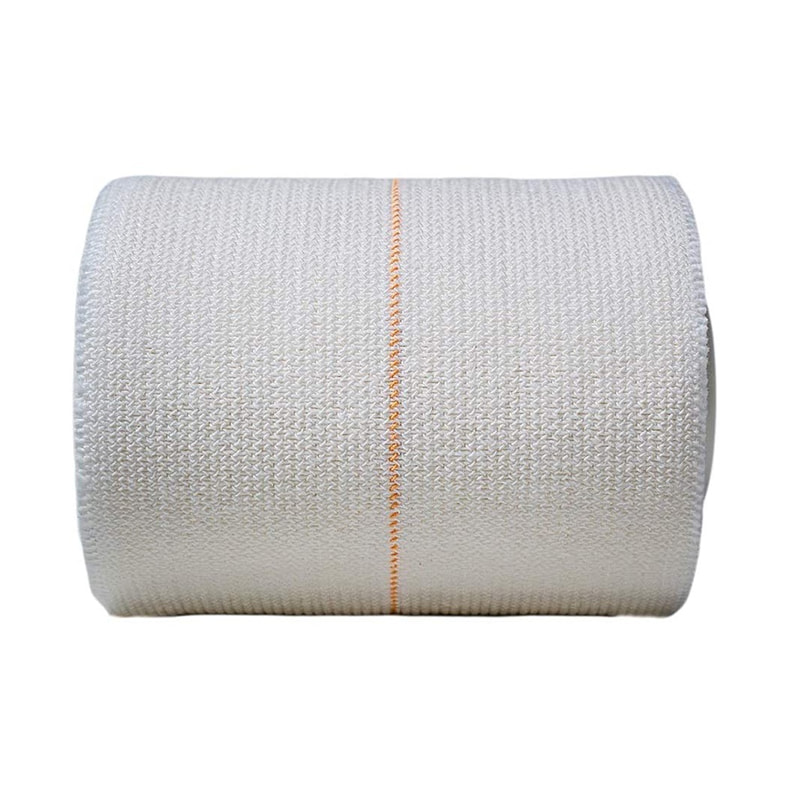
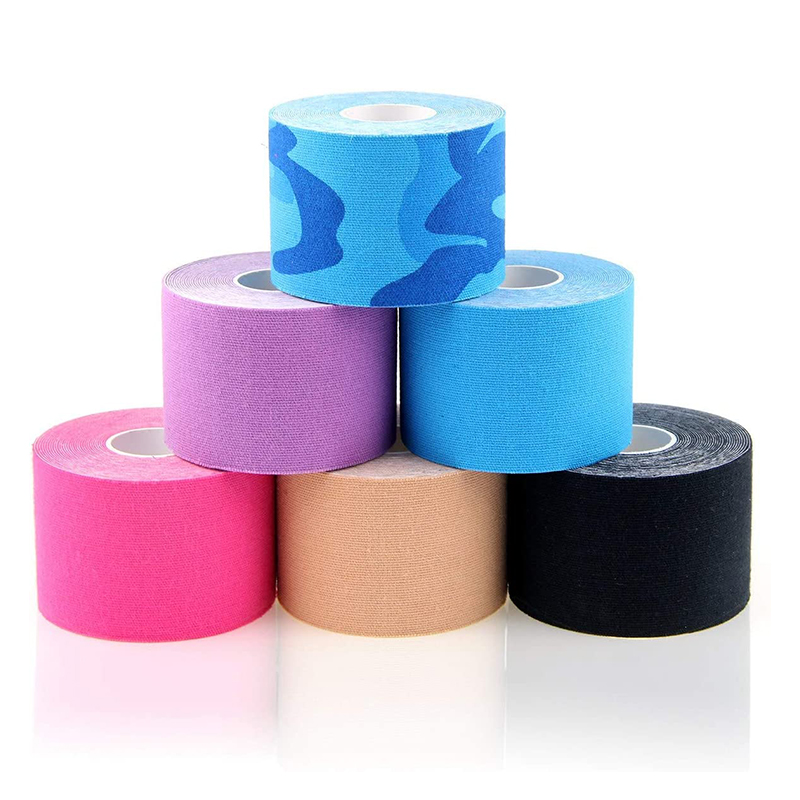
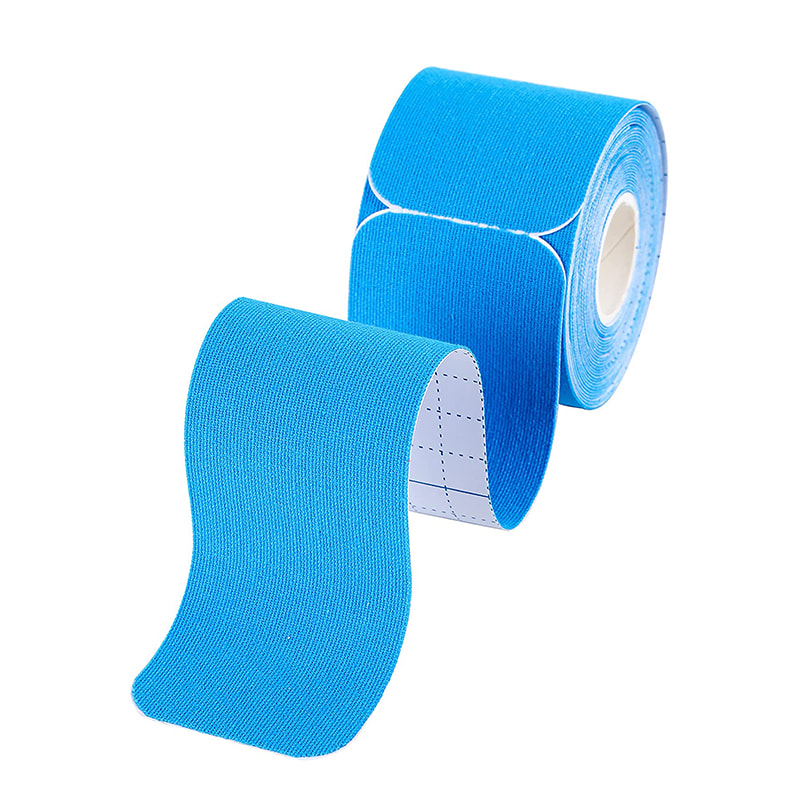
The white or beige appearance gives the tape a practical and discreet look. White tape is often preferred for general clinical use, dressing fixation, and first-aid cabinets, while beige may blend more naturally with skin tones and sports-support applications. The plain-edge slitting format creates a clean roll edge and supports straightforward dispensing and tearing.
Medical PE foam tape generally consists of the following functional components:
Polyethylene foam backing: Provides softness, flexibility, cushioning, and a comfortable contact surface.
Medical pressure-sensitive adhesive: Allows the tape to adhere when applied with pressure, without requiring heat, water, or a separate curing process.
Release or protective handling materials: May be used during production, conversion, or packaging to preserve the adhesive surface and simplify use.
Core: Available as a transparent core or paper core according to customer requirements and packaging specifications.
Outer packaging: May include bulk packing, cartons, shrink wrapping, or blister packs for wholesale, institutional, retail, or consumer distribution.
Core Product Specifications
The tape is manufactured in a standard format suitable for many healthcare and sports-support needs. At the same time, its construction allows the dimensions and packaging to be adapted for different customers. The following table summarizes the principal specifications.
| Item | Specification | Practical Significance |
|---|
| Backing material | Polyethylene foam | Soft, lightweight, flexible, and suitable for cushioning and support applications |
| Color | White or beige | Offers a clean clinical appearance or a more discreet appearance on the skin |
| Edge style | Plain edge | Supports neat converting, simple handling, and consistent roll presentation |
| Adhesive coating | Full coating | Provides adhesive coverage across the intended tape surface |
| Core options | Transparent core or paper core | Allows adaptation to different packaging, handling, and sustainability preferences |
| Standard widths | 2.5 cm, 5 cm, 7.5 cm, 10 cm, 15 cm, and 20 cm | Accommodates narrow fixation, medium support, and wider protective applications |
| Standard length | 4.5 m | Provides a practical roll size for professional or household use |
| Packaging | Bulk, box, shrink, or blister | Supports institutional, wholesale, retail, and private-label programs |
| Customization | Sizes and packaging available on request | Helps distributors and brands meet local market requirements |
How the Foam Structure Supports Comfort
The key difference between PE foam tape and many conventional flat-film tapes is the three-dimensional foam backing. A foam layer can provide a degree of cushioning between the taped area and external contact. This is particularly useful on locations that experience repeated rubbing, pressure, or movement, such as heels, toes, fingers, wrists, ankles, and other joint areas.
Foam also provides a soft hand feel during application. When a healthcare worker, caregiver, trainer, or consumer handles the tape, the material is less harsh than a rigid plastic strip. It can be positioned around curved areas and adjusted to the shape of the body without feeling excessively stiff.
The backing is not intended to replace a clinical brace, cast, splint, or professionally selected compression product. Instead, it functions as a flexible support and protection material. Its role may include helping to hold a dressing in place, providing a protective layer over an abrasion-prone location, or supporting a joint during ordinary activity when appropriate.
Because comfort is closely related to correct use, a soft tape can encourage users to apply the product properly and maintain it for the intended period. A material that feels bulky, rigid, or abrasive may be removed prematurely. The moderate softness of PE foam tape is therefore an important practical advantage in daily healthcare and sports settings.
Moderate Adhesion for Practical Medical Use
The product is described as having moderate viscosity. In practical terms, this means that the adhesive is designed to provide useful holding power without making the tape unnecessarily difficult to handle. A medical tape must remain attached during routine use, but it must also be manageable during application and removal.
Adhesion performance is influenced by many factors, including skin condition, moisture, body movement, hair, temperature, pressure during application, and the duration of use. For this reason, no tape should be considered universally suitable for every person or every clinical purpose. Users should follow the instructions supplied with the final product and consider individual skin sensitivity.
A pressure-sensitive adhesive develops contact through applied pressure. When the tape is pressed onto a clean, dry surface, the adhesive can make closer contact with the surface texture. Correct application is therefore important. The skin or supporting surface should normally be clean and dry, and excessive stretching should be avoided unless the product instructions specifically permit it.
Moderate adhesion can be advantageous in several ways:
It helps maintain the position of a dressing or protective layer during ordinary activity.
It supports simple hand application without requiring complicated equipment.
It can reduce the need for frequent readjustment when the tape is applied correctly.
It allows the tape to be used in professional and home first-aid environments.
It can provide a practical balance between holding performance and user comfort.
For sensitive skin, users should evaluate the product on a small area when appropriate and discontinue use if irritation occurs. Medical tape should not be applied over infected wounds, serious burns, deep wounds, or damaged skin unless directed by a qualified healthcare professional.
Medical PE Foam Tape
Applications in Sports Support and Injury Prevention
Sports activity places repeated demands on muscles, ligaments, tendons, joints, and skin. Athletes may need temporary support during training, competition, warm-up, recovery, or daily movement after exercise. Medical PE foam tape can be used as part of a broader sports-support routine when selected and applied appropriately.
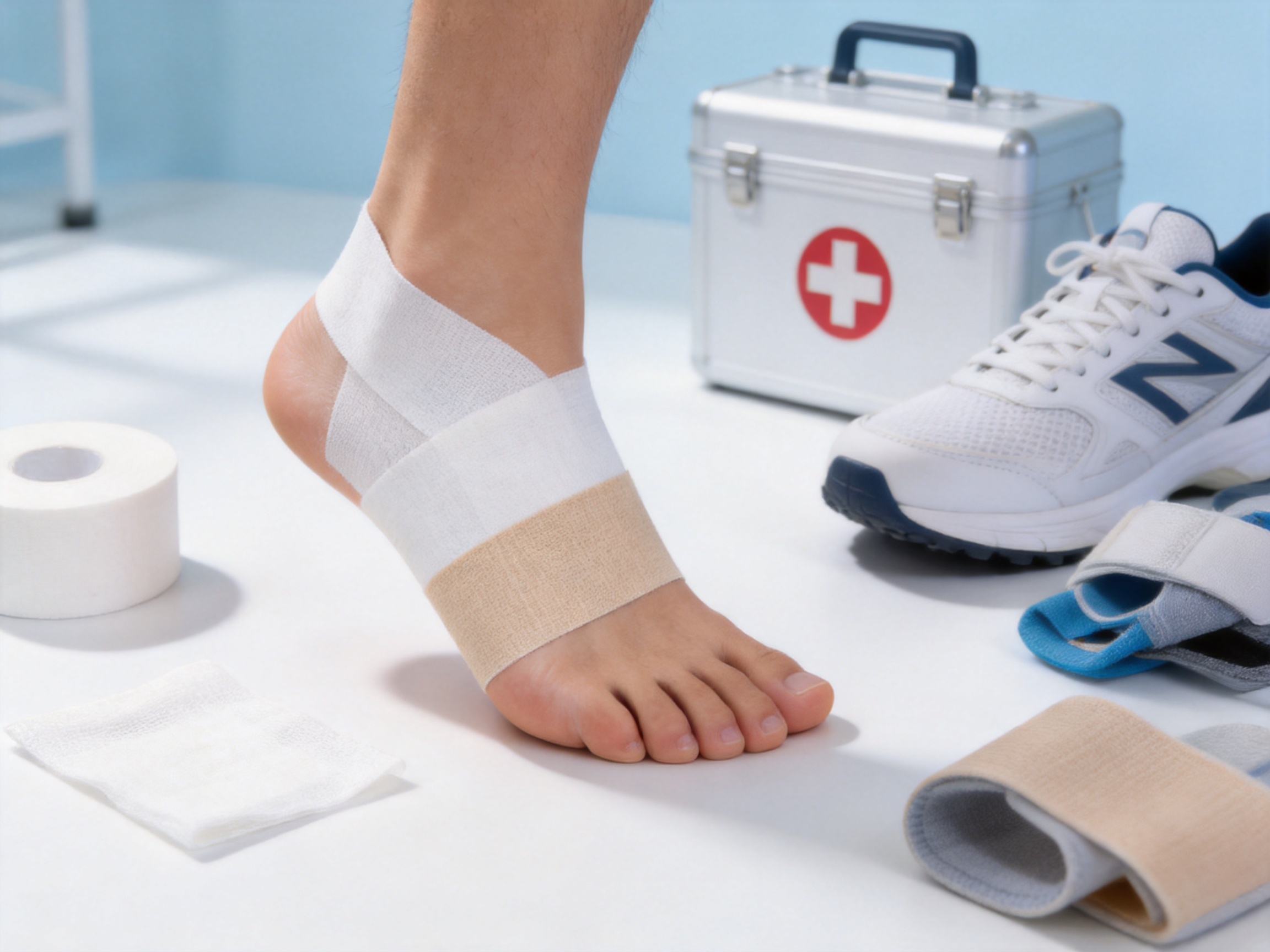
Its soft foam backing is useful for areas that experience friction from footwear or repetitive movement. Heels and toes are common examples. A properly positioned piece of tape may help reduce direct rubbing between the skin and a shoe or sock. This can be valuable for runners, hikers, dancers, team-sport athletes, and people who spend extended periods standing or walking.
The tape may also be used to support vulnerable joints during ordinary activities. It can help hold protective padding or another dressing in place and may provide a light feeling of support around areas such as the wrist, ankle, or finger. However, it should not be presented as a substitute for diagnosis, rehabilitation, immobilization, or treatment of a serious injury.
In sports retail, the product is attractive because it serves several user groups. A single roll format can be included in first-aid kits, training bags, physiotherapy supplies, outdoor activity packs, or household medical cabinets. Wider sizes can be useful for larger protective areas, while narrower sizes can be convenient for fingers, toes, small abrasions, and localized fixation.
Protection Against Heel and Toe Abrasion
Blisters often develop when repeated friction, pressure, moisture, and heat affect the skin. Footwear that fits poorly, newly purchased shoes, long-distance walking, and intense sports activity can increase the risk. PE foam tape can act as a soft protective interface over a suitable intact area that is at risk of rubbing.
For prevention, the user should apply the tape before significant friction occurs. The area should be clean and dry, and the tape should lie smoothly without folds. Wrinkles or excessive overlap can create new pressure points. The product should not be wrapped tightly around a toe or joint in a way that interferes with circulation.
If a blister has already formed, the correct care depends on its condition. A healthcare professional may recommend a particular dressing or treatment. Medical PE foam tape can sometimes be used to secure a dressing or provide surrounding protection, but it should not be assumed to be a complete treatment for an open, infected, or complicated blister.
Support During Daily Activities
Not all users need rigid support. Some people require a flexible protective layer for household work, light exercise, gardening, travel, or routine movement. The foam backing can make the tape more comfortable in these circumstances than a hard, non-cushioned strip.
For distributors, this broad usability creates a strong product position between ordinary adhesive strips and specialized orthopedic support products. It is a medical consumable with a simple operating principle, low equipment requirements, and multiple possible points of sale.
Use in First Aid and Wound Care
Medical PE foam tape can support first-aid procedures by helping secure gauze, non-woven dressings, protective pads, and other wound-care materials. The tape itself is not a wound dressing and should not be confused with sterile gauze, an adhesive bandage, an antimicrobial dressing, or a wound closure device. Its primary role is fixation and protection.
In a first-aid kit, it can complement cotton products, gauze rolls, elastic bandages, antiseptic materials, wound pads, and disposable gloves. The 4.5-meter roll offers a practical amount for repeated household or professional applications, while the range of widths makes it possible to select a suitable format for the body area and dressing size.
Healthcare workers may use medical tape to secure a dressing while allowing the patient to move naturally. The foam construction may also help reduce the uncomfortable feeling of a hard tape edge. In a care environment, ease of tearing, predictable roll handling, clear packaging, and consistent coating are important because staff may need to work quickly.
When used near a wound, application should be performed according to the instructions for the dressing and the care plan. The adhesive should generally be applied to the surrounding intact skin rather than directly over an open wound. A tape should not be used to seal a wound unless it is specifically designed and labeled for that purpose.
Advantages Compared with Conventional Tape Formats
Medical PE foam tape competes with several other tape categories, including rigid plastic tape, non-woven medical tape, cloth tape, elastic adhesive bandage, paper tape, and general-purpose adhesive tape. Each category has a different role. The advantage of PE foam tape is not that it replaces every alternative, but that it combines several useful properties in one format.
Softness and Cushioning
Flat film tape can be thin and strong but may provide limited cushioning. The foam backing adds a softer layer that can be beneficial in areas exposed to friction or light pressure. This gives PE foam tape a distinct position in blister prevention, foot protection, and joint-support applications.
Lightweight Construction
PE foam is lightweight, which helps reduce the bulk of the applied product. This is important for users who need a protective layer beneath footwear, clothing, gloves, or sports equipment. A lightweight roll is also easier to transport, store, and include in emergency kits.
Flexible Handling
The backing can conform to curved body surfaces more readily than rigid materials. This helps users apply the tape around fingers, toes, ankles, wrists, and other contoured areas. Flexibility may also improve comfort during ordinary movement, provided the tape is not applied too tightly.
Broad Size Selection
The availability of six standard widths makes the product suitable for different application scales. A narrow roll may be chosen for small fixation tasks, while a wide roll may be converted or applied for larger protective areas. This range can simplify purchasing for hospitals, distributors, and sports retailers.
Multiple Packaging Choices
Bulk packing can reduce handling costs for institutional buyers. Boxed or shrink-wrapped products may be appropriate for medical distributors and pharmacy channels. Blister packaging can improve retail presentation and provide a convenient consumer-facing format. Packaging flexibility is a commercial advantage because the same underlying product can be prepared for multiple sales channels.
Customization Potential
Customized sizes and packaging allow importers and private-label customers to align the product with local regulations, shelf dimensions, language requirements, customer preferences, and market positioning. Customization may include roll dimensions, core selection, label design, unit count, carton configuration, and packaging style, subject to technical and commercial review.
| Comparison Factor | Medical PE Foam Tape | Potential Benefit |
|---|
| Backing feel | Soft polyethylene foam | Improves cushioning and user comfort |
| Movement | Flexible and lightweight | Suitable for curved areas and routine activity |
| Friction protection | Foam interface between skin and external contact | Useful for selected heel, toe, and abrasion-prevention applications |
| Adhesive behavior | Medical pressure-sensitive adhesive with moderate viscosity | Balances attachment and practical handling |
| Format range | Multiple widths and 4.5-meter standard length | Supports diverse clinical, sports, and household needs |
| Packaging flexibility | Bulk, box, shrink, or blister | Adapts to institutional and retail distribution |
| Customization | Custom sizes and packaging available | Supports private-label and market-specific programs |
Manufacturing Process and Quality Considerations
A reliable medical tape is the result of controlled material selection, coating, slitting, inspection, winding, and packaging. Although the final roll may appear simple, each production stage can affect adhesive performance, appearance, dimensional consistency, and user experience.
Material Selection
The process begins with the selection of suitable PE foam backing and medical pressure-sensitive adhesive. The foam must have appropriate thickness, flexibility, surface condition, and mechanical integrity for the intended product. The adhesive must be compatible with the backing and capable of producing a consistent coating.
Material control is important because variation in foam density, surface energy, or thickness can affect the final tape. Incoming materials may be checked against purchasing specifications and internal quality requirements before entering production. Traceability of batches helps manufacturers investigate questions and maintain consistent supply.
Surface Preparation
Before coating, the backing surface must be prepared so that the adhesive can form a stable bond with the foam. Surface cleanliness, tension, and uniformity are important. Contamination, dust, moisture, or irregularities can result in coating defects or inconsistent adhesion.
Production areas for medical consumables should be organized to reduce contamination risks. Material movement, personnel procedures, equipment maintenance, and cleaning schedules all contribute to a controlled manufacturing environment.
Full Adhesive Coating
The product uses full coating, meaning the intended adhesive area is covered rather than relying on intermittent adhesive patterns. A controlled coating process helps produce an even adhesive layer along the web. Coating weight, line speed, drying or curing conditions, and web tension may be monitored according to the adhesive system and production requirements.
Uniform coating is essential for predictable handling. Areas with too little adhesive may fail to hold a dressing or protective layer, while excessive adhesive may make the tape difficult to handle or increase residue concerns. Consistent production controls therefore help balance adhesion, comfort, and conversion quality.
Slitting and Winding
After coating and any required conditioning, the master web is slit into the requested widths. Plain-edge slitting provides a straightforward format for standard rolls. Slitting accuracy affects the finished width, edge appearance, winding quality, and packaging fit.
Winding tension must be controlled so that the roll is neither too loose nor excessively compressed. A poorly wound roll may telescope, deform, unwind unevenly, or create difficulties during dispensing. Consistent winding helps preserve the product during storage and transportation.
Core Installation
Transparent cores and paper cores may be used according to customer requirements. The core must be dimensionally compatible with the roll and packaging. Core quality influences roll stability, dispensing, stacking, and appearance.
For retail products, the core and outer package can contribute to the visual presentation. For hospitals and high-volume distributors, functional handling and efficient carton packing may be more important. Offering both core options gives buyers greater flexibility.
Inspection and Packaging
Finished rolls can be inspected for width, length, edge quality, winding appearance, color, adhesive continuity, labeling, and packaging integrity. Depending on the product specification and applicable quality system, other evaluations may also be performed.
Packaging protects the roll from dust, moisture, mechanical damage, and unintended contact during storage and distribution. Bulk packing may be selected for further conversion or institutional use. Box, shrink, and blister formats offer progressively greater retail or unit-level presentation.
Production Strengths of an Experienced Medical Manufacturer
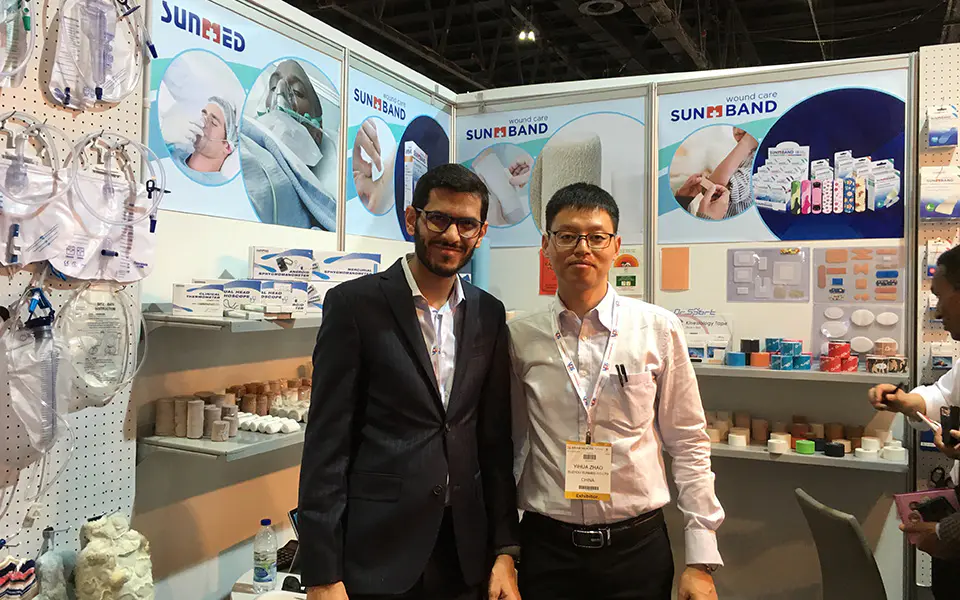
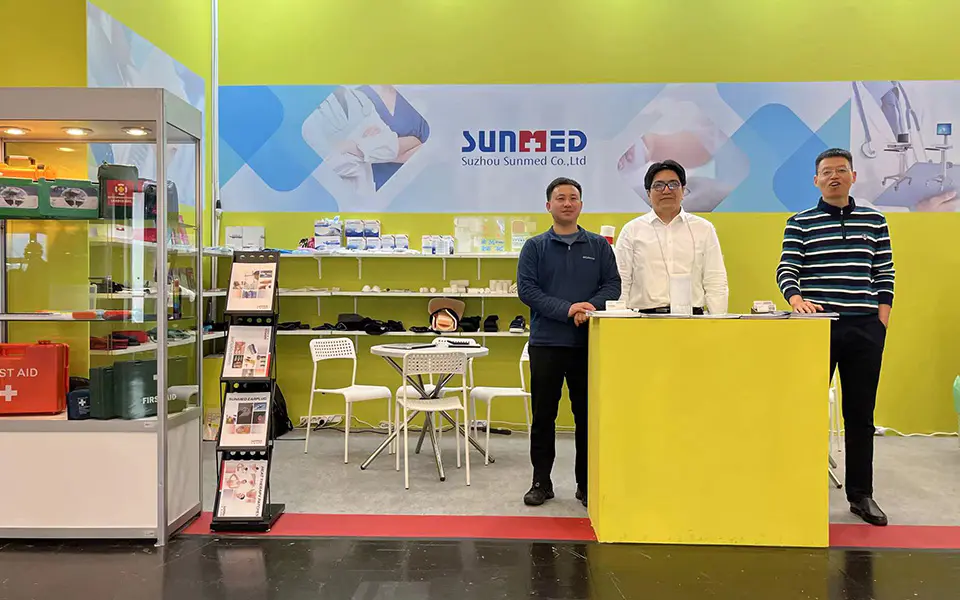
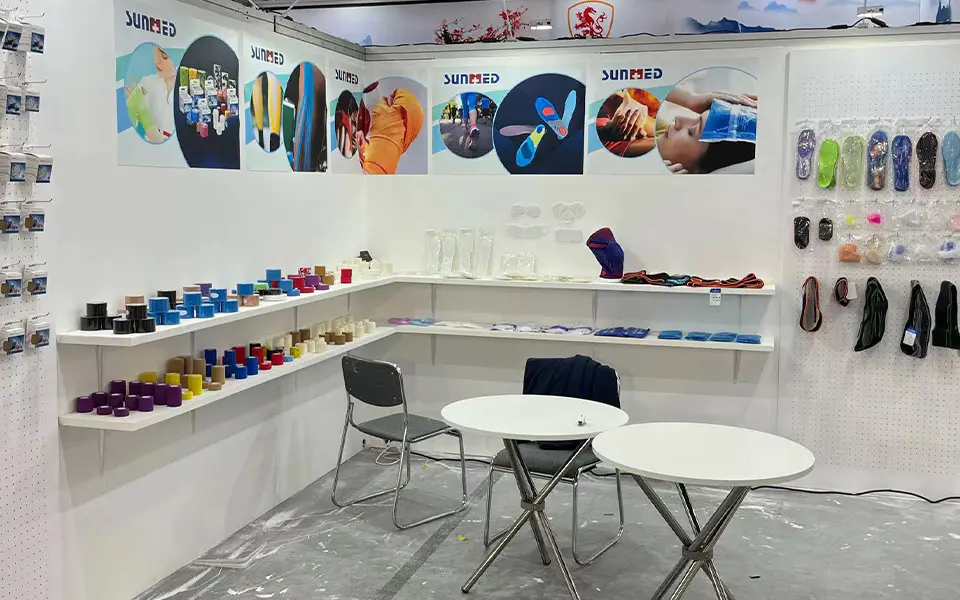
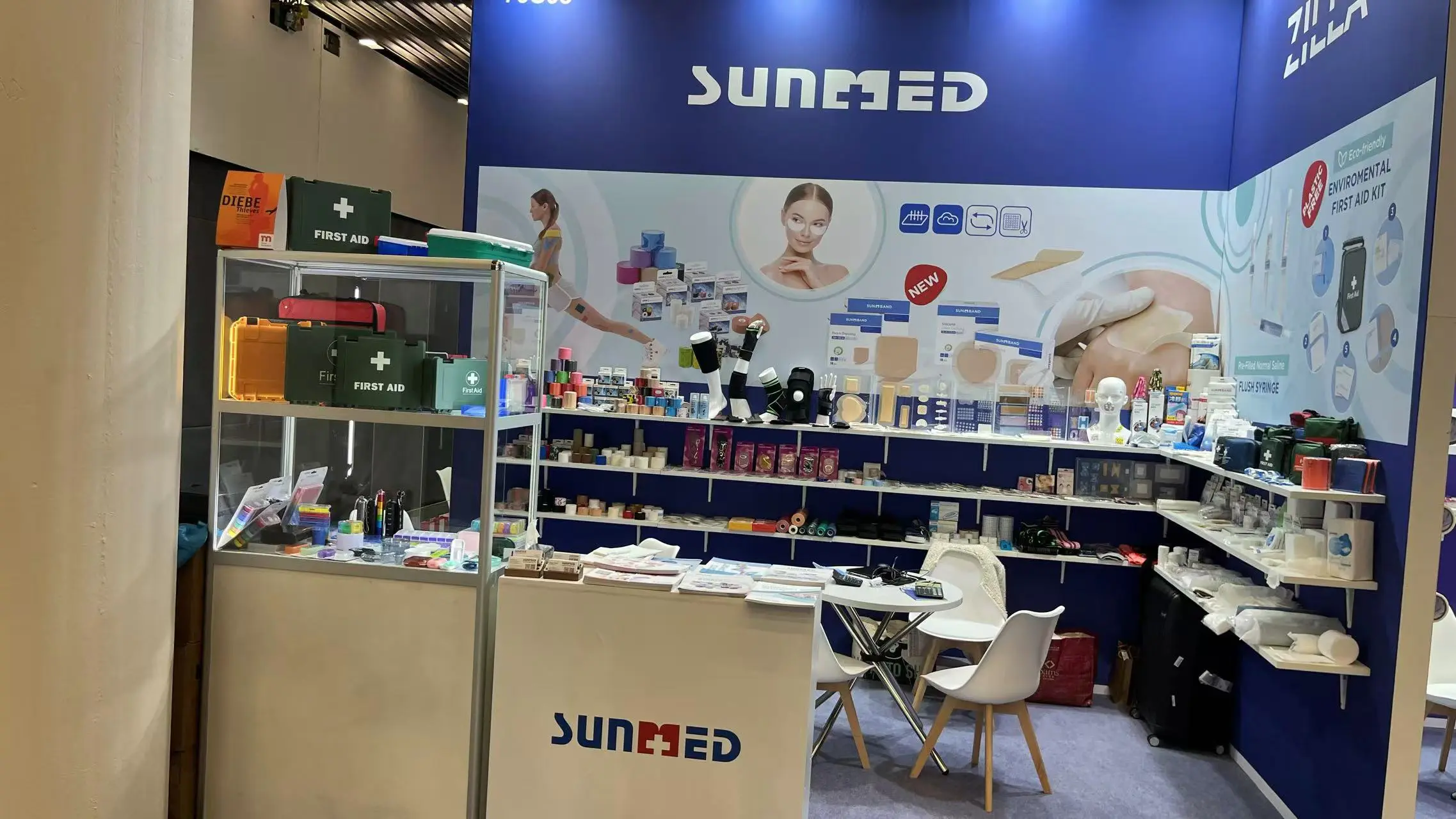
Suzhou Sunmed Co., Ltd. is a professional manufacturer and exporter of first-aid, medical, and healthcare products in China. Its product portfolio includes medical gauze, bandages, medical tape, medical cotton, non-woven products, sports bandages, kinesiology tape, cohesive bandages, pill boxes, hot and cold packs, disposable syringes, catheters, surgical consumables, and other medical supplies.
The company operates multiple production bases in Jiangsu, Zhejiang, and Anhui Province. This manufacturing structure supports a broad product range and provides access to production capabilities across several medical and healthcare categories. For buyers seeking more than one product family, a diversified supplier can simplify communication, sourcing coordination, quality documentation, and shipment planning.
With approximately 30 years of experience in the medical device and medical consumables industry, the company has developed knowledge of product development, manufacturing controls, export requirements, and international customer service. Experience is particularly valuable for products that must be adapted to different markets and distribution channels.
Specialized First-Aid Manufacturing
The company established its first-aid factory in 2008 to meet the demands of first-aid customers. This background is directly relevant to medical PE foam tape because the product is commonly used alongside wound dressings, gauze, bandages, cotton products, and other first-aid materials.
A supplier with experience in connected product categories can better understand how the tape will be used in a complete care kit. It may also help customers coordinate complementary items, such as dressing pads, elastic support products, cohesive wraps, disposable gloves, and wound-care accessories.
Expansion of Sports-Support Production
In 2021, the company established a factory for kinesiology tape, cohesive bandages, and elastic adhesive bandages. This expansion strengthened its sports-support and flexible bandage capabilities. Medical PE foam tape fits naturally within this broader product area because it is intended for support, protection, anti-abrasion use, and injury-prevention applications during exercise or daily activities.
Sports-support customers often need products with different widths, packaging formats, colors, adhesive characteristics, and levels of flexibility. Experience with kinesiology tape and cohesive products can contribute to a better understanding of sports retail requirements, although each tape must still be evaluated according to its own technical specifications.
Quality Management Orientation
The company reports a professional quality-control team comprising hundreds of personnel. Its inspection procedures are designed to support compliance with ISO 13485:2016 standards. Most of its products are CE certified, and its Suzhou factories comply with FDA requirements, according to the supplied company information.
Certification and regulatory statements should always be confirmed for the specific product, model, intended use, and destination market. Nevertheless, a quality-management orientation is an important supplier strength. It indicates that production is supported by documented procedures, defined responsibilities, inspection activities, and an emphasis on traceability and continual control.
For medical tape buyers, quality management may cover:
Control of incoming PE foam and adhesive materials.
Identification and traceability of production batches.
Monitoring of coating and converting processes.
Inspection of finished roll dimensions and appearance.
Review of packaging, labels, and shipment quantities.
Handling of nonconforming products and corrective actions.
Maintenance and calibration of relevant equipment.
Retention of production and inspection records.
Advantages for Wholesale and Private-Label Buyers
Medical PE foam tape is suitable for a range of B2B procurement models. Hospitals may purchase it as part of first-aid or dressing supplies. Medical distributors may supply it to clinics, pharmacies, nursing centers, and emergency-response organizations. Sports retailers may include it in athletic support and outdoor-care categories. Private-label companies may request customized packaging for their own brands.
The standard width range helps buyers create a product family instead of offering only one size. This can increase shelf coverage and make it easier for customers to select a format based on the body area or intended application.
Packaging flexibility is another commercial benefit. Institutional buyers often prioritize efficient cartons and economical unit costs. Retail buyers may require individual boxes, shrink-wrapped rolls, or blister cards with product information. A manufacturer able to provide multiple packing structures can reduce the need for separate suppliers.
Customized packaging can also support localization. Depending on applicable requirements, customers may request different languages, instructions, barcodes, unit counts, carton markings, or packaging dimensions. Artwork, labeling, and regulatory information should be reviewed carefully before mass production.
Supply Coordination Across Product Categories
Many buyers prefer to consolidate shipments. A supplier that manufactures tapes, gauze, bandages, cotton products, sports supports, and other healthcare items may help reduce communication complexity. Combined purchasing can also make it easier to build first-aid kits, sports-care packages, hospital supply programs, and pharmacy assortments.
However, buyers should evaluate each product separately. A strong general supplier does not eliminate the need for product-specific technical documentation, samples, quality checks, and regulatory review. Medical PE foam tape should be assessed according to its own adhesive, backing, packaging, and intended-use requirements.
Recommended Application Practices
Correct application helps users obtain the intended balance of support, protection, and comfort. The following general practices can help, although final instructions should be based on the product labeling and professional guidance.
Prepare the Application Area
Clean and dry the surrounding skin before application. Oils, lotions, sweat, water, and loose particles may reduce adhesion. If hair removal is necessary, it should be performed carefully to avoid skin damage. Tape should not normally be applied to visibly broken, infected, or severely irritated skin unless a healthcare professional directs its use.
Select the Appropriate Width
Choose a width that covers the required area without unnecessary overlap. Narrow widths may be useful for fingers, toes, small dressings, and localized protection. Medium widths can support general fixation and joint-area applications. Wider rolls may be useful for larger protective surfaces or for cutting custom pieces.
Apply Without Excessive Tension
Medical PE foam tape should generally be laid smoothly rather than pulled tightly. Excessive tension can cause discomfort, skin stress, restricted circulation, or unwanted pressure after movement. For joint areas, the user should consider how the skin and joint will move after application.
Press the Tape into Place
Gentle, even pressure can help the pressure-sensitive adhesive establish contact. The edges should be checked to ensure that they are secure and not folded. If a roll is being used to secure a dressing, the dressing should remain correctly positioned before the tape is applied.
Monitor the Skin
Users should observe the application area for discomfort, redness, swelling, itching, numbness, or other unusual reactions. If a significant reaction occurs, the tape should be removed and medical advice sought when appropriate. People with known adhesive sensitivities should consult a healthcare professional before use.
Store the Product Correctly
Rolls should remain in their original packaging until needed. Storage in a clean, dry environment away from excessive heat, direct sunlight, moisture, and chemical contamination can help preserve the product. Stock should be rotated according to the recommended shelf-life and inventory-control procedures.
Regulatory and Quality Documentation
Medical tape is regulated differently in different markets. Product classification, labeling, conformity assessment, registration, sterile status, intended use, and post-market obligations may vary by country. Buyers should confirm the requirements applicable to their destination market before placing an order.
Typical documentation requests may include a product specification sheet, material declaration, manufacturing information, quality certificates, test reports, packaging details, labeling artwork, and a declaration related to applicable regulatory requirements. Additional documents may be needed for private-label products or government tenders.
It is important to distinguish between a general company certificate and documentation applicable to the specific product. A buyer should verify product names, models, sizes, intended uses, manufacturing locations, and validity dates. Claims about CE certification, FDA compliance, or other regulatory status should be checked against the exact product and market pathway.
For institutional purchasing, buyers may also establish incoming inspection criteria. These may cover roll width, roll length, color, core dimensions, coating appearance, packaging integrity, labeling accuracy, and sample-based adhesion or handling checks. Acceptance criteria should be agreed before production.

Why Product Consistency Matters
Medical tape is often used in repetitive workflows. A nurse may apply it several times during a shift, a sports trainer may use it for multiple athletes, and a distributor may reorder the same item over many years. In each case, consistency is more valuable than a single excellent sample.
Consistent foam thickness helps maintain a familiar feel. Consistent adhesive coating supports predictable handling. Consistent width and roll length make inventory planning easier. Consistent packaging reduces receiving errors and simplifies warehouse storage.
Batch-to-batch consistency also helps customers create clear instructions for their staff and end users. When the product behaves similarly from one order to the next, training requirements may be reduced and user confidence may increase.
An established quality-control system can support this consistency through approved suppliers, production records, process checks, finished-product inspection, and corrective-action procedures. These elements are especially important for export customers that may be located far from the manufacturing site and need dependable communication and documentation.
Environmental and Packaging Considerations
Medical products must be packaged to protect their performance and cleanliness, but buyers are increasingly interested in reducing unnecessary material use. Packaging decisions should balance product protection, shelf life, transportation stability, retail presentation, and local waste-management conditions.
Paper cores may be preferred by some customers because of their familiar handling and potential compatibility with paper-recycling systems, although the complete packaging structure must be considered. Transparent cores may provide a different appearance and may be selected for functional or presentation reasons. The most appropriate option depends on customer specifications, market expectations, and applicable environmental policies.
Bulk packaging can reduce the amount of individual packaging per roll and may be appropriate for hospitals, distributors, and manufacturers that further convert or repackage the tape. Blister packaging, in contrast, may offer greater protection and product visibility for retail environments. Customers should assess the total packaging footprint rather than selecting a format based on one component alone.
Manufacturers and buyers can also review carton efficiency, pallet utilization, printing requirements, packaging weight, and shipment distance. These factors influence the overall environmental profile of the product and may help reduce logistics costs at the same time.
Product Development Opportunities
The basic medical PE foam tape format can be adapted for different customer requirements. Product development discussions may include alternative widths, lengths, colors, core types, adhesive characteristics, package counts, and label formats.
Some customers may require a compact consumer roll for travel or household first aid. Others may need larger rolls for institutional use. A sports brand may request beige packaging and athletic-oriented instructions, while a hospital distributor may prefer a clinical white format with carton-level identification.
Customization should be supported by technical evaluation. A change in backing thickness, adhesive coating, roll length, or packaging may affect performance, shelf life, shipping behavior, or regulatory documentation. Samples should be reviewed before mass production, and any new specification should be confirmed in writing.
How to Evaluate a Supplier
When comparing medical tape suppliers, buyers should consider more than the quoted price. A low unit price may not represent the best value if the product has inconsistent coating, poor winding, inadequate packaging, or weak technical support.
Important evaluation points include:
Experience in medical consumables and pressure-sensitive tape products.
Availability of product specifications and samples.
Production capacity and ability to maintain supply continuity.
Quality-management procedures and inspection resources.
Traceability of raw materials and production batches.
Options for standard and customized sizes.
Packaging development and private-label support.
Export experience and familiarity with destination-market requirements.
Communication speed, documentation quality, and after-sales response.
Ability to coordinate related products in the same shipment.
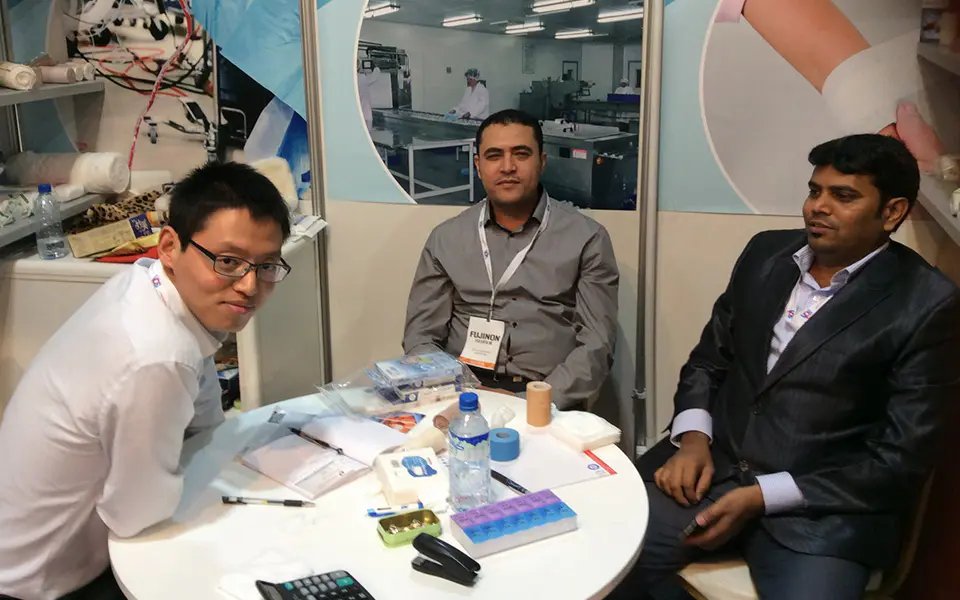
Suzhou Sunmed Co., Ltd. reports exports to more than 60 countries, including markets in Europe, Southeast Asia, Africa, and Oceania. Its customer base includes hospitals, first-aid suppliers, supermarkets, and retail sports shops. This international experience can be useful when buyers need assistance with product adaptation, packaging, shipment planning, and market-specific documentation.
Storage, Transportation, and Shelf Management
Adhesive medical products should be stored under conditions that protect the backing and adhesive. Excessive heat can influence adhesive behavior, while moisture and contamination may affect packaging and product appearance. Direct sunlight may also contribute to discoloration or material aging.
Warehouses should keep rolls in their original packaging and avoid placing heavy loads on cartons unless the packaging has been designed for stacking. Cartons should be protected from crushing, puncture, and water exposure. During transportation, pallet stability and appropriate outer-carton protection can help prevent deformation.
Inventory should be managed using a first-expired, first-out or equivalent procedure. Batch numbers and expiration dates, where applicable, should be recorded during receipt and distribution. Retailers and medical institutions should inspect packaging before use and remove products with damaged or compromised packaging according to their internal procedures.
Frequently Asked Questions
What is medical PE foam tape used for?
It is used for selected medical, first-aid, sports-support, and daily-care applications. Common uses include securing dressings, supporting protective pads, helping protect vulnerable skin from friction, supporting sprains and strains during suitable activities, and reducing abrasion around heels and toes.
Is medical PE foam tape the same as an adhesive bandage?
No. An adhesive bandage normally includes a wound pad and adhesive sections in a pre-assembled format. Medical PE foam tape is supplied as a roll and is primarily used for fixation, support, and protection. It may be used with a separate dressing but does not automatically include a wound pad.
Can it be used directly on an open wound?
The tape should not normally be placed directly over an open wound unless the product labeling specifically permits that use and a healthcare professional recommends it. It is generally used on surrounding intact skin to secure a suitable sterile or non-sterile dressing, depending on the care situation.
Is the tape suitable for sports activities?
It can be used for selected sports-support and anti-abrasion applications. It may help support protective materials or provide a soft barrier in areas exposed to rubbing. It should not be considered a replacement for professional assessment, rehabilitation, bracing, or treatment of a significant sports injury.
What widths are available?
Standard widths include 2.5 cm, 5 cm, 7.5 cm, 10 cm, 15 cm, and 20 cm. Customized sizes may also be available after technical review and order confirmation.
What is the standard roll length?
The standard length is 4.5 meters. Other lengths may be discussed for customized projects, private-label programs, or specific distribution requirements.
What colors are available?
The standard colors are white and beige. White provides a clean clinical appearance, while beige may offer a more discreet look for certain skin-contact and sports-support applications.
What does full adhesive coating mean?
Full adhesive coating means that adhesive is applied across the intended adhesive surface of the tape rather than only in separated strips or isolated areas. Coating uniformity is important for consistent product handling and holding performance.
What core options are offered?
The product can be supplied with a transparent core or paper core. The selection may depend on customer preference, packaging design, handling requirements, and market expectations.
Can the packaging be customized?
Yes. Bulk, box, shrink, and blister packaging are available as standard options, and customized packaging can be developed for approved projects. Buyers should confirm artwork, labeling, language, carton configuration, and regulatory information before production.
How should the tape be applied?
The area should generally be clean and dry. Select a suitable width, position the tape smoothly, avoid excessive tension, and press it gently into place. Users should monitor the skin and remove the product if significant irritation, numbness, swelling, or discomfort occurs.
Can people with sensitive skin use it?
Skin sensitivity differs from person to person. Anyone with known adhesive sensitivity should seek appropriate advice and may consider a small-area assessment when suitable. The tape should be removed if an unusual skin reaction occurs.
What makes this product different from rigid plastic tape?
The polyethylene foam backing provides a softer, more cushioned, and more flexible structure. This can make it more suitable for selected friction-protection and movement-related applications than a rigid flat film. The best choice still depends on the intended use and the product requirements.
Can a supplier provide related medical products?
Suzhou Sunmed Co., Ltd. manufactures and exports a broad range of first-aid, wound-care, sports-support, family-healthcare, and medical-consumable products. Buyers can discuss combined sourcing opportunities, while evaluating each product according to its own technical and regulatory requirements.
Conclusion
Medical PE foam tape provides a practical combination of softness, flexibility, moderate adhesion, and cushioning. Its polyethylene foam backing makes it suitable for selected support, fixation, anti-abrasion, and protective applications in first aid, sports, wound care, and daily healthcare. The availability of multiple widths, a standard 4.5-meter length, white or beige colors, transparent or paper cores, and several packaging formats gives buyers useful flexibility.
Compared with rigid or less cushioned tape formats, PE foam tape can offer a more comfortable interface in areas affected by movement, friction, or light pressure. Its full adhesive coating supports consistent contact, while plain-edge slitting and controlled winding contribute to convenient roll handling.
For wholesale and private-label customers, the product also offers commercial advantages. Standard sizes support efficient purchasing, while customized sizes and packaging can serve local market requirements. Bulk, box, shrink, and blister formats make the tape suitable for hospitals, distributors, pharmacies, sports retailers, supermarkets, and household first-aid channels.
The strength of the product is further supported by the manufacturing experience of Suzhou Sunmed Co., Ltd. With approximately 30 years in medical devices and consumables, multiple production bases, specialized first-aid and sports-support capabilities, international export experience, and a substantial quality-control organization, the company is positioned to support both standard product supply and customized sourcing programs.
As with all medical consumables, product selection should be based on intended use, user needs, technical specifications, and destination-market requirements. When correctly specified, manufactured, packaged, and applied, medical PE foam tape can be a dependable addition to professional healthcare supplies, sports-support assortments, and household first-aid kits.
References
1. ISO 13485:2016, Medical Devices — Quality Management Systems — Requirements for Regulatory Purposes.
2. General principles for the safe use, storage, handling, and labeling of medical adhesive products.
3. General wound-care and first-aid practice guidance concerning dressing fixation and protection of intact surrounding skin.
4. Product specification information for medical polyethylene foam tape, including material, color, coating, dimensions, core, and packaging options.
5. Manufacturer information concerning medical consumables, first-aid products, sports-support products, production bases, export markets, and quality-control procedures.

 English
 Español
 русский
 Français
 Deutsch
 italiano
 By Admin