In emergency care, organization is not a convenience; it is a critical factor that can influence response speed, supply protection, and user confidence. The Medical Emergency Metal Aluminum Empty First Aid Box with Belt, model DC660913, is designed for distributors, healthcare purchasers, first aid suppliers, industrial safety teams, institutions, and retail channels that require a durable, practical, and customizable storage solution for essential first aid supplies. As an empty first aid box, it provides the structural foundation for building customized emergency kits for homes, workplaces, vehicles, schools, sports environments, construction sites, public facilities, and medical support programs.
This product combines aluminum construction, practical portability, optional internal organization, and protective performance in one simple but highly useful design. It is available in two sizes: a small size measuring 27.8 x 19.5 x 13.6 cm and a large size measuring 52 x 38 x 38 cm. Both versions are suitable for different kit configurations, from compact personal or vehicle emergency sets to larger industrial, institutional, or field-use first aid systems. The box comes with a handle and belt tie, supports optional transparent plastic dividers, and is designed to be damp and dust proof, helping protect medical consumables from contamination, moisture exposure, and disorganized storage.
For buyers comparing first aid storage solutions, the difference between an ordinary box and a purpose-built aluminum emergency box becomes clear in practical use. Plastic cases can crack under repeated impact, fabric pouches may absorb moisture, and low-grade metal boxes can deform or corrode quickly. Aluminum provides a strong but lightweight alternative, offering reliable protection while remaining easy to carry. The DC660913 empty first aid box offers a professional appearance, customizable color options, branding capability, and flexible internal arrangement, making it particularly suitable for OEM orders, wholesale programs, emergency preparedness projects, and private-label medical supply kits.
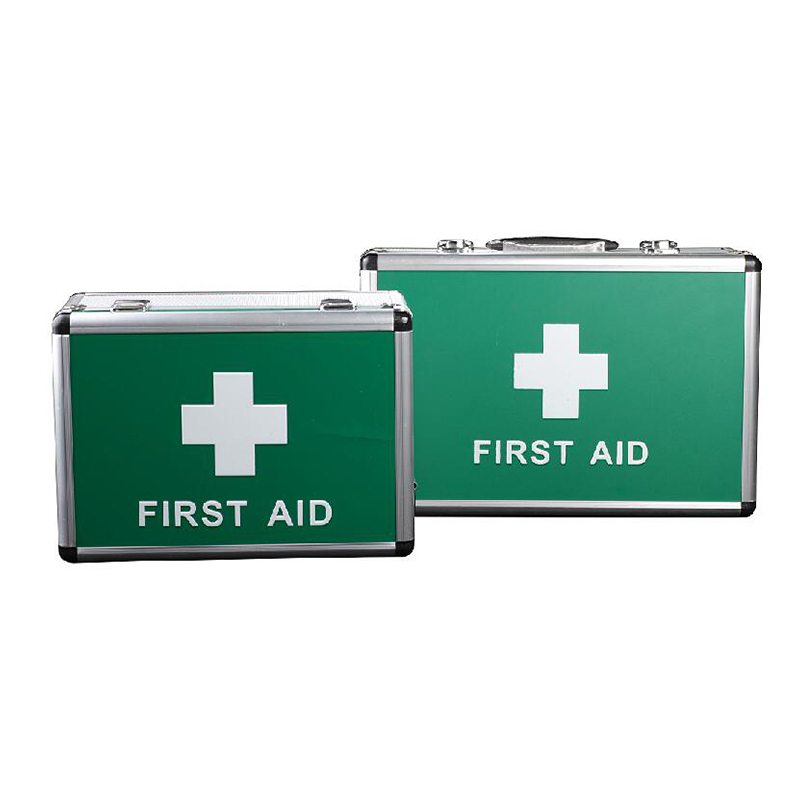
Medical Emergency Metal Aluminum Empty First Aid Box with Belt
Product Overview: A Professional Empty First Aid Box for Customized Emergency Kits
The DC660913 aluminum first aid box is designed for users who need an empty container that can be filled according to specific medical, industrial, sports, travel, or household requirements. Unlike pre-packed kits that may include items unsuitable for a target market or fail to meet local standards, an empty first aid box gives distributors and organizations full control over the contents. This is especially valuable for companies that supply different regions, customer categories, or regulatory environments.
The product title, Medical Emergency Metal Aluminum Empty First Aid Box with Belt, accurately reflects its core value. It is a metal first aid storage case made from aluminum, intended for emergency medical preparedness, supplied empty for flexible packing, and equipped with a belt tie for additional portability and secure handling. The product is available in green as a standard color, while custom colors can be produced according to customer branding or project needs. The box can also be branded, allowing buyers to add logos, emergency symbols, instructions, or other identification details.
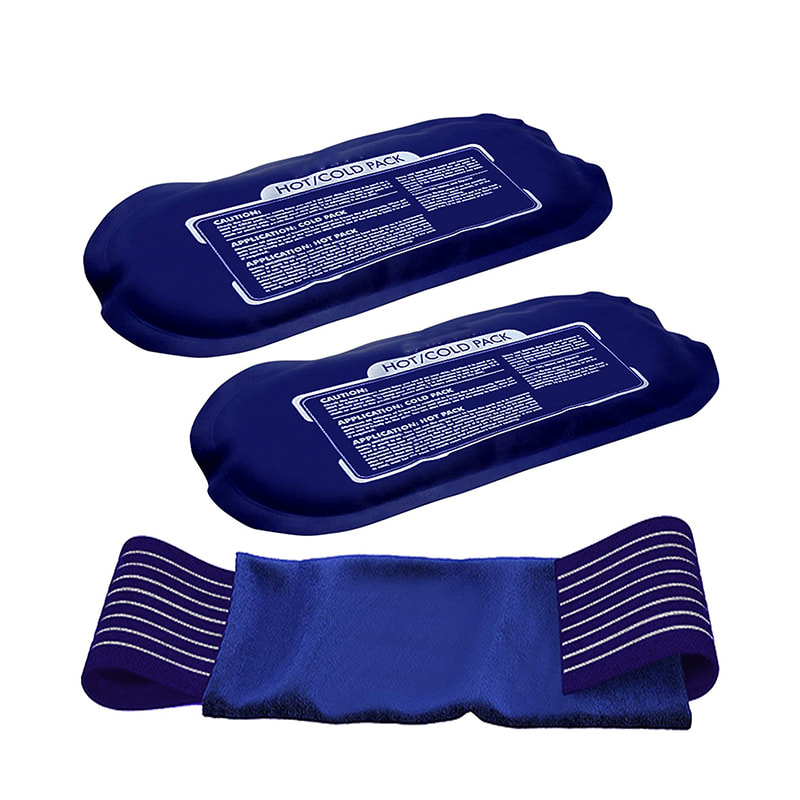
The small size is suitable for compact kits that may include adhesive bandages, gauze pads, medical tape, small scissors, gloves, alcohol pads, antiseptic wipes, cotton products, and basic wound care items. It can be used in vehicles, offices, classrooms, retail first aid kits, and home emergency drawers. The large size can be configured for more extensive kits containing bandages, dressings, hot and cold therapy products, sports support items, wound care products, PPE, diagnostic accessories, and other emergency consumables. It is particularly useful for workplaces, clinics, factories, schools, warehouses, sports clubs, and field teams.
Because the box is empty, it can support a wide range of applications. Medical distributors may use it to assemble first aid kits for hospitals, industrial buyers, supermarkets, and retail sports shops. Safety officers can use it to store products required by workplace emergency response plans. Travel and outdoor product sellers can include it in vehicle or field kits. Healthcare organizations can use it as a portable supply box for event coverage or emergency support. This adaptability is one of its greatest commercial advantages.
Key Specifications
| Product Type |
Empty First Aid Box |
| Model |
DC660913 |
| Material |
Aluminum |
| Small Size |
27.8 x 19.5 x 13.6 cm |
| Large Size |
52 x 38 x 38 cm |
| Standard Color |
Green |
| Customization |
Color and branding available |
| Accessories |
Belt and optional transparent plastic divider |
| Protection Features |
Damp and dust proof |
| Minimum Order Quantity |
500 pcs |
| Intended Use |
Storage and transport of first aid and emergency medical supplies |
Aluminum Construction: Strength Without Unnecessary Weight
One of the most important advantages of the DC660913 first aid box is its aluminum material. Aluminum is widely valued in medical, industrial, transport, and emergency equipment applications because it offers an effective balance of strength, durability, corrosion resistance, and light weight. A first aid box must be strong enough to protect its contents, yet not so heavy that users hesitate to carry it during urgent situations. Aluminum meets both requirements.
Compared with many low-cost plastic first aid cases, aluminum provides better resistance to deformation under pressure. Plastic products may be suitable for light-duty storage, but they can crack if dropped, crushed, exposed to extreme temperatures, or handled roughly during transport. Fabric bags may be flexible, but they do not offer the same structural protection, especially when fragile items such as bottles, scissors, diagnostic accessories, or packaged sterile supplies are stored inside. A metal aluminum case helps preserve the integrity of contents by providing a firm outer shell.
Compared with ordinary steel cases, aluminum has a clear weight advantage and better resistance to rust. Steel can be strong, but it may become heavy in larger sizes and may require more surface treatment to prevent corrosion. In humid storage conditions, poorly finished steel boxes can develop rust spots that reduce product appearance and hygiene perception. Aluminum is naturally more resistant to corrosion, making it suitable for first aid storage in variable environments such as vehicles, warehouses, outdoor activity centers, factories, and coastal regions.
The durability of aluminum also supports long-term value. A first aid box is not normally a single-use item; it may be opened, closed, moved, carried, restocked, and inspected repeatedly over many years. When buyers purchase empty boxes for assembled kits, they need confidence that the container will remain functional after distribution. A box that fails early creates complaints, replacement costs, and brand damage. The DC660913 design helps reduce these risks by using a strong material suitable for repeated handling.
Damp and Dust Proof Protection for Emergency Supplies
Medical consumables require appropriate storage conditions. Gauze, adhesive bandages, medical tape, cotton products, gloves, dressings, and wound care items may lose quality if exposed to moisture, dust, dirt, or poor storage practices. While an empty first aid box does not replace the individual sterile packaging of medical supplies, it plays an important protective role by providing a clean, enclosed storage environment.
The damp and dust proof design of the DC660913 aluminum first aid box helps maintain the condition of stored supplies in everyday environments. In workshops, vehicles, schools, warehouses, kitchens, gyms, and outdoor support stations, first aid kits are often exposed to dust, humidity, accidental splashes, and environmental contaminants. A poorly sealed or open storage container can allow dust accumulation and moisture exposure. This may compromise user trust and reduce the readiness of the kit when an emergency occurs.
By keeping contents better protected, the box helps users maintain emergency preparedness. A first aid kit should be ready at the moment it is needed. If the box is disorganized, damp, dirty, or damaged, response may be delayed. The protective structure of the DC660913 supports regular inspection, safe storage, and rapid access. This makes it suitable for institutions that must maintain visible and reliable emergency supplies for safety compliance and internal health management.
For distributors, damp and dust proof performance can also be a strong selling point. Customers often evaluate first aid boxes not only by price, but also by perceived reliability. A sturdy aluminum box with environmental protection features can be positioned as a premium alternative to basic plastic containers or soft pouches. This creates opportunities for higher-value kit programs and differentiated product lines.
Portability Through Handle and Belt Tie
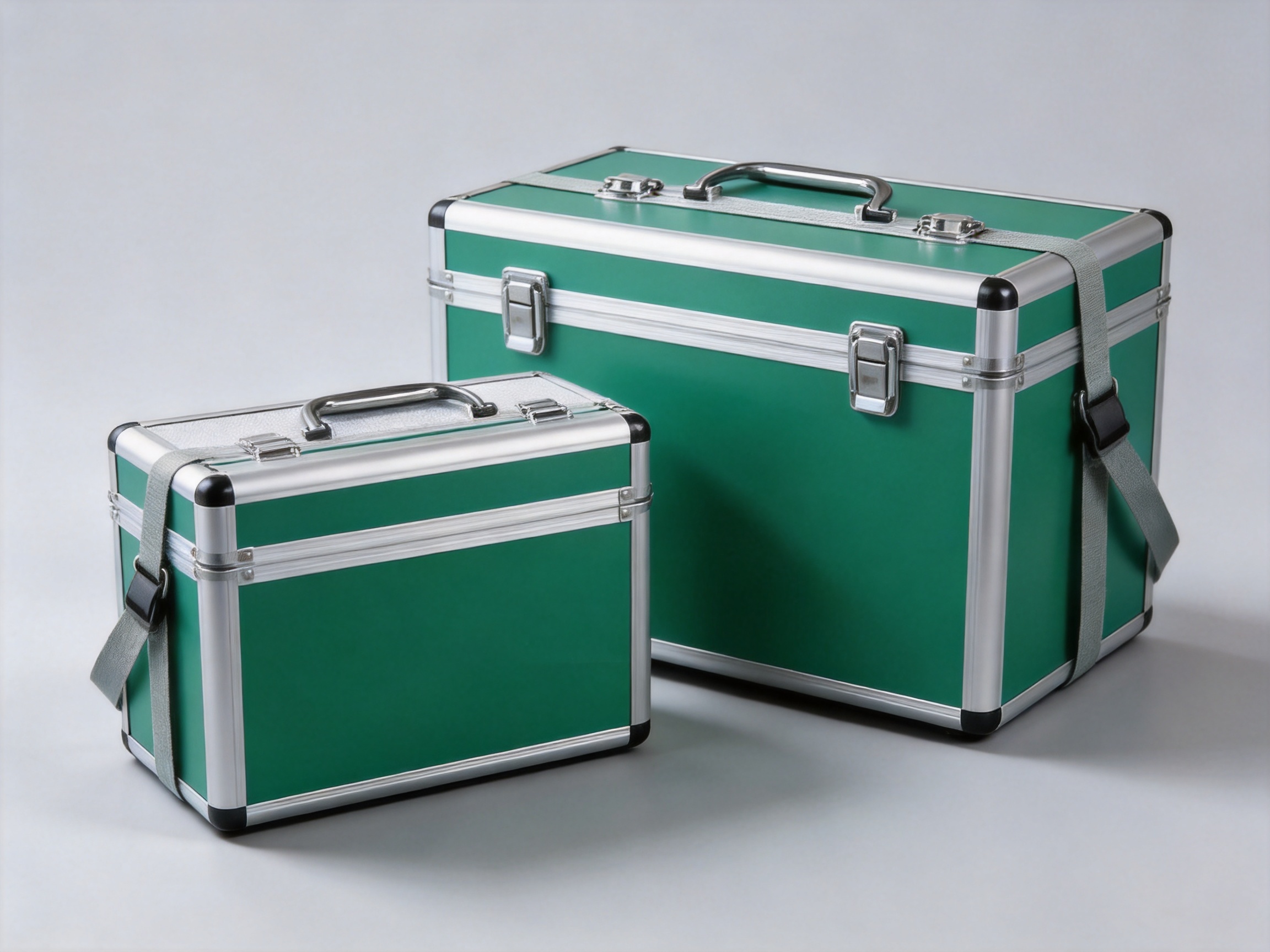
Emergency products must be easy to move. The DC660913 first aid box is equipped with a handle and belt tie, giving users practical options for carrying, securing, and deploying the box. In a workplace emergency, sports injury situation, travel incident, or field operation, responders may need to transport supplies quickly from storage to the injured person. A well-designed handle makes this process more efficient.
The belt tie adds another functional advantage. It can help secure the box during transport, storage, or mobile use. For vehicle kits, field teams, and emergency response setups, the ability to keep the box stable is valuable. When a first aid box moves around loosely in a vehicle or storage compartment, supplies may become disorganized or damaged. A belt tie helps support more controlled handling and placement.
Portability is especially important for the large version of the box. With dimensions of 52 x 38 x 38 cm, the large model can hold a broader range of emergency supplies. However, increased capacity also requires secure handling. The handle and belt feature support mobility, helping users benefit from the larger storage volume without sacrificing practical usability.
For smaller kits, portability supports everyday convenience. The small model can be carried between rooms, placed in vehicles, stored in office cabinets, or used as a compact household emergency kit. Its aluminum structure gives it a professional appearance, while the handle makes it easy for non-medical users to transport during an urgent event. This user-friendly design helps improve the likelihood that emergency supplies will actually be accessible when needed.
Optional Transparent Plastic Divider for Better Organization
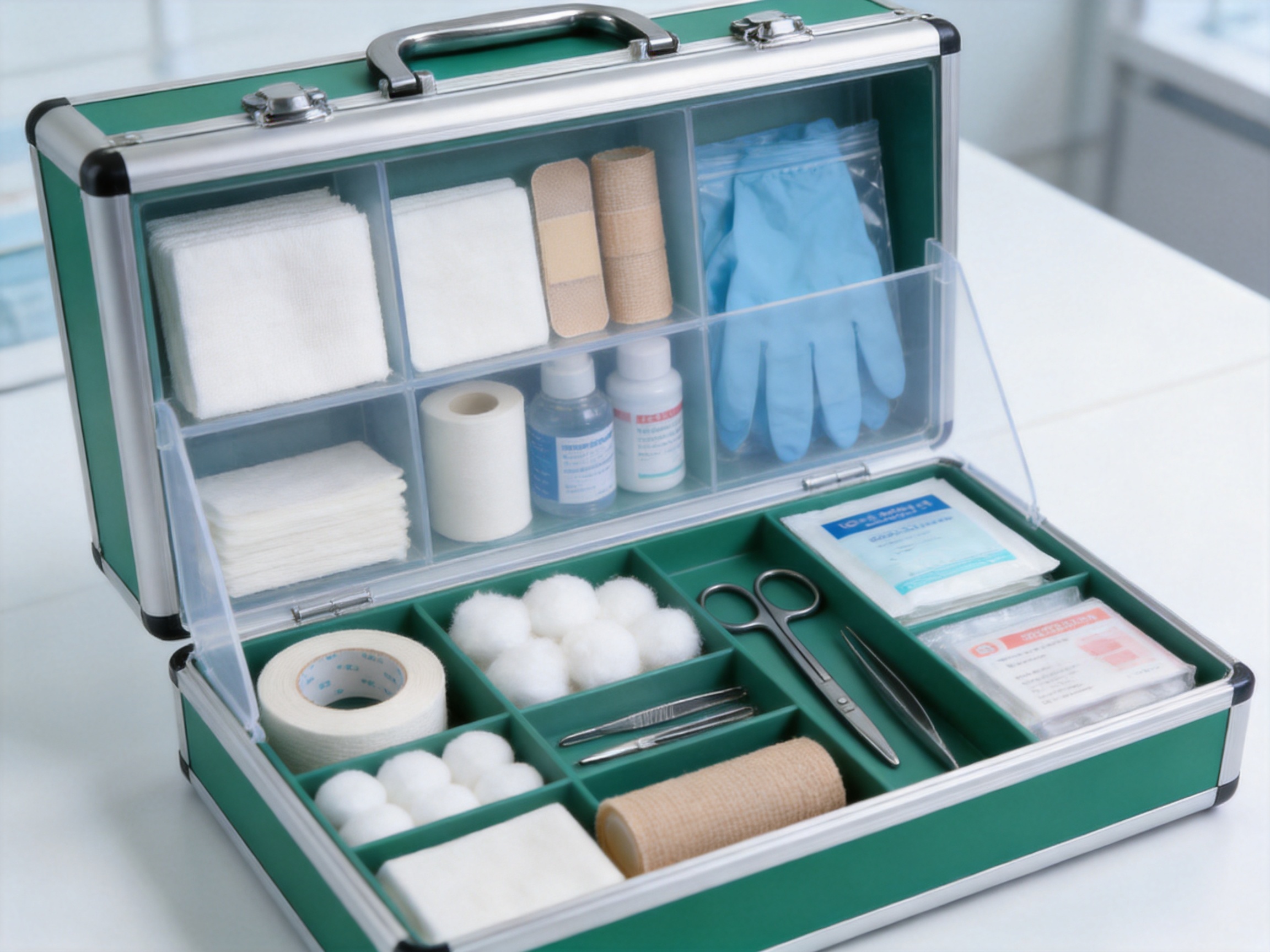
Organization is one of the most important qualities of a first aid box. In emergencies, users may need to locate gloves, bandages, tape, dressings, scissors, or antiseptic products quickly. A disorganized box can waste valuable time, especially for users who are not trained medical professionals. The DC660913 first aid box can be supplied with an optional transparent plastic divider, allowing customers to create internal compartments according to their kit contents.
The transparent divider offers two benefits. First, it separates different categories of supplies, preventing small items from mixing together. Second, because it is transparent, users can identify products more easily without unnecessary searching. For example, adhesive bandages can be kept in one section, gauze pads in another, medical tape in a separate area, and gloves or antiseptic wipes in their own compartment. This arrangement supports faster response and easier restocking.
For distributors assembling finished kits, the divider improves presentation. When end customers open the box, they see a clean, orderly layout instead of loose products. This enhances perceived value and professional quality. It also supports inventory control because missing items are easier to identify during inspection. Schools, factories, clinics, and office safety managers often need to check first aid supplies periodically; organized compartments make that process faster.
The divider is optional, which gives buyers flexibility. Some customers may prefer a completely open interior for larger or irregularly shaped items, while others may require compartmentalized storage. Offering both options allows the product to serve multiple market segments without forcing one configuration on all users. This is a practical advantage for OEM buyers who need to satisfy diverse customer needs.
Two Size Options for Different Emergency Scenarios
The availability of both small and large sizes makes the DC660913 aluminum first aid box suitable for a wide range of applications. A single storage design cannot meet every need. Some users require a compact kit for personal or small office use, while others need a high-capacity case for industrial, institutional, or event emergency response. By offering two sizes, this product supports broader market coverage.
The small size, 27.8 x 19.5 x 13.6 cm, is ideal for basic first aid storage. It can accommodate commonly used consumables such as adhesive bandages, gauze, tape, cotton products, antiseptic pads, disposable gloves, and small tools. It is easy to store in a vehicle, household cabinet, office desk area, retail shelf, or small workplace. Its manageable size makes it suitable for private-label kits targeted at homes, cars, travel, schools, and small businesses.
The large size, 52 x 38 x 38 cm, provides significantly more capacity. It can support larger medical supply sets for workplaces, factories, sports clubs, public venues, construction projects, emergency response teams, and medical distribution programs. Larger kits can include multiple wound care products, rolls of bandages, cold packs, splints, PPE products, diagnostic accessories, and other first aid materials. The large box may also be suitable for centralized emergency storage in facilities where many people may need assistance.
Offering both sizes also supports tiered product strategies. A distributor can create a basic kit using the small model and a professional or industrial kit using the large model. This helps build a coherent product line while using the same overall design language. Customers can choose the size based on budget, workplace risk level, number of users, and required supply volume.
Customization and Branding for OEM and Wholesale Buyers
For wholesale medical supply businesses, customization is not merely decorative; it is a strategic advantage. The DC660913 aluminum first aid box can be produced in green as the standard color, and the color is customizable according to customer requirements. The box can also be branded with logos, product names, emergency symbols, safety instructions, or private-label artwork. This makes it highly suitable for OEM programs, promotional safety kits, retail product lines, government or institutional projects, and distributor-exclusive designs.
Branding helps first aid products stand out in competitive markets. Many first aid boxes are generic, making it difficult for distributors to build customer recognition. A branded aluminum box creates a professional identity and supports repeat purchasing. For supermarkets and retail channels, visual presentation is important. For industrial and institutional buyers, clear branding and labeling can help identify the box as part of a formal safety program.
Custom colors can also support functional differentiation. Green is commonly associated with first aid and safety, but customers may require red, white, blue, silver, black, or other colors depending on regional standards, branding guidelines, or end-use environments. A company may want all emergency equipment to match its safety color system. A sports brand may prefer colors aligned with its retail identity. A government tender may specify a particular appearance. The ability to customize color increases the product’s market flexibility.
In addition, imprinting can include practical information. Instructions such as “First Aid,” “Emergency Kit,” or “Medical Supplies” can be added for easy identification. Some buyers may include emergency contact details, item checklists, or compliance labels. This improves usability and supports professional presentation. For large-volume orders, the minimum order quantity of 500 pieces offers a realistic production basis for customized projects.
Advantages Over Common Competitor Products
The DC660913 aluminum first aid box offers several advantages over competing first aid storage options. These advantages become particularly clear when comparing it with ordinary plastic cases, fabric pouches, low-grade steel boxes, and non-customizable generic containers. Each alternative may have a place in the market, but buyers seeking durable, professional, and customizable emergency storage will find the aluminum design more compelling.
Compared with plastic boxes, the aluminum first aid box provides improved strength and a more professional appearance. Plastic cases may be inexpensive, but they often show wear quickly. Hinges, latches, and corners can weaken over time, especially if the box is dropped or handled roughly. Plastic may also become brittle in certain temperature conditions. Aluminum offers a stronger external shell and better long-term durability, which is important for customers who expect the box to remain in service for years.
Compared with fabric first aid bags, the DC660913 box offers better protection against crushing, dust, and damp environments. Fabric bags are lightweight and flexible, but they can absorb moisture, become dirty, and provide limited protection for contents. In industrial or vehicle applications, a rigid box often provides more confidence. Medical supplies stored in a structured case are less likely to be compressed, scattered, or damaged.
Compared with steel boxes, aluminum offers lighter handling and better corrosion resistance. A steel first aid case can be strong, but if it is heavy, users may be less willing to carry it quickly during emergencies. Rust and paint damage can also reduce product appearance. Aluminum provides a cleaner balance of durability and portability, making it well suited for both small and large first aid storage formats.
Compared with generic first aid boxes that cannot be customized, the DC660913 model supports branding and color customization. This is a major advantage for distributors, importers, safety suppliers, and retail channels. Customers can create a product that matches their brand identity and target market. The optional divider also allows internal customization, providing better organization than simple open boxes.
Another competitive advantage is the availability of two sizes. Many competing products are available in only one format, limiting their usefulness across customer segments. The DC660913 small and large versions allow buyers to develop multiple kit levels while maintaining consistent product quality. This makes it easier to serve home, vehicle, office, industrial, sports, and institutional markets with a unified product family.
Manufacturing Strength Behind the Product
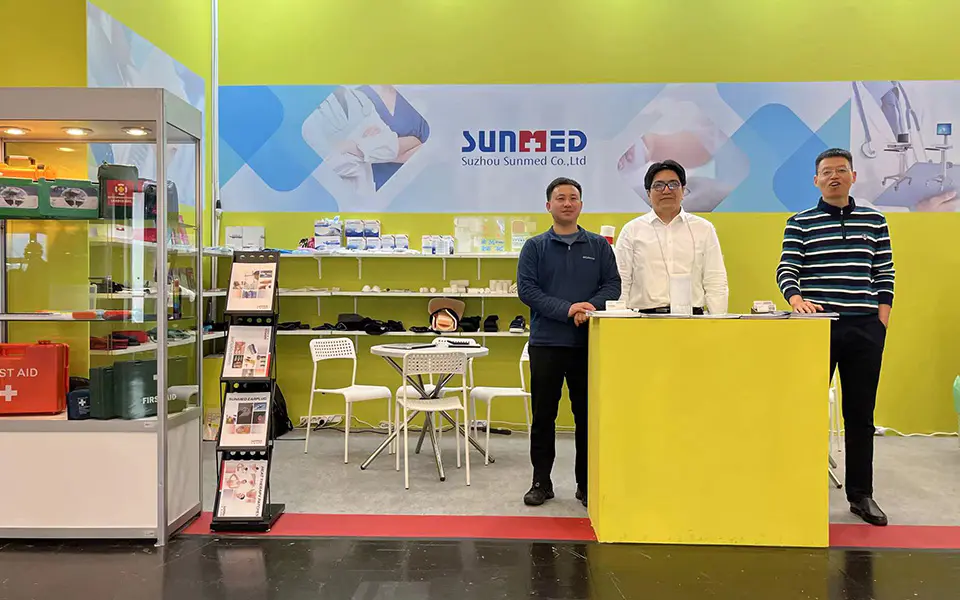
A first aid box is only as reliable as the manufacturing system behind it. Suzhou Sunmed Co., Ltd. brings extensive experience in the medical device, medical consumables, first aid, and healthcare product industries. With approximately 30 years of professional experience, the company understands both the practical needs of emergency product users and the quality expectations of international medical supply buyers. This background supports the development and production of first aid boxes that are not only functional but also suitable for global wholesale and OEM markets.
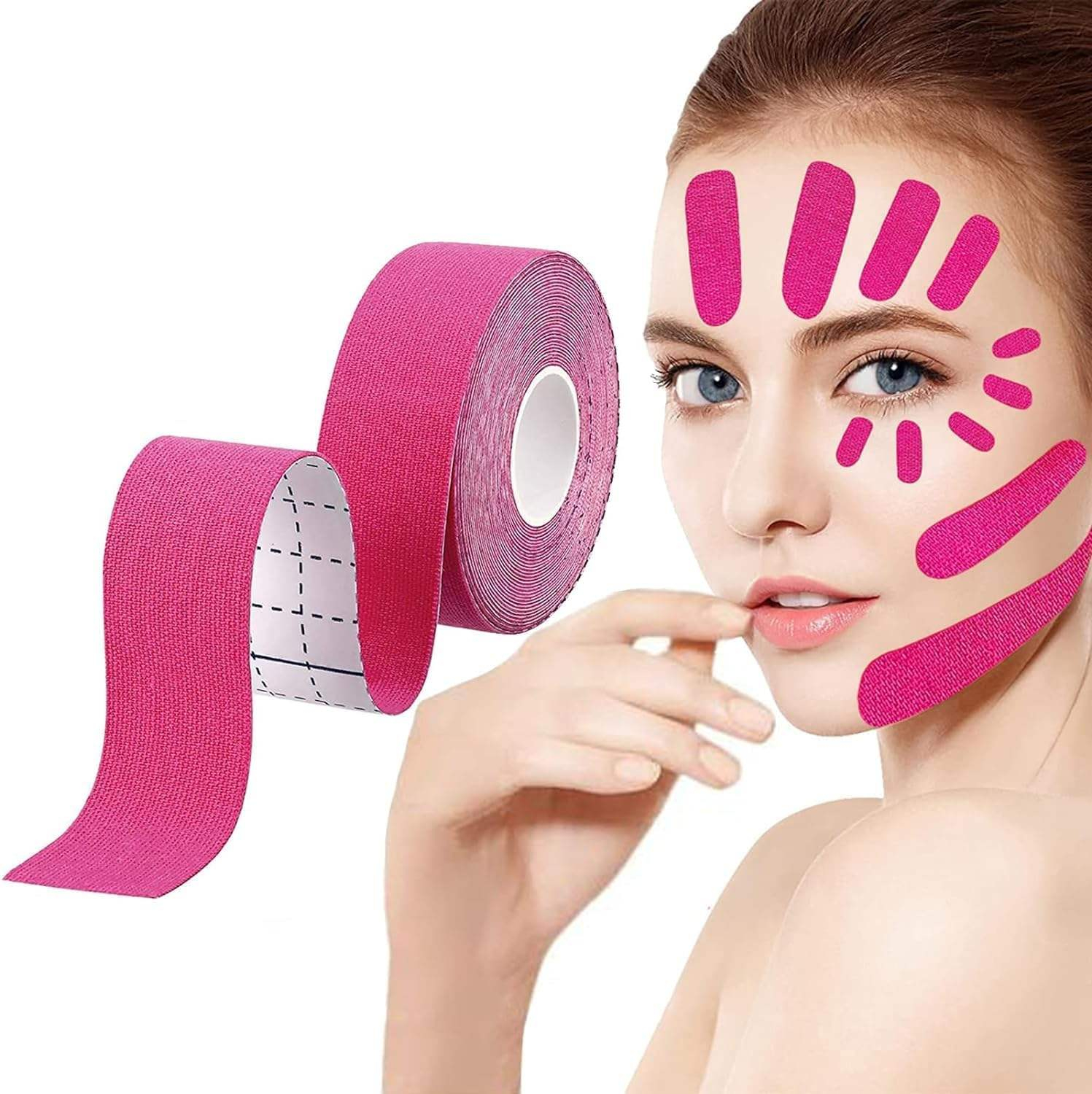
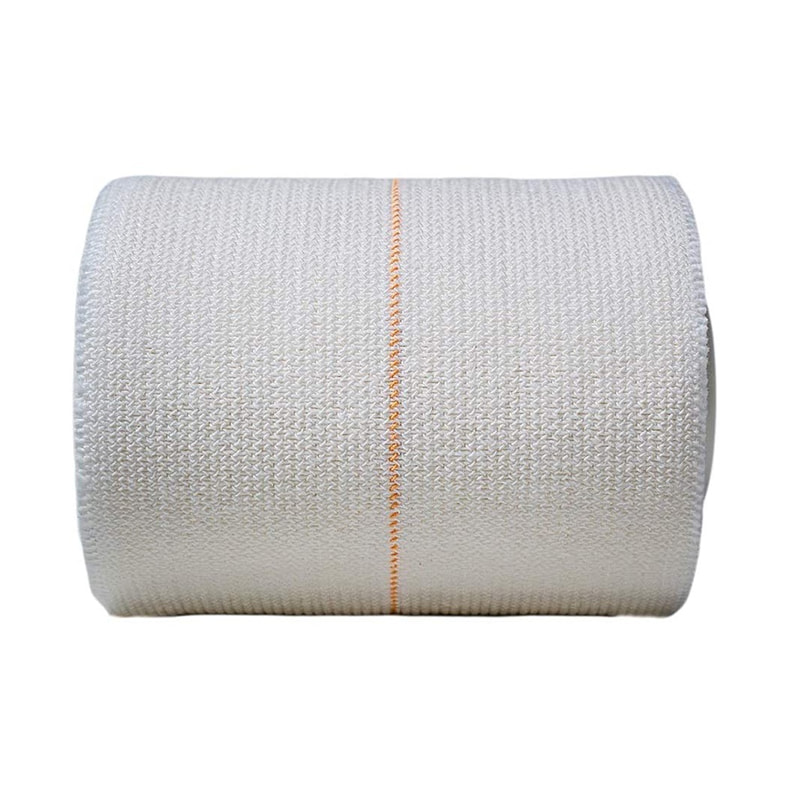
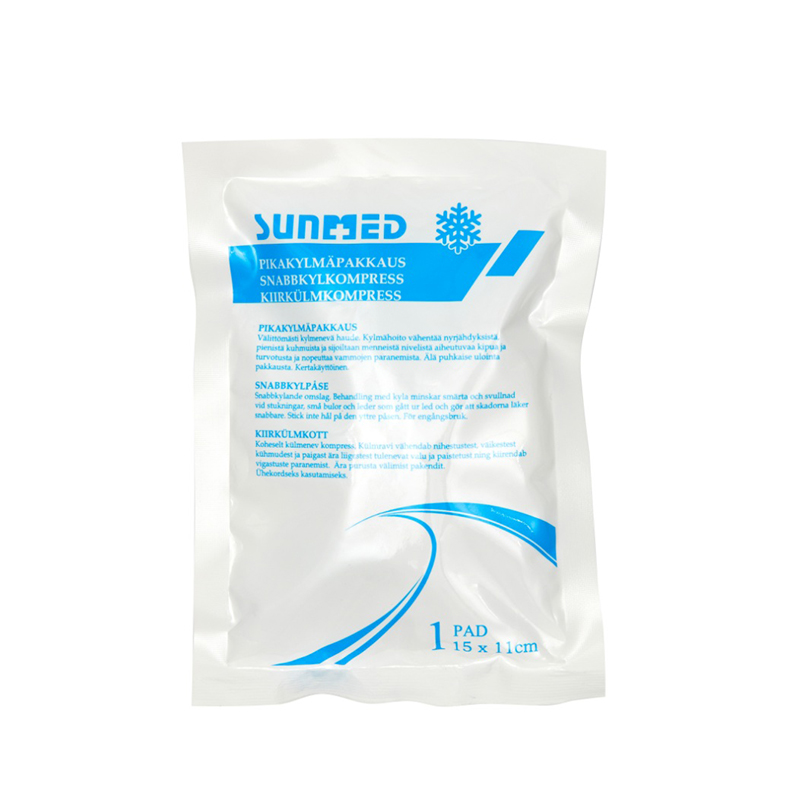
The company operates multiple production bases in Jiangsu, Zhejiang, and Anhui Province, enabling broad product coverage and stable supply capacity. Its product range includes first aid products, wound dressings, gauze, bandages, medical tape, medical cotton, non-woven products, sports bandages, kinesiology tape, cohesive bandages, elastic adhesive bandages, pill boxes, hot and cold packs, syringes, catheters, surgical consumables, and other medical consumables. This broad manufacturing and sourcing capability is important for an empty first aid box because many buyers also need the contents that will be packed inside it.
Unlike suppliers that only provide containers, the company can support integrated first aid solutions. A buyer can source the aluminum empty first aid box and also discuss suitable filling options such as adhesive bandages, medical gauze, bandages, tape, wound care supplies, cotton products, PPE, sports support items, and hot and cold therapy products. This capability simplifies purchasing, reduces supplier management complexity, and helps ensure that the box and contents are compatible.
The company’s manufacturing process emphasizes material selection, structural production, surface finishing, assembly, inspection, and packaging. For an aluminum first aid box, each stage matters. Material quality affects strength and corrosion resistance. Cutting and forming accuracy affect the box’s shape and fit. Assembly quality affects handles, belt ties, dividers, hinges, and closures. Surface treatment affects appearance and durability. Final inspection ensures the finished product meets customer specifications before shipment.
Advanced Production Processes and Quality Control
Modern medical supply manufacturing requires consistent quality systems. Suzhou Sunmed maintains a professional quality control team comprising hundreds of personnel who follow inspection procedures designed to meet ISO13485:2016 standards. ISO13485 is an important quality management standard for medical devices, and it reflects a disciplined approach to documentation, process control, inspection, corrective action, and continuous improvement. Although an empty first aid box is a storage product rather than a sterile medical consumable, producing it under a quality-focused environment supports reliability and customer confidence.
The manufacturing process for an aluminum first aid box begins with product specification confirmation. Buyers may require a particular size, color, branding method, accessory configuration, divider design, packaging style, or carton marking. Clear specification control is essential for OEM orders because small details can affect market acceptance. The production team reviews customer requirements and aligns them with material availability, tooling, surface finishing options, and printing methods.
Material preparation follows. Aluminum sheets or components must be selected according to required thickness, strength, and finish. Proper material handling helps prevent scratches, dents, and contamination. The metal is then processed through cutting, forming, bending, shaping, or assembly operations depending on the design. Precision in these steps ensures that the box closes properly, maintains its shape, and provides reliable storage performance.
Surface finishing and color application are important for both function and presentation. A first aid box must look clean, professional, and recognizable. The standard green color supports emergency identification, while custom colors allow buyers to match brand or project needs. Branding or imprinting must be applied clearly and consistently. Poor printing can make a product look low quality even if the structure is sound, so inspection of logos, text, and graphics is an important part of the process.
Accessory assembly includes handles, belt ties, and optional dividers. These components must be securely installed because they affect user experience. A handle must support the practical weight of the packed kit. Belt ties must function as intended. Dividers must fit inside the box without creating inconvenience or damaging contents. Each accessory contributes to the overall value of the product.
Final quality inspection may include appearance checks, size verification, accessory confirmation, color comparison, branding inspection, functionality checks, packaging review, and order quantity verification. For export orders, packaging quality is especially important because products may travel long distances by sea or air. Proper packaging helps reduce damage during transport and ensures that customers receive goods in sellable condition.
Global Market Experience and Supply Capability
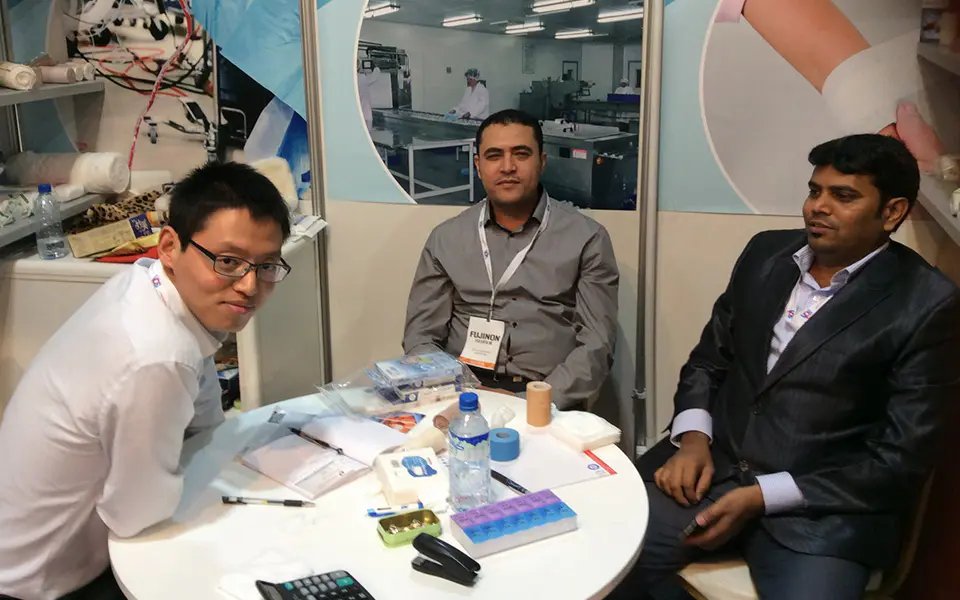
The company has exported products to more than 60 countries, including markets in Europe, Southeast Asia, Africa, and Oceania. This international experience is valuable because first aid products are used differently across regions. Buyers may have specific requirements for labeling, packaging, color, content selection, documentation, or regulatory support. A supplier with global experience is better prepared to communicate with importers, wholesalers, supermarkets, hospitals, sports retailers, and first aid suppliers.
Markets such as the United Kingdom, Germany, Spain, Denmark, the Netherlands, Japan, Malaysia, the Philippines, Thailand, Tanzania, Mauritius, South Africa, Australia, and New Zealand each have different buyer preferences and distribution channels. Some customers prioritize cost-effective bulk kits. Others demand premium packaging, strict quality documentation, or retail-ready presentation. The DC660913 aluminum first aid box can be adapted to these different needs through size selection, color customization, branding, and internal organization options.
The company’s experience with hospitals, first aid suppliers, supermarkets, and retail sports shops also supports product development. Hospital and institutional customers often require dependable quality and practical organization. Supermarket customers need attractive appearance and retail value. Sports shops may focus on portability, field use, and compatibility with sports support and injury care products. First aid suppliers require reliable bulk production and flexible OEM service. The aluminum first aid box is suitable for all of these channels because it combines protection, portability, and customization.
Supply capability is also supported by the company’s production base network and long-term industry presence. For wholesale buyers, stable delivery and consistent quality are critical. A product may be excellent in sample form, but if mass production is inconsistent, buyers face business risk. A mature manufacturer with established inspection systems and broad product experience is better positioned to support repeat orders, seasonal demand, tenders, and private-label programs.
Applications in Professional and Everyday Settings
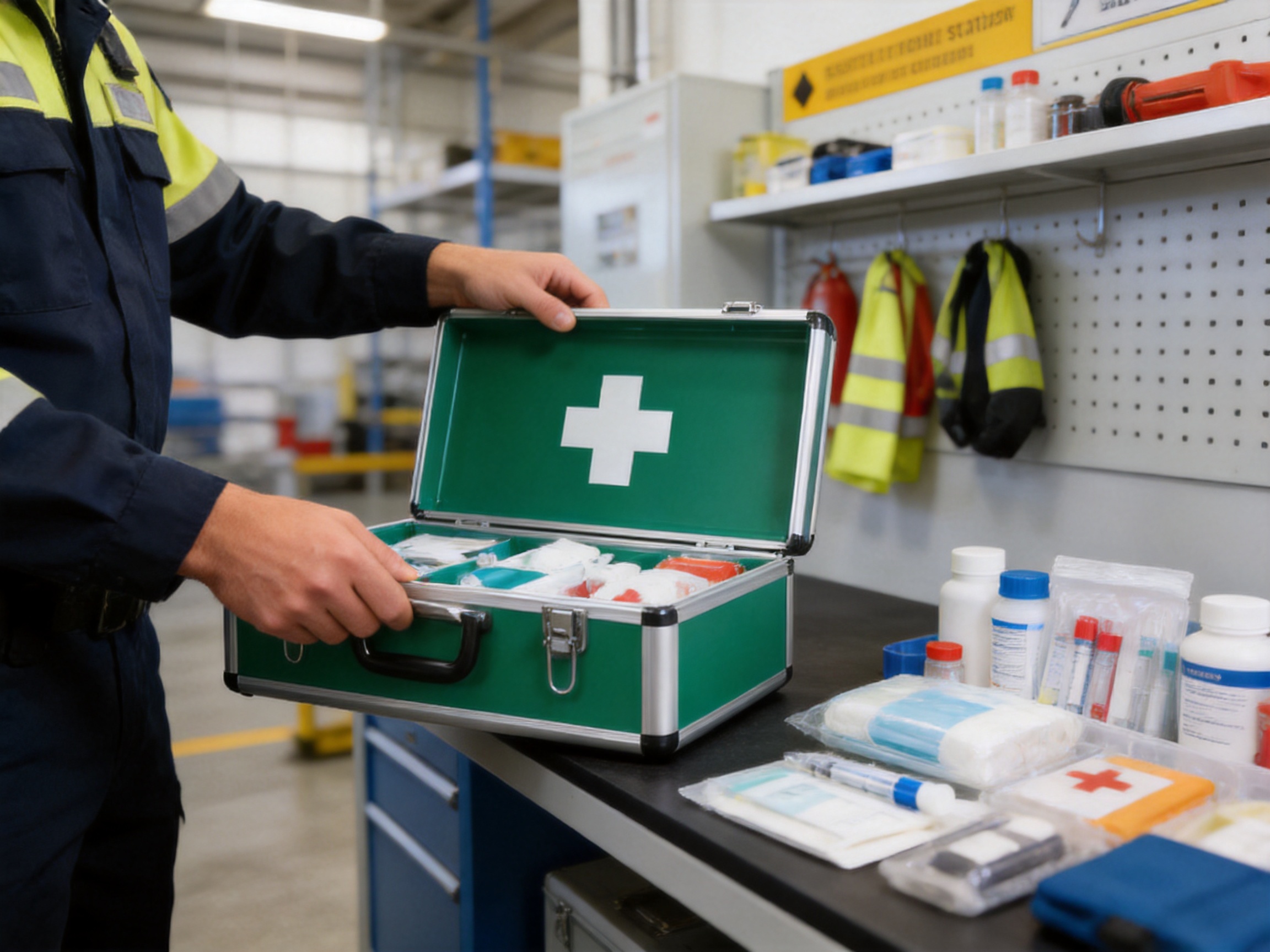
The DC660913 aluminum empty first aid box can be used in many environments. In workplaces, it can store supplies required for cuts, scrapes, burns, sprains, minor injuries, and emergency response. Factories, warehouses, construction sites, laboratories, offices, hotels, and restaurants all benefit from organized first aid storage. The damp and dust proof design helps protect supplies in environments where dust, humidity, or accidental spills may be present.
In schools and educational facilities, the box can support nurse offices, classrooms, sports areas, buses, and field trip emergency kits. The small size may be suitable for classrooms or vehicles, while the large size can serve as a central emergency supply box. The clear organization provided by an optional divider can help teachers, coaches, or administrators locate supplies quickly.
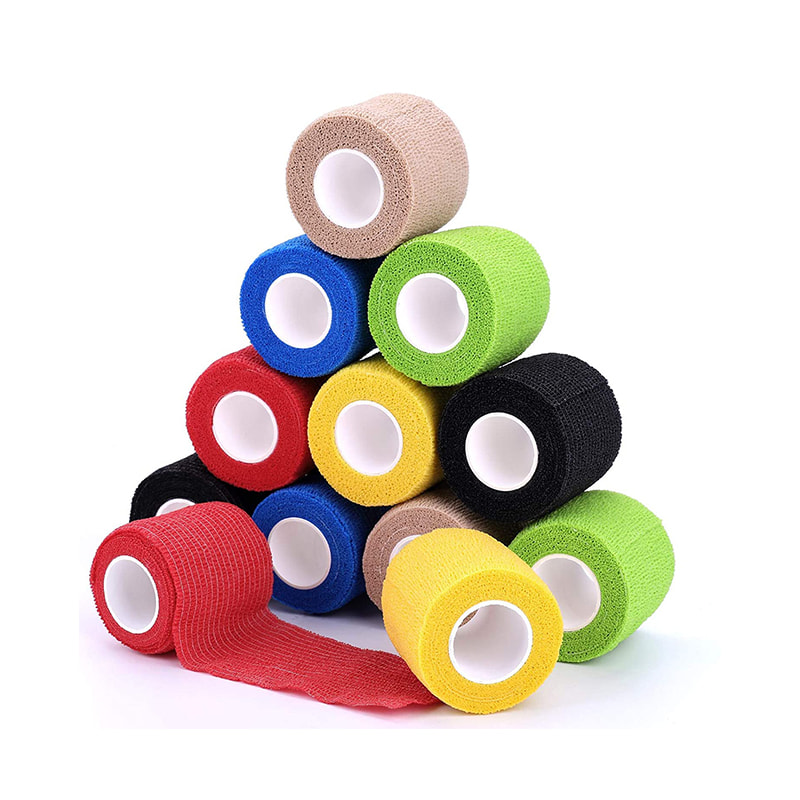
In sports and rehabilitation settings, the box can be packed with sports tape, cohesive bandages, elastic adhesive bandages, cold packs, gauze, scissors, gloves, and wound care products. Sports injuries often require fast response, and a portable aluminum box can be carried to courts, fields, gyms, or training rooms. Its professional appearance also fits sports clubs, retail sports shops, and event medical support teams.
In homes and vehicles, the box supports everyday safety preparedness. Families can use it to organize first aid supplies instead of storing products loosely in drawers. Drivers can keep emergency supplies secure in cars, vans, trucks, or recreational vehicles. The aluminum structure helps protect contents from being crushed by other items during travel.
In public venues and event settings, the large size can hold a wider range of supplies for crowds. Concert venues, exhibition centers, community halls, outdoor events, and tourist sites may require visible and reliable first aid storage. A branded aluminum box can identify emergency supplies clearly and reinforce professional safety management.
Why Empty First Aid Boxes Are Important for Distributors
Empty first aid boxes play a strategic role in the medical supply and safety product industry. While ready-made first aid kits are convenient, they may not meet every customer’s needs. Regulations, workplace risks, climate, user habits, and purchasing budgets vary widely. An empty first aid box allows distributors to create tailored kits that match specific applications and market requirements.
For example, a distributor serving industrial customers may pack the large DC660913 box with burn dressings, eye wash products, trauma pads, gloves, masks, medical tape, and larger bandages. A distributor serving households may use the small box with adhesive bandages, gauze, antiseptic wipes, and cotton products. A sports retailer may add kinesiology tape, cohesive bandages, cold packs, and elastic adhesive bandages. A vehicle safety supplier may include compact wound care supplies, gloves, emergency blankets, and scissors.
This flexibility helps reduce waste. Pre-packed kits sometimes contain items that customers do not need, while missing items they do require. Empty boxes allow more precise product selection. They also allow distributors to comply with local standards or customer specifications. In some markets, first aid kit contents must follow workplace or transport regulations. An empty box gives buyers the freedom to pack accordingly.
Empty boxes also support inventory efficiency. Distributors can purchase a standardized aluminum box and fill it differently for multiple channels. This reduces the number of container types they need to stock while allowing many final kit variations. The DC660913 model’s two sizes further improve flexibility because buyers can develop compact and high-capacity kit versions using the same product family.
Commercial Value for OEM, Retail, and Tender Projects
The DC660913 aluminum first aid box is especially suitable for OEM and wholesale projects because it combines customization, durability, and practical features. For private-label brands, the ability to apply logos and customize colors is essential. It allows the first aid box to become part of a branded product line rather than a generic container. For retail buyers, a metal aluminum box can support a premium price position compared with ordinary plastic alternatives.
For tenders and institutional projects, the product’s durability and professional design can help meet purchasing expectations. Schools, government facilities, industrial companies, and public organizations often prefer products that look reliable and can withstand repeated use. The large size can support comprehensive emergency kits, while the small size can be distributed across multiple locations for improved access.
The minimum order quantity of 500 pieces is practical for importers and distributors that need customized production. It is large enough to support efficient manufacturing and branding, while still reasonable for wholesale projects. Buyers can plan product launches, promotional campaigns, safety programs, or tender supply with a manageable order quantity.
For supermarkets and retail stores, the box can be sold empty or as part of a filled first aid kit. A branded aluminum case offers strong shelf appeal because it looks durable, reusable, and professional. Consumers may perceive a metal first aid box as more valuable than a disposable-looking plastic container. This can improve product positioning and customer satisfaction.
Practical Packing Ideas for the Small and Large Sizes
Because the product is supplied empty, buyers can design contents according to their target market. The small size is suitable for essential first aid kits. Suggested items may include adhesive bandages in assorted sizes, sterile gauze pads, medical tape, conforming bandage rolls, alcohol pads, antiseptic wipes, cotton balls, disposable gloves, small scissors, tweezers, safety pins, and a basic first aid instruction leaflet. With the optional divider, these items can be arranged by category for easy access.
The large size can be packed as a workplace or professional response kit. Suggested contents may include multiple gauze rolls, wound dressings, trauma pads, elastic bandages, triangular bandages, cohesive wraps, medical tape, cold packs, burn dressings, eye pads, CPR face shields, masks, gloves, antiseptic products, scissors, tweezers, splints, cotton products, and emergency instructions. For sports kits, it can include kinesiology tape, cohesive bandages, elastic adhesive bandages, instant cold packs, and support wraps.
For healthcare distributors, the box can be bundled with related product categories such as wound care, bandages, gauze, medical tape, cotton products, PPE products, sports support, hot and cold therapy, and daily care supplies. This creates value-added kit solutions rather than selling a container alone. The company’s broad product portfolio supports such bundling and can simplify procurement for buyers.
Careful packing improves user experience. Heavy items should be placed securely to avoid shifting. Frequently used items should be easy to see and reach. Sterile items should remain in original packaging. Sharp tools should be protected. Expiration dates should be visible for periodic inspection. If the box is used in a regulated workplace, the contents should be checked against relevant local requirements.
Maintenance and Long-Term Use
A high-quality first aid box should be maintained properly to maximize service life. Users should store the aluminum box in a clean, accessible location away from unnecessary impact, extreme chemical exposure, or excessive heat. Although the box is damp and dust proof, it should not be intentionally submerged or exposed to harsh conditions beyond its intended use. Regular cleaning of the exterior helps maintain a professional appearance.
Contents should be inspected periodically. Expired products should be replaced, used items should be restocked, and damaged packaging should be removed. The optional divider can assist inspection by keeping categories separate. For workplaces and institutions, assigning a responsible person to check the box monthly or quarterly can help ensure readiness.
The handle, belt tie, closure, and divider should also be inspected. If the box is used frequently in field or industrial conditions, checking accessories helps maintain reliable portability. A well-maintained aluminum first aid box can remain useful for a long time, providing better value than disposable or low-durability alternatives.
Q&A Section
What is the DC660913 aluminum first aid box used for?
It is an empty first aid box designed to store and transport medical and emergency supplies. It can be filled with bandages, gauze, medical tape, gloves, wound care products, cotton products, sports support items, PPE, and other first aid materials according to customer needs.
Is the box supplied with medical supplies inside?
No. This model is supplied as an empty first aid box. This gives distributors, organizations, and OEM buyers the freedom to choose the exact contents required for their market, workplace, retail program, or emergency application.
What material is used for the box?
The box is made of aluminum. Aluminum provides a strong, lightweight, and corrosion-resistant structure, making it a practical alternative to many plastic, fabric, or low-grade steel first aid containers.
What sizes are available?
The small size measures 27.8 x 19.5 x 13.6 cm, while the large size measures 52 x 38 x 38 cm. The small size is suitable for compact kits, and the large size is suitable for higher-capacity workplace, institutional, sports, or field emergency kits.
Can the box be customized?
Yes. The standard color is green, but the color can be customized. The box can also be branded with logos or other imprinting, making it suitable for OEM, private-label, retail, promotional, and institutional projects.
Does the product include internal dividers?
The box can be supplied with an optional transparent plastic divider. This divider helps organize supplies by category and improves visibility, making it easier to find items quickly during emergencies.
How does this product compare with plastic first aid boxes?
Compared with many plastic boxes, the aluminum first aid box offers better structural strength, a more professional appearance, and improved long-term durability. Plastic cases can crack or become brittle, while aluminum provides a stronger protective shell.
How does it compare with fabric first aid bags?
Fabric bags are flexible and lightweight, but they offer limited protection against crushing, moisture, and dust. The aluminum box provides a rigid protective structure and is better suited for organized storage in vehicles, workplaces, and industrial environments.
Why is the product useful for distributors?
Distributors can use the empty box to create customized first aid kits for different markets. The same box can be packed differently for homes, vehicles, factories, schools, sports clubs, public venues, and medical supply programs.
What is the minimum order quantity?
The minimum order quantity is 500 pieces, making it suitable for wholesale, OEM, private-label, and project-based purchasing.
Conclusion: A Durable and Customizable Foundation for Emergency Readiness
The Medical Emergency Metal Aluminum Empty First Aid Box with Belt, model DC660913, is a practical and commercially valuable solution for emergency supply storage. Its aluminum construction provides strength, corrosion resistance, and professional appearance. Its damp and dust proof design helps protect medical supplies in everyday environments. Its handle and belt tie improve portability, while the optional transparent divider supports organized and efficient access to contents.
With small and large size options, customizable color, branding capability, and flexible internal configuration, the product is well suited for OEM buyers, medical distributors, workplace safety suppliers, retail channels, sports organizations, schools, public facilities, and emergency preparedness programs. Compared with many competitor products made from plastic, fabric, or low-grade steel, this aluminum first aid box offers a stronger balance of durability, portability, protection, and professional value.
Supported by Suzhou Sunmed Co., Ltd.’s decades of medical supply experience, broad production resources, ISO13485-oriented quality control, and global export background, the DC660913 first aid box is more than a container. It is a reliable platform for building customized first aid kits that meet diverse user needs. For buyers seeking a durable empty first aid box with OEM potential and strong market adaptability, this model provides a dependable and competitive choice.
References
International Organization for Standardization. ISO 13485:2016 Medical Devices: Quality Management Systems Requirements for Regulatory Purposes.
World Health Organization. Emergency Care Systems for Universal Health Coverage: Ensuring Timely Care for the Acutely Ill and Injured.
Occupational Safety and Health Administration. Best Practices Guide: Fundamentals of a Workplace First-Aid Program.
International Federation of Red Cross and Red Crescent Societies. International First Aid, Resuscitation, and Education Guidelines.
European Committee for Standardization. Workplace First Aid Kit Guidance and Related Safety Supply Standards.

 English
 Español
 русский
 Français
 Deutsch
 italiano
 By Admin