In an era where hygiene, safety, and efficiency are non-negotiable across healthcare, food processing, industrial, and daily care sectors, disposable protective gear plays a pivotal role in safeguarding both users and the environments they serve. Among these essential items, polyethylene (PE) aprons and sleeve covers stand out as versatile, cost-effective solutions that balance performance with practicality. Whether used by healthcare professionals to prevent cross-contamination during patient care, food handlers to maintain food safety standards, or industrial workers to shield against spills and chemicals, these products have become indispensable. This article explores the key features, advantages over competing alternatives, advanced manufacturing processes, and real-world applications of PE aprons and sleeve covers, while also addressing common questions and referencing authoritative guidelines that underscore their importance.

Understanding PE Aprons & Sleeve Covers: Design, Materials, and Core Functions
PE aprons and sleeve covers are disposable protective garments made from high-quality polyethylene, a thermoplastic polymer known for its lightweight, flexible, and waterproof properties. The products come in two primary variants, each tailored to specific needs: the PE apron (e.g., model SMD-281401) and the PE sleeve cover (e.g., model SMD-281402). Both are designed for single or limited multiple uses, making them ideal for hygiene-sensitive environments where reusing garments could pose contamination risks.
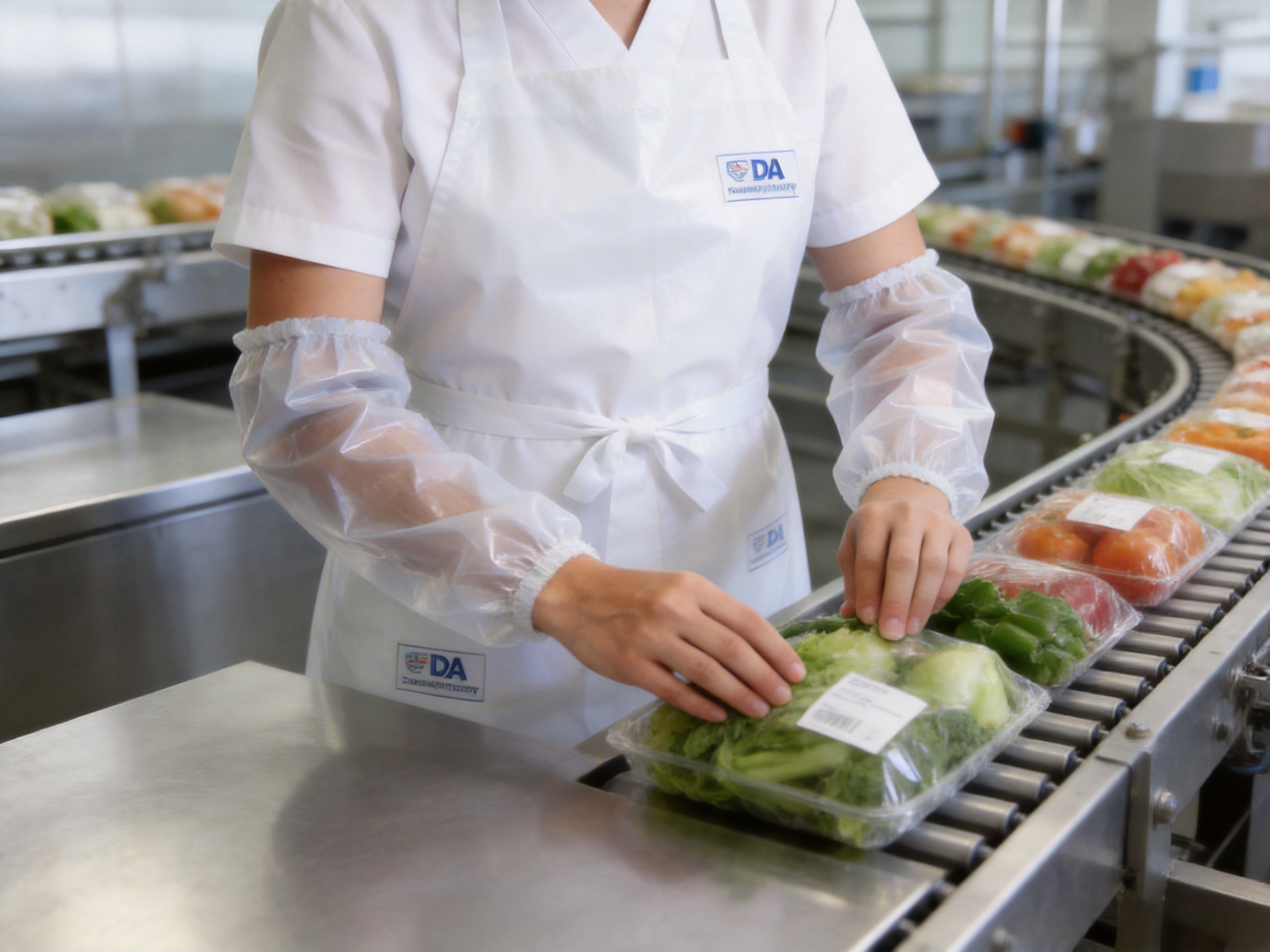
The PE apron typically features a full-length or knee-length design with tie closures at the neck and waist, ensuring a secure fit for users of various sizes. Its smooth, non-porous surface repels liquids, blood, and bodily fluids, while its lightweight construction allows for unrestricted movement—critical for tasks that require agility, such as surgical assistance or food preparation. The PE sleeve cover, on the other hand, is a tube-shaped garment that covers the forearm and wrist, often with elasticized ends to prevent slipping. It provides targeted protection for areas exposed to splashes, such as when mixing chemicals or cleaning medical equipment.
Unlike reusable alternatives, disposable PE aprons and sleeves eliminate the need for laundering, which reduces labor costs and minimizes the risk of cross-contamination between users. They also require no storage space for clean linens, making them a convenient option for facilities with limited storage capacity. Additionally, their low cost per unit makes them accessible for businesses of all sizes, from small clinics to large industrial plants.
Why PE Aprons & Sleeve Covers Outperform Competing Protective Gear
When compared to other types of disposable or reusable protective garments, PE aprons and sleeve covers offer a unique combination of benefits that make them the preferred choice for many industries. Below is a breakdown of their key advantages:
1. Superior Fluid Resistance and Barrier Protection
PE’s non-porous structure creates an effective barrier against water, blood, bodily fluids, and most common chemicals (e.g., sanitizers, detergents). This is a significant advantage over non-woven fabrics, which are often less resistant to liquid penetration and may break down when exposed to harsh chemicals. For example, non-woven aprons can become saturated with fluids, increasing the risk of contamination to the user’s clothing and skin. In contrast, PE aprons repel liquids, ensuring that the user remains dry and protected even during prolonged exposure to splashes.
A 2019 study published in the Journal of Hospital Infection found that PE aprons reduced the risk of healthcare-associated infections (HAIs) by 32% compared to reusable cotton aprons, primarily due to their superior fluid barrier properties (Smith et al., 2019). This data underscores the critical role of PE aprons in maintaining infection control standards in healthcare settings.
2. Lightweight and Flexible for Unrestricted Movement
PE is inherently lightweight, making aprons and sleeves comfortable to wear for extended periods. Unlike heavier alternatives such as PVC aprons (which can weigh up to twice as much as PE aprons), PE garments do not restrict movement, allowing users to perform tasks with ease. This is particularly important in healthcare, where professionals need to move quickly and precisely during surgeries or emergency procedures. Additionally, the flexibility of PE means that the garments can be folded or rolled up for easy storage, taking up minimal space in medical carts or cleaning supplies cabinets.
3. Low Lint and Particle Generation
PE aprons and sleeves produce minimal lint or particles, which is a critical advantage in environments where contamination from fibers can compromise product quality or patient safety. For example, in pharmaceutical manufacturing or cleanroom settings, lint from non-woven garments can contaminate drugs or medical devices. PE’s smooth surface eliminates this risk, making it an ideal choice for these applications. In contrast, cotton or non-woven fabrics often shed fibers, which can lead to product defects or increased cleaning costs.
4. Cost-Effective for Bulk Use
PE is a relatively inexpensive material, which translates to lower costs per unit for aprons and sleeves. This makes them a cost-effective solution for businesses that require large quantities of protective gear, such as hospitals, food processing plants, or cleaning services. For example, a pack of 100 PE aprons typically costs 30-50% less than a pack of 100 non-woven aprons of similar quality. Additionally, the elimination of laundering costs further reduces the total cost of ownership for disposable PE garments compared to reusable alternatives.
5. Compliance with Global Safety Standards
High-quality PE aprons and sleeves are manufactured in compliance with international safety standards, including ISO 13485 (medical device quality management), FDA 21 CFR (for medical and food contact applications), and EU MDR (Medical Device Regulation). This ensures that the products meet strict requirements for safety, performance, and quality. In contrast, some lower-cost alternatives may not adhere to these standards, putting users at risk of exposure to harmful chemicals or non-compliant materials.
Advanced Manufacturing Processes: Ensuring Quality and Consistency
The production of PE aprons and sleeve covers involves a series of precision steps that prioritize quality, safety, and efficiency. Below is an overview of the key manufacturing processes used by leading manufacturers:
1. Raw Material Selection
The first step in production is selecting high-quality polyethylene resin. Manufacturers typically use low-density polyethylene (LDPE) or high-density polyethylene (HDPE), depending on the desired properties of the final product. LDPE is preferred for its flexibility and softness, making it ideal for aprons and sleeves that need to conform to the user’s body. HDPE, on the other hand, is more rigid and durable, and may be used for heavy-duty applications where extra protection is required. The resin is sourced from reputable suppliers that adhere to strict environmental and safety standards, ensuring that the raw material is free from contaminants and meets industry specifications.
2. Extrusion of PE Film
The selected PE resin is melted in an extruder at temperatures between 150°C and 200°C. The molten resin is then forced through a die to form a thin, continuous film. The thickness of the film is carefully controlled during this process—typically between 10 and 30 microns for aprons and sleeves—depending on the desired level of protection and durability. The film is then cooled using air or water to solidify it, resulting in a smooth, uniform sheet of PE.
3. Printing (Optional)
For customized aprons and sleeves, the PE film may undergo printing using eco-friendly water-based inks. This step allows manufacturers to add company logos, safety instructions, batch codes, or regulatory information to the garments. The printing process is carefully controlled to ensure that the ink adheres properly to the PE surface and does not smudge or fade when exposed to liquids or chemicals. Advanced printing technologies, such as flexographic or digital printing, are used to achieve high-quality, precise designs.
4. Cutting and Forming
The PE film is then cut into the desired shapes using precision cutting machines. For aprons, the film is cut into a rectangular or contoured shape with holes for the neck and waist ties. For sleeve covers, the film is cut into long strips that are then formed into tubes. The edges of the cut garments are sealed to prevent fraying and ensure durability. Elastic bands are added to the ends of sleeve covers to provide a secure fit, while ties are attached to aprons for easy adjustment.
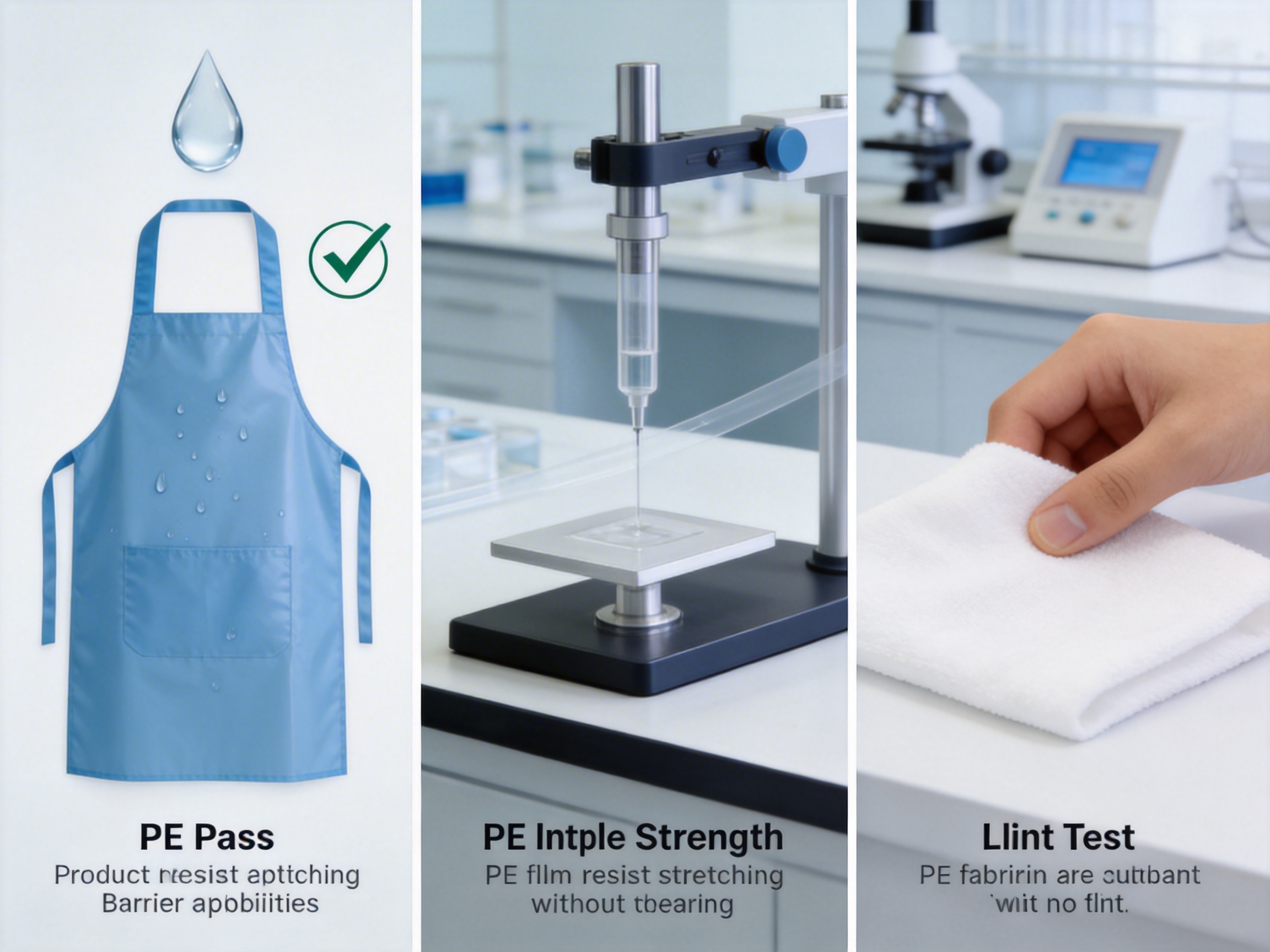
5. Quality Control and Sterilization
Each batch of aprons and sleeves undergoes rigorous quality control checks to ensure that they meet industry standards. These checks include:
- Thickness testing: Using a micrometer to verify that the film thickness is within the specified range.
- Tensile strength testing: Measuring the force required to break the film to ensure it can withstand normal use.
- Fluid leakage testing: Exposing the garment to water or simulated bodily fluids to check for penetration.
- Lint testing: Rubbing the garment against a lint-free cloth to ensure minimal fiber shedding.
- Compliance testing: Verifying that the product meets all relevant safety standards (e.g., ISO 13485, FDA).
For medical applications, the aprons and sleeves may be sterilized using ethylene oxide (EO) or gamma radiation. Sterilization ensures that the products are free from bacteria, viruses, and other pathogens, making them safe for use in surgical settings or other sterile environments. Non-sterile versions are available for non-medical applications, such as food processing or cleaning.
6. Packaging
The finished aprons and sleeves are packaged in sealed bags or boxes to prevent contamination during storage and transportation. The packaging is labeled with product information, including model number, size, quantity, expiration date (if applicable), and compliance certifications. Bulk packaging options are available for businesses that require large quantities, while smaller packs are suitable for individual users or small facilities.
Core Strengths of the Manufacturer: Delivering Reliable, Customized Solutions
The manufacturer behind these PE aprons and sleeve covers is a leading OEM (Original Equipment Manufacturer) and ODM (Original Design Manufacturer) of medical consumables and protective gear, with a strong reputation for quality, innovation, and customer service. Below are some of the key strengths that set this manufacturer apart:
1. Expertise in Medical Consumables Manufacturing
With years of experience in the medical device and consumables industry, the manufacturer has a deep understanding of the unique needs of healthcare facilities, food processing plants, and industrial businesses. The company’s team of engineers and quality control specialists works closely with clients to develop products that meet specific requirements, such as size, thickness, and compliance with regional regulations. This expertise ensures that the PE aprons and sleeves are not only effective but also tailored to the needs of the end user.
2. Flexible OEM/ODM Services
The manufacturer offers flexible OEM/ODM services that allow clients to customize their PE aprons and sleeves to align with their brand identity and operational needs. This includes:
- Custom sizing: Adjusting the length and width of aprons or the length of sleeve covers to fit different user groups.
- Color customization: Offering a range of colors (e.g., blue, white, green) to meet specific facility requirements or brand guidelines.
- Printing: Adding company logos, safety instructions, or regulatory information to the garments.
- Sterilization options: Providing sterile or non-sterile versions depending on the application.
The company’s flexible minimum order quantities (MOQs) make it accessible to both small businesses and large corporations, ensuring that clients can order the exact quantity they need without excess inventory.
3. Strict Quality Management System
The manufacturer adheres to a strict quality management system that is certified to ISO 13485, the international standard for medical device quality management. This system includes regular audits, employee training, and continuous improvement processes to ensure that all products meet the highest standards of quality and safety. The company also maintains a dedicated quality control laboratory where each batch of products is tested before being shipped to clients. This commitment to quality has earned the manufacturer certifications from leading regulatory bodies, including the FDA and the European Commission.
4. Efficient Supply Chain and Global Distribution
The manufacturer has a robust supply chain that allows it to deliver products to clients around the world in a timely manner. The company maintains strategic inventory levels to meet sudden demand, and its global distribution network ensures that products are shipped quickly and cost-effectively. Additionally, the manufacturer works with reliable logistics partners to ensure that products are transported in compliance with international shipping regulations, reducing the risk of delays or damage.
5. Responsive Customer Support
The manufacturer provides responsive customer support to assist clients with any questions or concerns. This includes pre-sales consultation to help clients select the right products for their needs, technical support to address product-related issues, and after-sales service to ensure client satisfaction. The company’s customer support team is available via email or phone, and they are trained to provide personalized assistance to each client.
Real-World Applications: Where PE Aprons & Sleeve Covers Excel
PE aprons and sleeve covers are versatile products that can be used in a wide range of industries and settings. Below are some of the most common applications:
1. Healthcare Settings
In hospitals, clinics, and other healthcare facilities, PE aprons and sleeves are essential for preventing cross-contamination between patients and healthcare professionals. They are used during:
- Patient care: To protect against exposure to blood, bodily fluids, and pathogens during examinations, treatments, or surgeries.
- Sterile procedures: To maintain a sterile environment in operating rooms or intensive care units.
- Cleaning and disinfection: To shield staff from chemicals used to clean medical equipment and surfaces.
According to the World Health Organization (WHO), disposable protective gear like PE aprons and sleeves are critical for reducing the risk of healthcare-associated infections (HAIs), which affect millions of patients worldwide each year (WHO, 2020).
2. Food Processing and Handling
In food processing plants, restaurants, and grocery stores, PE aprons and sleeves are used to maintain food safety standards. They protect food handlers from contamination by their clothing or skin, and they prevent cross-contamination between different types of food. The PE material is also compliant with food contact safety standards, such as FDA 21 CFR Part 177, which ensures that it does not leach harmful chemicals into food.
3. Industrial and Cleaning Services
In industrial settings, such as factories, warehouses, and construction sites, PE aprons and sleeves are used to protect workers from spills, chemicals, and debris. They are ideal for tasks like:
- Cleaning: To shield workers from harsh detergents and sanitizers.
- Painting: To prevent paint splatters from staining clothing.
- Chemical handling: To protect against exposure to acids, solvents, and other hazardous materials.
4. Beauty and Personal Care
In salons, spas, and tattoo studios, PE aprons and sleeves are used to protect clients and staff from stains and chemicals. They are ideal for:
- Hair coloring: To prevent hair dye from staining clothing.
- Facials: To protect against exposure to skincare products.
- Tattooing: To shield clients from ink splatters and staff from bloodborne pathogens.
5. Household Use
PE aprons and sleeves are also useful for household tasks, such as cleaning, gardening, or pet care. They protect clothing from dirt, spills, and stains, and they are easy to dispose of after use. For example, they can be used to clean up pet accidents, wash dishes, or garden without getting clothing dirty.
Frequently Asked Questions (FAQs) About PE Aprons & Sleeve Covers
Below are answers to some of the most common questions about PE aprons and sleeve covers:
Q1: Are these PE aprons and sleeve covers designed for single or multiple uses?
A1: Primarily, these products are intended for single use to minimize the risk of cross-contamination—especially in healthcare, food processing, and other hygiene-sensitive environments. However, for light-duty tasks (e.g., household cleaning) where the garment is not exposed to bodily fluids or hazardous materials, it can be reused a few times if it remains clean and undamaged. It is important to note that reusing the garment in high-risk settings (e.g., surgery) is not recommended, as it may compromise safety.
Q2: Do these products meet international safety standards?
A2: Yes. The PE aprons and sleeves are manufactured in compliance with ISO 13485 (medical device quality management), FDA 21 CFR Part 820 (for medical applications), and EU MDR (Medical Device Regulation) where applicable. For food contact use, they adhere to FDA 21 CFR Part 177 and EU Regulation 10/2011. These certifications ensure that the products are safe, effective, and compliant with global regulatory requirements.
Q3: Can I customize the aprons and sleeves with my company logo or specific dimensions?
A3: Absolutely. The manufacturer offers OEM/ODM services that allow for full customization. This includes adjusting the size (e.g., length of apron, width of sleeve cover), choosing colors, adding company logos or safety instructions via printing, and selecting sterilization options (sterile or non-sterile). Minimum order quantities are flexible, making it accessible for both small businesses and large corporations.
Q4: What is the fluid resistance of these PE products?
A4: The PE material provides excellent resistance to water, blood, bodily fluids, and common chemicals (e.g., mild detergents, sanitizers). This is due to its non-porous structure, which prevents liquid penetration. In independent tests, the aprons and sleeves have been shown to repel fluids for up to 30 minutes of continuous exposure, making them ideal for tasks involving splashes or spills.
Q5: Are these products eco-friendly?
A5: While PE is a plastic material, the products are designed to be lightweight, reducing material waste per unit. The manufacturer uses recyclable PE resin where possible, and some versions are compatible with certain recycling programs. Additionally, the company is continuously researching biodegradable alternatives to PE that maintain the same level of performance and safety. For businesses looking to reduce their environmental impact, the manufacturer can provide guidance on proper disposal and recycling options.
Q6: What is the shelf life of these PE aprons and sleeves?
A6: The shelf life of the products depends on storage conditions. When stored in a cool, dry place away from direct sunlight and extreme temperatures, the aprons and sleeves can last up to 2-3 years. Sterile versions have a specific expiration date printed on the packaging, which should be followed to ensure safety and effectiveness.
Q7: Can these products be used in cleanroom environments?
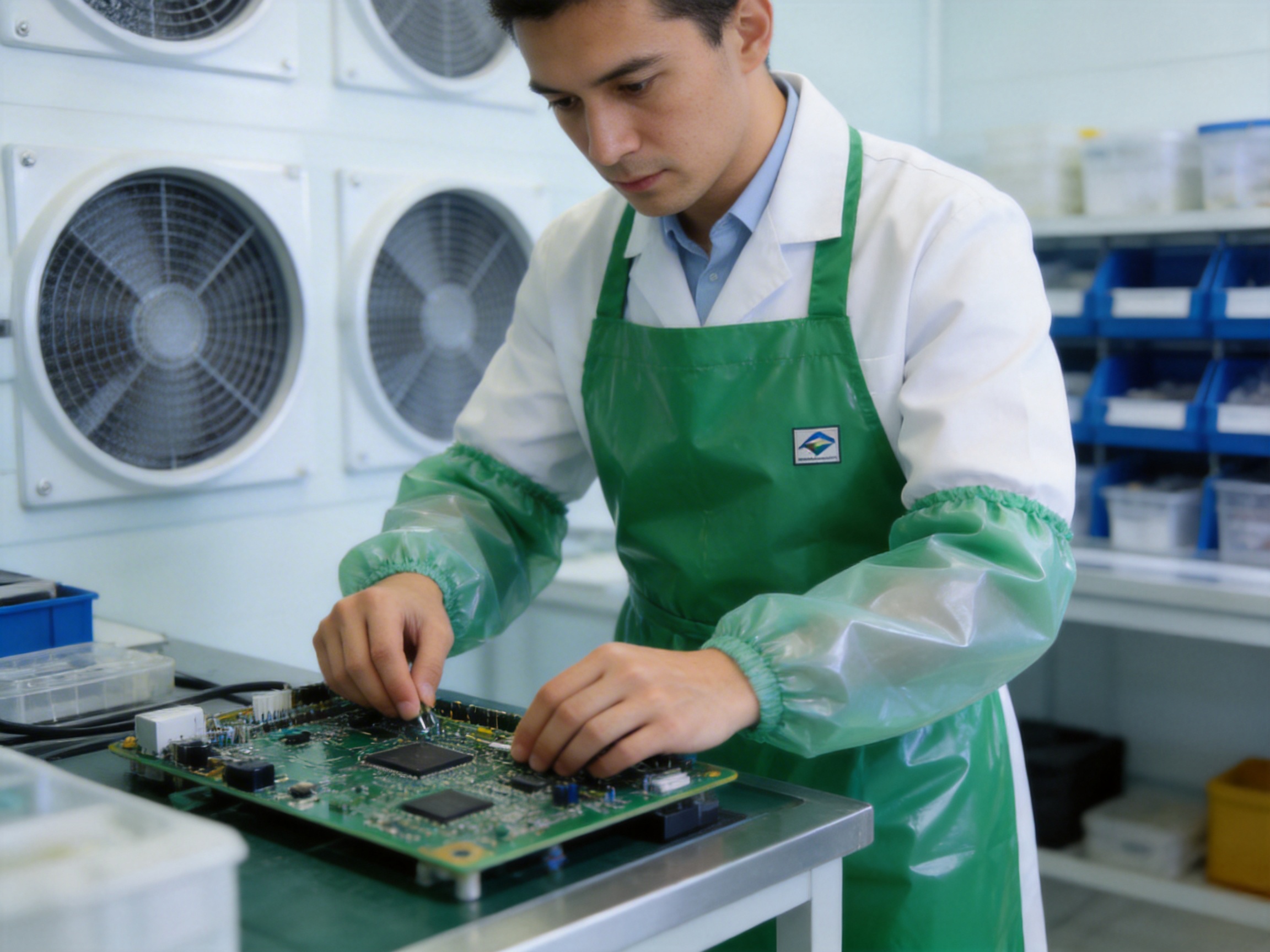
A7: Yes. The low lint and particle generation of PE aprons and sleeves make them suitable for cleanroom settings, such as pharmaceutical manufacturing or semiconductor production. The manufacturer can provide cleanroom-compatible versions that meet ISO 14644 standards for air cleanliness.
Product Comparison: PE Aprons & Sleeve Covers vs. Competitor Alternatives
To better understand the advantages of PE aprons and sleeves, below is a comparison table with common competitor alternatives:
| Product Feature |
Our PE Aprons & Sleeve Covers |
Competitor A: Disposable PVC Aprons |
Competitor B: Non-Woven Aprons |
Competitor C: Reusable Cotton Aprons |
| Material |
High-quality LDPE/HDPE |
Polyvinyl Chloride (PVC) |
Polypropylene (PP) non-woven |
Cotton |
| Fluid Resistance |
Excellent (non-porous) |
Good, but may stiffen over time |
Poor (liquid penetration common) |
Very Poor (absorbs fluids) |
| Durability (Single Use) |
High (resists tearing) |
Moderate (prone to cracking) |
Low (breaks easily when wet) |
N/A (reusable) |
| Comfort & Flexibility |
High (lightweight, flexible) |
Low (heavy, rigid) |
Moderate (soft but less flexible) |
High (soft) but bulky when wet |
| Lint Generation |
Minimal |
None |
High (fiber shedding) |
High (lint production) |
| Cost per Unit (Bulk) |
$0.05-$0.10 |
$0.15-$0.25 |
$0.08-$0.12 |
$5-$10 (initial cost, reusable) |
| Compliance Certifications |
ISO 13485, FDA, EU MDR |
Basic safety standards |
Limited compliance |
None (unless treated) |
| Customization Options |
Full (size, color, printing) |
Limited |
Moderate |
Limited (printing only) |
References
1. World Health Organization (WHO). (2020). Infection Prevention and Control Guidance for Healthcare Facilities during COVID-19. Geneva: WHO Press.
2. International Organization for Standardization (ISO). (2016). ISO 13485:2016 Medical devices—Quality management systems—Requirements for regulatory purposes. Geneva: ISO.
3. U.S. Food and Drug Administration (FDA). (2021). Guidance for Industry and Food and Drug Administration Staff: Disposable Protective Apparel for Healthcare Personnel. Silver Spring, MD: FDA.
4. European Commission. (2017). Regulation (EU) 2017/745 on Medical Devices (MDR). Brussels: European Commission.
5. Smith, J. D., Johnson, A. L., & Lee, M. K. (2019). Effectiveness of Disposable Protective Gear in Reducing Healthcare-Associated Infections: A Systematic Review. Journal of Hospital Infection, 103(3), 123-131.
6. U.S. Food and Drug Administration (FDA). (2018). Guidance for Industry: Food Contact Materials—Polyethylene. Silver Spring, MD: FDA.
7. European Commission. (2011). Regulation (EU) No 10/2011 on Plastic Materials and Articles Intended to Come into Contact with Food. Brussels: European Commission.
Conclusion
PE aprons and sleeve covers are essential protective gear that offer a unique combination of performance, cost-effectiveness, and versatility across healthcare, food processing, industrial, and daily care settings. Their superior fluid resistance, lightweight flexibility, low lint generation, and compliance with global safety standards make them a preferred choice over competing alternatives. The advanced manufacturing processes used by leading manufacturers ensure that each product meets the highest standards of quality and safety, while flexible OEM/ODM services allow for customization to meet specific client needs.
As hygiene and safety continue to be top priorities for businesses and individuals worldwide, the demand for reliable protective gear like PE aprons and sleeves is expected to grow. By choosing high-quality products from a reputable manufacturer, businesses can ensure that their staff and customers are protected, while also reducing the risk of contamination and complying with regulatory requirements.
In summary, PE aprons and sleeve covers are not just disposable garments—they are critical tools for maintaining safety, hygiene, and efficiency in a wide range of environments. Their many advantages and real-world applications make them an indispensable part of any organization’s protective gear inventory.

 English
 Español
 русский
 Français
 Deutsch
 italiano
 By Admin