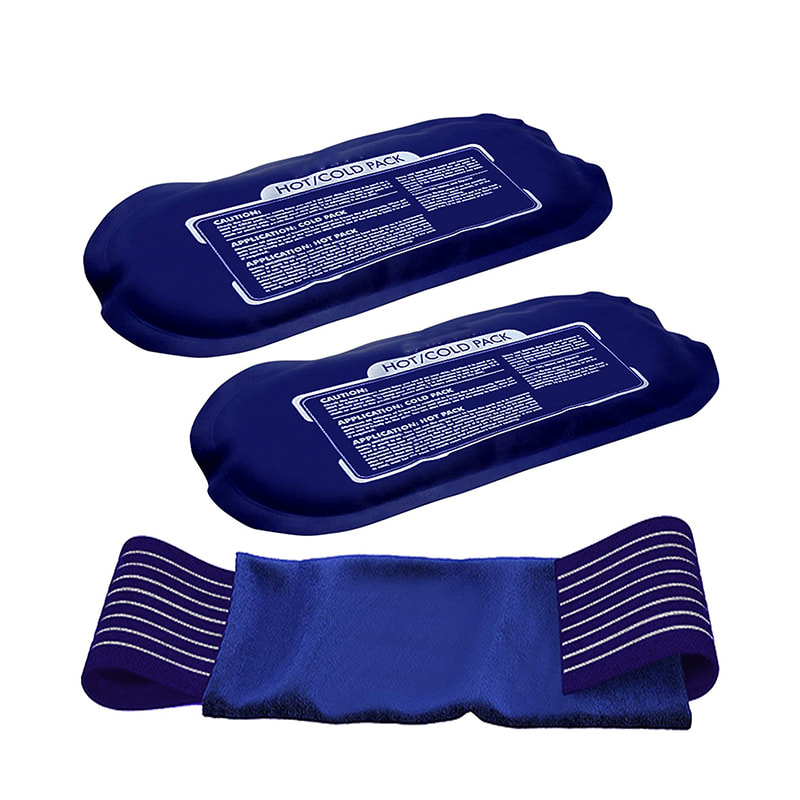
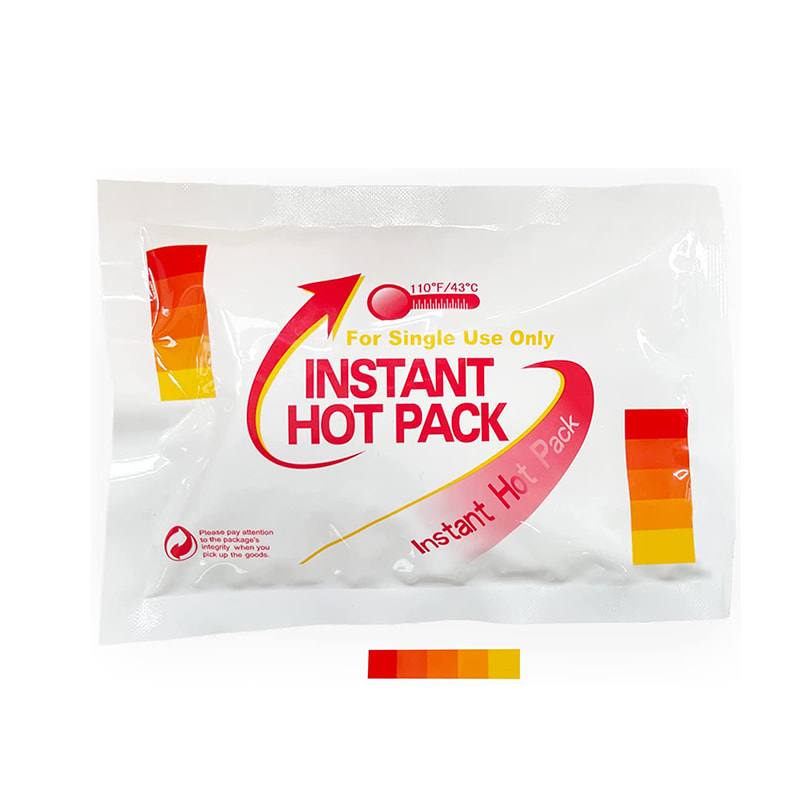
An Instant Hot Pack is a self-heating, portable heat therapy product designed to provide immediate warmth without the need for electricity, microwaves, or boiling water. Once activated—usually by squeezing, bending, or shaking—the pack begins to generate heat within seconds. Instant hot packs are widely used in medical care, sports recovery, outdoor activities, first aid kits, and everyday pain relief scenarios.
The primary appeal of an instant hot pack lies in its convenience and speed. Unlike traditional reusable heat pads that require external heating sources, instant hot packs are ready to use anytime and anywhere. This makes them especially valuable in emergency situations, travel, or environments where power sources are unavailable.
How Does an Instant Hot Pack Work?
Instant hot packs work through an exothermic chemical reaction, meaning the reaction releases heat. Inside the pack are separate components—typically a dry chemical compound and a liquid. When the pack is activated, these components mix, triggering a chemical process that rapidly produces heat.
The Chemical Reaction Behind the Heat
Most instant hot packs rely on the crystallization or hydration of certain salts. Commonly used substances include calcium chloride, magnesium sulfate, or supersaturated sodium acetate solutions. When these materials dissolve or crystallize, they release stored energy in the form of heat.
For example, calcium chloride releases heat when it dissolves in water. This reaction is fast and efficient, allowing the pack to reach therapeutic temperatures within seconds. The heat output is carefully controlled through material selection and pack design to ensure user safety.
Activation Mechanism
Activation methods vary depending on the pack design. Some packs require squeezing to break an internal water pouch, while others need bending of a metal disc or shaking to initiate mixing. Once activated, the reaction continues until the chemicals fully react or cool down naturally.
Key Components of an Instant Hot Pack
Understanding the internal structure of an instant hot pack helps explain its performance, safety, and limitations. Despite their simple appearance, these packs are carefully engineered products.
- Outer pouch made from durable, leak-resistant plastic
- Inner water sachet or trigger element
- Heat-generating chemical compound
- Insulating layers to regulate surface temperature
The materials used must meet safety and quality standards, especially for medical or consumer healthcare markets. High-quality instant hot packs are designed to prevent leaks, overheating, or uneven heat distribution.
Common Uses of Instant Hot Packs
Instant hot packs are versatile and used across many industries. Their portability and ease of use make them suitable for both professional and personal applications.
Medical and First Aid Applications
In medical settings, instant hot packs are commonly used to relieve muscle stiffness, joint pain, and minor aches. They are often included in first aid kits for emergency warmth, especially in cases of mild hypothermia or shock.
Sports and Fitness Recovery
Athletes use instant hot packs to warm muscles before activity or to reduce post-exercise stiffness. Heat therapy helps increase blood flow, relax tight muscles, and improve flexibility, making instant hot packs a practical option for on-the-go recovery.
Outdoor and Travel Use
For camping, hiking, or cold-weather travel, instant hot packs provide quick warmth without carrying bulky equipment. They are also popular for hand warming in winter conditions.
Benefits of Using an Instant Hot Pack
Instant hot packs offer several advantages over traditional heating methods, particularly in terms of convenience and accessibility.
- Immediate heat without external power sources
- Lightweight and portable design
- Simple activation process
- Effective for short-term pain relief and muscle relaxation
These benefits make instant hot packs particularly appealing for people who need fast, temporary heat therapy without preparation or setup time.
Instant Hot Pack vs Other Heat Therapy Options
While instant hot packs are convenient, they are not the only heat therapy option available. Understanding how they compare to alternatives helps users choose the right solution.
| Type |
Heat Source |
Reusability |
Best Use Case |
| Instant Hot Pack |
Chemical reaction |
Usually single-use |
Emergency or travel |
| Electric Heating Pad |
Electric power |
Reusable |
Home therapy |
| Microwave Heat Pack |
Microwaved grains/gel |
Reusable |
Daily muscle relief |
Safety Tips for Using Instant Hot Packs
Although instant hot packs are generally safe, proper use is essential to avoid skin irritation or burns. Following basic safety guidelines ensures effective and comfortable heat therapy.
- Always place a cloth or towel between the pack and skin
- Do not use on broken or sensitive skin
- Limit application time to recommended duration
- Discard the pack if it leaks or becomes damaged
Are Instant Hot Packs Reusable?
Most instant hot packs are designed for single use. Once the chemical reaction is complete, the heat cannot be regenerated. However, some specialized designs—such as sodium acetate crystallization packs—can be reheated and reused by boiling, although these are less common in disposable medical products.
For users who need frequent heat therapy, reusable options may be more cost-effective. Instant hot packs remain ideal for emergency, travel, or occasional use where convenience is the top priority.
How to Choose the Right Instant Hot Pack
Selecting the right instant hot pack depends on intended use, heat duration, and safety requirements. Medical-grade packs often meet stricter standards, while consumer versions focus on comfort and portability.
Key factors to consider include maximum temperature, heat duration, pack size, and packaging quality. For professional or bulk use, consistency and certifications are also important considerations.
Conclusion
An Instant Hot Pack is a practical, efficient solution for immediate heat therapy. By using a controlled chemical reaction, it delivers fast warmth without external power, making it ideal for first aid, sports recovery, travel, and emergency situations. Understanding how instant hot packs work, their benefits, and proper usage helps users get the most value while ensuring safety. Whether for professional healthcare use or personal comfort, instant hot packs remain a reliable and accessible heat therapy option.

 English
 Español
 русский
 Français
 Deutsch
 italiano
 By Admin