Sports injuries and sprains are common across all levels of athletic activity—whether you are a professional athlete, a weekend runner, or someone who engages in occasional exercise. When an injury occurs, pain, swelling, stiffness, and reduced mobility can hinder performance and daily activities. One of the simplest and most accessible remedies used worldwide is the Hot & Cold Pack, also known as a dual-temperature gel pack.
Hot & Cold Packs provide both heat therapy and cold therapy in a single reusable product. But the question remains: Are Hot & Cold Packs really effective for sports injuries and sprains?
The short answer is yes—when used correctly, they are among the most reliable and evidence-based self-care tools for acute and chronic sports-related injuries.
This article explores how Hot & Cold Packs work, when to use heat or cold, the science behind their effectiveness, and why high-quality gel packs remain a trusted solution among athletes, physiotherapists, and healthcare providers.
1. Understanding Sports Injuries and Sprains
Before discussing treatment, it’s important to understand what happens during a sports injury.
What Is a Sprain?
A sprain occurs when ligaments—the tissues connecting bone to bone—are stretched or torn.
Common areas include:
Ankle
Knee
Wrist
Thumb
Other Common Sports Injuries
Muscle strain or pull
Tendon inflammation
Bruises (contusions)
Overuse fatigue
Joint stiffness after exercise
Delayed onset muscle soreness (DOMS)
For these types of injuries, heat and cold therapies serve different—but equally important—roles.
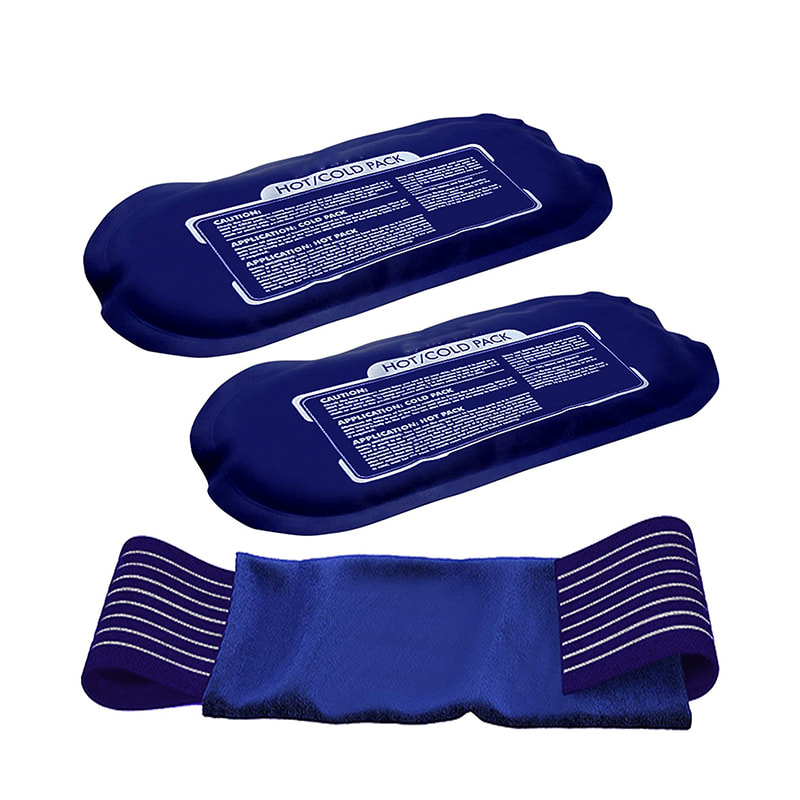
2. Are Hot & Cold Packs Effective?
Yes—Hot & Cold Packs are clinically proven to help reduce pain, improve mobility, and support healing.
The effectiveness comes from applying the correct therapy at the right time:
Cold therapy (cryotherapy) works best for acute injuries, swelling, and inflammation.
Heat therapy (thermotherapy) works best for chronic pain, stiffness, or muscle relaxation.
A Hot & Cold Pack allows you to alternate both treatments conveniently.
3. Why Cold Packs Are Essential for Sports Injuries
Cold therapy is the first and most important step immediately after an injury.
How Cold Packs Work
Cold packs reduce:
Swelling
Pain
Inflammation
Tissue damage
When applied, cold constricts blood vessels, limiting internal bleeding and slowing tissue metabolism.
Cold Packs Are Effective For:
Fresh ankle sprain
Knee sprain
Muscle tear
Bruising
Joint swelling
Post-workout soreness
Overuse inflammation
Benefits Backed by Clinical Evidence
Controls acute inflammation
Reduces pain within minutes
Helps prevent the injury from worsening
Improves recovery time in the first 48 hours
Cold therapy is particularly recommended within the R.I.C.E. protocol (Rest, Ice, Compression, Elevation).
4. Why Heat Packs Are Important for Recovery
Heat is usually introduced after the acute swelling has decreased, typically 48–72 hours after injury.
How Heat Packs Work
Heat improves:
Blood circulation
Tissue flexibility
Muscle relaxation
Healing speed
By opening blood vessels (vasodilation), heat encourages oxygen and nutrients to reach injured tissues faster.
Heat Packs Are Effective For:
Muscle tension
Chronic joint pain
Stiffness after sprains
Back and neck pain
Overuse injuries
Warm-up preparation before sports
Benefits of Heat Therapy
Relaxes tight muscles
Reduces stiffness
Restores mobility
Provides soothing, long-lasting pain relief
Heat therapy is crucial for restoring mobility after the initial swelling phase.
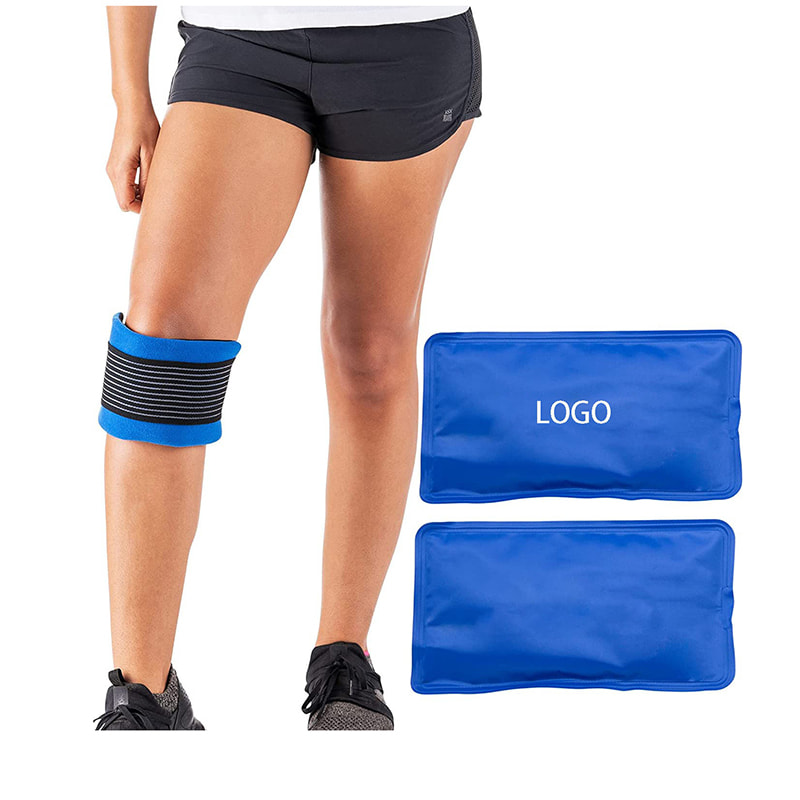
5. Why Combining Hot & Cold Therapy Works Best
Athletes and sports medicine professionals often prefer contrast therapy—alternating heat and cold.
Benefits of Contrast Therapy
Cold reduces swelling and pain
Heat promotes circulation and healing
Alternation “pumps” blood in and out, speeding recovery
This method is effective for:
Ankle sprains
Knee sprains
Tendon strain
Muscle soreness
Overuse injuries
A reusable Hot & Cold Pack makes contrast therapy easy and accessible.
6. How to Use a Hot & Cold Pack Properly
For Cold Therapy
Freeze the pack for at least 2 hours.
Wrap in a cloth to protect skin.
Apply for 15–20 minutes.
Repeat every 2–3 hours during the first 48 hours.
For Heat Therapy
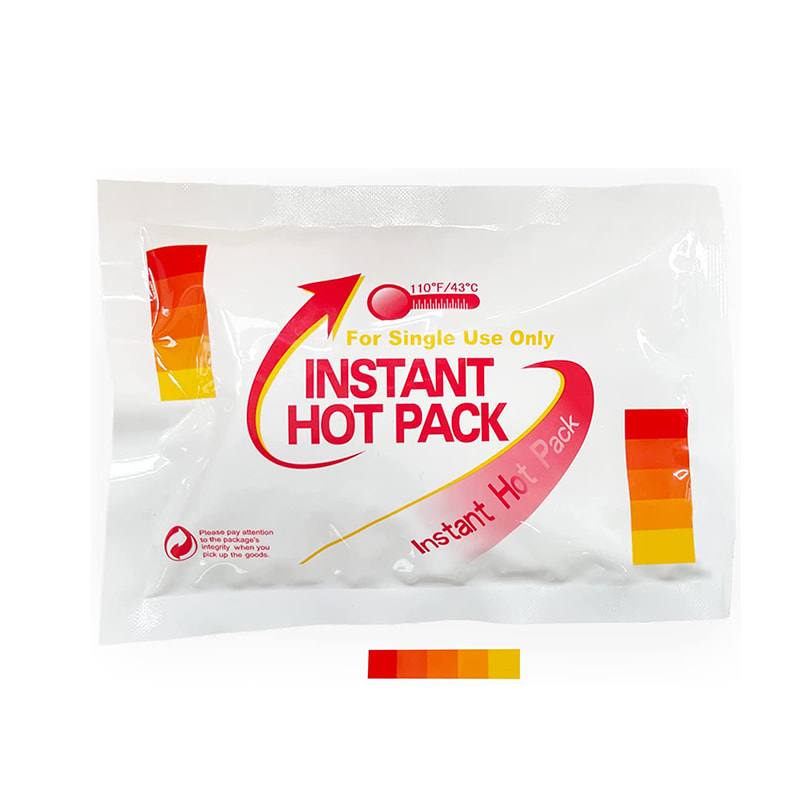
Microwave the pack according to instructions (usually 30–60 seconds).
Verify temperature to avoid burns.
Apply for 15–20 minutes.
Repeat 2–3 times per day for stiffness or chronic pain.
7. When to Use Heat vs. Cold: A Quick Guide
| Condition |
Cold Pack |
Hot Pack |
| Fresh sprain (0–48 hours) |
Best choice |
Not recommended |
| Swelling or inflammation |
Yes |
No |
| Muscle stiffness |
No |
Yes |
| Chronic pain |
Sometimes |
Best choice |
| Bruising |
Yes |
No |
| Post-exercise soreness |
Yes |
Optional |
| Pre-exercise warm-up |
No |
Yes |
This guide helps athletes choose the right therapy instantly.
8. Are Hot & Cold Packs Safe?
Yes, reusable gel packs are generally safe when used correctly.
Precautions
Do not apply directly to skin; use a cloth barrier.
Avoid heat on fresh injuries.
Avoid using cold too long (not more than 20 minutes).
Stop using if numbness, burning, or skin irritation occurs.
Seek medical attention for severe sprains or persistent swelling.
9. Why Athletes Prefer Reusable Hot & Cold Packs
Convenience
One product serves two functions.
Cost-Effective
Reusable for months or years.
Portable & Easy to Use
Ideal for sports bags, training rooms, gyms, and home therapy.
Fast Pain Relief
Works within minutes for most injuries.
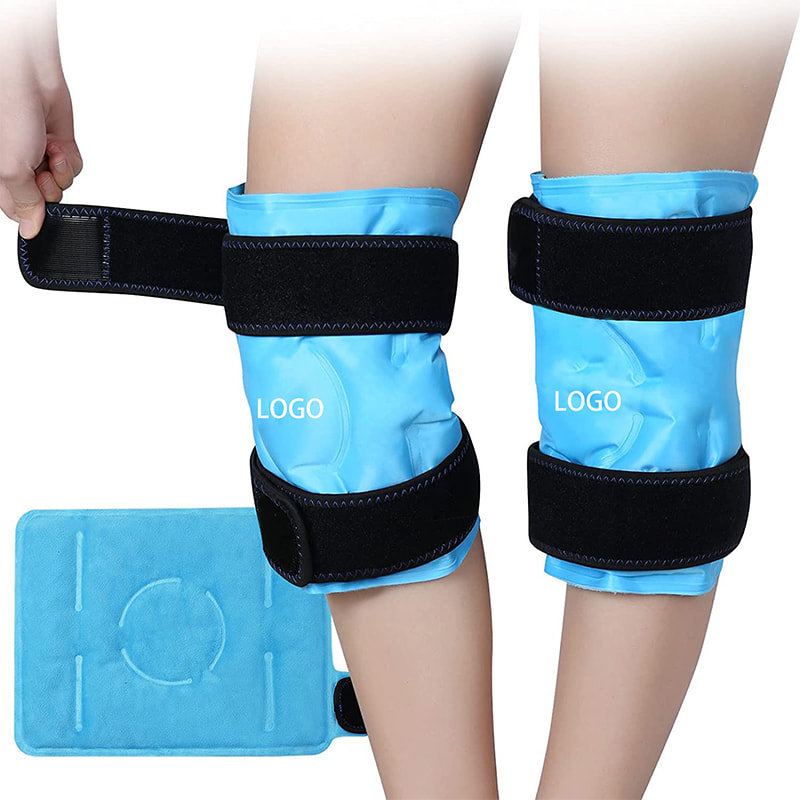
10. Final Verdict: Are Hot & Cold Packs Effective for Sports Injuries and Sprains?
Absolutely. Hot & Cold Packs are one of the most effective and widely recommended tools for managing sports injuries. Cold therapy reduces swelling and pain during the acute stage, while heat therapy improves flexibility and recovery in the later stage. When combined, they offer faster healing and better comfort.
Athletes, physiotherapists, and orthopedic specialists rely on Hot & Cold Packs because they are:
Safe
Affordable
Effective
Versatile
Easy to use
For ankle sprains, knee sprains, muscle pulls, bruises, or general sports fatigue, Hot & Cold Packs remain an essential part of recovery.

 English
 Español
 русский
 Français
 Deutsch
 italiano
 By Admin